

Introduction
Logistics is the coordinated process of moving and storing goods so they reach the right customer, in the right condition, at the right time and cost. Its core functions—transportation, warehousing, inventory management, and packaging—work together to keep supply chains efficient and customers satisfied.
What Is Logistics?
Logistics involves planning, implementing, and controlling the flow and storage of goods, services, and related information from the point of origin to the point of consumption. In simple terms, it ensures that raw materials, finished products, and orders move smoothly between suppliers, warehouses, retailers, and customers.
A business may have excellent products, but poor logistics can still lead to delayed deliveries, damaged goods, excess stock, and higher operating costs. Effective logistics management connects every stage of the product journey, from procurement and storage to dispatch, delivery, and returns.
Also read: Types of Logistics
Why Logistics Functions Matter
Each logistics function has a specific role, but none works in isolation. For example, a warehouse cannot operate efficiently without accurate inventory records, while transportation depends on properly packed and correctly stored goods.
Strong logistics management helps businesses:
- Deliver orders on time and improve customer satisfaction.
- Reduce storage, transport, and handling costs.
- Prevent stockouts and overstocking.
- Protect products from damage during handling and transit.
- Improve visibility across the supply chain.
- Support business growth through reliable order fulfilment.
Also read: Logistics vs Supply Chain Management
1. Transportation
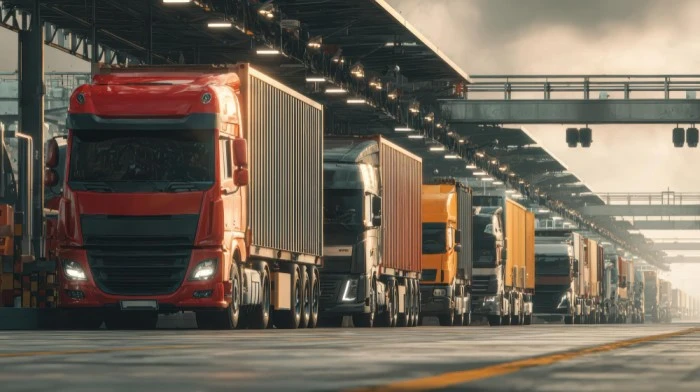
Transportation is the physical movement of goods from one location to another, such as from a supplier to a warehouse, from a factory to a distribution centre, or from a warehouse to the customer. It is one of the most visible and cost-intensive functions of logistics.
Businesses choose transport modes based on the type of product, delivery deadline, distance, budget, and customer location. Common modes include road, rail, air, and sea transport.
Key Activities in Transportation
- Selecting the most suitable transport mode and carrier.
- Planning delivery routes and schedules.
- Preparing shipping documents and labels.
- Tracking shipments during transit.
- Managing freight costs and delivery timelines.
- Handling returns or reverse logistics when required.
Example
An online retailer may use road transport for local deliveries, air freight for urgent international orders, and sea freight for bulk shipments. The right combination reduces delivery time while keeping shipping costs under control.
2. Warehousing
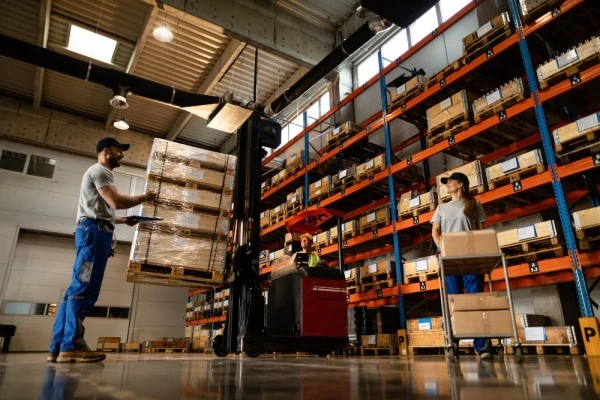
Warehousing is the safe storage, handling, and organisation of goods before they are distributed to customers. A warehouse is not only a storage space; it is also an operational hub where products are received, sorted, picked, packed, and dispatched.
Effective warehousing ensures that products remain secure and accessible while awaiting the next stage of the supply chain. For perishable or temperature-sensitive goods, warehouses may also require cold storage or controlled environmental conditions.
Main Warehousing Activities
- Receiving incoming goods and checking them for accuracy or damage.
- Storing products in organised locations.
- Managing warehouse layout for faster movement of goods.
- Picking items for customer orders.
- Packing and preparing shipments.
- Managing returns and damaged products.
Why Warehousing Is Important
Warehousing helps businesses maintain product availability, handle seasonal demand, and consolidate shipments for efficient distribution. A well-organised warehouse reduces search time, prevents losses, and speeds up order fulfilment.
3. Inventory Management
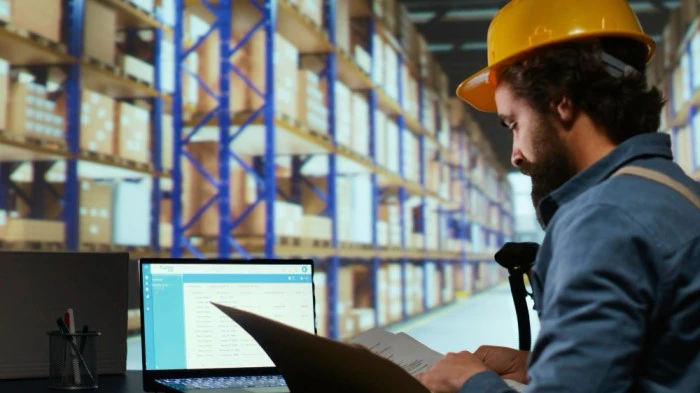
Inventory management involves tracking the quantity, location, and movement of stock within a business. Its main goal is to maintain enough inventory to meet customer demand without tying up too much money in unsold goods.
Poor inventory control can create two major problems: stockouts, which lead to lost sales and unhappy customers, and overstocking, which increases storage costs and the risk of obsolete inventory.
Key Inventory Activities
- Recording incoming and outgoing stock.
- Monitoring stock levels in real time.
- Forecasting demand based on sales trends.
- Setting reorder points and safety stock levels.
- Identifying slow-moving or obsolete products.
- Coordinating stock replenishment with suppliers.
Example
A mobile phone retailer may keep higher stock levels before a festive sale, then reduce inventory after demand falls. Accurate inventory data helps the business avoid both empty shelves and unnecessary storage expenses.
4. Packaging
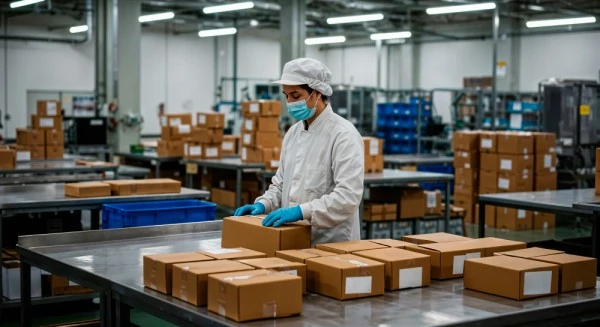
Packaging protects products during storage, handling, and transportation. It also makes goods easier to identify, stack, move, and deliver. In logistics, packaging must balance product safety, cost, space utilisation, and sustainability.
Good packaging prevents damage, reduces returns, and helps products meet safety or customs requirements. It can also support branding by making packages look professional and recognisable.
Functions of Packaging in Logistics
- Protecting goods from breakage, moisture, dust, and theft.
- Making products easier to handle and transport.
- Improving space utilisation in warehouses and vehicles.
- Providing product information, labels, and barcodes.
- Supporting safe handling of hazardous or fragile items.
- Reducing packaging waste through right-sized materials.
Example
Electronics are usually packed in cushioned boxes with protective layers, while bulk agricultural products may require moisture-resistant sacks. The packaging choice depends on the product’s fragility, weight, storage conditions, and transport method.
Check out Entri’s Logistics and Supply Chain Management Course!
Other Important Logistics Functions
Although transportation, warehousing, inventory, and packaging are central functions, complete logistics management also includes several supporting activities.
| Function | Purpose |
|---|---|
| Order processing | Receives, verifies, and processes customer orders before fulfilment. |
| Material handling | Moves goods safely within warehouses and between transport points. |
| Demand forecasting | Predicts future product demand to support purchasing and stock planning. |
| Customer service | Keeps customers informed about orders, deliveries, delays, and returns. |
| Returns management | Handles returned products, repairs, replacements, refunds, or recycling. |
| Logistics information systems | Tracks goods, stock, shipments, and performance data across the supply chain. |
Order Processing
Order processing is the first step in fulfilling a customer’s purchase. It involves receiving the order, checking product availability, confirming payment or purchase details, and passing the order to the warehouse or dispatch team.
An efficient order-processing system reduces errors, prevents delays, and ensures that customers receive the correct products. For example, when a customer places an online order, the system should immediately verify the item, update inventory records, and generate a picking request for warehouse staff.
Material Handling
Material handling refers to the movement, protection, storage, and control of goods within a warehouse or production facility. It includes activities such as loading and unloading vehicles, moving products using forklifts or conveyor belts, and arranging items for storage or dispatch.
Good material handling reduces product damage, improves worker safety, and speeds up warehouse operations. Businesses often use equipment such as pallet jacks, forklifts, conveyor systems, and automated storage systems to handle goods efficiently.
Demand Forecasting
Demand forecasting is the process of estimating future customer demand using past sales data, market trends, seasonal patterns, promotions, and other business insights. Accurate forecasting helps companies decide how much stock to purchase, produce, or store.
For instance, a clothing retailer may forecast higher demand for winter wear during colder months and increase inventory accordingly. Strong forecasting reduces the risk of stockouts during peak periods and prevents excess stock when demand falls.
Customer Service
Customer service in logistics focuses on keeping customers informed and resolving issues related to orders, deliveries, delays, damaged products, and returns. It includes sharing order confirmations, tracking updates, estimated delivery dates, and support for complaints.
Reliable customer service improves trust and encourages repeat purchases. Even if a shipment is delayed, clear communication and a quick resolution can protect the customer relationship.
Returns Management
Returns management, also known as reverse logistics, deals with products that customers send back to the business. It includes receiving returned goods, inspecting their condition, deciding whether to repair, restock, recycle, or dispose of them, and processing refunds or replacements.
An organised returns process is especially important for e-commerce businesses, where customers often expect easy and transparent return options. Efficient returns management reduces losses and helps recover value from returned products.
Logistics Information Systems
Logistics information systems collect, store, and share data related to inventory, orders, shipments, warehouses, and transportation. These systems give businesses real-time visibility into stock levels, delivery status, and operational performance.
For example, a logistics dashboard can show which shipments are delayed, which products are running low, and which warehouses have excess stock. With accurate information, managers can make faster decisions and prevent problems before they affect customers.
Procurement and Supplier Coordination
Procurement involves sourcing raw materials, products, or services from suppliers at the right time, quantity, price, and quality. In logistics, procurement also includes coordinating delivery schedules with suppliers so that goods arrive when the business needs them.
Strong supplier coordination helps prevent production delays and stock shortages. It also allows businesses to plan transportation and warehouse space more effectively.
Freight Management
Freight management focuses on planning, booking, tracking, and optimising the movement of goods through carriers and transport providers. It includes comparing freight rates, selecting carriers, preparing shipping documents, and monitoring shipments.
Effective freight management helps businesses control transportation costs and improve delivery performance. It is particularly important for companies that ship products nationally or internationally.
Network Design and Route Planning
Network design involves deciding where warehouses, distribution centres, and delivery routes should be located to serve customers efficiently. Route planning determines the best path for vehicles to reduce travel time, fuel consumption, and delivery delays.
For example, a company may place a distribution centre closer to a high-demand region to shorten delivery times. Smart route planning can also help delivery vehicles avoid traffic congestion and complete more orders in a day.
Also read: 7 Rs of Logistics
How the Functions Work Together
Consider an e-commerce order. First, inventory management confirms that the product is available. Warehouse staff then pick and pack the item using suitable packaging. Finally, transportation moves the parcel from the warehouse to the customer’s address, while tracking systems provide delivery updates.
When these functions are coordinated well, businesses can deliver faster, reduce costs, minimise errors, and maintain a better customer experience. When they are poorly connected, even small issues—such as inaccurate stock data or weak packaging—can cause delays, damage, and additional expenses.
Step into the world of Logistics with Entri’s programme!
Final Thoughts
The main functions of logistics—transportation, warehousing, inventory management, and packaging—form the backbone of an efficient supply chain. Transportation moves goods, warehousing stores and prepares them, inventory management ensures availability, and packaging protects products throughout the journey.
Businesses that manage these functions strategically can improve delivery reliability, control costs, and build stronger customer trust.
