

Intermittent fasting is a bit of an eating schedule – you eat during some times and don’t eat during others, with a focus on when you have meals rather than what you have. For newbies, the 16:8 approach – where you go 16 hours without eating and eat within an 8-hour time frame – is the most widely used and sustainable way to get started. Research has shown that doing this every day can help people lose around half a pound per week, simply by reducing the amount of calories they’re eating and lower the level of hunger hormones in their system. It’s also been shown to improve blood pressure, take down some of the oxidative stress, and may even lower your risk of heart disease and diabetes. Start with a shorter fast like 12 hours and gradually work your way up to 14 or 16 hours as your body gets used to it.
KEY TAKEAWAYS
- Intermittent fasting is more about finding a time to eat that works for you, rather than cutting out any particular foods.
- The 16:8 plan is probably the most popular approach for people just getting started.
- By limiting the times when you eat you’ll naturally end up taking in fewer calories.
- Benefits can include weight loss, better blood sugar control, a lower blood pressure, and less inflammation
- Start with a 12-hour fast and just work your way up to 14 or 16 hours as you get more comfortable with it.
- You can have water, black coffee, and even herbal tea during the times you’re fasting.
INTRODUCTION
You’ve probably heard of intermittent fasting by now; it’s like everywhere – your friend lost some weight, your colleague has more energy, and some celebrity or other claims to swear by it. But what exactly is it, and more importantly, can you do it too?
The good news is that intermittent fasting is one of those simple diets you can understand – there aren’t any complicated meal plans, no need to track calories to the letter, and you don’t have to buy any fancy foods. The basic idea is about as simple as it gets: you eat during certain hours and then just chill until its time to eat again.
This guide is going to walk you through everything you need to know to get started with intermittent fasting. We’ll break down what it is, how it works, the different eating schedules you can try, and the benefits you might be able to expect. By the end of this you’ll have a clear plan for getting on board with intermittent fasting yourself.
WHAT IS INTERMITTENT FASTING
Intermittent fasting is an eating pattern that cycles through periods of eating and periods of not eating. You’re not following a traditional diet because you dont have to worry about what to eat – just when to eat.
The idea behind it is dead simple. You pick a window of time to eat all your meals; the rest of the time you aren’t eating. This naturally means you end up having fewer meals and snacks overall, which can help you take in fewer calories. It’s a lot easier than constantly thinking, “should I be eating this or that? ”
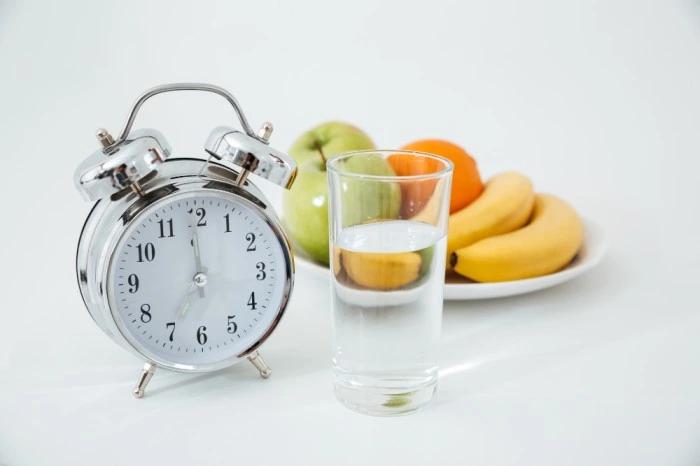
Fasting – something our ancestors knew all too well. In fact, it was often a necessity rather than a choice, as food wasn’t always readily available. And have you ever stopped to think about the origins of the word ‘breakfast’? – It’s literally the act of breaking your fast between dinner and breakfast! Modern life has spoiled us with a constant supply of food on tap – and the thing is, our bodies just weren’t built to cope with that sort of non-stop eating. By giving your body a break from food, fasting gives your digestive system a welcome rest and gets your body to start using the stored energy you’ve been banking away instead.
HOW INTERMITTENT FASTING DOES ITS MAGIC
When you put food in your body, it gets broken down into glucose (aka sugar) to give you a quick energy boost. Any spare energy gets stored up as glycogen in your liver & muscles. Then, when you stop eating, your body uses up that stored glycogen and starts dipping into the fat stores for energy.
The main mechanism behind it all is to do with insulin levels. When you eat, your insulin levels rocket up – and those high insulin levels tell your body to stash energy away. But when you stop eating, your insulin levels plummet, which in turn lets your body get in and start using fat for fuel. This whole process is called metabolic flipping & its the reason why intermittent fasting can be so good for shedding the pounds)
Some research does suggest that fasting even gets the body to do a bit of a clear-out, where it scrubs away damaged cells and other nasty stuff called autophagy. This clean-up process may even help prevent chronic diseases and generally keep you in good nick.
Types of Intermittent Fasting Schedules
There are several popular methods, and these are the most common and beginner-friendly approaches.
The 12:12 Method
This is probably the most gentle way to get into intermittent fasting. You fast for 12 hours, and then eat during a 12-hour window. A lot of people already kind of follow this pattern without even thinking about it. Say you get up at 7 am and have dinner by 7 pm – then you’re already fasted by 7 pm and won’t eat again till 7 am the next day. It’s a great way to ease into this whole intermittent fasting thing without having to make too many changes to your daily routine.
The 14:10 Method
This is a next step up from the 12:12 method. You fast for 14 hours and eat during a ten-hour window. It’s a slightly longer fasting period than the 12-12, but still not so radical that you’ll feel like you’re making a huge leap.
The 16:8 Method
This one is probably the most popular of all the methods for beginners. You fast for 16 hours and eat during an 8-hour window. Now, say you finish eating by 12 pm one day and don’t eat again till 8 pm the next – that’s a 16-hour fast. The 16:8 method is pretty sustainable, can be combined with a low-carb diet if you want to go that route, and you can still get all the nutrients you need during your eating window.
The 5:2 Method
This one works a bit differently. You eat normally five days out of the week. Then, on two non-consecutive days, you just cut back on calories to about 500-600 calories. The 5:2 method is pretty flexible because you get to choose which two days of the week you want to do this on. On the restricted days, just make sure you’re eating healthy, nutrient-dense foods.
Alternate-Day Fasting
This one’s kind of like a real challenge. You alternate between regular eating days and days where you’re either fasting or on a very low-calorie diet. On fasting days, you might be looking at around 500 calories. Now, this method has some pretty strong scientific backing, but it is probably tougher for beginners because you have to really stick to the rules.
Best Intermittent Fasting Timing for Beginners
So the best schedule for you will depend on how you live and how you work. There is no “right” schedule. What matters is that you find a schedule you can follow.
Start with a 12-hour fast. This is probably the easiest one to do because it fits right into your normal sleeping and eating habits. You eat dinner at 7 pm, then breakfast at 7 am tomorrow, and you’re about halfway there on a 12-hour fast. And you’re asleep for most of that time.
Getting used to fasting 12 hours a day can be replaced with 14 or 16 hours. Take this step slowly because it’s much easier to go from zero to 16 hours overnight. So as an example, just push your breakfast back by an hour every week until you reach your desired fasting period.
Consider an earlier eating window. Researchers have noted that eating earlier in the day may be better for blood sugar and blood pressure. Most studies suggest eating between 8 am and 4 pm or 10 am and 6 pm. But eating after 5 pm is more popular and better-suited to many people’s social lives.
Benefits Of Intermittent Fasting
The science on intermittent fasting is pretty clear – and that’s that: it’s got some really amazing health benefits.
Weight Loss
People give intermittent fasting a shot for one main reason: weight loss. Since you’re eating in a smaller window, you’re naturally consuming fewer calories – which is a pretty obvious benefit. A study at Harvard showed that daily intermittent fasting helped people lose a chunk of weight – about half a pound a week, which is equivalent to 250 calories a day. The University of Adelaide ran a similar study and found that people on an intermittent fasting diet lost around 15 pounds in six months without having to make any major changes to their eating habits, which is a big selling point because it’s a lot easier to stick to.
Improved Blood Sugar Control
Intermittent fasting has also been shown to lower insulin levels and improve insulin sensitivity. In a study on pre-diabetic men, they found that just eating during a shorter window in the morning really helped them get a handle on their blood sugar levels. This is especially good for people with type 2 diabetes or metabolic syndrome.
Lower Blood Pressure
Harvard also did a study on people who practiced intermittent fasting every day and found that they had their blood pressure levels significantly reduced. And that’s a big deal because hypertension is a major risk factor for heart attacks and strokes.
Reducing Inflammation
Intermittent fasting also reduces oxidative stress – which is basically just cell damage that can lead to conditions like cancer and heart disease. It also slows down the rate of inflammation within the body, which is good for your immunity and can help prevent all sorts of chronic diseases, like arthritis.
Autophagy
When you fast, your body enters a state called autophagy – which is just a fancy word for getting rid of your damaged cells and toxins, really. This is great for helping prevent chronic diseases, supporting your brain function, and might even slow down the aging process a bit.
Simplicity
One of the things that makes intermittent fasting so appealing is it doesn’t mean you have to fundamentally change the type of food you eat, just when you eat it. That makes it way easier to get started with and stick to than all the traditional diets out there. You can still eat your favourite foods as long as you do it within your designated window.
Foods To Eat During Intermittent Fasting
When you’re doing intermittent fasting, the main thing is that it doesn’t dictate what you eat, just when. So pick some really nutrient-dense foods and you’ll be good as gold. Think stuff like lean proteins (chicken, fish, eggs, or beans), healthy fats (avocados, nuts, olive oil), fibre-rich veggies, whole grains and fruits. For a bit of inspiration, you could try having oat porridge with eggs and veggies for brekkie, grilled salmon with rice and veggies for lunch, or a chicken shawarma bowl with turmeric rice and garlic yoghurt sauce for dinner
FOODS AND DRINKS TO AVOID WHILE FASTING
While fasting, anything with calories is a no-no, which implies that you will not eat any food, soft drinks, milk, or juice. However, you can take water, unsweetened coffee, herbal teas, and other drinks without calories. In addition, when you decide to eat, avoid any sweetened or processed foods because they will only increase your blood glucose levels and make you hungry.
Sample Intermittent Fasting Meal Plan for Beginners
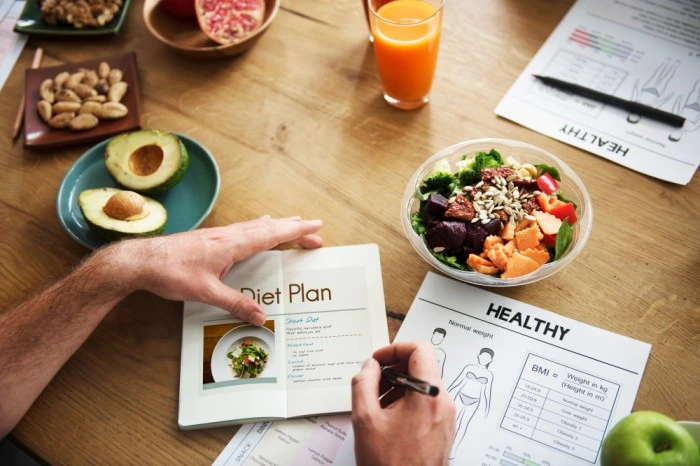
Here’s a sample 3-day meal plan based on the 14:10 protocol. We’ve stuck to a schedule where you can eat from 10 am to 8 pm. This way you’ve got some time to get into the swing of things and figure out what works for you.
Day 1
First Meal (10am): Go for a hearty serving of savory oats, poached eggs, some wilted spinach, sautéed mushrooms, and sliced avocado.
Snack Time (3pm): How about a nice bit of pear with a dollop of ricotta and a sprinkle of cinnamon for added sweetness.
Dinner (7pm): Tonight we’ve got a real treat – ginger soy salmon with a side of snap peas, roasted carrots and a bit of jasmine rice to mop up all that delicious sauce.
Day 2
First Meal (10am): For this one, we’re going all out with a Greek yogurt bowl loaded up with fresh raspberries, crunchy pistachios and a sprinkling of flaxseeds for good measure.
Snack Time (3pm): A handful of roasted chickpeas and a few slices of cucumber should see you through until dinner.
Dinner (7pm): For tonight’s main event, we’ve got a tasty chicken shawarma bowl with a side of turmeric rice, some diced tomatoes and a drizzle of garlic yogurt sauce for good measure.
Day 3
First Meal (10am): Cottage cheese toast, topped with a juicy slice of peach and a sprinkle of pumpkin seeds – that’s the ticket for a good breakfast.
Snack Time (3pm): Time to get a bit more adventurous with a matcha chia pudding topped with a handful of sliced strawberries for a bit of sweetness.
Dinner (7pm): We’re ending the week on a high with a delicious shrimp coconut curry with bell peppers, green beans and a side of brown rice.
Conclusion
Intermittent fasting is one of the easiest and most effective ways to lose weight and get healthier. The beauty of it is that it’s not about what you eat but when you eat it, making it a whole lot easier to stick to than some other diets. As a beginner, start off with a 12:12 regime and gradually work your way up to 14:10 or even 16:8.
All the science backs it up – intermittent fasting helps you lose weight, reduces your blood sugar levels, lowers your blood pressure and even reduces inflammation. It’s also a great way to give your cells a bit of a spring clean, which is a big plus when it comes to staving off chronic diseases.
Of course, as with any diet, it’s not for everyone. So unless you’re someone who’s prone to eating disorders, a pregnant or breastfeeding woman, or someone with diabetes who takes medication, then you might want to give it a miss. If you’re still interested, it’s always a good idea to check with a health professional first, and find a regime that works for you and stick to it.
