

A weight loss diet plan that really works is all about making a moderate calorie deficit of 300-500 calories per day, eating a bunch of nutrient-dense whole foods like lean proteins, loads of different coloured vegetables, whole grains, and decent fats. The end result is a steady and safe weight loss that’s around 1-2 pounds per week, which is way better than most other fad diets out there. The best way to make it all work is by sticking to a balanced diet and getting in some regular exercise, making sure you get enough sleep, and taking care of some stress, too.
KEY TAKEAWAYS
- Getting a caloric deficit of 300-500 calories per day is actually key to healthy weight loss.
- Sort your diet out by focusing on whole, nutrient-dense foods like veggies, lean proteins, whole grains and healthy fats.
- Also, cut back on sugary drinks and all the processed rubbish.
- Get a balance going by combining diet with some decent exercise, some proper rest and some stress-reduction techniques.
- The only diet plan that’s gonna work is the one that you can stick to day in day out.
- Before you even think about starting a new diet, pop and see your doctor (or a healthcare professional of some sort), especially if you have any health issues.
INTRODUCTION
Losing weight is one of those things that just about everyone wants to do. But the problem is, most of us don’t really know where to start. You go on a diet, you get some initial weight loss going, but then it all slithers back on again. You leave feeling run down, tired, bloated and completely fed up. Do you really think that there is such a thing as a weight loss diet that really works?
Yes, you can healthily lose weight. It’s not about finding some magical solution or crash diet that can fix everything overnight. It’s about knowing your body and creating a plan that doesn’t drive you insane.
The following guide is gonna walk you through the basics of how to do a successful weight loss diet plan. We’ll cover the foods you should be eating, the foods to avoid, and even chuck in a sample meal plan to give you a bit of a head start.
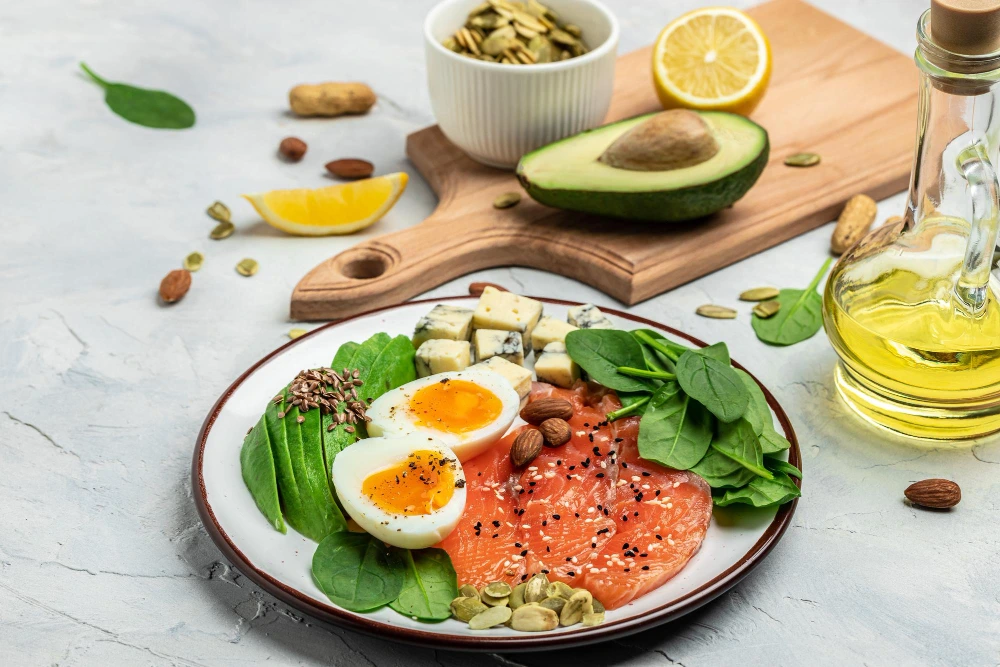
WHAT IS A HEALTHY WEIGHT LOSS DIET PLAN?
A healthy weight loss diet plan isn’t just about cutting out loads of food or starving yourself to death. It’s about making changes to your eating habits that are actually sustainable in the long run. In other words, a moderate caloric deficit is all you need to be losing weight at a healthy rate.
The key is to eat lots of minimally processed food, so think: fresh vegetables, fruits, lean proteins, whole grains, and the occasional bit of healthy fat. A good plan is flexible and realistic – ie., it allows for the odd treat now and then so that you don’t feel like you are missing out.
And please, for the love of all things good, don’t make it all about a quick fix. It’s all about making long-lasting changes to the way you eat. A healthy weight loss plan also needs to be balanced. You need to be getting enough protein so you don’t lose all your muscle mass, enough fibre and fat so you feel full, and enough carbs so you can do all the other stuff you do during the day.
How many Calories do you actually need to lose Weight?
Weight loss is a matter of burning off more calories than you consume. The only real rule for weight loss is a calorie deficit. A safe and healthy goal is 300-500 calories less each day, and you should lose around 1-2 pounds per week (0.5- 2 kg).
Step 1: figure out your daily calorie needs
Your daily energy expenditure is the number of calories you are burning every 24 hours – it includes your resting metabolism (calories you burn just doing nothing), plus calories you burn off through exercise and other physical activity. You can find out what this number is by using an online calorie calculator, but don’t overcomplicate things – most human bodies fall pretty broadly into the same categories.
Step 2: work out your weight loss calorie target
Next, you need to knock 300-500 calories off your daily calorie needs. For example, if your daily calorie needs come out to be 2,200 calories, then cutting back to 1,700-1,900 calories should get you losing weight. Just be careful not to cut back too low – women should be aiming for at least 1,200 calories a day, and men for 1,500 calories. Anything less and your body is going to start eating away at your muscles, and that is just not worth the risk.
The Best Foods For Healthy Weight Loss
When it comes to shedding a few pounds, don’t put all your faith in that diet – focus on piling your plate with nutrient-packed, whole foods that actually satisfy you and give your body what it’s been craving.
Top Protein Sources To Help You Get Lean
Protein is the real key to losing weight, not to mention building and keeping the muscle you already have and getting your metabolism humming. Good sources of protein include chicken breast, turkey breast, salmon, eggs, Greek yogurt, cottage cheese, tofu, and lentils – whatever you like, really.
What To Pile On Your Plate
This is when it comes to talking about how to feed yourself with vegetables that are low in carbohydrates; they are practically zero-calorie foods and have high fiber and water content to satisfy you without taking extra calories. Such veggies as leafy green veggies, broccoli, bell peppers, cauliflower, and zucchini can be named here.
Whole Grains Are Where It’s At
Ditch the white stuff and go for whole grains – they’re the healthier option, and really, you can’t go wrong. Good options include oatmeal, quinoa, brown rice, whole wheat bread – basically anything that’s whole rather than processed.
Fats Are Not The Enemy – It’s Time To Think Again
Healthy fats from avocados, nuts, seeds, olive oil, and those lovely fatty fish like salmon do a lot for hormone and nutrient function and will also keep you satisfied for a lot longer. They’re not the enemy anymore, so go ahead and indulge a bit.
Fruits Are Good For You
Fruits are just loaded with vitamins, minerals and fibre – and they’re probably not as packed with sugar as you might think. Go for whole fruits over juice because the fibre content is what really matters, and try to opt for berries, apples and pears – they’re all pretty low in sugar, really.
Foods to Avoid to Get that Weight Loss Moving
To help you hit your weight loss targets, try to cut these items from your diet
Soda, fruit juice, sports drinks, and all those sugary teas – these things are basically nothing but empty calories that don’t keep you feeling full. Liquid calories are basically a surefire way to blow past your daily calorie limit without even realising it
Ultra-Processed Foods
These things are basically designed to be super tempting and difficult to stop eating – so it’s no surprise that fast food, packaged snacks and pre-made meals are so often loaded up with calories, unhealthy fats, sugar and sodium
Refined Carbohydrates
White bread, white rice and sugary breakfast cereals are basically just empty calories stripped of all the good stuff – they can send your blood sugar rocketing and leave you feeling proper hungry soon after
Fried Foods
The foods that get fried in nasty oils are just loaded in calories and can also be a bit of an inflammatory too – so try to limit the likes of French fries, fried chicken and doughnuts.
Alcohol
Drinking too much can not only pile on the calories but also lower your inhibitions and make you more likely to overindulge and ruin your diet.
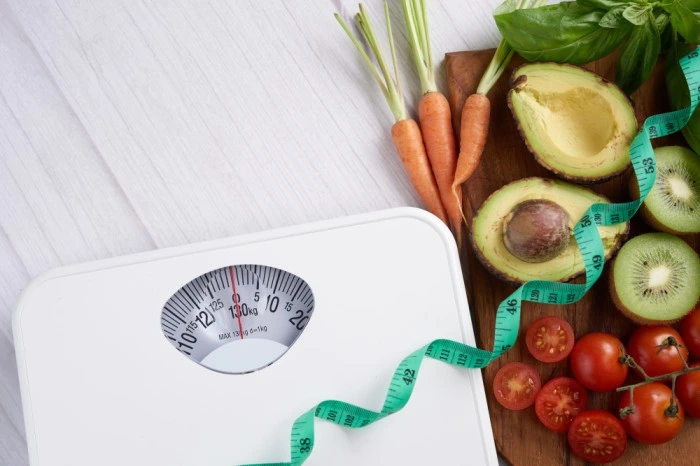
7 Day Weight Loss Diet Plan
Here is a simple sample week of meal ideas to get you started – just remember to adjust the portion sizes to suit your calorie needs and taste preferences.
| Day | Breakfast | Lunch | Dinner | Snack (optional) |
| 1 | Oatmeal with berries and almonds | Grilled chicken salad with mixed greens, veggies, and vinaigrette | Baked salmon with roasted asparagus and quinoa | Apple slices with peanut butter |
| 2 | Greek yogurt with berries and chia seeds | Tuna salad sandwich on whole-wheat bread with lettuce and tomato | Turkey or tofu stir-fry with broccoli, bell peppers, and brown rice | Cucumber slices with hummus |
| 3 | Scrambled eggs with spinach and whole-wheat toast | Lentil soup with a side salad | Chicken breast with sweet potato and steamed green beans | A handful of almonds |
| 4 | Smoothie with spinach, banana, protein powder, and almond milk | Leftover chicken and quinoa | Shrimp or tofu curry with vegetables and cauliflower rice | Rice cakes with avocado |
| 5 | Overnight oats with Greek yogurt and mixed berries | Quinoa bowl with chickpeas, feta, and vegetables | Grilled steak or portobello mushroom with roasted Brussels sprouts | Hard-boiled egg |
| 6 | Whole-wheat pancakes with yogurt and berries | Tuna salad wrap with lettuce and veggies | Baked cod with sautéed zucchini and brown rice | Small bowl of berries |
| 7 | Poached eggs on avocado toast | Salad with hard-boiled eggs, bacon, and avocado | Sheet pan dinner with chicken, sausage, and vegetables | Cherry tomatoes and mozzarella |
WEIGHT LOSS MEAL CHART
Here is a simple visual guide to building your plate for weight loss :
| Plate Section | Recommended Foods | Portion Guide |
| Half the Plate | Non-starchy vegetables (leafy greens, broccoli, peppers, cauliflower) | 1-2 cups (fills half the plate) |
| One Quarter | Lean protein (chicken, fish, tofu, eggs, beans) | 1 serving (palm-sized, about 3-4 oz) |
| One Quarter | Whole grains or starchy vegetables (quinoa, brown rice, sweet potato) | 1 serving (about ½ cup cooked) |
| Add Healthy Fats | Avocado, olive oil, nuts, seeds | Small amounts (1-2 tbsp oil, ¼ avocado) |
Conclusion
A weight loss diet plan that actually works for YOU is all about building a small but steady calorie deficit by eating the good stuff. You know the drill – it’s about making room for lean meats, veggies by the bucketload, and some decent whole grain goodness. And let’s get real – ditch the rubbish as much as you can – no point trying to cut out highly processed foods, sugary drinks and white carbs entirely, but do try to limit them. It’s not about starving yourself on lettuce for a month, it’s about putting good food in your body and making healthy choices, you know, the kind that’ll make a real difference.
The one plan that really delivers isn’t the one promising to turn you skinny in a week but the one that’s actually worth sticking to in the long term. Getting regular exercise, a good night’s sleep and managing stress all play a part too.
Weight loss is a marathon, not a sprint – so take a deep breath, set some realistic goals, get excited about those non-scale victories & try be nice to yourself along the way. Don’t get too hung up on restrictive diet rules that’ll just make you miserable – focus on making lifestyle changes that actually work for you. Weight loss is less about dieting and more about just looking after your body properly.
