

The ketogenic diet is a specific way of eating that comprises of high amounts of fat, moderate amounts of proteins and low amounts of carbohydrates. The ketogenic diet is meant to make the body reach a certain metabolic state referred to as ketosis whereby the body acquires energy from fats rather than glucose. As a beginner on the ketogenic diet, one should eat meat, fish, eggs, cheese, nuts, good fats and non-starchy vegetables while avoiding foods such as bread, pasta, rice, potatoes, sugar and fruits.
KEY TAKEAWAYS
- The keto diet changes your body’s fuel source from carbs to fat, leading to a state called ketosis.
- You should eat high-fat foods like meat, fish, eggs, cheese, nuts, oils, and low-carb vegetables.
- Avoid all starchy foods, grains, sugar, most fruits, beans, and starchy vegetables.
- Beginners often lose weight quickly in the first few weeks, but long-term sustainability varies.
- Simple recipe adaptations can make keto practical for everyday cooking.
- Always consult a doctor or dietitian before starting, especially if you have diabetes, kidney issues, or other health conditions.
INTRODUCTION
What if you were allowed to indulge in all your favourite foods – like crispy bacon, gooey cheese, and rich butter – and still manage to lose weight? It sounds almost too good to be true, but here’s the basic idea behind the ketogenic diet. Before you start loading up your shopping trolley with eggs, avocados, and all the rest, though, here are a few very important things you need to know about this weight loss wonder that’s left so many people stumped.
While thousands of people around the world swear by the ketogenic diet’s success at weight loss, this is a pretty restrictive diet. So think about it a little before you jump on the bandwagon. The ketogenic diet was initially invented in the 1920s to treat epilepsy in children, and today many swear by it for weight loss, blood sugar control, or overall health.
The keto diet is for beginners. In this guide, you will find out what the ketogenic diet is and how it works, what you can and cannot eat while on the diet, as well as a sample meal plan to follow.
WHAT IS THE KETO DIET?
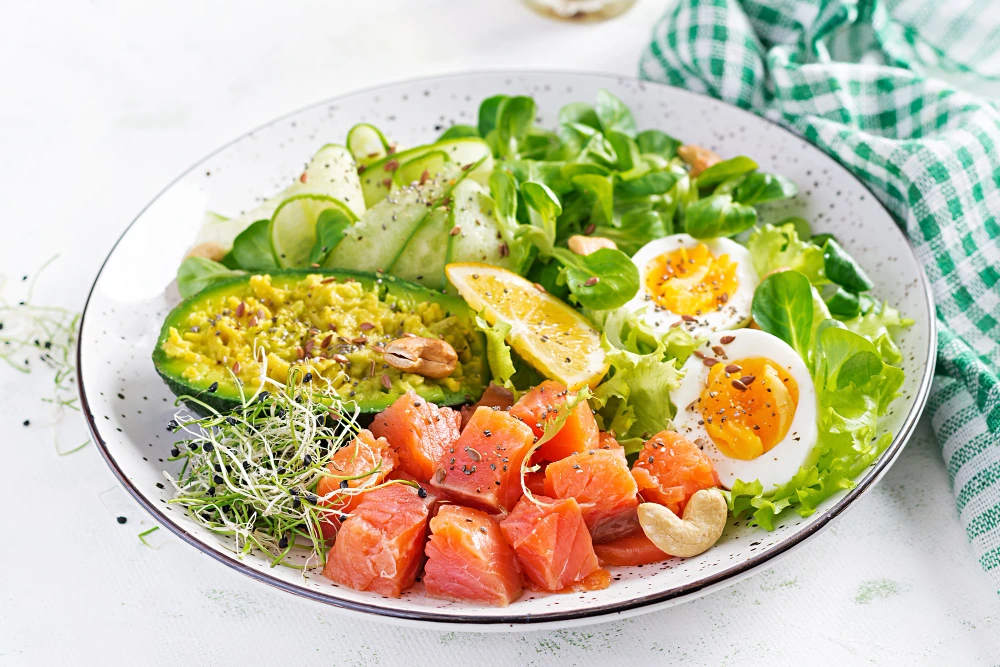
A Ketogenic diet is all about chomping on a load of fat and barely any carbs at all. In short, it completely flips your body’s way of getting the energy its looking for. In pretty much all Western diets, carbs make up more than 50% of your daily calorie intake. The body takes these carbs, and uses them to turn out glucose (its sugar, essentially). This glucose is then what you use for energy.
Since you are consuming an extremely low amount of carbohydrates such that less than 50 grams per day, then there will be no glucose available to your body, and therefore it has no option but to burn your fat reserves as fuel. Your body converts fat into energy, and this energy is referred to as ketones produced by your liver.
When your body is in this state ( and it’s actually really efficient at it ) it’s pretty much defaulting to burning fat to make energy, rather than carbs.
How the Ketogenic Diet Works
You body kinda prefers to use glucose from carbs as its primary energy source. When you follow a standard keto diet you limit your carbohydrate intake to about 5-10% of your daily calories. This probably means not consuming more than 50 grams of carbs in a day.
With those kinds of carb limits, your body uses up all its glycogen stores (that’s the stored form of glucose). Once those are depleted, your liver starts turning fatty acids into ketone bodies. These ketones then become your body’s primary fuel source – even for your brain.
The standard macronutrient breakdown of the standard keto diet is:
- Fat: 60 – 80% of daily calories
- Protein: 15 – 20% of daily calories
- Carbs: 5 – 10% of daily calories (that’s usually under 50 grams)
While some studies do show that people lose more weight on keto than on a balanced diet in the first three to six months, there’s still a lot we don’t know about how it performs in the long term. The diet can be really hard to stick to, and a lot of people end up putting weight back on once they return to a more normal eating pattern.
Types of the Keto Diet
There are a few different types of keto diets you’ll come across, but here are the main ones you’ll want to know:
- The Standard Ketogenic Diet (SKD): This is the most well-known version, and it’s pretty much ultra-low in carbs, moderate in protein, and super high in fat – think 70% fat, 20% protein and 10% carbs, and you’re on the right track.
- The Cyclical Ketogenic Diet (CKD): This one’s a bit different – you get to have periods of higher-carb “refeeds” where you get to eat more carbs than usual. So you might stick to your diet for five days and then have a couple of higher-carb days to let your body recover a bit.
- The Targeted Ketogenic Diet (TKD): This is all about adding some carbs around your most intense workouts, so you can get the energy boost you need to power through those tough sessions.
- The High-Protein Ketogenic Diet (HPKD): This one’s similar to the standard diet but with even more protein. Ratios are usually around 60% fat, 35% protein, and 5% carbs – which is a big plus for anyone looking to build some muscle.
If you’re just starting out, the standard and high-protein diets are probably the most well-researched and commonly recommended, so that’s a good place to start.
Benefits of the Keto Diet
Weight Loss & Fat Burning
Loads of people end up on the keto diet for weight loss, and it’s not surprising really. Studies have shown it can be super effective at getting the pounds off, especially in the first few months. And it’s not just water weight – it’s actually burning fat, which is a big plus for many people. Plus, it might be particularly good at reducing the kind of fat that’s accumulated around your belly.
Keeping Your Blood Sugar Under Control
The keto diet has also been shown to be great at lowering blood sugar and insulin levels. In fact, some studies have even shown it can reverse diabetes in about 60% of participants over the course of a year. And that’s especially helpful for people with type 2 diabetes or prediabetes who are looking to get their blood sugar under control.
Other Potential Benefits
There’s research looking into the keto diet’s potential to treat a range of other conditions including:
- type 2 diabetes
- Alzheimer’s disease
- Parkinson’s disease
- polycystic ovary syndrome (PCOS)
- certain neurological disorders
- some cancers (although we need more research on this one too)
Other Potential Benefits
Studies suggest the keto diet may also:
- help reduce inflammation and oxidative stress
- raise “good” HDL cholesterol levels
- improve cognitive and memory function
- make you feel more energized by turning you into a fat-burning machine – or so the theory goes, that’s for sure.
Who Should Try the Keto Diet?
The keto diet isn’t for everyone – but there are some groups of people who may find it really helpful.
You May Want to Try it If:
- You have type 2 diabetes or prediabetes and want to get your blood sugar under control
- You have epilepsy, especially if you’re a kid with drug-resistant seizures
- You have some kind of neurological condition like Alzheimer’s or Parkinson’s
- You have polycystic ovary syndrome (PCOS)
- You’ve struggled with traditional weight loss approaches and need something new
But There Are Some People Who Should Avoid the Keto Diet
- If you’ve had kidney stones in the past
- If you have acute pancreatitis
- If you have a deficiency in carnitine
- If you have liver failure or disorders of fat metabolism
- If you have kidney disease
- If you have type 1 diabetes (due to the risk of ketoacidosis)
A word of warning: Always talk to your doctor or a qualified dietitian before starting the keto diet, especially if you take any medication, have a medical condition, or are pregnant or breastfeeding.
Foods To Eat On A Keto Diet
When you’re on a keto diet your main goal is to focus on high-fat foods, moderate protein, and keep carbs low. Here’s a breakdown of what you should be including in your diet.
Fats & Oils – The Majority (70-80% of your calories)
- Butter and ghee aren’t just okay on keto – grass-fed is the way to go.
- You can’t go wrong with a good coconut oil
- Olive oil is a staple – make sure to get the extra virgin kind
- Avocado oil is another healthy option
- Don’t knock it – lard and tallow are perfectly fine sources of animal fat
Protein – The Middle Ground (15-20% of your calories)
- Meat lovers are in luck on a keto diet: beef, lamb, pork, chicken, turkey, bacon, ham are all fair game
- Fatty fish – salmon, trout, tuna, mackerel are basically keto superstars
- Shrimp and scallops are also low-carb seafood options
- Eggs are a great source of protein – ideally pastured or with some omega-3s in your eggs would be best
- And of course, full-fat dairy – think cheddar, mozzarella, goat cheese, even cream cheese and heavy cream
Veggies (But Keep Them Low-Carb)
- Leafy greens like spinach and kale are great
- Most of the cruciferous veggies like broccoli and cauliflower are alright too
- You’ll also be fine with asparagus, bell peppers, onions, mushrooms, and zucchini
- Don’t forget herbs and spices to add some flavour to your food
Nuts & Seeds To Munch On
- Almonds, walnuts, flaxseeds, chia seeds, and pumpkin seeds – all good options
Other Allowed Foods
- And of course avocados – they’re basically a keto superfood
- Berries in moderation (strawberries, raspberries, blackberries) are okay
- And don’t worry about a little salt, pepper, and spices to add some flavour to your food
Foods To Avoid On A Keto Diet
In order to stay in that all-important ketosis, you need to keep high-carb foods out of your diet
Starches & Grains – Better Left Alone
- Sorry bread, tortillas, pasta, and rice are all off the menu
- Oats, cereal, and quinoa are also no-go’s
- And let’s not even get started on flours and flour-based products
Sugary Foods & Drinks
- Sugar, honey, and syrups – basically just sugar in different disguises
- Don’t even get me started on sweets, cakes, and pastries
- Sugary drinks, fruit juice, and soda are basically guaranteed to kick you out of ketosis
Starchy Veges – Avoid These
- Sorry to say, but potatoes and sweet potatoes are a no-go
- Winter squash, corn, and peas are also high in carbs
- And beans and lentils are basically the ultimate carb bomb
Fruits – Most Of Them, Anyway
- Unfortunately most fruits are too high in carbs for keto – think bananas and apples
- And even some fruits that don’t seem too bad like grapes and mangoes are actually pretty high in sugar
- Fruit juices and dried fruit are basically just sugar in different forms
Other Foods To Avoid
- Sorry to say, but milk and usual yogurt are out
- And don’t even think about having ice cream
- Regular beer and sweetened alcoholic beverages are basically just ticking time bombs for your carb intake
- And let’s not forget sugary condiments like ketchup
A Keto Diet Meal Plan For Beginners
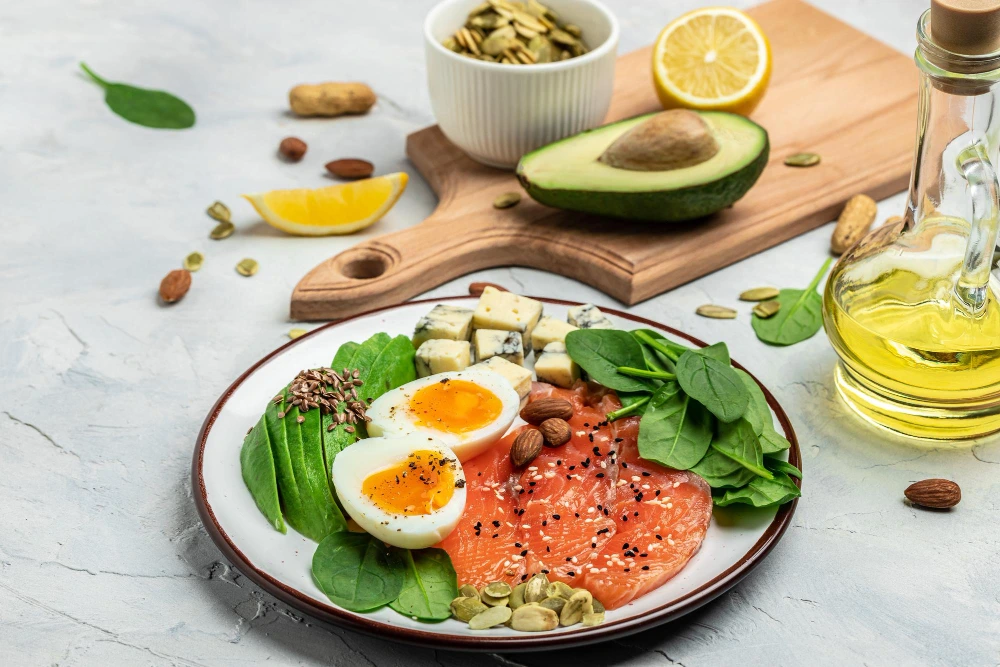
Here’s a sample 3-day meal plan to give you an idea of what a typical keto week might look like. Don’t forget to adjust the portion sizes to fit your individual calorie and macro needs.
Day 1
| Meal | Ideas |
| Breakfast | Scrambled eggs cooked in butter with spinach and shredded cheese |
| Lunch | Grilled chicken salad with mixed greens, cucumber, avocado, and olive oil dressing |
| Dinner | Baked salmon with a side of steamed broccoli and cauliflower rice drizzled with olive oil |
| Snack | A handful of almonds or a piece of cheese |
Day 2
| Meal | Ideas |
| Breakfast | Vegetable frittata with zucchini, bell peppers, onions, and cheese |
| Lunch | Tuna salad (canned tuna, mayonnaise, celery) served on a bed of lettuce |
| Dinner | Pan-seared steak with a side of asparagus sautéed in butter and garlic |
| Snack | Celery sticks with cream cheese or guacamole |
Day 3
| Meal | Ideas |
| Breakfast | Full-fat Greek yogurt with a handful of raspberries and flaxseeds |
| Lunch | Bunless cheeseburger with lettuce wrap, tomato, onion, and avocado |
| Dinner | Chicken stir-fry with low-carb vegetables (broccoli, bell pepper, mushrooms) cooked in coconut oil |
| Snack | A boiled egg or a few olives |
Tips for Succeeding on the Keto Diet
- Don’t just glance at the labels, actually read them carefully – those packaged foods can be hiding sugars or starches that’ll wreck your keto plans .
- Make sure to drink plenty of water. The keto diet can have some pretty intense diuretic side effects, so keeping yourself hydrated is super important .
- It’s a good idea to ease into the keto diet – doing it too quickly can make those first few weeks a lot more difficult than they need to be .
- Think about batch cooking your meals in advance – it’s easier to stay on track when you know exactly what you’re having for each meal .
- Look for ways to simplify familiar meals by swapping out high-carb ingredients for some extra veggies. It’s an easy way to keep things keto-friendly without feeling like you’re totally starting from scratch .
- Be prepared for the possibility that you might need to supplement with some extra sodium, potassium, and magnesium – it’s just something to be aware of .
Conclusion
The keto diet is a pretty extreme eating plan that’s basically all about cutting carbs and upping the fat content to get your body burn weight off fast – and it can have some serious benefits for people with diabetes and epilepsy. But, let’s be real, it’s not some magic bullet that you can just pick up and put to use without giving it some serious thought. It’s a pretty restrictive diet that requires careful planning, and it’s just not going to be right for everyone.
Before you try it, talk to your doctor or dietitian about whether it’s right for you. Ask them what they think and if it’s safe for you to do. They’ll help you set realistic goals, make sure you’re not missing out on any important nutrients, and help you plan a plan that will work for you in the long run.
