

A GI tag tells you that a product comes from a specific place and has qualities linked to that place. Darjeeling Tea, Kanchipuram Silk, Banarasi Saree and Aranmula Kannadi are all well-known GI-tagged products. India now has over 800 registered GIs, and new ones are added every year. Questions on GI tags are common in SSC, banking, railway and Kerala PSC exams. This article explains what a GI tag is, the law behind it, the state-wise list of important GI products, Kerala’s GI tags and the key facts you need for your exam.
What is a GI Tag?
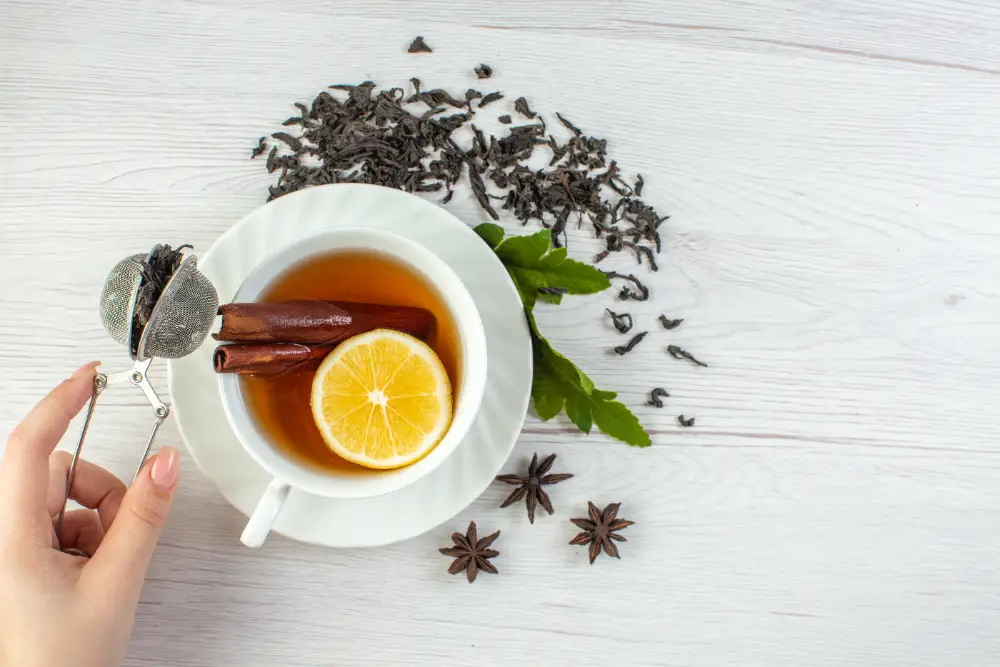
A Geographical Indication (GI) is a name or sign used on a product that comes from a particular geographical area. The product has a special quality, reputation or feature because of where it is made or grown. This may be due to the local climate, soil, raw materials or traditional skills of the people there.
A GI tag is a form of Intellectual Property Right (IPR). It stops people from outside the region from using the name for products that do not come from there. For example, only tea grown in the Darjeeling region can be sold as “Darjeeling Tea”.
GI Tag: Quick Facts
| Particulars | Details |
|---|---|
| Full Form | Geographical Indication |
| Law in India | Geographical Indications of Goods (Registration and Protection) Act, 1999 |
| Act came into force | 15 September 2003 |
| Ministry | Ministry of Commerce and Industry (DPIIT) |
| Administered by | Controller General of Patents, Designs and Trade Marks (Registrar of GIs) |
| GI Registry | Chennai, Tamil Nadu |
| Validity | 10 years (can be renewed again and again) |
| First GI tag in India | Darjeeling Tea (2004-05) |
| Total registered GIs | 831 (as of December 2025) |
| State with most GI tags | Uttar Pradesh (81, as of December 2025) |
| International framework | WTO’s TRIPS Agreement (Articles 22–24) and the Paris Convention |
GI Act, 1999
India passed the Geographical Indications of Goods (Registration and Protection) Act in 1999 as part of its duties under the WTO’s Agreement on Trade-Related Aspects of Intellectual Property Rights (TRIPS). The Act came into force on 15 September 2003. The GI Registry in Chennai handles all applications across India. The Office of the Controller General of Patents, Designs and Trade Marks acts as the Registrar of Geographical Indications.
Key features of the Act:
- Registration is valid for 10 years and can be renewed any number of times.
- Any association of producers, organisation or authority can apply for a GI tag.
- Producers in the region can register as “authorised users” of the GI.
- Misuse of a registered GI can lead to imprisonment of 6 months to 3 years and a fine of ₹50,000 to ₹2 lakh.
- A GI is a public right of the community. It cannot be sold, licensed or mortgaged like a trademark.
Categories of GI Tags

GI tags in India are given in five main categories. As of December 2025, the numbers were:
| Category | Registered GIs | Examples |
|---|---|---|
| Handicrafts | 445 | Kanchipuram Silk, Madhubani Painting, Aranmula Kannadi |
| Agricultural | 251 | Darjeeling Tea, Basmati Rice, Alleppey Green Cardamom |
| Food stuff | 66 | Tirupati Laddu, Bikaneri Bhujia, Hyderabadi Haleem |
| Manufactured | 64 | Mysore Sandal Soap, Goa Feni |
| Natural goods | 5 | Makrana Marble |
Top States with Most GI Tags
| Rank | State | GI Tags (Dec 2025) |
|---|---|---|
| 1 | Uttar Pradesh | 81 |
| 2 | Tamil Nadu | 76 |
| 3 | Maharashtra | 55 |
State-wise GI Tag List of India
Here are some of the most important GI-tagged products from each state:
| State / UT | Important GI Products |
|---|---|
| Andhra Pradesh | Tirupati Laddu, Kondapalli Toys, Banaganapalle Mangoes |
| Arunachal Pradesh | Arunachal Orange |
| Assam | Muga Silk, Joha Rice, Tezpur Litchi |
| Bihar | Madhubani Painting, Shahi Litchi, Mithila Makhana |
| Goa | Feni, Khola Chilli |
| Gujarat | Patan Patola, Gir Kesar Mango, Kutch Embroidery |
| Himachal Pradesh | Kullu Shawl, Kangra Tea, Chamba Rumal |
| Jammu & Kashmir | Kashmir Pashmina, Kashmiri Saffron, Kani Shawl |
| Karnataka | Mysore Silk, Mysore Sandal Soap, Channapatna Toys, Coorg Orange |
| Kerala | Aranmula Kannadi, Palakkadan Matta Rice, Alleppey Green Cardamom, Malabar Pepper |
| Madhya Pradesh | Chanderi Saree, Maheshwar Saree, Ratlami Sev |
| Maharashtra | Alphonso Mango, Nagpur Orange, Kolhapuri Chappal, Puneri Pagadi |
| Manipur | Kachai Lemon |
| Meghalaya | Khasi Mandarin |
| Mizoram | Mizo Chilli |
| Nagaland | Naga Mircha |
| Odisha | Odisha Rasagola, Kandhamal Haladi, Konark Stone Carving |
| Punjab | Phulkari |
| Rajasthan | Bikaneri Bhujia, Blue Pottery of Jaipur, Kota Doria, Makrana Marble |
| Sikkim | Sikkim Large Cardamom |
| Tamil Nadu | Kanchipuram Silk, Madurai Malli, Thanjavur Painting, Palani Panchamirtham |
| Telangana | Hyderabadi Haleem, Pochampally Ikat |
| Tripura | Tripura Queen Pineapple |
| Uttar Pradesh | Banarasi Saree, Lucknow Chikan Craft, Kannauj Perfume, Firozabad Glass |
| Uttarakhand | Uttarakhand Tejpat |
| West Bengal | Darjeeling Tea, Banglar Rasogolla, Joynagar Moa, Nakshi Kantha |
GI Tags of Kerala
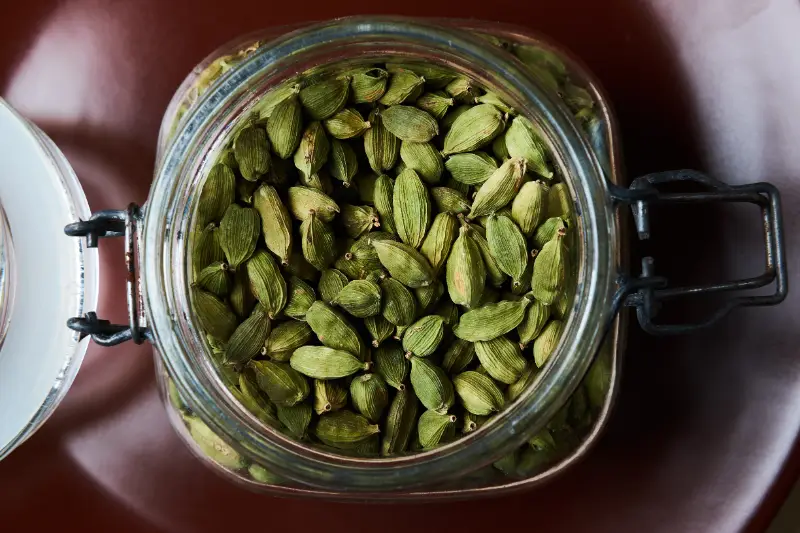
Kerala is one of the leading states in GI registrations. Aranmula Kannadi, the metal mirror from Pathanamthitta, was among the first GI products registered in India. In 2022-23, Kerala received the highest number of GI tags among all states. Important GI products of Kerala are:
| Category | Kerala GI Products |
|---|---|
| Handicrafts | Aranmula Kannadi, Payyannur Pavithra Ring, Brass Broidered Coconut Shell Craft, Screw Pine Craft, Alleppey Coir, Maddalam of Palakkad |
| Textiles | Balaramapuram Sarees, Kasaragod Sarees, Kuthampully Sarees, Chendamangalam Dhoties, Kannur Home Furnishings |
| Rice varieties | Palakkadan Matta, Navara, Pokkali, Kaipad, Wayanad Jeerakasala, Wayanad Gandhakasala |
| Spices & crops | Alleppey Green Cardamom, Malabar Pepper, Vazhakulam Pineapple, Chengalikodan Nendran Banana, Tirur Betel Leaf, Nilambur Teak |
| Jaggery | Marayur Jaggery, Central Travancore Jaggery |
| 2022-23 additions | Attappady Aattukombu Avara, Attappady Thuvara, Onattukara Ellu, Kanthalloor Vattavada Veluthulli, Kodungallur Pottuvellari |
Benefits of a GI Tag
- Legal protection: Stops others from misusing the product name.
- Better prices: Genuine GI products get higher prices in the market.
- Exports: GI products are easier to promote in global markets.
- Support for local communities: Helps farmers, weavers and artisans earn more.
- Protects traditional knowledge: Keeps old skills and crafts alive.
- Tourism: Brings visitors to the regions that make these products.
Recent Developments
- A 2025 amendment cut the GI filing fee by 80% and reduced the renewal fee from ₹3,000 to ₹500.
- Authorised users of GIs rose from 365 to about 29,000 in ten years (as of January 2025).
- The government aims for 10,000 GI registrations by 2030.
- The Department for Promotion of Industry and Internal Trade (DPIIT) is promoting GI products through exhibitions, e-commerce and exports.
Difference Between GI Tag and Trademark
| GI Tag | Trademark |
|---|---|
| Shows where a product comes from | Shows which company makes a product |
| Owned by a community of producers | Owned by an individual or a company |
| Cannot be sold or licensed | Can be sold, licensed or transferred |
| Linked to a geographical area | Not linked to any place |
Key Facts About GI Tags for Exams
- GI stands for Geographical Indication.
- India’s GI law is the Geographical Indications of Goods (Registration and Protection) Act, 1999.
- The Act came into force on 15 September 2003.
- The GI Registry is in Chennai.
- A GI registration is valid for 10 years and can be renewed.
- Darjeeling Tea was the first product in India to get a GI tag (2004-05).
- India had 831 registered GIs as of December 2025.
- Uttar Pradesh has the most GI tags (81), followed by Tamil Nadu (76) and Maharashtra (55).
- Handicrafts make up the largest category of GI tags.
- GI tags are covered under Articles 22–24 of the WTO’s TRIPS Agreement. See WIPO for global rules on GIs.
- Aranmula Kannadi was among the first GI products from Kerala.
Conclusion
GI tags protect India’s rich heritage of crafts, crops and foods. They help local producers earn better and keep traditional skills alive. With over 800 registered GIs, India is one of the leading countries in GI protection. For SSC CGL, IBPS PO and Kerala PSC LDC aspirants, the GI tag list is a must-know static GK topic. Revise the state-wise list and key facts above before your exam.
Our Offerings
Preparing for a government job? Explore Entri’s exam coaching programmes in Malayalam:
Preparing for a government job? Explore Entri’s exam coaching programmes in Malayalam:
| Exam Category | Our Offerings | Popular Exams |
|---|---|---|
| SSC Exams | SSC Coaching | SSC CGL, SSC CHSL, SSC GD, SSC MTS |
| Railway (RRB) Exams | RRB Coaching | RRB NTPC, RRB Group D, RRB Station Master |
| Bank Exams | Bank Exam Coaching | IBPS PO, SBI PO, IBPS Clerk, SBI Clerk |
| Kerala PSC Exams | Kerala PSC Coaching | LDC, LGS, 10th Level, Degree Level |
| Kerala Teaching Exams | Kerala Teaching Exam Coaching | KTET, SET, HSST, HSA, LP/UP Assistant |
| Kerala Technical Exams | KPSC Technical Exam Coaching | Civil, Mechanical, Electrical, Electronics, Overseer |
