Table of Contents
What computer vision engineers primarily do is design AI systems. This enables machines to interpret as well as analyze visual data like humans do. It is done making use of technologies like OpenCV, Python and deep learning frameworks. In the current digital landscape where these professionals act as a bridge between software engineering and visual intelligence. They also power applications from autonomous vehicles and smart surveillance to healthcare diagnostics. Reports point to an increase in demand for AI specialists with 35% in particular for computer vision engineers.
New to Robotics? Start from the Basics. Join Now!
Key Takeaways
- The people who give computers the power to look at & make sense of images and video are called Computer Vision Engineers. They’re the ones who bring the magic to life.
- There are loads of companies relying on these engineers – think self-driving cars, healthcare tech, robots, shops and manufacturing lines – just about anywhere you look there’s a CV engineer behind the scenes making the tech work.
- To get the job as a CV engineer you’ll need to be on top of Python and C++ – super proficient would be good. You’ll also need to know your way around OpenCV and either TensorFlow or PyTorch and have a solid grasp of deep learning. Plus – let’s not forget the maths – you need to have a strong foundation in the stuff.
- In India, salaries for CV engineers when you are starting out can start at around ₹6 LPA and work their way up to ₹50 LPA for someone with some serious experience.
- If you want to stand a chance you are going to need to get something tangible under your belt – that means building some projects, getting certified in the field and building up a portfolio so you can show people what you’ve got.
What is a Computer Vision Engineer?

A Computer Vision Engineer develops algorithms, which enable computers to analyze, interpret and understand images or videos in a way similar to human vision. They specialize in areas like image segmentation, object detection and facial recognition. All this enables intelligent machines to perceive their surroundings. Computer vision has become critical in industries like robotics, manufacturing, healthcare and autonomous driving as automation and AI technologies are taking hold across industries.
In short, Computer Vision Engineers train machines to see, understand and respond to visual data with machine learning and deep learning models.
Common Applications of Computer Vision
| Industry | Example Application |
| Autonomous Vehicles | Real-time obstacle detection and lane tracking |
| Healthcare | Tumor detection in MRI or CT scans |
| Robotics | Pick-and-place automation in factories |
| Retail | Facial recognition and customer behaviour analysis |
| Security | Smart surveillance and anomaly detection |
| Agriculture | Crop health monitoring using drone imagery |
Master Robotics and AI!
Ready to build the future? Join our comprehensive robotics course to bridge the gap between complex code and physical motion. You’ll gain hands-on experience giving you the technical edge needed to lead in the age of automation.
Know MoreKey Roles and Responsibilities of a Computer Vision Engineer
As stated above, a Computer Vision Engineer designs, trains and deploys machine learning models that can process and interpret visual data. They need to work across the full development lifecycle that includes collecting image datasets and deploying models in real-world systems. They often need to optimize algorithms for real-time performance and integrate AI models with hardware devices like cameras, drones and robots as such.
| Responsibility | Description | Tools / Frameworks |
| Data Annotation & Pre-processing | Cleaning, labelling, and preparing image datasets | LabelImg, CVAT, TensorFlow Datasets |
| Model Development | Building models for detection, classification, segmentation | PyTorch, TensorFlow, OpenCV, YOLO |
| Performance Optimization | Improving speed and accuracy for production systems | TensorRT, ONNX |
| Integration & Testing | Deploying models into robotics or camera systems | ROS, Docker |
| Collaboration | Working with AI engineers, product teams, and data scientists | Git, Jira |
Real-World Example
Car companies working on autonomous vehicles need Computer Vision Engineers to help create systems that can pick out pedestrians, road signs and traffic lights in real-time. And in hospitals, computer vision is being used to help doctors spot problems in medical scans with a high degree of accuracy.
Essential Skills Required for Computer Vision Engineers

Getting a job as a Computer Vision Engineer isn’t just about writing a few lines of code – you’ll need to have a solid foundation in programming, deep learning and maths, and that’s just the technical bit. You’ll also need to be good at being analytical and solving problems – it’s the only way you’ll be able to build scalable solutions that work.
Research is pretty clear on this one: 85% plus of the job listings for computer vision jobs want to see Python and OpenCV skills on your resume. So if you want to get on in the field, those are two skills you’ll definitely need to focus on.
| Category | Top Skills | Proficiency Level |
| Programming | Python, C++, MATLAB | Advanced |
| Computer Vision Libraries | OpenCV, Pillow, scikit-image | Expert |
| Machine Learning / Deep Learning | TensorFlow, PyTorch, Keras | Advanced |
| Mathematics | Linear Algebra, Calculus, Probability | Intermediate to Advanced |
| Soft Skills | Problem-solving, collaboration, analytical thinking | Essential |
Recommended Learning Path
Beginner Level
- Python programming
- NumPy and Matplotlib
- Basic image processing
Intermediate Level
- Convolutional Neural Networks (CNNs)
- Object detection models
- Transfer learning
Advanced Level
- Generative Adversarial Networks (GANs)
- 3D Computer Vision
- Vision Transformers and multi-modal AI
Computer Vision Engineer Salary and Career Growth

Well, the increasing demand for the Computer Vision Engineers does suggest a positive influence on the earning potential. These professionals earn highly competitive salaries in India as is globally. Reports point to about 15% to 20% growth in the annual salary, particularly in fast-growing sectors like robotics and autonomous systems.
Salary Overview
| Experience Level | India Salary (₹ LPA) | US Salary ($K) | Top Companies |
| Fresher (0 to 2 years) | 6 to 12 | 90 to 120 | Infosys, TCS |
| Mid-Level (3 to 5 years) | 12 to 25 | 120 to 160 | Bosch, NVIDIA |
| Senior (6+ years) | 25 to 50+ | 160 to 220 | Google, Tesla |
Career Growth Path
- Computer Vision Intern
- Junior Computer Vision Engineer
- Computer Vision Engineer
- Senior Computer Vision Engineer
- AI Architect / Computer Vision Lead
- Director of AI / Machine Learning
Professionals can take their careers to the next level in robotics engineering, AI research or leadership roles in machine learning, once they’ve got some experience under their belts.
Master Robotics and AI!
Ready to build the future? Join our comprehensive robotics course to bridge the gap between complex code and physical motion. You’ll gain hands-on experience giving you the technical edge needed to lead in the age of automation.
Know MoreHow to Become a Computer Vision Engineer
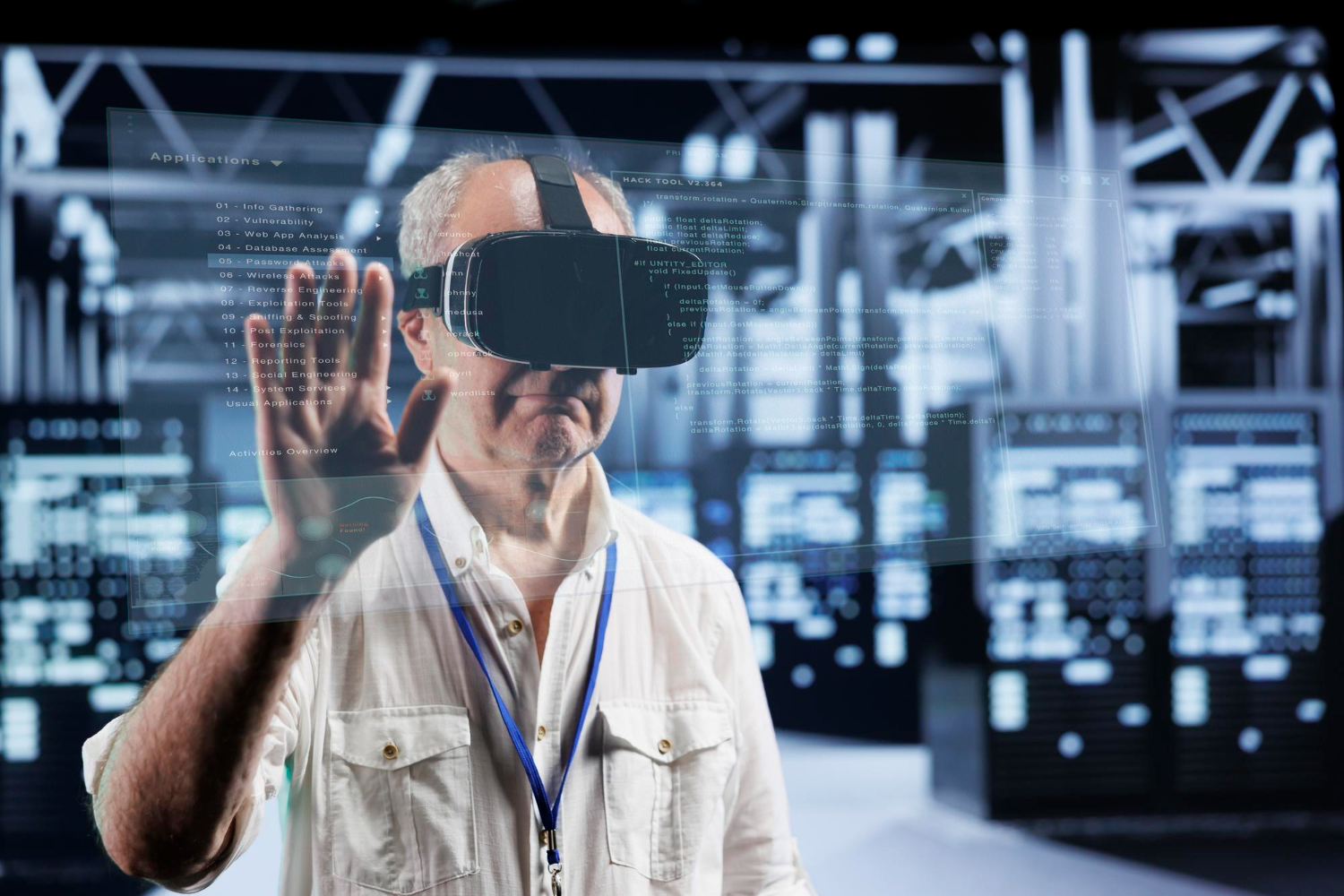
To become a Computer Vision Engineer though, you’ve got to combine a solid education with some hands-on experience and industry-recognised certifications. Now a degree in Computer Science, AI or Robotics can definitely give you a good grounding in the basics, but what really impresses employers are practical skills – and that’s where project portfolios come in.
Did you know that about 60% of AI recruitment decisions are actually based on the quality of a candidate’s portfolio and real-world projects rather than where they went to university?
Step-by-Step Guide
- Get a solid foundation in maths and programming – the basics of computer science.
- Learn Python and get to grips with OpenCV – the industry standard for computer vision.
- Study up on deep learning and all the concepts that come with it – like convolutional neural networks and image classification.
- Get stuck into some real-world projects – like face detection or object tracking.
- Get certified for internships in AI or robotics companies.
- Build yourself a GitHub portfolio that really showcases your work.
- And then, start looking for a role – on LinkedIn or Naukri, or pretty much anywhere else that’s relevant.
Learning Resources
| Resource | Type | Purpose |
| Entri Computer Vision Course | Online Training | Structured CV learning |
| Kaggle Datasets | Practice Platform | Work with real datasets |
| OpenCV Documentation | Technical Guide | Learn image processing |
| ROS Tutorials | Robotics Framework | Integrate CV with robots |
New to Robotics? Start from the Basics. Join Now!
Conclusion
Computer Vision Engineering is shaping up to be a game-changer – robots are learning faster, automation is taking a huge leap forward, and more and more systems are coming to depend on the power of AI and computer vision – no wonder companies are competing fiercely to snag the best computer vision talent.
If you’re eyeing a career in AI and robotics, then getting into Computer Vision could be the secret to landing a top-paying tech job with a whole bunch of possibilities on the horizon – as long as you get yourself the right training and mentorship, of course. With that in place, you’ve got the potential for a really bright and secure future ahead.
|
RELATED POSTS |
|
|
Skills Needed for a Successful Career in Robotics Engineering |
|
|
What is Robotics? A Beginner’s Guide to Understanding Robotics |
|
Master Robotics and AI!
Ready to build the future? Join our comprehensive robotics course to bridge the gap between complex code and physical motion. You’ll gain hands-on experience giving you the technical edge needed to lead in the age of automation.
Know MoreFrequently Asked Questions
What qualifications are you looking at to land a job as a Computer Vision Engineer?
Generally a degree in Computer Science, AI, Robotics or Data Science is what most have but having practical experience with Machine Learning projects and getting some certifications can also be a big plus when job-hunting.
What tools will be used in the field of Computer Vision?
Some of the most common tools you’ll be using as a Computer Vision Engineer are OpenCV, PyTorch, TensorFlow, YOLO, ROS and Docker – almost like a swiss army knife to get the job done.
What is Computer Vision Engineer salaries in India?
Freshers can pretty much expect to earn between ₹6 lakhs per annum and that jumps up to ₹40 lakhs plus for the more experienced pros.
Computer Vision vs Machine Learning - what's the big difference?
Machine Learning is a pretty broad field that deals with figuring out patterns in data in general – whereas Computer Vision is all about interpreting visual information – like what objects are in a photo.
Do you need to be a math whiz to be a Computer Vision Engineer?
Yes. You’ll need to be good with at least the basics of linear algebra, prob & stats and calculus if you want to build or optimize deep learning models.
What projects should beginners be working on?
Simple projects like building a face detector, object recognition system or image classifier are good starting points – gets you up to speed.
Is Computer Vision a subfield of AI?
You bet – Computer Vision is a subfield of AI that enables computers to interpret visual data – pretty cool stuff.
How long does it take to get to grips with Computer Vision?
If you’re consistent with learning and working on projects you can gain a solid foundation in 6-12 months.
Do Computer Vision Engineers mess around with hardware?
You bet – usually integrating AI models with cameras, drones, robotics systems, or IoT devices is a big part of the job.
Can non CS students become Computer Vision Engineers?
Absolutely – if you’ve got a good grasp of programming and AI concepts you can sort of transition between roles.