Table of Contents
Key Takeaways:
- Germany faces a serious skilled trades shortage in 2026, especially in plumbing, electrical work, and carpentry.
- New immigration tools like the Opportunity Card and updated Skilled Worker regulations make it easier than ever for non-EU tradespeople to enter, job hunt, and settle in Germany.
- Work culture in Germany combines structure, fair pay, strong job security, and genuine work-life balance, supported by robust social security and healthcare systems.
- Learning German – ideally B1–B2 or higher – massively improves your chances of getting hired, especially in skilled trades, and Entri’s German course is tailored to that need.
- A German work and residence permit gives you Schengen-area mobility, opening doors for both travel and long-term European career opportunities.
Introduction
Imagine stepping into a well-equipped workshop, finishing a day’s work as an electrician or plumber, and then enjoying a weekend exploring the Alps, a bustling city, or a peaceful countryside—while earning a stable salary and enjoying top-notch work-life balance. For thousands of skilled tradespeople in 2026, this is not a fantasy; it’s everyday life in Germany.
Germany is facing a major shortage of skilled tradespeople, and the country is actively opening doors for international electricians, plumbers, carpenters, and other craftsmen. If you have solid vocational training and experience, Germany’s skilled trades sector is one of the best places to build a long-term, rewarding career right now.
 Why Germany is the Top Choice for Skilled Trades in 2026
 Why Germany is the Top Choice for Skilled Trades in 2026
1: How do you say "Good Morning" in German?
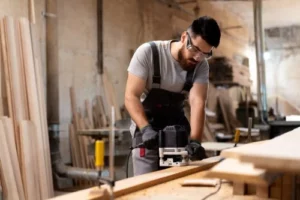
Germany’s economy runs on the backbone of its skilled trades—electricians, plumbers, carpenters, and builders are essential for everything from housing and infrastructure to advanced manufacturing and green energy projects.
- The country is struggling to fill these roles domestically, so international tradespeople are in high demand and are welcomed with streamlined visa routes.
- Germany offers strong worker rights, competitive salaries, and long-term job security, making it an attractive destination for skilled professionals.
- The German vocational system (Ausbildung) is highly respected, and international workers with equivalent training can integrate smoothly.
- Germany has recently announced a major increase in their minimum wages. The increase is scheduled to be in effect in two phases – 2026 and 2027.
You might also like: Top Industries and Career Opportunities in Germany
Free German A1 Mock Tests – Powered by AI!
Test your skills on our interactive platform. Get instant feedback from our AI to help you communicate better and track your progress. Start your free German mock test now.
Test Your German A1 for FreeWhat Skilled Trades Are in Highest Demand in Germany?
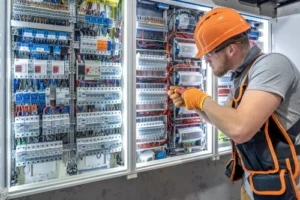
In 2026, Germany’s biggest shortages are in skilled trades, especially electricians, plumbers, and carpenters.
- Electricians: Needed for housing, industrial installations, and the transition to smart buildings and renewable energy systems (solar, heat pumps, EV charging).
- Plumbers: Critical for modern plumbing, heating, and sanitation systems, with growing demand in both urban and rural areas.
- Carpenters: Required for housing, renovations, and custom construction projects, especially in fast-growing cities and suburban regions.
Salary Comparison Table: Skilled Trades in Germany (2026)
| Trade | Average Annual Salary (€) | Entry-Level (€) | Senior Level (€) | Major Cities (€) |
|---|---|---|---|---|
| Electrician | 44,000 – 55,000 | 35,000 | 65,000 | Munich, Berlin, Hamburg |
| Plumber | 32,000 – 44,000 | 25,000 | 55,000 | Frankfurt, Cologne, Stuttgart |
| Carpenter | 32,000 – 48,000 | 28,000 | 59,000 | Berlin, Munich, Hamburg |
Why Choose Germany for Skilled Trades?
- Germany’s skilled trades are part of a highly respected vocational system (Ausbildung), and international workers with equivalent training can integrate smoothly.
- The country offers clear paths from work visas to permanent residency and long-term settlement, making it ideal for those seeking stability.
- Tradespeople are valued and respected, with opportunities for career advancement and higher earnings as you gain experience and language skills.
|
German A2 Exercises – Download Free PDF |
||
Free German A1 Mock Tests – Powered by AI!
Test your skills on our interactive platform. Get instant feedback from our AI to help you communicate better and track your progress. Start your free German mock test now.
Test Your German A1 for FreeWhere Are the Best Cities for Skilled Trades in Germany?
Germany’s job market for skilled trades is strong across the country, but some regions have higher demand.
- Berlin, Hamburg, Munich: High demand in urban housing and construction projects.
- Stuttgart, Frankfurt, Cologne: Strong in industrial and manufacturing sectors, with plenty of opportunities for electricians and plumbers.
- Smaller towns and rural areas: Many local trade businesses are struggling to find staff, making these regions especially welcoming for skilled tradespeople.
What Skills and Qualifications Are Needed?
Germany expects a mix of formal qualification, practical experience, and at least basic German language skills.
- Vocational training (ITI, diploma, apprenticeship) or equivalent qualification is essential.
- At least 2+ years of experience in your trade is usually required for visa eligibility.
- German language at B1–B2 level is highly valued, especially for customer-facing roles, but English may be sufficient for some industrial jobs.

How Does the Opportunity Card Help Skilled Tradespeople?
The Opportunity Card (Chancenkarte) is a new residence permit that lets non-EU skilled workers move to Germany for up to one year to search for a job, even without a pre-arranged offer.
- It uses a points-based system that rewards qualifications, work experience, age, and language skills.
- Basic requirements typically include at least two years of vocational training, proof of funds, and language skills.
- While searching for a job, holders can usually work part-time or take trial jobs, which greatly increases their chances of securing a full-time contract.
What Other Visa and Immigration Options Exist?
Alongside the Opportunity Card, Germany offers several other routes for skilled tradespeople.
- Skilled Worker Visa (Section 18a/18b): For people with recognised vocational training and a concrete job offer in Germany.
- EU Blue Card: For highly qualified professionals, especially in technical fields with a minimum salary threshold (€45,630–€55,770 in 2026).
- Job Seeker Visa / Opportunity Card variants: For coming to Germany to look for work within a set period, with funding proof and language skills.
You might also like: Opportunities in Other Countries After Learning German
|
Goethe 2026 Exam Dates: Multiple Test Centers |
|
| Trivandrum Goethe Exam Dates | Kochi Goethe Exam Dates |
| Chennai Goethe Exam Dates | Coimbatore Goethe Exam Dates |
How Do You Find and Apply for Skilled Trades Jobs in Germany?
Most jobs are advertised online, but networking still plays a huge role in Germany’s “hidden job market”.
- Major job portals: StepStone, Indeed.de, Arbeitsagentur (Federal Employment Agency), and specialized portals for trades.
- Company websites and regional portals: Many Mittelstand (SME) firms prefer listing jobs only on their own sites or local platforms.
- Professional networks: XING(German LinkedIn), LinkedIn, and trade chambers, especially for skilled trades.
Application tips:
- Use a clear, one–two page CV in European style, with dates, responsibilities, and technologies/tools clearly listed.
- Tailor your cover letter to each company, briefly explaining your skills, language level, and motivation to relocate long term.
- Be prepared for a structured hiring process that can take 4–6 weeks, often including document checks, a technical interview, and sometimes a case study or trial day.
What Is Work Culture and Lifestyle Like for Tradespeople in Germany?
Germany is known for a disciplined yet surprisingly balanced work environment that respects your time outside the workshop or site.
- Structured and efficient: Meetings start on time, roles are clearly defined, and planning is taken seriously – which actually reduces overtime.
- Strong work-life balance: Working hours are regulated, with a maximum weekly limit and generous vacation (often 25–30 days per year plus public holidays).
- High job security and protections: Strict labor laws make arbitrary dismissal difficult and ensure fair contracts and social security coverage.
Lifestyle benefits:
- Excellent public transport, healthcare, and schooling options, making it attractive for families.
- Clean cities, plenty of green spaces, and easy access to nature, mountains, and lakes.
- Multicultural cities where expats can find communities, international food, and English-speaking support while they gradually improve German.
How Does the Schengen Visa Benefit Skilled Tradespeople?
Working legally in Germany generally means you hold a residence and work permit that also gives you Schengen-area mobility.
- Travel across 25+ Schengen countries without separate visas for short stays – ideal for business trips, networking events, and quick getaways.
- Easier access to interviews or training in nearby European countries if your company or industry operates internationally.
- Exposure to a wider European job market over time, while you still keep Germany as your base for long-term stability.
How Important Is Learning German for Skilled Trades?
You can start a career in Germany with basic German in some industrial roles, but for skilled trades like plumbing, electrical work, and carpentry, German is a game-changer – and often essential.
- Skilled trades involve daily communication with customers, colleagues, and site managers, so B1–B2 German is highly valued and often expected after you arrive.
- Even if you join an English-friendly company, German helps with integration, promotions, and long-term settlement.
Entri’s German Language Course: Your Shortcut to Employability
Entri offers an online German language course covering A1 to C2 levels, with live interactive sessions, recorded classes, mock tests, and Goethe-exam-oriented training.
How this helps your career in Germany, especially in skilled trades:
- Structured path from beginner to advanced, aligned with CEFR levels and Goethe exams that German employers and authorities recognise.
- Focus on real-life communication – listening, speaking, reading, and writing – so you can handle customer conversations, team discussions on site, and technical instructions confidently.
- Practical benefits:
- B1–B2 German helps you understand safety briefings, contracts, and client expectations, which can lead to faster promotions and higher pay.
- Flexible schedules and local-language tutors make it easy to prepare for Germany while still managing your current job or studies.
Conclusion
If you are a skilled tradesperson—whether in plumbing, electrical work, or carpentry—2026 is a rare window where Germany truly needs you more than you need it. The combination of worker shortages, pro-immigration policies, strong salaries, work-life balance, and Schengen mobility makes Germany one of the best countries to bet your future on right now. With the right mix of qualifications, a clear visa pathway, and committed German language learning (through platforms like Entri), your skills can translate into a stable, well-paid, and deeply rewarding life in the heart of Europe.
Free German A1 Mock Tests – Powered by AI!
Test your skills on our interactive platform. Get instant feedback from our AI to help you communicate better and track your progress. Start your free German mock test now.
Test Your German A1 for FreeFrequently Asked Questions
Can I get a job in Germany as a plumber, electrician, or carpenter in 2026?
Yes, these trades are among the most in-demand occupations, and Germany is actively recruiting international tradespeople due to domestic shortages. You will need a recognised vocational qualification, some experience, and at least basic German, with better opportunities if you reach B1–B2 level.
Do I need German language skills to work in Germany?
For skilled trades, German is essential, often at B1–B2 level, especially for customer-facing roles. For industrial or factory jobs, English may be enough, but German is a major advantage.
What are typical salary levels for skilled tradespeople?
Mid-career tradespeople such as electricians, plumbers, and carpenters often earn around €35,000–€55,000 per year, depending on region and experience.
How long does the hiring process usually take?
Hiring processes in Germany are structured and can take 4–6 weeks, including application screening, interviews, and contract finalisation. Delays don’t always mean rejection; companies often move carefully, especially for international hires who need visa support.
Can I move to Germany without a job offer?
Yes. The Opportunity Card allows eligible skilled workers to move to Germany for up to one year to look for a job, provided they meet points criteria based on qualifications, experience, age, and language skills. During that period, you can usually work part-time or in trial roles to increase your chances of landing a full-time job.