Table of Contents
Key Takeaways:
- Early years matter most – ECCE builds the foundation for a child’s cognitive, emotional, and social development.
- Holistic growth – Quality early education improves learning ability, behavior, and school readiness.
- Parental role is crucial – Active involvement at home enhances a child’s early learning experience.
- India offers diverse ECCE options – From Anganwadis to private preschools, choices vary in quality and approach.
- Right preschool matters – A safe, nurturing, and stimulating environment is key to a child’s future success.
Every child’s journey of learning begins long before formal schooling starts. The early years are a time of rapid growth, where children develop basic skills like thinking, speaking, and interacting with others. This is where Early Childhood Care and Education (ECCE) becomes important.
In India, more parents are now understanding the value of giving their children a strong start through quality early education. It not only prepares children for school but also helps in building confidence, creativity, and social skills. A good early learning environment can shape how a child learns, behaves, and adapts in the future.
ECCE is not just about teaching alphabets and numbers. It focuses on the overall development of a child—emotional, physical, social, and mental. Activities like play, storytelling, and group interaction help children learn in a natural and enjoyable way.
In this blog, we will explore what ECCE is, why it matters for your child’s development, the benefits it offers, and the important role parents play. We will also look at the different early education options available in India and guide you in choosing the right preschool for your child.
What is Early Childhood Care and Education (ECCE)?
Early Childhood Care and Education (ECCE) refers to the care, learning, and development support given to children from birth up to around 6 years of age. This stage is very important because a child’s brain develops rapidly during these early years, forming the base for future learning and behavior.
ECCE is not just about teaching children how to read or write at a young age. It focuses on the overall growth of the child. This includes developing thinking skills, language abilities, emotions, physical health, and social skills. Children learn best during this stage through play, simple activities, storytelling, music, and interaction with others.
A good ECCE program provides a safe, caring, and stimulating environment where children feel happy and confident to explore and learn. It encourages curiosity, creativity, and independence. Teachers and caregivers play a key role by guiding children in a gentle and supportive way.
In India, ECCE is offered through different settings such as Anganwadi centers, preschools, daycare centers, and kindergarten programs. These programs help children get ready for formal schooling by building basic skills like listening, speaking, sharing, and problem-solving.
Why Early Childhood Education is Important for Child Development
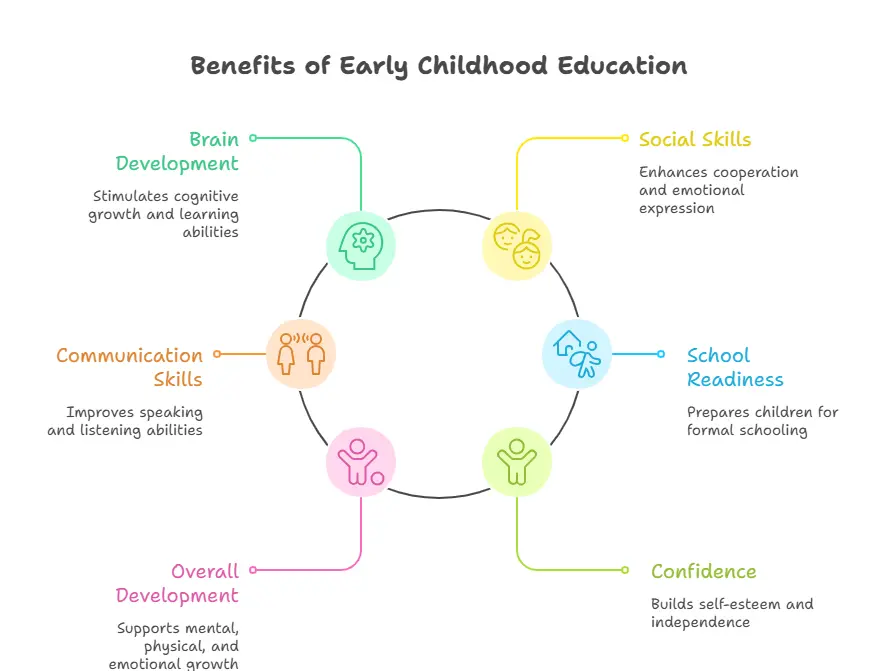
Early childhood education plays a powerful role in shaping a child’s future. The first few years of life are when children learn the fastest, and the experiences they have during this time can influence how they think, feel, and behave as they grow. Here’s why it is so important:
1. Builds Strong Brain Development
A child’s brain develops rapidly in the early years. During this time, children start understanding language, recognizing patterns, and learning new skills. Early education helps stimulate the brain through play, activities, and interaction, making learning easier in later years.
2. Improves Social and Emotional Skills
Children learn how to share, cooperate, and express their feelings in a healthy way. Being around other children and teachers helps them build relationships and develop confidence. These skills are important not just in school, but in everyday life.
3. Encourages Better Communication Skills
Early education helps children improve their speaking and listening abilities. Through stories, conversations, and group activities, children learn how to express their thoughts clearly and understand others better.
4. Prepares Children for School
Children who attend early education programs are better prepared for formal schooling. They become familiar with routines, classroom settings, and basic learning concepts, which makes the transition to primary school smoother and less stressful.
5. Supports Overall Development
Early childhood education focuses on the complete growth of a child—mental, physical, emotional, and social. Activities like drawing, playing, and storytelling help in developing creativity, coordination, and problem-solving skills.
6. Builds Confidence and Independence
When children learn new things and interact with others, they become more confident. They start doing small tasks on their own, which helps them feel independent and capable.
Key Benefits of Early Childhood Education
Early childhood education provides children with a strong and positive start in life. It helps shape their personality, learning ability, and overall development in a gentle and supportive way. Here are some important benefits:
1. Develops Thinking and Problem-Solving Skills
At a young age, children are naturally curious. Early education encourages them to ask questions, explore, and find simple solutions. This helps improve their thinking ability and builds a strong base for future learning.
2. Enhances Language and Speaking Skills
Children learn new words and ways to express themselves through daily conversations, songs, and stories. This improves their ability to communicate clearly and understand others better.
3. Builds Positive Social Behavior
By spending time with other children, they learn how to behave in a group. Simple habits like sharing, helping others, and waiting for their turn become part of their routine.
4. Creates a Love for Learning
When learning is fun and engaging, children begin to enjoy it. Early education introduces learning through play and activities, making children more interested and motivated to learn as they grow.
5. Strengthens Focus and Discipline
Following simple instructions, routines, and activities helps children improve their attention span. They learn to complete tasks and stay focused for longer periods.
6. Encourages Self-Confidence
As children learn new things and achieve small goals, they feel proud of themselves. This builds confidence and motivates them to try new activities without fear.
7. Supports Healthy Habits
Early education also teaches basic habits like cleanliness, proper eating, and simple daily routines. These habits play an important role in a child’s overall well-being.
8. Helps in Smooth Transition to School Life
Children become comfortable with a structured environment before entering formal schooling. This makes it easier for them to adjust and reduces anxiety during the early school years.
Role of Parents in Early Childhood Learning
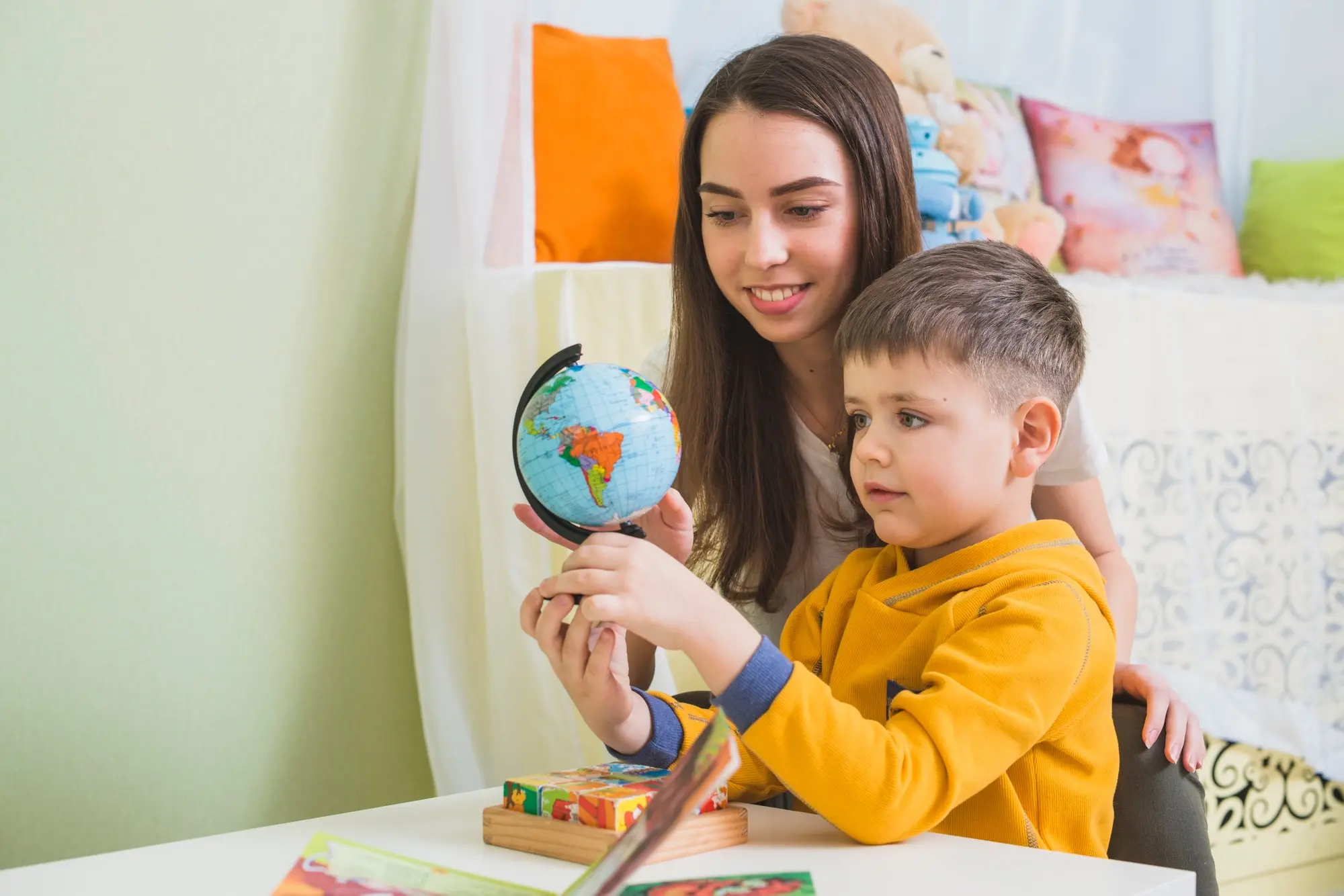
Parents play the most important role in a child’s early learning journey. A child’s first lessons begin at home, and parents are their first teachers. The way parents talk, play, and spend time with their children has a big impact on how they learn and grow.
1. Creating a Loving and Safe Environment
Children learn best when they feel safe and cared for. When parents show love, patience, and support, children feel confident to explore the world around them. A positive home environment helps in healthy emotional development.
2. Encouraging Learning Through Daily Activities
Learning doesn’t always need books. Simple activities like talking, storytelling, singing, or even helping with small household tasks can teach children many things. These everyday moments help children understand language, numbers, and basic life skills.
3. Spending Quality Time Together
Spending time with children is very important. Playing games, reading stories, or just having conversations helps build a strong bond. It also improves the child’s communication and social skills.
4. Supporting Curiosity and Questions
Children often ask many questions, and it is important for parents to listen and respond patiently. Encouraging curiosity helps children think, explore, and learn new things with interest.
5. Building Good Habits and Routines
Parents help children develop simple habits like eating on time, keeping things organized, and following a daily routine. These habits bring discipline and make children feel secure.
6. Being a Role Model
Children learn by observing their parents. When parents show kindness, respect, and good behavior, children naturally follow the same. Positive actions at home shape a child’s personality.
7. Working Together with Teachers
Parents should stay connected with teachers and understand how their child is learning. This helps in supporting the child better both at home and in school.
Early Childhood Education Programs in India
Early Childhood Care and Education (ECCE) in India is supported by both government and private efforts. These programs aim to provide young children with a strong foundation in learning, health, and overall development during their early years.
1. Anganwadi Centers (ICDS Scheme)
One of the most important government initiatives is the Anganwadi system under the Integrated Child Development Services (ICDS). These centers are mainly set up in rural and low-income areas to support children below six years.
Anganwadi centers provide basic preschool education along with nutritious food, health check-ups, and immunization support. They also guide mothers on child care and nutrition. This program plays a key role in improving both education and health among young children.
2. National Education Policy (NEP) 2020
The National Education Policy 2020 has given special importance to early childhood education. It introduced the Foundational Stage, which covers children aged 3 to 8 years.
This stage focuses on play-based and activity-based learning instead of memorizing concepts. The aim is to build strong basic skills like reading, writing, and understanding numbers in a simple and enjoyable way.
3. Private Preschools and Kindergartens
In urban areas, many parents choose private preschools and kindergartens for their children. These schools often have better facilities, trained teachers, and structured learning programs.
They follow different teaching methods such as Montessori, play-way, and activity-based learning. These approaches help children learn through fun activities, making education more engaging and effective.
4. Daycare and Early Learning Centers
Daycare centers are helpful for working parents. Along with taking care of children, many daycare centers also include early learning activities.
These centers provide a safe and supportive environment where children can learn basic skills, interact with others, and follow a daily routine.
5. NGO and Community-Based Programs
Many non-governmental organizations (NGOs) work to improve early childhood education in rural and underserved areas.
These programs focus on spreading awareness, training teachers, and providing learning materials. They help bridge the gap where access to quality education is limited.
6. Challenges in ECCE Programs
Even though there are many programs available, some challenges still exist. In some areas, there may be a lack of trained teachers, proper facilities, or awareness among parents. The quality of education can also vary between regions.
7. Growing Importance of ECCE in India
Today, there is increasing awareness about the importance of early childhood education in India. Both the government and private sector are working to improve access and quality.
With better policies and growing parental awareness, ECCE programs are becoming more effective in shaping a child’s future.
Choosing the Right Preschool for Your Child
Choosing the right preschool is an important decision for every parent. It is the place where your child begins their learning journey outside the home. A good preschool can help your child feel safe, happy, and excited to learn.
1. Safe and Comfortable Environment
The first thing to check is whether the preschool is safe and child-friendly. The classrooms should be clean, bright, and well-organized. Safety measures like secure entry, clean washrooms, and proper supervision are very important. A comfortable environment helps children feel relaxed and ready to learn.
2. Qualified and Caring Teachers
Teachers play a big role in a child’s early learning. Look for preschools with trained and experienced teachers who are kind, patient, and understanding. A good teacher knows how to handle children gently and encourage them to learn without pressure.
3. Learning Through Play
At this age, children learn best through play and activities. Choose a preschool that follows play-based or activity-based learning instead of strict academic teaching. Activities like storytelling, drawing, singing, and games make learning fun and meaningful.
4. Child-Friendly Curriculum
The curriculum should focus on overall development, not just reading and writing. It should include activities that improve language skills, creativity, physical movement, and social interaction. A balanced approach helps children grow in all areas.
5. Good Teacher-Child Ratio
A smaller number of children per teacher ensures that each child gets proper attention. This helps teachers understand each child’s needs and support them better.
6. Cleanliness and Hygiene
Hygiene is very important for young children. Make sure the preschool maintains cleanliness in classrooms, play areas, and washrooms. Healthy surroundings help prevent illness and keep children active.
7. Positive Reviews and Reputation
Talking to other parents and checking reviews can give you a better idea about the preschool. A good reputation often means that the school provides quality care and education.
8. Location and Convenience
Choose a preschool that is close to your home. A shorter travel time helps reduce tiredness and makes the daily routine easier for both parents and children.
9. Communication with Parents
A good preschool keeps parents informed about their child’s progress and daily activities. Regular communication builds trust and helps parents stay involved in their child’s learning.
10. Your Child’s Comfort
Most importantly, observe how your child feels about the preschool. If your child is happy, comfortable, and shows interest in going to school, it is a good sign that you have made the right choice.
Register for the Entri Elevate Montessori Teacher Training Program! Join Now!
Conclusion
Early Childhood Care and Education is one of the most important steps in a child’s life. The early years are not just about learning small things, but about building the base for future growth and success. When children receive the right care, support, and learning experiences, they grow into confident and capable individuals.
In India, with growing awareness and better education options, parents now have more opportunities to give their children a strong start. From choosing the right preschool to being actively involved in daily learning, every small effort makes a big difference.
| Also Read | |
| What Are Early Childhood Education Programs in India Like? | Foundation Activities to Help Kids Improve Their Math Skill |
| Montessori Or Kindergarten? Key Features and Benefits Compared | Is Montessori Certification Worth It in Kerala? |
Get Certified & Start Your Montessori Career
Montessori Teacher Training Course by Entri App: Gain expert skills, earn certification, and kickstart your teaching career.
Join Now!Frequently Asked Questions
. What is Early Childhood Care and Education (ECCE)?
Early Childhood Care and Education (ECCE) refers to the care, learning, and development support given to children from birth to around 6 years. It focuses on their overall growth, including physical, emotional, social, and cognitive development.
Why is early childhood education important in India?
Early childhood education is important in India because it builds a strong foundation for a child’s future learning, behavior, and health. It helps children develop essential skills like communication, problem-solving, and social interaction from a young age.
What is the right age for children to start preschool?
Children can usually start preschool between 2.5 to 3 years of age. However, the right time depends on the child’s readiness, ability to interact with others, and comfort in a new environment.
What are the benefits of early childhood education?
Early childhood education improves learning ability, communication skills, social behavior, and emotional development. It also prepares children for formal schooling and builds confidence and independence.
What are the main early childhood education programs available in India?
In India, ECCE is provided through Anganwadi centers (under ICDS), private preschools, kindergartens, daycare centers, and NGO-led programs. These programs vary in structure, quality, and teaching methods.
How can parents support early childhood learning at home?
Parents can support early learning by talking to their children, reading stories, playing educational games, and encouraging curiosity. A loving and supportive environment helps children learn better.
How do I choose the best preschool for my child?
To choose the best preschool, look for a safe environment, qualified teachers, play-based learning methods, good hygiene, and positive reviews. Most importantly, ensure your child feels happy and comfortable there.