Table of Contents
Within the framework of the Montessori method, the act of preparing meals is not only a duty; rather, it is an educational experience that is formative. When children of preschool and toddler age participate in simple activities that include food preparation, they develop their capacity for self-reliance, motor skills, and self-assurance. By participating in Montessori food preparation activities that include real food, real equipment, and real responsibilities, children may begin to develop a sense of being valued and competent from a very young age.
Register for the Entri Elevate Montessori Teacher Training Program! Click here to join!
Understanding Montessori Food Preparation Activities
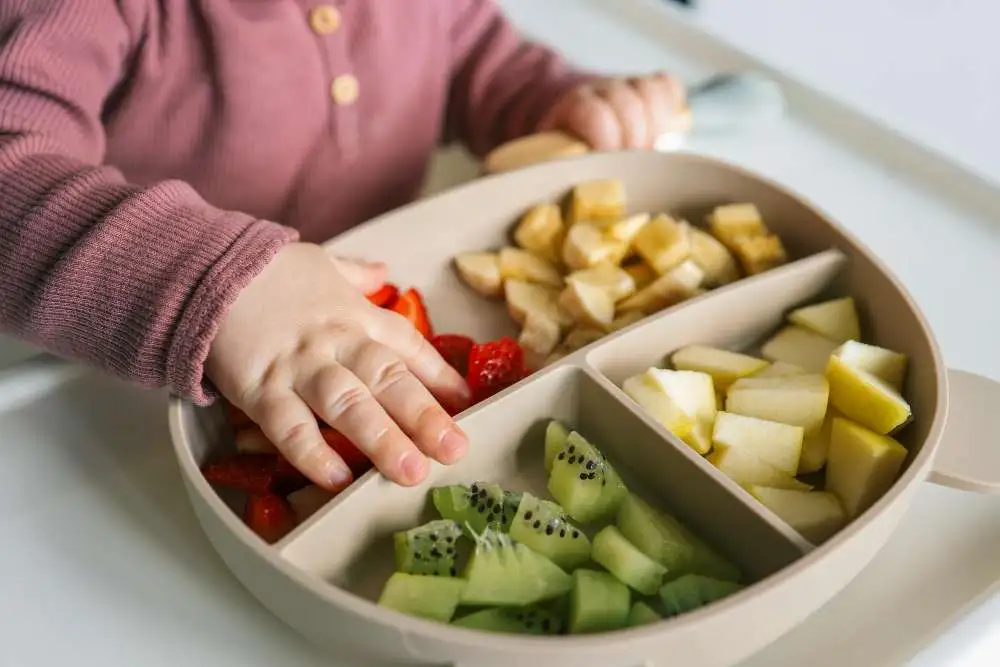
Children engage in activities related to the production of food as part of the Practical Life curriculum, which is centered on the development of skills that are applicable in real-world situations. In order to do fundamental culinary chores such as cleaning, chopping, peeling, pouring, mixing, and serving, the children make use of genuine tools that are suitable for their age group.
In addition to instructing children in the art of cooking, the fundamental objective of the Montessori method of food preparation is to encourage the development of children in areas such as independence, concentration, attention, and responsibility. When children create meals using real food and cutlery that is tailored to their own needs, they develop a sense of self-esteem and confidence in themselves. Children have the opportunity to work freely and acquire information via doing since each activity is well-organized and contains directions that are easy to understand.
Children may develop their fine motor skills, enhance their hand-eye coordination, and learn to sequence, all of which can be accomplished via the activity of cooking. Values like cleanliness, order, patience, and respect for food are among the things that children learn along the side. These activities encourage healthy eating habits among children and adolescents by increasing their desire to try the food that they have assisted in preparing.
The Montessori method of food preparation, in general, creates an environment that is calm and conducive to learning, such that children are able to develop self-reliance, practical life skills, and confidence, all of which are beneficial in many other parts of life.
Why Food Prep Is Important for Toddlers and Preschoolers
1: What is the primary focus of the first plane of development in the Montessori method?
Making food by hand helps preschoolers. It’s fun for babies and children to copy others and discover new things. Kids who like to cook will benefit in other areas as well.
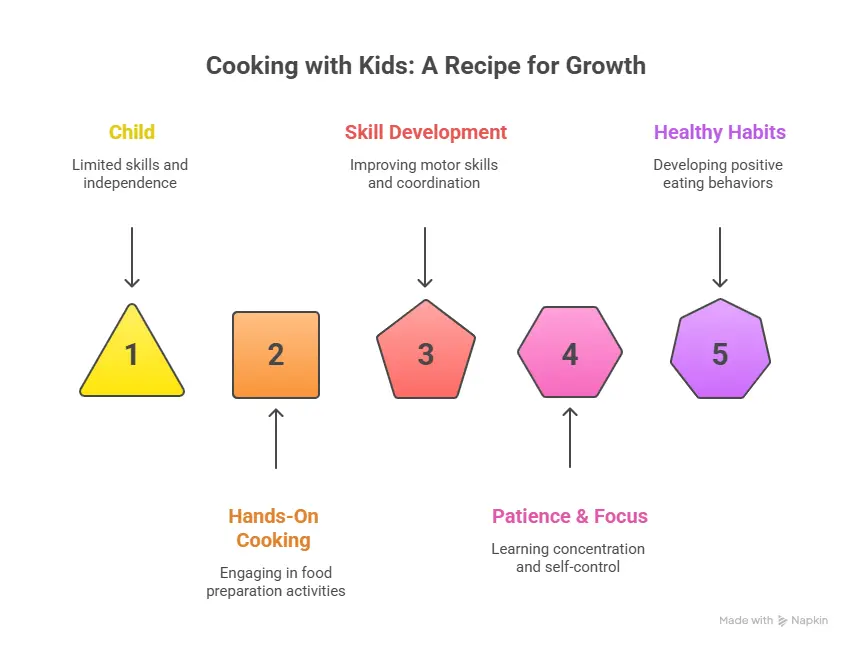
- Helping to make meals increases self-esteem and freedom. Kids feel good about themselves when they make food, wash fruit, and pour water. Doing these jobs by themselves will give them courage and a good view of school and duty.
- Food also improves balance and small motor skills. You need to be able to coordinate your hands and eyes, control small muscles, and have strong hands to learn how to write and do other school activities. These skills can be worked on by peeling, cutting, stirring, and spreading soft foods.
- Cooking makes people more patient and focused. Kids learn to focus on the process from start to finish when they do things that are planned by Montessori. This turns focus and self-control into something fun and easy.
- Making food with toddlers and preschoolers helps them build a habit of eating healthy. Kids are more likely to try new foods and eat better when they are helped by their parents to make meals. They enjoy food more, which means less trash.
- Learning to cook makes you more independent and helps you learn to love learning by combining your physical, mental, and social growth with useful skills. Cooking makes learning better.
Get Certified & Start Your Montessori Career
Montessori Teacher Training Course by Entri App: Gain expert skills, earn certification, and kickstart your teaching career.
Join Now!Key Principles Behind Montessori Food Prep
The act of preparing food is an essential component of the development of infants and young children. At this tender age, children are eager to imitate the actions of others and replicate real-life situations. Through the process of integrating children in the preparation of food, which may also assist them in developing in a variety of different ways, this natural desire can be met.
- Putting real-world activities to use is an important concept. Children are taught to cook using actual materials and real equipment, as opposed to engaging in pretend play with food and cutlery. In addition to making people feel respected and trusted, this also helps them connect what they are learning to applications that are relevant to the real world.
- There is also the matter of toys and building materials that are scaled appropriately for youngsters. Utilizing instruments such as knives with short handles, peelers, pitchers, and bowls, children are able to work securely and with confidence on their own.
- One of the tenets of the Montessori method is the use of free choice within appropriate restrictions. The children are permitted to explore their own interests when it comes to the preparation of food, provided that they adhere to the processes and safety requirements that have been clearly explained. Alongside the promotion of independence, the upkeep of order and responsibility is balanced.
- Organization and order are essential components of the Montessori method of meal preparation. In each of the actions, there is a place that serves as the beginning, the middle, and the end. The ability to remember sequences, keep attention, and put things back where they belong are all facilitated for children by this.
- Another essential idea is understanding oneself and developing one’s abilities via the process of trial and error. When adults do not constantly need to chastise children, they are able to learn more effectively. Your ability to learn, adapt, and become more robust over time may be enhanced by the fact that you make a few mistakes here and there.
- Respect for both the child and the food is an essential element of the Montessori cooking method, which is the last but not the least. When children learn to be clean, to take care of their surroundings, and to appreciate food, they are more likely to develop good habits and mindfulness inside themselves.
Register for the Entri Elevate Montessori Teacher Training Program! Click here to join!
Best Montessori Food Prep Activities for Toddlers
The Montessori approach to food preparation for toddlers emphasizes the use of straightforward and risk-free activities that cater to their innate curiosity and the development of their motor skills. These activities provide toddlers with the opportunity to take part in actual culinary tasks, which helps them develop their independence, coordination, and self-assurance while also providing them with opportunities to engage in hands-on learning experiences.
Methods for Cleaning Food Products with Water
A little basin of water is all that’s needed to clean fruits and vegetables for toddlers, such as apples, peppers, and potatoes. Teaching children fundamental culinary skills and responsibility via this easy activity is a win-win.
Methods for Peeling Bananas and Eggs Subsequent to Being Boilt
Soft food peeling is a terrific technique for kids to practice their balance and develop finger strength while also giving them a sense of accomplishment.
Torn leaves of lettuce or grass
Preparing salads by tearing lettuce or other plant leaves is an excellent way to build strength in your hands and exercise your fine motor skills.
Filling Glasses with Fluids
One activity that might assist improve focus and hand-eye coordination is filling miniature cups with drink from a small dish.
Soft snacks are being distributed
Toddlers gain independence and control when they spread spreadables like butter, jam, or cream cheese on toast with a dull knife.
How to Transfer Dry Goods
A great activity to help with concentration and equilibrium is to transfer grains like rice or beans from one bowl to another using a spoon or your hands.
Arranging dishes with food
Teaching children the basics of table manners, such as placing food on a plate or arranging fruit slices, may go a long way.
Register for the Entri Elevate Montessori Teacher Training Program! Click here to join!
Best Montessori Food Prep Activities for Preschoolers
It is possible for preschoolers to take on additional responsibility while participating in Montessori activities that include meal preparation. In addition to enhancing children’s confidence in the kitchen, these activities facilitate increased levels of independence, coordination, and problem-solving skills.
- Cut the vegetables and fruits that are soft
Cutting bananas, strawberries, cucumbers, and boiling potatoes using child-safe knives is a great way for preschoolers to perfect their hand control and coordination skills.
- Process of Peeling Fruits and Vegetables
Concentration and fine motor skills may be improved by peeling vegetables, including carrots, cucumbers, and apples.
- Make gratings of cheese or vegetables
Children may develop their hand strength and coordination by grating cheese, carrots, or zucchini. This activity also teaches them to work safely.
- Incorporating the Components
To improve arm control and teach fundamentals of cooking, try stirring salad, batter, and yogurt.
- Components should be measured.
To teach early arithmetic concepts such as quantity and comparison, cups and spoons are useful tools.
- Simple Snacks That You Can Make
In order to foster sequencing and independence, wraps, fruit salads, and sandwiches are encouraged.
- Placement of Tables and Provisioning of Food
In the process of laying plates and beverages and serving meals, students learn social skills, responsibility, and order.
Get Certified & Start Your Montessori Career
Montessori Teacher Training Course by Entri App: Gain expert skills, earn certification, and kickstart your teaching career.
Join Now!Benefits of Montessori Food Prep Activities
Montessori activities that include food preparation do more than simply get children cooking; they also stimulate development in many different sections of the body via purposeful, hands-on learning.
1. Creates an Attitude of Self-Sufficiency
Children develop a sense of self-assurance and learn to rely on themselves at a young age as they get experience working independently.
2. Improvements in Dexterity Through Movement
The dexterity and coordination of the tiny muscles in the hands and fingers, which are required for writing and other basic tasks, may be improved via activities such as pouring, spreading, peeling, and cutting.
3. Provides Improvements in Concentration and Tolerance
Through the process of following instructions in a meal preparation activity, children acquire the skills of concentration, patience, and exact execution.
4. Healthy consumption is encouraged
When children take part in the preparation of meals, it stimulates their interest in trying out different tastes, which in turn leads to the development of better eating habits.
5. Fosters a Sense of Responsibility
Responsibility and care are taught via the practice of using tools correctly, cleaning up after activities, and showing respect for the ingredients available.
6. Capabilities are strengthened throughout the rest of one’s life
Children acquire skills that will serve them well throughout their lives, such as measuring, mixing, and serving.
7. Encourages the development of one’s personal, social, and emotional skills
Building camaraderie, understanding, pride, and responsibility via the preparation and sharing of food is a fantastic approach to accomplish these goals.
Wrapping Up
Preschoolers and toddlers may gain vital life skills that can be used in a variety of situations via the Montessori instruction of food preparation activities. By participating in activities that are suitable for their age group, children are able to develop healthy eating habits, gain self-esteem, and learn how to take responsibility for their own education. As they take delight in their labor, they acquire the skills of responsibility, order, and the appreciation of food via the activities that they participate in. The practical life skills and the love of learning that are promoted by Montessori food preparation are generally beneficial to the development of a child in all areas of life.
| Also Read | |
| Montessori Teacher Salary in Chennai | |
| What Qualifications Do You Need for Kindergarten Teacher Jobs? |
|
| Montessori Pink Tower Making | |
| Knobbed Cylinders in Montessori | |
Get Certified & Start Your Montessori Career
Montessori Teacher Training Course by Entri App: Gain expert skills, earn certification, and kickstart your teaching career.
Join Now!Frequently Asked Questions
At what age can children start Montessori food prep activities?
Children can begin as early as 18 months, starting with simple tasks like washing fruits or transferring food. Preschoolers (ages 3–5) can handle more complex activities such as slicing soft foods or spreading butter.
What tools are commonly used in Montessori food preparation?
Common tools include child-safe knives, small cutting boards, peelers, pitchers, bowls, aprons, and tongs. All materials should be durable, safe, and easy for small hands to manage.
Can Montessori food prep help picky eaters?
Yes. When children participate in preparing food, they are more likely to try and enjoy what they make, reducing picky eating habits over time.
Do Montessori food prep activities need a special kitchen setup?
No special kitchen is required. A low table, accessible shelf, and child-sized tools are enough to create a Montessori-friendly food prep space at home or school.
How often should children do food preparation activities?
Children can engage in food prep activities daily or several times a week, depending on interest. Consistency helps reinforce independence and routine.
How do Montessori food prep activities support independence?
By allowing children to prepare food themselves, they gain confidence in their abilities and learn essential life skills they will use every day.
Are Montessori food prep activities messy?
Some mess is normal and part of the learning process. Montessori views cleanup as an essential step that teaches responsibility and care for the environment.
What hygiene practices should be followed during food prep?
Children should wash hands before and after activities, clean surfaces, wear aprons, and learn proper food-handling habits from an early age.