Table of Contents
Introduction
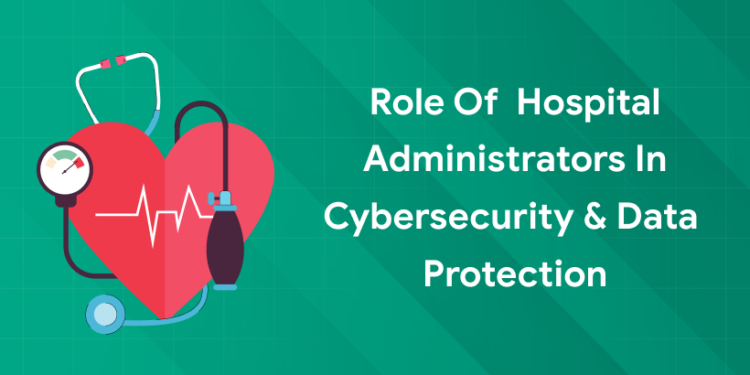
Hospital administrators lead cybersecurity in hospitals by appointing CISOs, enforcing data policies, running audits, training staff, and activating incident responses—turning them into frontline guardians of patient data amid surging threats. Picture a midnight emergency in a Kochi hospital: a nurse grabs for a patient’s chart, but ransomware freezes everything. Ventilators blink uselessly without data flow. This real nightmare struck hard as healthcare ransomware jumped 30% in 2025. India’s hospitals topped threat lists at 21.82% of detections, fueled by digital pushes like Ayushman Bharat. Admins bridge care and code, ensuring hacks don’t cost lives. This blog unpacks threats, duties, skills, hurdles, trends, and paths forward for India’s rising cyber hotspot—and beyond to Germany.
Key Takeaways:
- Ransomware attacks rose 30% in healthcare during 2025. Hospital administrators fight back by appointing CISOs and running regular audits to spot and stop threats early.
- Indian hospitals face 37 cyber threats per endpoint on average. Administrators must enforce DPDP-compliant encryption and multi-factor authentication right away to protect patient data.
- Certifications like CISM and CHIME boost salaries by 15-30 LPA. These credentials help administrators trim unnecessary endpoints, making security simpler and stronger.
- Compliance is just the starting point. Administrators gain a real edge by adding AI tools for threat detection and blockchain for secure records that cannot be changed.
- Link cybersecurity to saving patient lives. This approach rallies doctors, nurses, and IT teams together, building lasting resilience against hackers.
Why Cybersecurity Hits Hospitals Hardest
Hospitals suffer the worst cyber impacts because patient data fetches the highest prices on the black market, with breaches costing $7M on average per incident—demanding that admins prioritize prevention over reaction. Ransomware locks records, delaying surgeries; phishing leaks info via one bad click. IoT devices like pumps are weak points that make them hackable.
India logs 37 threats per endpoint amid EHR booms. The 2025 Blue Shield breach exposed 4.7M records from simple misconfigurations and is prime example of breaches in the healthcare sector. Legacy 90s servers clash with new tools, widening gaps. Admins close these by leading risk checks, tying digital health wins to life-saving uptime.
Become a Hospital Administrator with Entri. Enroll now!
Role of Hospital Administrators in Cybersecurity
1: What is the primary role of a hospital administrator?
Hospital administrators play a crucial role in cybersecurity by owning the full program lifecycle—designating CISOs, crafting policies, auditing risks, training teams, vetting vendors, and leading responses—which directly cuts breach impacts and ensures patient trust amid rising threats. This top-down leadership turns potential chaos into structured defense.
They start by appointing a Chief Information Security Officer (CISO) to handle day-to-day threats, freeing admins to focus on strategy. Policies come next: clear rules on data handling that match India’s DPDP Act or global HIPAA standards, mandating consent notices and minimal collection.
Hands-on duties break down simply:
- Risk assessments: Conduct annual audits and vulnerability scans on networks, EHRs, and IoT gear to spot holes before hackers do.
- Staff training: Roll out mandatory phishing simulations and password drills, building habits that stop 80% of insider leaks.
- Access controls: Enforce role-based systems so nurses see only their patients’ files, slashing unauthorized exposure.
- Vendor management: Scrutinize third-party software contracts for security clauses, blocking supply-chain weak links like the 2025 Episource breach.
- Incident response: Activate predefined playbooks—isolate infected systems, restore from offline backups, notify regulators within DPDP’s 72 hours.
- Reporting and compliance: Track metrics like detection time (aim under 24 hours) and brief boards to secure tool budgets.
Real-world wins show impact. Multi-factor authentication (MFA), pushed by admins, blocks 99% of account takeovers. They bridge gaps too—convincing skeptical doctors that a quick login check saves lives, not just data. In Kochi clinics or Delhi chains, this oversight aligns IT with care, embedding zero-trust models that verify every access. This results in faster recoveries, fewer fines, and unbroken workflows, proving admins as the linchpin in hospital cyber resilience.

Hospital Administration Course with Assured Career Growth
Hospital Administration Course by Entri App: Master essential healthcare management skills, gain certification, and secure top roles in leading hospitals
Join Now!Case Studies: Admins in Action Against Real Threats
Real successes prove admins’ strategies work—proactive audits and responses have averted disasters in 60% of simulated Indian hospital drills, per CERT-In data, building models for global resilience. These stories highlight wins and lessons.
- Apollo Hospitals (India, 2025): Vendor-linked ransomware via ApolloMD exposed 626K records; admins who segmented networks and enforced MFA recovered faster, cutting downtime—key lesson for chains amid Qilin attacks.
- Change Healthcare Breach (US/Global, 2024-25): Weak vendor oversight exposed millions; admins who segmented networks recovered 3x faster, per HHS reports—lesson for India’s ABDM shares.
- AIIMS Delhi Ransomware (India, 2022-25 echoes): Attack disrupted servers/labs; post-incident admin upgrades (audits, patching) prevented repeats in similar Kochi clinics, praised by CERT-In for endpoint cuts amid 37 threats avg.
- Oracle Health Legacy Breach (Global/India ties, 2025): Affected 80+ hospitals via unpatched Cerner; admins mandating ISO 27001 patching avoided full leaks in migrating Indian groups, easing Germany shifts.
Essential Skills and Certifications for Admins
Blending NIST risk steps, encryption basics, and leadership certifications like CISM equips admins to cut risks 20-30% while boosting salaries up to 30+ LPA in India. Tech know-how stays simple with no deep code knowledge required.
Vital skills include:
- Tech foundations: Firewalls, VPNs, phishing ID.
- Frameworks: NIST identify-protect-detect cycle.
- Regs mastery: DPDP India, GDPR global.
- People skills: Unite IT and clinical teams.
- Crisis calm: Drill for real attacks.
Certifications:
- CISM: Strategy focus, pay bump.
- CHIME: Health IT special.
- CISSP: All-around pro.
- CDAC: India Cyber Edge.
- ISO 27001
| Role Level | Skills/Certs | India Salary (LPA) |
| Entry | DPDP basics | 6-12 |
| Mid | CISM audits | 15-25 |
| Senior | CHIME NIST | 30+ |
Coursera or Entri helps you build the necessary skills and certifications fast, ultimately resulting in the opening Gulf doors.

Overcoming Challenges with Proven Practices
Proven steps like encryption, MFA, and AI monitoring overcome budget/staff hurdles, dropping breach risks 40% as seen in top Indian hospitals. Challenges persist: tight funds, old tech, doc resistance.
Hurdles break down:
- Funds: Crore tools unaffordable—use free scans first.
- Resistance: Password fatigue hits busy shifts.
- Legacy: Unpatchable servers linger.
- Evolving attacks: Daily new ransomware.
Fixes in steps:
- AES-256 encrypts all data.
- MFA with biometrics.
- Quarterly ransomware drills.
- Shrink endpoints to essentials.
- AI for odd-pattern alerts.
CERT-In guides India fixes. DPDP minimizes data; GDPR adds consent. Apollo’s admin protocols prove it: track detection under 24 hours, share life-saving stories for buy-in.
Check out Entri’s Hospital Administrator course with Placement Assistance now!

Hospital Administration Course with Assured Career Growth
Hospital Administration Course by Entri App: Master essential healthcare management skills, gain certification, and secure top roles in leading hospitals
Join Now!Emerging Trends Shaping Admin Roles
AI threat hunting, blockchain EHRs, and zero-trust models redefine admins as innovators, filling cyber gaps across the country. Trends speed up by 2026.
Shifts include:
- AI: Predicts hacks from log quirks.
- Blockchain: Locks records tamper-free.
- Zero-trust: Checks every login.
- Cloud HIPAA: Secures telehealth.
- Consent tech: Builds patient trust.
ABDM pushes India’s secure shares. Admins lead fiduciary compliance, snag visas for EU/Gulf talent hunts. They balance ethics in AI, powering digital health without safety trade-offs.
Conclusion
Hospital administrators stand as cyber shields, slashing clutter, uniting teams, chasing AI trends. In India’s attack zone, they save data and lives daily. Build skills now—craft tomorrow’s unbreakable hospitals.
Hospital Administration Course with Assured Career Growth
Hospital Administration Course by Entri App: Master essential healthcare management skills, gain certification, and secure top roles in leading hospitals
Join Now!Frequently Asked Questions
What rules guide Indian hospital data protection?
DPDP Act sets minimal collection, notices, safeguards—ties to ABDM sharing.
How do admins stop ransomware?
Playbooks isolate, backup-restore, CERT-In report—cuts downtime fast.
Worth getting cyber certs as admin?
Yes, CISM lifts pay 20%, arms with NIST for threats.
Top threat to Indian hospitals?
Phishing/IoT amid 21.82% sector attacks.
GDPR for Germany-bound admins?
Tight consent/anonymity; ISO 27001 eases EHR shifts.
Key skills for hospital cyber jobs?
Encryption/NIST/leadership; CHIME for seniors.