Table of Contents
The prime role of Simulation Engineers is to design virtual models of robotics systems. These systems are designed to test real-world performance without building any physical prototype.
Simulation engineering is not merely handling coding or robotics. It is more about predicting the future behaviours of machines using intelligent models. This can include those from autonomous robots in warehouses to drones and self-driving systems.
Simulation engineers make sure that everything works fine and efficiently before physical deployment. This helps minimize risks, reduce costs and also speed up innovation cycles across various industries.
With a rapidly evolving robotics ecosystem in India, these engineers bridge software simulation with real hardware deployment, which is a very critical role.
The demand for these professionals are strong with long-term career potential. Reports state 15k+ job postings in 2025 with average salaries ranging from ₹8 LPA to ₹15 LPA which keeps going up over time.
New to Robotics? Start from the Basics. Join Now!
Key Takeaways
- Simulation Engineers create digital twins of robotic systems to simulate real-world performance.
- India’s robotics and automation industry is rapidly expanding, which increases demand for simulation experts.
- Core technical skills include C++, Python along with ROS, MATLAB, and physics-based simulation tools too.
- Simulation reduces prototyping costs by 30% to 50% and development time by up to 25%.
- Entry-level salaries start at ₹5 LPA to ₹8 LPA, while experienced professionals can earn ₹20+ LPA.
- Industries these professionals include automotive, manufacturing, logistics, drones, AI robotics, and also gaming.
- Certifications and hands-on projects significantly boost employability as well as salary growth.
- Simulation Engineers play a key role in Industry 4.0 and thereby digital transformation.
What is a Simulation Engineer?
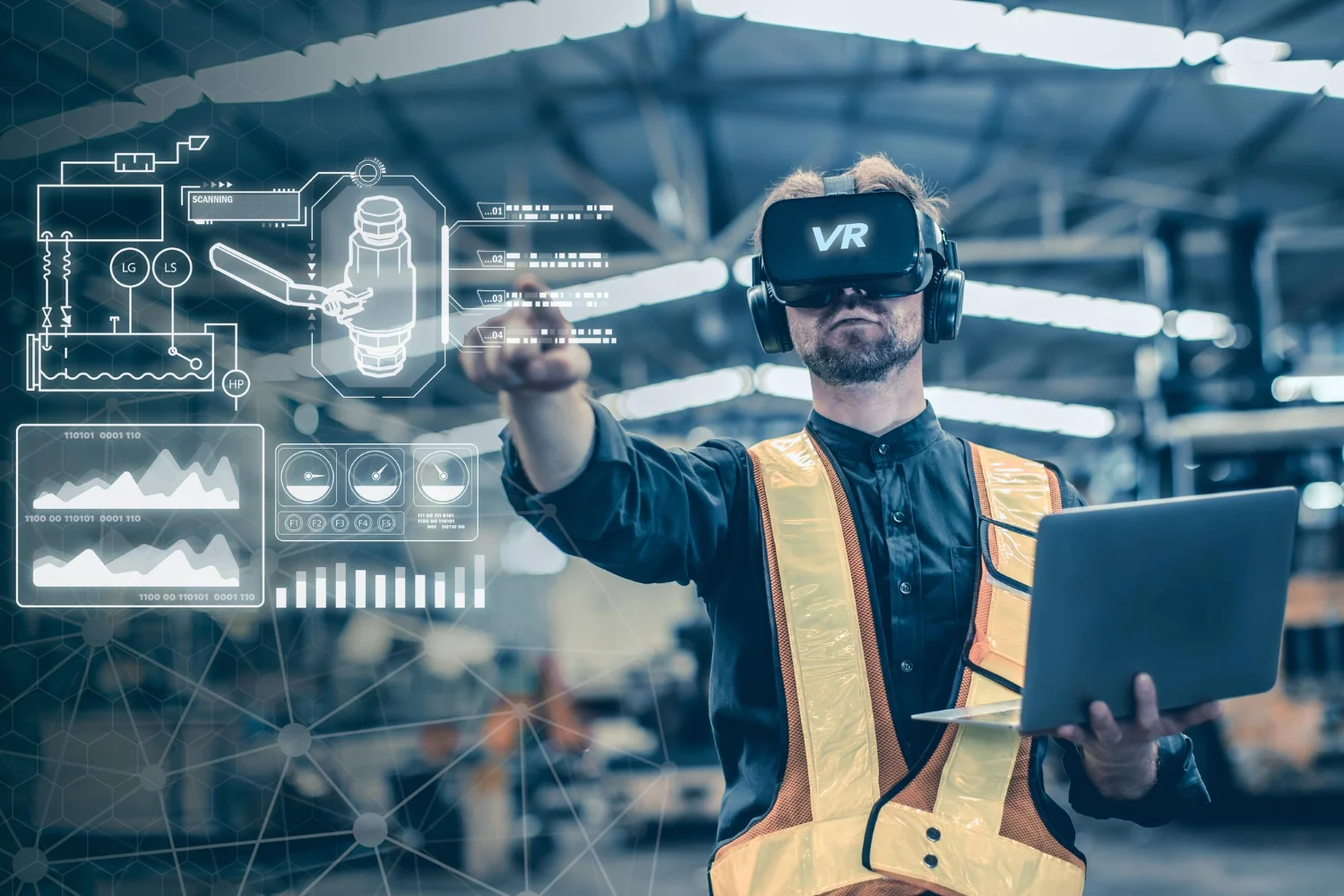
As a Simulation Engineer, you will be using advanced software tools to create digital environments that replicate real-world systems and behaviours. It is about building virtual clones of robotics systems, which are also known as digital twins, to test how they can perform under different conditions.
Simulation Engineers are widely employed in robotics firms such as GreyOrange and Addverb. These firms want them to optimize efficiency, safety and robot navigation before actual deployment.
Since 2023, Indian start-ups have surged an increase in simulation-related roles by about 40%.
In practical terms, simulation engineers allow companies to answer critical questions like:
- Will this robot collide with obstacles?
- Can it handle real-world uncertainties?
- How efficient is its movement and energy usage?
Once they are able to find solutions to these issues virtually, the companies can save millions in terms of hardware costs and also avoid costly design errors.
Master Robotics and AI!
Ready to build the future? Join our comprehensive robotics course to bridge the gap between complex code and physical motion. You’ll gain hands-on experience giving you the technical edge needed to lead in the age of automation.
Know MoreKey Simulation Engineer Duties
Simulation Engineers are involved within different stages of product development. This ranges from conceptual design to final optimization. Their continuous work ensures the efficiency, reliability and safety of the robotics systems.
| Duty | Description |
| Model Creation | Develop detailed 3D environments using CAD tools and physics engines |
| Testing Scenarios | Run simulations for robot movement, sensors, and AI behaviour under different conditions |
| Optimization | Improve system efficiency and reduce prototyping costs by 30% to 50% |
Moving further from these core duties, simulation engineers also collaborate with cross-functional teams. This involves hardware engineers, product managers and AI specialists. The insights they share directly influence design decisions and product performance.
Roles and Responsibilities of a Simulation Engineer
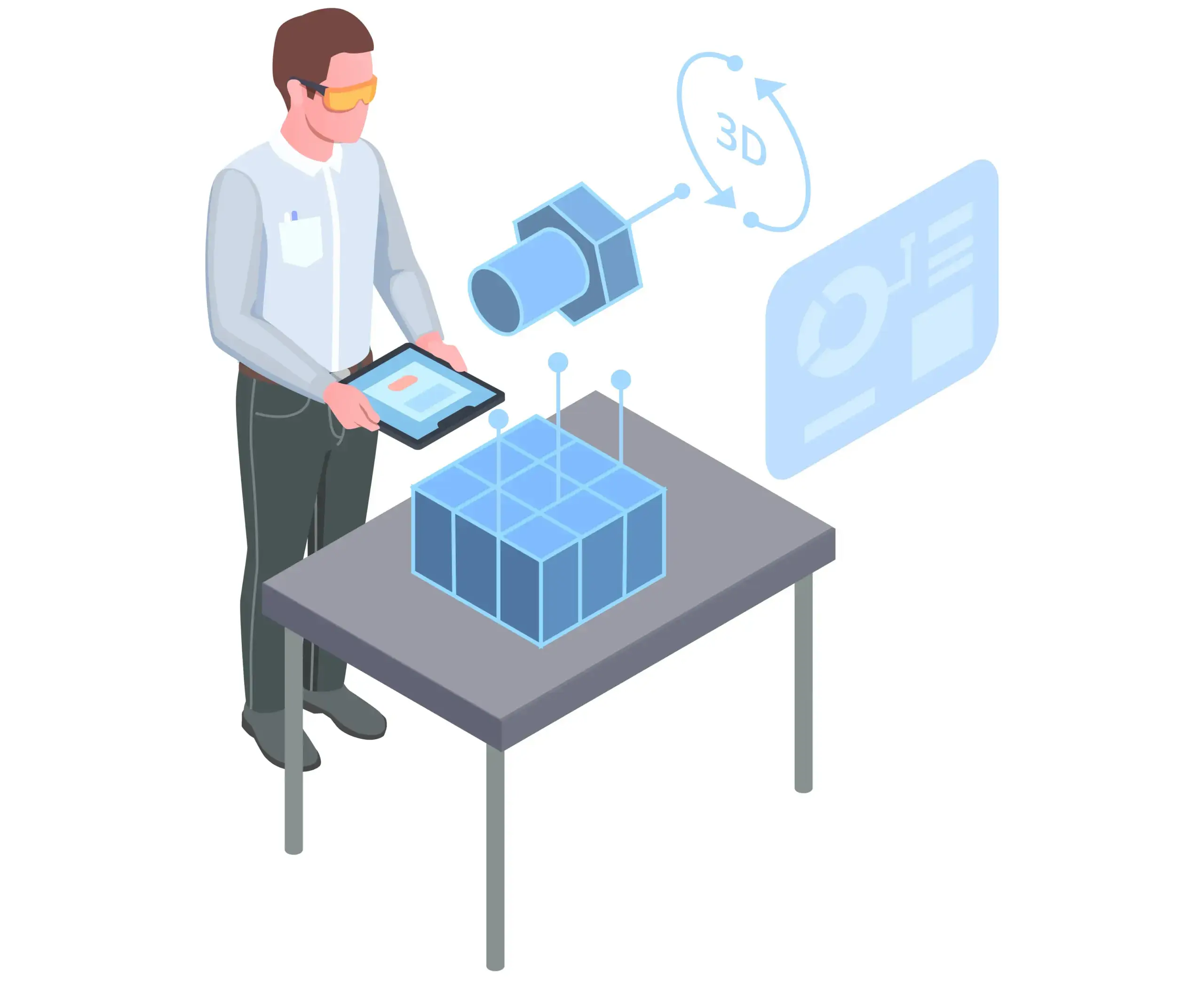
Simulation Engineers are primarily responsible for developing simulation models, validating them against real-world data, and collaborating with hardware and software teams.
Most importantly, their role spans through the pre-design analysis to post-deployment improvements. This encompasses the entire product lifecycle.
Industries like automotive, drone technology and manufacturing heavily rely on simulation engineers to accelerate innovation.
According to NASSCOM, simulation reduces R&D time by 25% and thereby contributes significantly to automation hiring in India.
Core Responsibilities
- Developing accurate physics-based simulation models.
- Validating simulation results using real-world testing data.
- Integrating sensors such as LiDAR, IMU, GPS, and cameras.
- Optimizing robot navigation, path planning, and collision avoidance.
- Generating technical documentation and reports for stakeholders.
- Identifying and fixing discrepancies between simulated and real-world performance.
- Continuously improving models for better accuracy and efficiency.
Work Phases and Tools
| Phase | Responsibilities | Tools Used |
| Pre-Design | Environment modelling and system planning | MATLAB, Simulink |
| Testing | Running multi-robot simulations and stress tests | ROS, Gazebo |
| Deployment | Real-time simulation and visualization | Unity, Unreal Engine |
Each of these phases act as a crucial step that ensures the final robotic performance as is expected in real-world environments.
Essential Skills for Simulation Engineers in Robotics
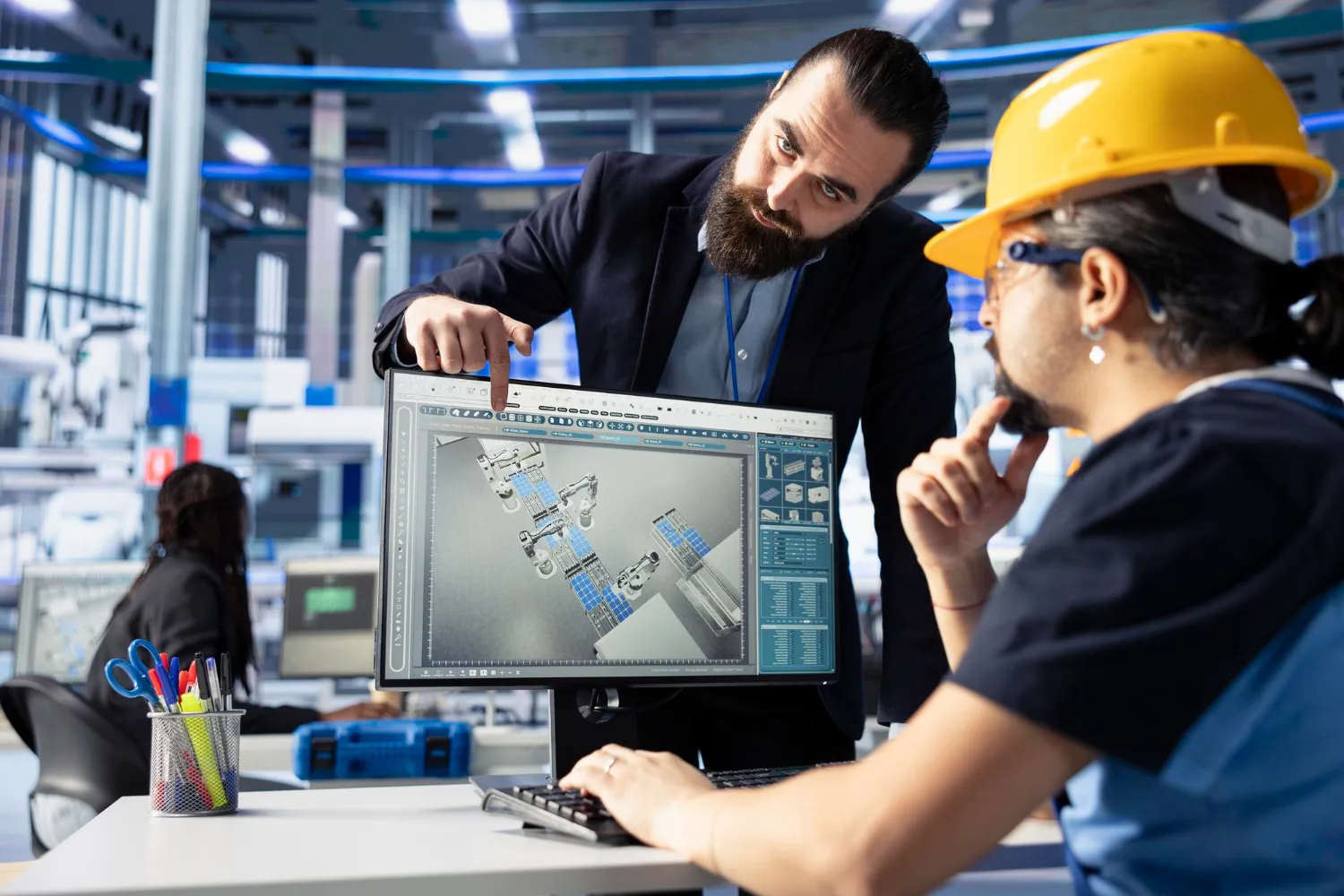
To have a successful career as a Simulation Engineer, it is important that you have strong mathematical knowledge, programming skills and hands-on experience with simulation tools. Companies look for professionals who can not only build simulations but also analyze as well as optimize them.
Industry data suggests that about 70% of roles involving simulations require good experience with ROS. Also, certified professionals earn up to 22% more than non-certified peers.
Technical Skills
| Skill Category | Must-Have Skills | Why it Matters |
| Programming | C++, Python, MATLAB | Essential for building algorithms and simulation scripts |
| Simulation Tools | Gazebo, Webots, CARLA | Used to create realistic virtual environments |
| Robotics Frameworks | ROS/ROS2, MoveIt | Industry standard for robot control and motion planning |
| Physics & Math | Dynamics, Linear Algebra, Kinematics | Critical for accurate modeling of motion and forces |
Soft Skills
- Strong analytical thinking for debugging complex simulations.
- Effective communication skills for cross-team collaboration.
- Attention to detail to ensure simulation accuracy.
- Problem-solving mindset for handling unexpected challenges.
Simulation Engineering is not just a technical job role. It requires creativity and logical thinking that works well in modelling real-world complexities accurately.
Master Robotics and AI!
Ready to build the future? Join our comprehensive robotics course to bridge the gap between complex code and physical motion. You’ll gain hands-on experience giving you the technical edge needed to lead in the age of automation.
Know MoreHow to Become a Simulation Engineer in India
Well, this job role requires you to have a combined effort from what you acquired through formal education, technical training and practical experience.
The career path needs to be structured and at the same time, it offers excellent rewards in terms of career growth and pay scale.
Step-by-Step Guide
- Complete a B. Tech in Robotics, Mechatronics, Mechanical, or Electronics Engineering.
- Learn simulation tools like ROS, Gazebo, MATLAB, and Unity.
- Work on real-world projects such as robot navigation or drone simulations.
- Build a strong portfolio on GitHub showcasing your work.
- Gain internship experience in robotics or automation companies.
- Apply for jobs through platforms like LinkedIn, Naukri, and company portals.
Education Path & Salary Growth
| Education Path | Duration | Expected Salary |
| B. Tech + Certification | 4 to 4.5 years | ₹6 LPA to ₹10 LPA |
| M. Tech Specialization | +2 years | ₹12 LPA to ₹20 LPA |
The two important factors that can accelerate your career growth are hands-on experience and certifications.
Simulation Engineer Salary in India (2026 Insights)
Salary package can vary for Simulation Engineers in India based on skills, experience and location you choose to work at. The average salary can be around ₹10.5 LPA.
You can see higher salary scales in cities with major tech and robotics companies present – like Bangalore, Hyderabad and Pune. Reports indicate an 18% year-on-year salary growth driven by Industry 4.0 adoption.
| Experience Level | Salary Range (₹ LPA) | Top Locations |
| Fresher (0 to 2 yrs) | 5 to 8 | Kochi, Chennai |
| Mid-Level (3 to 5 yrs) | 10 to 15 | Bengaluru, Pune |
| Senior (5+ yrs) | 18 to 25 | Mumbai, Hyderabad |
Apart from the base salary, you have high chances of receiving bonuses, performance incentives and stock options.
Future of Simulation Engineers in Robotics
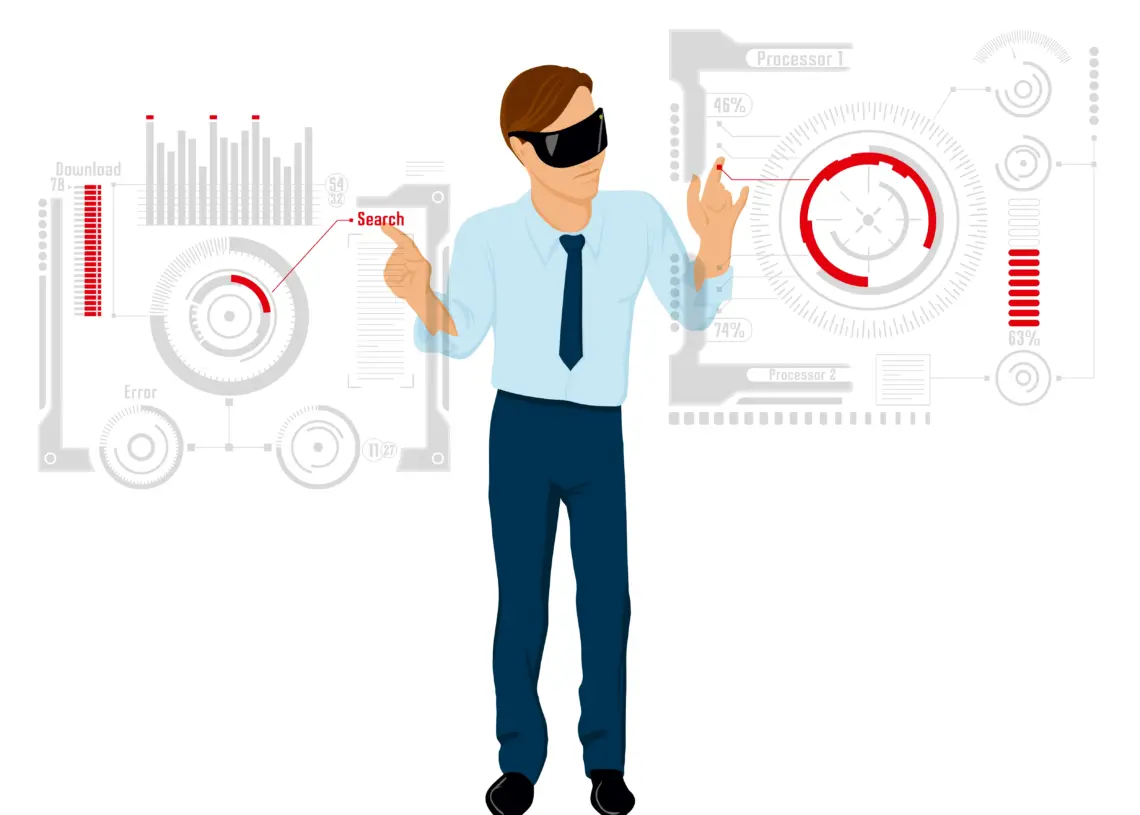
While looking at the future prospects, Simulation Engineering appears to be an extremely promising career option. This is driven by AI advancements, robotics and digital twin technology.
With industries increasingly adopting automation, simulation has become a necessity and not just an option. It has the potential to reach higher prospects with tens and thousands of skilled professionals being in higher demand.
Key Future Trends
- Digital twins for real-time monitoring and predictive maintenance.
- AI-powered simulations for smarter decision-making.
- AR/VR-based immersive simulation environments.
- Autonomous vehicles and drone simulations.
- Increased adoption in healthcare, defense, and smart cities.
The career prospects for Simulation Engineering will continue to evolve with the predictive and evolving professional landscape. This offers exciting opportunities for professionals who stay updated with emerging technologies.
New to Robotics? Start from the Basics. Join Now!
Conclusion
Simulation Engineering with its combined use of mathematics, programming and more becomes one of the most promising careers you can confidently take up. All you need to be sure about is you being equipped with handling physics, software engineering and robotics to solve real-world problems efficiently.
This field is ideal for aspiring engineers who want to work on cutting-edge technologies as simulation engineering has increasing demand across various industries with great salary scales as well as strong growth potential.
If you are passionate about robotics, which you apparently are, and have a grasp over coding and innovation, make up your mind and go forward with becoming a Simulation Engineer.
|
RELATED POSTS |
|
|
Skills Needed for a Successful Career in Robotics Engineering |
|
Master Robotics and AI!
Ready to build the future? Join our comprehensive robotics course to bridge the gap between complex code and physical motion. You’ll gain hands-on experience giving you the technical edge needed to lead in the age of automation.
Know MoreFrequently Asked Questions
What does a Simulation Engineer do?
A Simulation Engineer builds virtual models to test and fine tune systems before they get put to the test in real life.
What qualifications do you need to get the job?
A B. Tech in Robotics, Mechatronics or something related – that is usually the minimum.
What programming languages do you need to know?
C++, Python and MATLAB are the ones you’re most likely to see in a simulation engineer role.
What kind of tools do you use every day?
Gazebo, Webots, CARLA, MATLAB and Unity are all pretty well known in the industry.
Which kinds of companies hire Simulation Engineers?
There’s a big market out there in robotics firms, automotive companies, aerospace outfits and tech start-ups.
Is coding essential for this job?
Definitely – you need to be pretty solid on the coding front.
What industries are making use of simulation engineering?
We’re talking robotics, automotive, healthcare, gaming, defence and manufacturing – all sorts of places.
How long does it take to actually become a Simulation Engineer?
It is usually around 4 to 6 years including all important education and training.