Table of Contents
Montessori education is one of the most respected teaching philosophies for young minds out there. At its heart, this approach puts the child front and centre – and that changes everything about the way a teacher works. Whether you’re a parent wondering whether Montessori is right for your kid, a wannabe Montessori teacher or a student getting ready for Montessori Teacher Training (TTC), getting your head around the teacher’s part in all this is essential to understanding what makes Montessori so darn effective – and so life-changing. Association Montessori Internationale
This guide is meant to give you the lowdown on the role of the teacher in a Montessori classroom, breaking down all the key bits: what they do, the skills they need, the tips & tricks they use every day, and how training programs like the Entri Montessori TTC course get teachers up to speed and raring to go.
Start your journey to becoming a certified Montessori teacher! Get free Demo Here!
What It Really Means to Be a Montessori Teacher

In a Montessori classroom, the teacher’s job isn’t one of lecturing or bossing kids from the front of the room – its more about helping learning along and nipping in to support how the kid is naturally growing. Montessori teachers are best thought of as advisors, mentors, and watchers who help kids take the lead in their own learning paths.
Rather than using a top-down approach and telling kids exactly what they need to know and how to go about learning it, Montessori teachers put together a learning environment that’s tailor made for what the kid needs at this point in their development and invite them to step in and learn at their own speed – to explore, figure things out and learn as they go.
Role Of The Teacher In A Montessori Classroom
1: What is the primary focus of the first plane of development in the Montessori method?
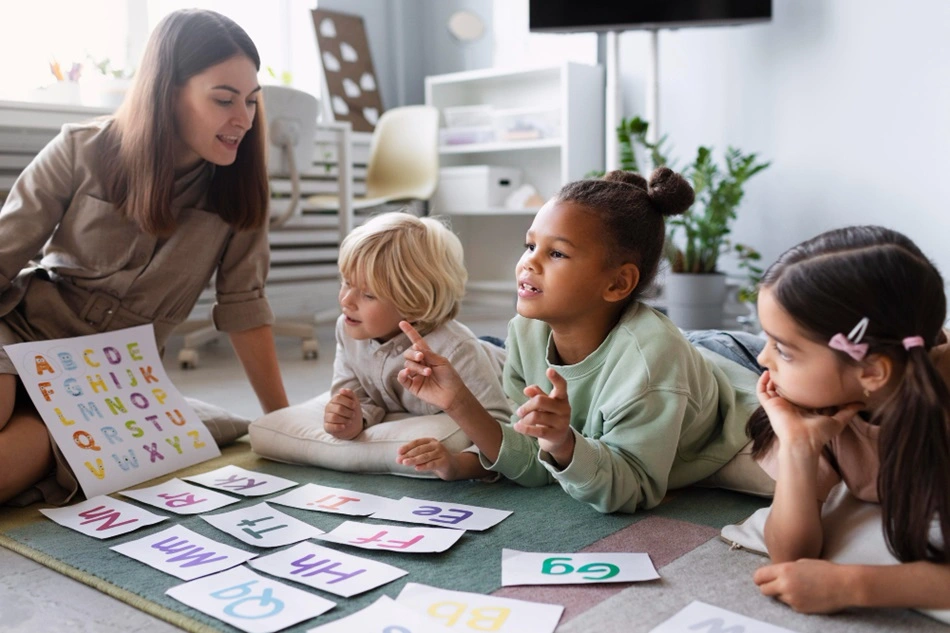
In a Montessori classroom the role of a teacher is different from that of a standard educational setting. The teacher in a Montessori classroom is commonly referred to as a “guide” or “directress.” Dr. Maria Montessori created the Montessori method, which places a strong emphasis on learning that is centered on the child and encouraging self-directed play. The following are important facets of the function of the instructor in a Montessori classroom:
As a Guide
Instead than giving pupils direct instructions, teachers point them in the direction of activities that suit their interests and developmental stage. Children are given the freedom to explore on their own as they are introduced to materials and shown how to use them.
As an observer
Teachers watch every child carefully to determine their learning preferences, interests, and requirements as they develop. This facilitates the customization of each learner’s experience.
As a Promoter Of self Sufficiecy
Educators urge students to accept accountability for their behaviors and knowledge. Independence and self-control are encouraged by this. Kids are allowed to select their own tasks and do them at their own speed as long as they follow the classroom guidelines.
Unlock your passion for education and shape young minds as a Montessori teacher!
As a Supporter Of Social Development
Cooperative learning and polite interactions between students are two ways that teachers foster a feeling of community in the classroom. Via non violent communication and problem-solving methods, they assist kids in settling disputes and gaining social skills.
Serving Personalized Care
Using each child’s interests, strengths, and areas for improvement in mind, teachers develop personalized lesson plans. Their advice and support are modified based on their periodic evaluations of each child’s progress.
As a Continuous Learner
To enhance their comprehension of the concepts of Montessori education and child development, Montessori instructors participate in ongoing professional growth. Continually observing the youngsters and their changing requirements, they modify their techniques and resources.
As an Environment Coordinator
An environment that promotes independence, inquiry, and learning is created and maintained by teachers. Making resources and activities approachable and welcoming to kids is part of this. In order to support progressive learning, teachers make sure that the materials are organized sequentially and appropriate for the children’s developmental phases.
As a Role Model
Teachers create an example for kids to follow by acting with respect and positivity. They show tolerance while children explore and learn at their own pace, and they show respect for each child’s unique learning process.
Get Certified & Start Your Montessori Career
Montessori Teacher Training Course by Entri App: Gain expert skills, earn certification, and kickstart your teaching career.
Join Now!Entri’s Montessori Teacher Training Course
Being certified by the appropriate organization can make all the difference in pursuing a happy career as a Montessori teacher. With the goal of giving its students the tools they need to be successful in the field of Montessori education, Entri App offers the best Montessori Teacher Training Course. The curriculum is well-structured. Details about fees can be obtained by contacting Entri App.
Final Thoughts
The role of a Montessori teacher in a Montessori classroom is a pretty complicated but also super rewarding one. These educators are kind of like guides, always keeping an eye on how the kids are doing, setting up the right kind of learning environments, and helping give kids the independence & confidence to take charge of their own learning. And the great thing is that it’s not just about getting the academics right its also about fostering independence, critical thinking, emotional intelligence & a lifelong love of learning in those kids.
If your dream is to guide young minds with the kind of respect & insight that means the world to them, then Montessori teaching is truly an amazing thing to get into. Plus – with a solid training course like Entri’s Montessori TTC course – you’ll get all the skills & self-assurance you need to really make a difference in the lives of the kids who need it most.
👉 Entri’s the way to start your Montessori teacher training – take that first step today!
| Also Read | |
| Montessori Learning Materials | |
| Practical Life Tools Creation Project | |
| Montessori Pink Tower Making | |
| Knobbed Cylinders in Montessori | |
Get Certified & Start Your Montessori Career
Montessori Teacher Training Course by Entri App: Gain expert skills, earn certification, and kickstart your teaching career.
Join Now!Frequently Asked Questions
What is the significance of observation in a Montessori teacher’s role?
One of the most important aspects of a Montessori teacher’s job is observation. Teachers can learn about pupils’ development, interests, and difficulties by keeping an eye on them. This data helps the instructor introduce new exercises and offer tailored support.
How do Montessori teachers assess student progress?
Observation is the primary method of assessment in Montessori education as opposed to formal testing. Teachers maintain thorough records of every child’s activities, accomplishments, and developmental milestones in order to monitor their progress.
How do Montessori teachers stay current with best practices?
Montessori educators participate in continual professional development via conferences, workshops, and continuing education. By being up to date with best practices, they can guarantee that their kids receive the finest instruction and support possible.
How do Montessori teachers support individual learning?
By providing individualized direction, presenting lessons when a child is ready, and letting kids select activities depending on their interests and developmental stage, Montessori teachers foster individual learning. This method honors the individual learning path of every child.