

Table of Contents
Montessori incorporating pouring and spooning lessons is meant to be including practical life activities into the curriculum. These activities build fine motor control and hand-eye coordination thereby fostering independence and concentration. In children between the age groups 2.5 and 4 years, this can be done through structured and self-correcting schedules.
As far as Montessori TTC is concerned, these exercises are foundational. They connect their movement with overall cognition and prepare the children indirectly with activities like writing, reading and other daily life skills. All this happens while reinforcing order and confidence.
In her seminal work The Absorbent Mind (1949), Dr. Maria Montessori documented these factors. Not just that, recent AMI-aligned classroom observations (2023-2025) report up to 85% improvement in proficiency. This also includes measurable gains in sustained attention after four weeks of daily practice.
Register for the Entri Elevate Montessori Teacher Training Program! Join Now!
Key Takeaways
- Builds pencil grip readiness through finger muscle strengthening and improves hand-eye coordination as well as visual tracking.
- Increases independent work cycles (20 to 30 minutes).
- Develops concentration and emotional regulation.
- Encourages order, responsibility, and self-confidence.
- Supports sensory integration, especially for tactile learners.
- Essential competency for Montessori TTC classroom practice.
Why this Lesson Plan Matters for Montessori TTC
1: What is the primary focus of the first plane of development in the Montessori method?
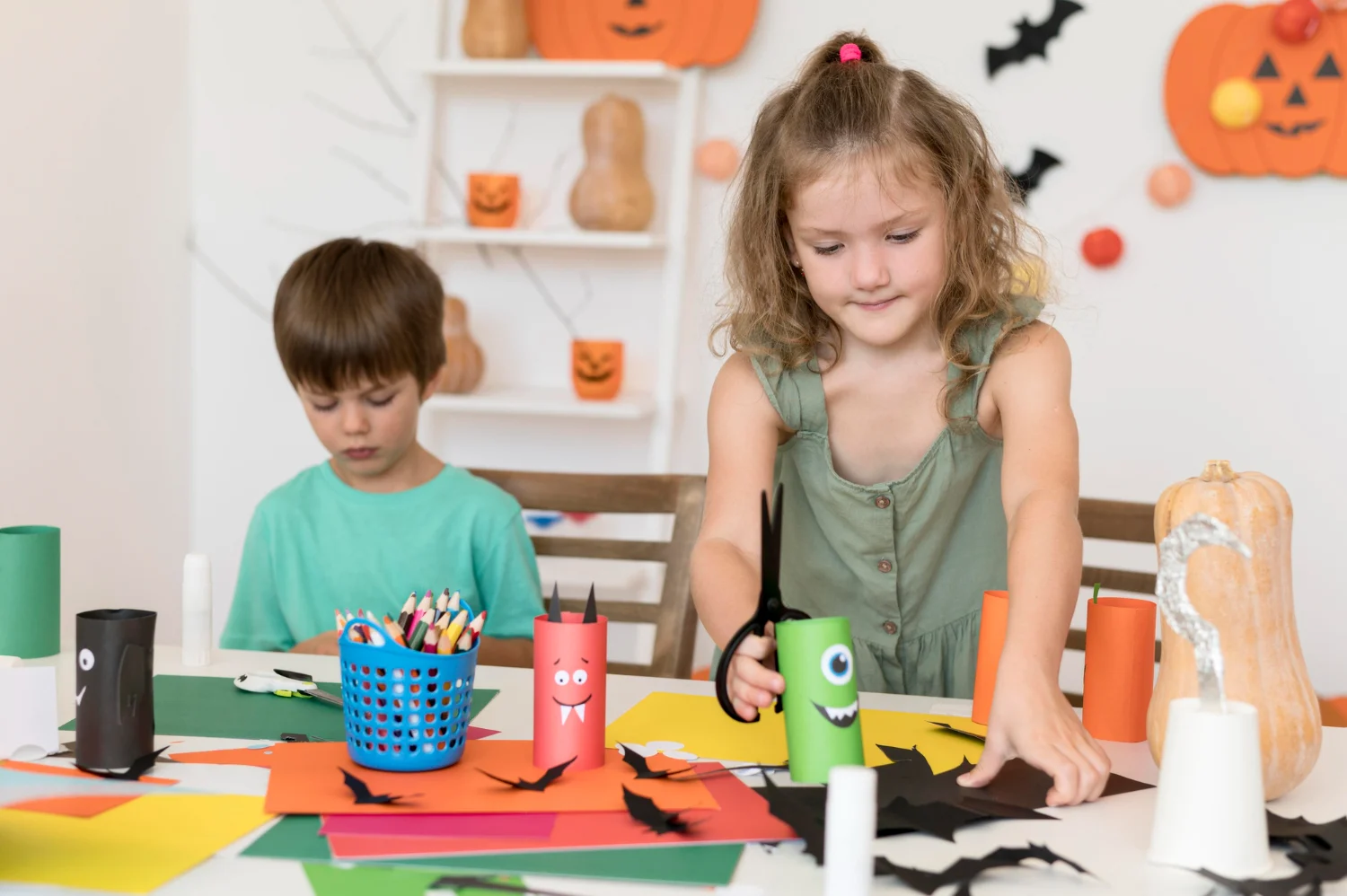
Getting an education is one thing. Being educated is another. Just getting matriculation certificates won’t do any good. Being able to apply what you learned from books to real life situations makes your education complete. This is where Montessori philosophy becomes relevant. Practical life is the backbone of early Montessori environments. From the very beginning of preschool education onwards, Montessori incorporates practical learning activities. In particular, water pouring and spooning help TTC trainees understand:
- How to give minimal, precise demonstrations.
- How to observe without interrupting.
- How to allow error as a learning tool.
- How movement supports cognition and language readiness.
Children who master these activities transition more smoothly to metal insets, sandpaper letters, and early writing work.
Get Certified & Start Your Montessori Career
Montessori Teacher Training Course by Entri App: Gain expert skills, earn certification, and kickstart your teaching career.
Join Now!Core Benefits of Water Pouring and Spooning
There are multiple levels of impact that activities like water pouring and spooning have on the children. Most importantly, these are lasting impacts. Let’s have a look at the ways in which these activities work:
Fine Motor Development
Controlled wrist rotation, grip strength, and finger isolation prepare the hand for writing.
Hand-Eye Coordination
Tracking the water stream or spoon path refines visual accuracy and spatial awareness.
Concentration
The repetitive, purposeful movement naturally lengthens focus spans.
Independence
Children manage setup, execution, and clean-up – building real-life competence.
Sensory Integration
The sound of water, weight of beans, and tactile feedback calm and organize the nervous system.
Essential Materials for the Lesson
Well, you can make water pouring and spooning look interesting for the kids with the kind of things you use for them. The materials need to be chosen based on the need as well as the function especially catering to the kids. Here is what they specifically can be:
Water Pouring
- 2 small glass pitchers (100 to 200 ml, curved spout)
- Tray with raised edges
- Small sponge or cloth
- Floor mat (optional)
Spooning
- 2 small bowls
- Child-sized spoon (metal or wooden)
- Dry materials: rice, lentils, or beans
- Tray for spill control
Pro Tip:
Use real, breakable materials under supervision to build responsibility and care. This might seem challenging for both the teachers as much as for the kids. But, trust the process, it will turn out great.
Step-by-Step Lesson Plan: Water Pouring
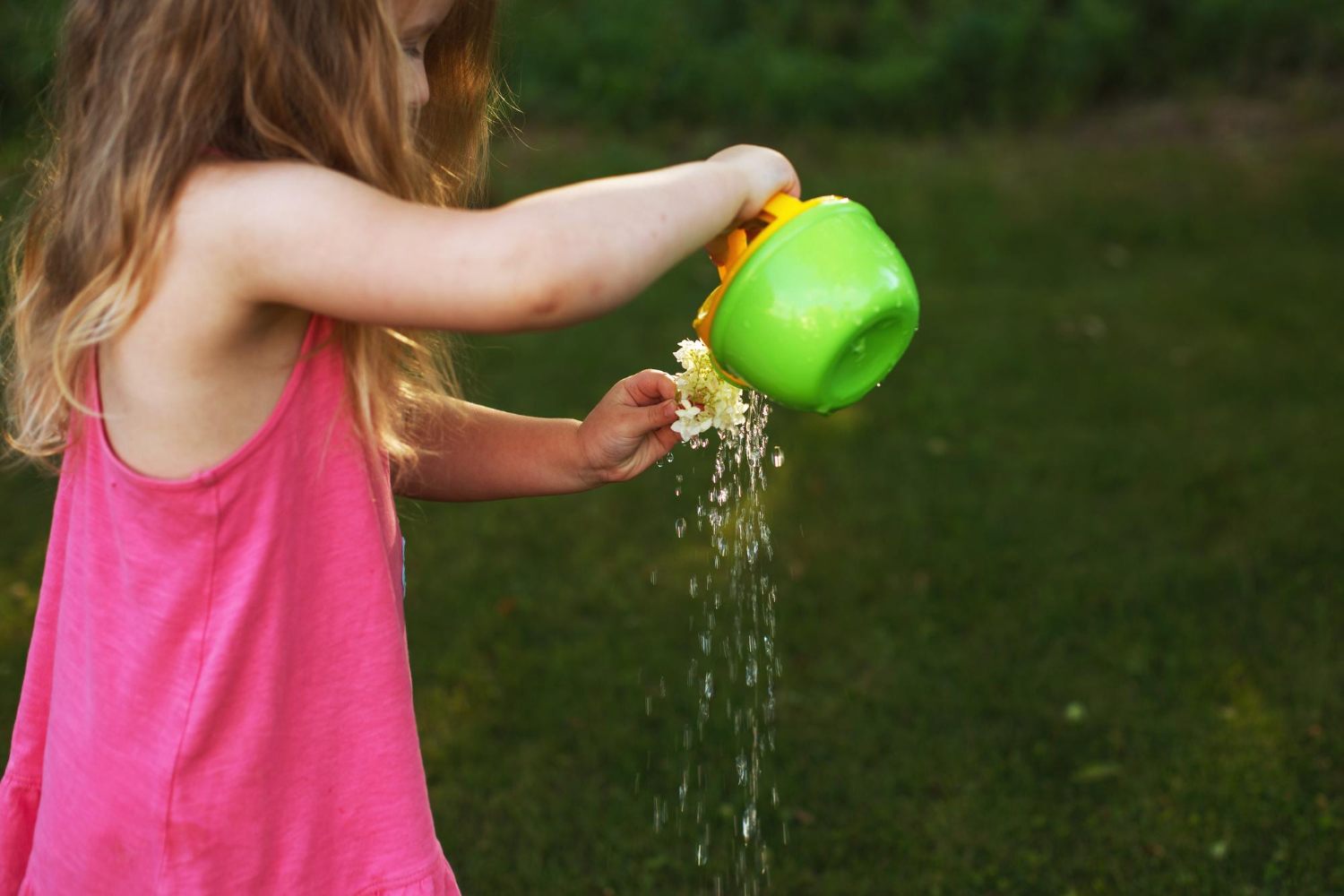
When it comes to activities that are child-centred and self-correcting sessions, you might encounter unforeseen happenings. So, it is important that you have a pre-set system at which the session runs. The motive need not be pushed, but let them go with the flow. Here are the core factors to keep check on during water pouring sessions:
Direct Action
Invite the child, carry the tray together, and demonstrate a slow, silent pour from the left pitcher to the right.
Context / Nuance
Hold the pitcher with both hands, tilt gently, and stop before overfilling. Link the movement to real-life pouring (water, tea, juice).
Proof / Observation
Classroom data shows spill reduction within 1 to 2 weeks and longer independent work cycles.
Teaching Sequence
- Preparation – Child carries the tray to the table.
- Demonstration – One slow, exaggerated pour.
- Child Practice – Independent repetition.
- Self-Correction – Use a sponge for spills.
- Completion – Return material to shelf.
Duration: 15 to 20 minutes.
Frequency: Daily repetition for mastery.
Get Certified & Start Your Montessori Career
Montessori Teacher Training Course by Entri App: Gain expert skills, earn certification, and kickstart your teaching career.
Join Now!Step-by-Step Lesson Plan: Spooning Activity

When you set up a session on practical life activities, the kids are more likely to be keen and enthusiastic. They feel like they are treated as adults and that makes it all the more impactful. Here is how you can make the kids pick up and indulge in spooning activities.
Direct Action
Demonstrate scoop → level → transfer from left bowl to right.
Context / Nuance
Focus on wrist control and small, measured scoops to avoid spilling.
Proof / Observation
Spooning improves bilateral coordination and precision needed for writing strokes.
Teaching Sequence
- Fill the left bowl with beans
- Demonstrate one slow transfer
- Child repeats 5 to 10 scoops
- Introduce variations (different grains, colors)
- Child restores the tray independently
Age Adaptations
Kids from different age groups obviously have different ranges of picking up and dealing with such activities. When it comes to practical life activities, cognition and practice also happen differently.
2.5 to 3 Years
- Larger spoons
- Water-only pouring
- Goal: spill awareness and basic control
3 to 4 Years
- Introduce beans and lentils
- Encourage longer work cycles
- Goal: 10-minute focused activity
4 to 6 Years
- Blindfolded pouring (advanced sensory control)
- Timed precision challenges
- Peer leadership roles
Progress Tracking for TTC Portfolios
Even though the activities are self-paced, it is important that you keep track of the progress regularly. Wondering how it is done? Use weekly observation metrics based on the following key factors (rate 1 to 5):
- Grip control
- Pour accuracy
- Spill management
- Work duration
- Independence in clean-up
Documenting these helps TTC trainees demonstrate assessment without testing, which is a core Montessori principle.
Common Challenges and Montessori Solutions

As already mentioned, this whole idea comes with a baggage of challenges. The kids are more likely to get frustrated and dealing with that is challenging for both them and the teachers. Here are specific instances that emerge as challenges.
Spills
Treat it as part of learning. Always provide a sponge – never correct verbally.
Frustration
Step back and allow repetition. Mastery comes through movement.
Over-pouring
Use smaller pitchers and demonstrate “just enough.”
Loss of Interest
Rotate materials (colored rice, different spoons, funnels).
Classroom Management Tips for TTC Trainees
Here is a quick set of tips to pick for managing a classroom full of young kids.
- Present once, slowly, silently
- Sit to the child’s dominant side
- Avoid verbal overload
- Observe before intervening
- Restore order after every cycle
These techniques build grace, courtesy, and normalized classroom behaviour.
Register for the Entri Elevate Montessori Teacher Training Program! Join Now!
Conclusion
Water pouring and spooning are deceptively simple but developmentally powerful Montessori activities. They transform everyday movements into structured learning experiences that strengthen the hand, focus the mind, and build independence. For Montessori TTC trainees, mastering these presentations is essential – not just as a teaching requirement, but as a gateway to understanding how movement, order, and freedom work together to support the whole child. When presented with precision and respect, these exercises lay the groundwork for writing readiness, emotional regulation, and lifelong self-confidence.
Keep track of these activities, their impact and scope for improvements for effective rendition of the Montessori ways. Start framing your own lesson plan and see how well it works for both.
|
RELATED POSTS |
|
|
Montessori Teacher Training Course For Housewives: A Complete Guide |
|
|
Developing Social Skills in Preschoolers: A Montessori Approach |
|
Get Certified & Start Your Montessori Career
Montessori Teacher Training Course by Entri App: Gain expert skills, earn certification, and kickstart your teaching career.
Join Now!Frequently Asked Questions
What is the purpose of water pouring in Montessori?
To develop fine motor control, concentration, and independence through purposeful movement.
At what age can a child start spooning activities?
Around 2.5 years, once basic hand control and interest in practical life emerge.
Why use glass pitchers instead of plastic?
Glass teaches care, responsibility, and realistic weight control.
How does this help with writing readiness?
It strengthens finger muscles and improves wrist stability for pencil grip.
Can this activity be done at home?
Yes, using child-sized kitchen tools and a tray for spill control.
How often should it be presented?
Daily practice leads to faster mastery.
What if a child keeps spilling water?
Offer a sponge and allow repetition without verbal correction.
How do you introduce the activity?
Through a slow, silent demonstration followed by independent practice.
What is the control of error in pouring?
Visible spills and overfilling help the child self-correct.