Table of Contents
Key Takeaways:
- Women with career gaps often face challenges like skill gaps, low confidence, and limited job opportunities.
- Teaching, especially Montessori education, offers a flexible and stable career option for women restarting work.
- Montessori Teacher Training (TTC) provides practical skills, confidence, and certification to re-enter the workforce.
- Completing Montessori training opens career opportunities in preschools, daycare centers, and teaching roles.
- The demand for trained Montessori teachers in India is growing, making it a reliable long-term career choice.
Introduction

Taking a break from a professional career is a reality for many women, often due to responsibilities such as childcare, family commitments, or personal circumstances. While these breaks are meaningful, returning to the workforce can feel overwhelming. Many women face challenges like outdated skills, reduced confidence, and limited flexible job opportunities. However, a career gap does not define one’s potential—it can be the beginning of a fresh and fulfilling professional journey.
Montessori Teacher Training offers a practical and rewarding pathway for women looking to restart their careers with stability and purpose. Rooted in the child-centered educational philosophy developed by Dr. Maria Montessori, this training equips individuals with the skills needed to guide young learners in a nurturing and structured environment. The demand for trained Montessori teachers is steadily increasing, especially in India, making it a promising career option.
This blog explores how women with career gaps can rebuild their confidence, gain relevant skills, and secure stable employment through Montessori Teacher Training, ultimately achieving both professional growth and personal satisfaction.
Register for the Entri Elevate Montessori Teacher Training Program! Join Now!
Challenges Women Face After Career Gaps
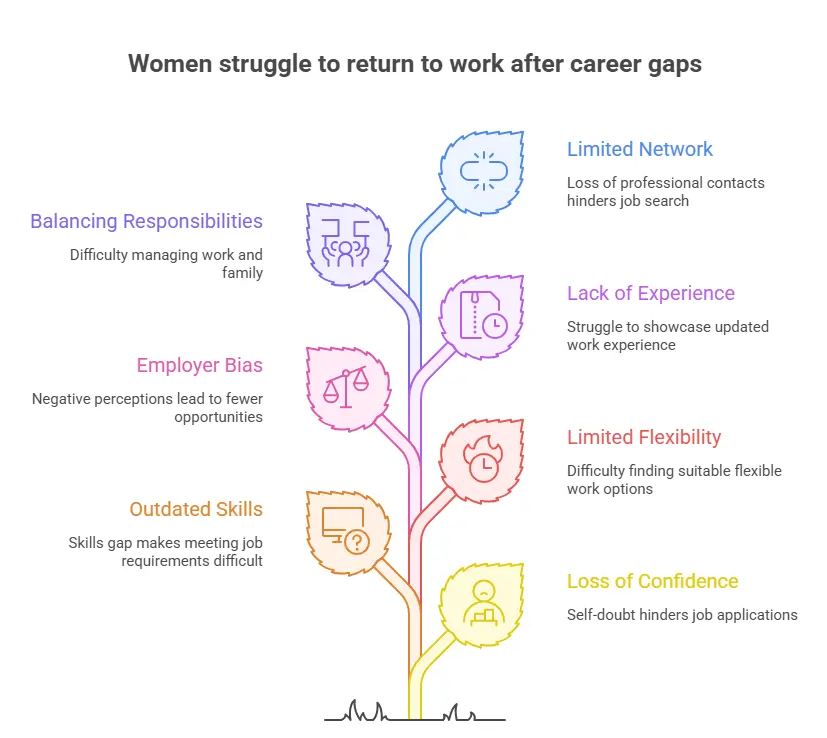
Taking a career break is often a necessary and meaningful choice for many women. However, returning to work after a gap can bring several emotional, professional, and practical challenges. Understanding these challenges can help women prepare better and take confident steps toward rebuilding their careers.
1. Loss of Confidence and Self-Doubt
One of the most common challenges women face after a career gap is a drop in self-confidence. Being away from a professional environment for a long time can make them feel disconnected from their skills and abilities. Many women begin to question whether they are still capable of performing well in a job role. This self-doubt can prevent them from applying for opportunities or attending interviews, even when they are qualified.
2. Outdated Skills and Knowledge
Industries evolve quickly, and new tools, technologies, and practices emerge regularly. After a career break, women may feel that their skills are no longer up to date. This gap in knowledge can make it difficult to meet current job requirements. For example, changes in digital tools, teaching methods, or workplace practices may require additional learning and training to stay relevant.
3. Difficulty in Finding Flexible Job Opportunities
Many women returning to work still have ongoing family responsibilities, such as childcare or managing the household. As a result, they often look for flexible work options like part-time roles or fixed working hours. However, such opportunities may be limited or not easily accessible in all fields, making the job search more challenging.
4. Employer Bias and Career Gap Stigma
Unfortunately, some employers may view career gaps negatively. They may assume that women with gaps are less committed or less capable compared to other candidates. This bias can lead to fewer interview calls or missed opportunities, even if the candidate has strong skills and experience. Facing such perceptions can be discouraging for many women.
5. Lack of Recent Work Experience
Recruiters often prefer candidates with recent and continuous work experience. Women with career gaps may struggle to showcase updated experience on their resumes. This can make it harder to compete with other applicants who have been continuously working in the field.
6. Balancing Personal and Professional Responsibilities
Returning to work also means managing both home and career at the same time. Women may find it challenging to balance work deadlines with family responsibilities, especially in the initial stages. This balancing act can feel overwhelming and may affect their ability to fully focus on their careers.
7. Limited Professional Network
During a career break, many women lose touch with their professional contacts and networks. Networking plays a key role in finding job opportunities and staying updated about industry trends. Without strong connections, it can take longer to discover suitable roles or get referrals.
Why Teaching is a Good Career Option
Choosing the right career after a break can feel confusing, especially when you are looking for stability, flexibility, and personal satisfaction. Teaching stands out as one of the most suitable and rewarding career options for women, particularly those returning to work after a gap. It offers not just a job, but a meaningful way to make a difference in the lives of others.
1. A Meaningful and Purpose-Driven Career
Teaching is more than just a profession—it is a role that shapes the future. As a teacher, you play a key part in a child’s growth, helping them learn, explore, and build confidence. This sense of purpose brings deep personal satisfaction. Many women find teaching emotionally fulfilling because they can see the direct impact of their work on young minds.
2. Flexible Work Environment
One of the biggest advantages of a teaching career is its flexibility. Schools often have fixed working hours, which makes it easier to balance personal and professional responsibilities. This is especially helpful for women managing households or taking care of children. In some cases, there are also part-time, online, or home-based teaching opportunities, offering even more flexibility.
3. High Demand and Job Stability
The demand for qualified teachers, especially in early childhood education, is consistently growing. With the increasing number of schools and preschools, there is a steady need for trained educators. This makes teaching a stable career option with long-term opportunities. Once you gain the required skills and training, finding a job becomes easier compared to many other fields.
4. Easy Re-entry After Career Gaps
Teaching is one of the few professions that welcomes individuals returning after a career break. With the right training, such as Montessori Teacher Training, women can quickly update their skills and re-enter the workforce. Unlike some corporate roles that demand continuous experience, teaching values passion, patience, and the ability to connect with students.
5. Continuous Learning and Growth
Teaching is a career where you never stop learning. Every day brings new experiences, challenges, and opportunities to grow. Teachers often develop important skills like communication, creativity, problem-solving, and leadership. Over time, there are also opportunities to grow into roles such as senior teacher, coordinator, or school administrator.
6. Respect and Social Value
Teachers are respected members of society because of the important role they play in shaping future generations. Being a teacher brings a sense of pride and recognition. It is a profession that is valued not just financially, but also socially and emotionally.
7. Opportunity to Work Anywhere
Teaching skills are transferable, meaning you can work in different schools, cities, or even countries. This gives women the freedom to move or relocate without worrying too much about job availability.
What is Montessori Teacher Training?
Montessori Teacher Training is a professional course designed to prepare individuals to become skilled and confident teachers using the Montessori method of education. This method was developed by Maria Montessori, who believed that children learn best through hands-on experiences, independence, and self-directed activities.
Understanding the Montessori Approach
The Montessori method is different from traditional teaching styles. Instead of just giving instructions, teachers guide children to learn at their own pace. The classroom is designed in a way that encourages curiosity, creativity, and independent thinking. Children are allowed to explore materials, solve problems, and learn through real-life experiences.
Montessori Teacher Training helps you understand how children grow and learn at different stages. It teaches you how to observe each child carefully and support their individual learning journey.
What You Learn in Montessori Teacher Training
This training program covers both theory and practical skills needed to become an effective teacher. Some of the key areas include:
- Child Psychology and Development: You learn how children think, behave, and grow emotionally and intellectually.
- Montessori Teaching Methods: You understand how to guide children instead of controlling their learning.
- Use of Montessori Materials: The course teaches how to use special learning tools designed to improve motor skills, language, and problem-solving abilities.
- Classroom Management: You learn how to create a calm, organized, and positive learning environment.
- Practical Training: Many courses include hands-on teaching practice, which helps build confidence.
Who Can Join This Training?
Montessori Teacher Training is open to anyone interested in teaching young children. It is especially suitable for women who want to restart their careers after a break, as it does not always require prior teaching experience. Passion for working with children and a willingness to learn are the most important requirements.
Duration and Certification
The duration of Montessori Teacher Training can vary from a few months to one year, depending on the course. After completing the training, you receive a certification that allows you to work in preschools, kindergartens, or even start your own learning center.
Why it is a Valuable Career Choice
Montessori Teacher Training is not just about getting a job—it is about building a meaningful career. It equips you with practical skills, improves your confidence, and opens up opportunities in a growing field of early childhood education.
Benefits of Montessori TTC for Career Restart
Restarting a career after a break can feel challenging, but Montessori Teacher Training Course (TTC) offers a smooth and supportive path back into the professional world. It is especially helpful for women who want a stable, flexible, and meaningful career.

1. Builds Confidence Step by Step
One of the biggest benefits of Montessori TTC is that it helps rebuild confidence. After a career gap, many women feel unsure about their abilities. This training provides a friendly and supportive learning environment where you can slowly regain your self-belief. Through practical sessions and guided learning, you begin to feel more prepared and confident to step back into a job.
2. Helps You Learn Relevant and Updated Skills
Montessori TTC focuses on practical teaching skills that are in demand today. You learn modern teaching methods, child psychology, and how to use Montessori materials effectively. These updated skills make you job-ready and help you match current industry expectations, even after a long break.
3. Easy Entry into the Teaching Field
Unlike many careers that require years of experience, Montessori training allows you to start fresh. Even if you do not have a teaching background, you can easily enter this field after completing the course. It is designed in a simple and easy-to-understand way, making learning comfortable for beginners.
4. Flexible Career Opportunities
After completing Montessori TTC, you can choose from different types of job roles. You can work as a preschool teacher, assistant teacher, daycare educator, or even start home-based classes. The working hours are usually fixed and shorter compared to corporate jobs, which helps you balance work and family life easily.
5. High Demand for Montessori Teachers
The demand for trained Montessori teachers is increasing, especially in early childhood education. Many parents today prefer Montessori learning for their children. This creates more job opportunities in schools, playgroups, and learning centers. With the right training, finding a job becomes easier and quicker.
6. Opportunity to Earn and Grow
Montessori TTC not only helps you restart your career but also gives you a chance to grow financially. With experience, you can take up higher roles like senior teacher or coordinator. Some women also start their own preschools or tuition centers, creating an independent source of income.
7. Brings Personal Satisfaction
Teaching young children brings a sense of happiness and purpose. You get to guide, support, and shape young minds. This emotional satisfaction is something that many other jobs may not offer. It makes your work feel meaningful every day.
8. Work-Life Balance Becomes Easier
One of the most important benefits is the ability to maintain a healthy work-life balance. With fixed school timings and holidays, you get enough time for your family and personal life. This makes Montessori TTC a perfect career choice for women managing multiple responsibilities.
Career Opportunities After Montessori Training
Completing Montessori Teacher Training opens the door to many career opportunities, especially in the field of early childhood education. The best part is that these roles are not only stable but also flexible and fulfilling, making them ideal for women restarting their careers.
1. Preschool or Montessori Teacher
One of the most common career options is becoming a preschool or Montessori teacher. In this role, you will guide young children through fun and meaningful learning activities. You help them develop basic skills like communication, motor skills, and social behavior. This job is both rewarding and stable, with fixed working hours.
2. Assistant Teacher
If you are new to teaching, you can start as an assistant teacher. In this role, you support the main teacher in managing the classroom and helping children during activities. It is a great way to gain practical experience and slowly build confidence before taking full responsibility as a lead teacher.
3. Daycare or Nursery Educator
Many daycare centers and nurseries look for trained Montessori teachers to take care of young children. This role involves both teaching and caregiving. You will ensure that children feel safe, engaged, and happy while learning simple activities throughout the day.
4. Home-Based Tutor or Educator
For women who prefer working from home, starting home-based classes is a great option. You can teach small groups of children in your neighborhood. This gives you flexibility, independence, and the opportunity to earn without stepping out of your home.
5. Curriculum Planner or Activity Designer
With experience, you can also work behind the scenes as a curriculum planner. In this role, you design lesson plans, activities, and learning materials based on the Montessori method. This is a good option if you enjoy creativity and planning more than classroom teaching.
6. School Coordinator or Supervisor
As you gain experience, you can move into higher roles such as coordinator or supervisor. In this position, you manage teachers, plan school activities, and ensure that the Montessori method is followed properly. It is a leadership role with better career growth and salary.
7. Starting Your Own Preschool or Learning Center
Many women choose to become entrepreneurs after completing Montessori training. You can start your own preschool, daycare center, or playgroup. This gives you full control over your work and the chance to build your own brand while helping children learn and grow.
8. Online Teaching Opportunities
With the growth of digital learning, online teaching is also becoming popular. You can conduct virtual classes for young children, especially for basic learning and activity-based sessions. This adds more flexibility to your career.
Demand for Montessori Teachers in India
The demand for Montessori teachers in India has been growing steadily in recent years. More parents now understand the value of early childhood education and prefer a learning approach that focuses on creativity, independence, and hands-on activities. Montessori education fits perfectly with these expectations, which is why many schools are adopting this method.
As a result, trained Montessori teachers are in high demand, especially in urban areas like Delhi, Mumbai, Bangalore, and Pune. However, smaller cities are also catching up as awareness spreads. Schools are looking for teachers who are patient, caring, and trained in Montessori methods. Even preschools and daycare centers prefer candidates with Montessori certification.
Another reason for this demand is the rise in nuclear families, where parents seek structured and supportive learning environments for their children. This creates more job opportunities for teachers in this field. Overall, Montessori teaching is becoming a promising career option in India. It offers job stability, personal satisfaction, and the chance to shape young minds in a meaningful way.
Register for the Entri Elevate Montessori Teacher Training Program! Join Now!
Conclusion
Get Certified & Start Your Montessori Career
Montessori Teacher Training Course by Entri App: Gain expert skills, earn certification, and kickstart your teaching career.
Join Now!Frequently Asked Questions
What is Montessori teacher training?
Montessori teacher training is a course that teaches you how to educate young children using the Montessori method. It focuses on activity-based learning, independence, and helping children learn at their own pace.
Can women with career gaps apply for Montessori training?
Yes, absolutely. There is no age limit in most cases, and many institutes welcome women who want to restart their careers after a break.
Do I need prior teaching experience? No, prior teaching experience is not required. The training program is designed for beginners and helps you learn everything from the basics. How long does the training take? The duration can vary. Some courses take a few months, while others may take up to a year, depending on the level and institute.
No, prior teaching experience is not required. The training program is designed for beginners and helps you learn everything from the basics.
How long does the training take?
The duration can vary. Some courses take a few months, while others may take up to a year, depending on the level and institute.
Is Montessori teaching a stable career option?
Yes, it is considered a stable career. With more preschools and international schools opening, the demand for trained Montessori teachers is increasing.
Can I work part-time after completing the course?
Yes, many schools and daycare centers offer part-time or flexible work options, which is helpful for women managing family responsibilities.
What skills will I gain from this training?
You will learn classroom management, child psychology basics, communication skills, and how to handle young children with care and patience.
Are there job opportunities after completing the course?
Yes, there are many opportunities in preschools, daycare centers, and early learning centers. Some women also start their own small play schools or daycare setups.