
Table of Contents
Imagine a child opening a lunchbox filled with vibrant colors and fresh, whole foods cut down into small pieces that little fingers can handle alone. As many parents struggle to have breakfast in the morning, it takes them each morning to make nutritious meals that feed their children and that foster self-reliance. Healthy lunchboxes are designed for Montessori principles. They transform lunch time into an opportunity for children to learn life skills, to make their own choices and develop a positive relationship with food. These lunchboxes feature real, nutritious ingredients arranged in ways that engage both adventure and insight. Children feel accomplished when they can choose and eat their food independently without adult supervision, and parents feel more happy knowing meals support growth and healthy development.
Register for the Entri Elevate Montessori Teacher Training Program! Click here to join!
What Makes a Lunchbox Montessori-Inspired?
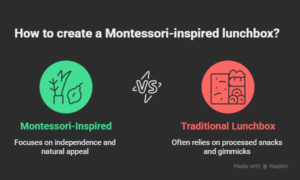
A Montessori-inspired lunchbox focuses on a child’s ability to handle everything from start to finish. Foods are also easy to digest and are easy to handle. They are small, easily digestible, and have small, chewy portions. Children can open and shut containers simply by opening and closing simple lids or latches. When families put two boxes together, the other items are separating so that kids can clearly see what they would be eating first and determine what to eat after. Generally, fruits, vegetables, and whole grains are the foundation; fresh fruit, fresh vegetables, quality proteins, and whole grains can be used instead of sugar-filled or artificially processed snacks.
Variety comes through different colors, shapes, and textures that naturally draw a child’s interest. A red strawberry next to a green cucumber slice and a golden piece of cheese creates visual appeal without any gimmicks. Small servings of several items prevent overwhelm and reduce waste. Children explore flavors and textures at their own pace, which builds confidence and willingness to try new things. The overall setup respects the child’s developing focus and fine motor skills. When lunch feels manageable, eating becomes a calm, enjoyable part of the day rather than a rushed or forced activity.
Importance of Healthy, Independent Eating in Montessori
1: What is the primary focus of the first plane of development in the Montessori method?
An important practical activity for the child in Montessori education is eating – not just nutrition – a fundamental function in life. When children eat themselves and eat themselves without the intervention of adults, coordination, concentration, and order develop, the child develops consistency and self-centeredness. They learn to recognize the signals of hunger and fullness, putting the foundation for healthy eating habits that will last a lifetime. Independence at mealtimes fosters self-confidence because children are successful in balancing their own needs.
Foods fueling their body and developing brains. Fresh produce provides essential vitamins and minerals that help promote immune and cognitive development. Egg, beans, dairy or lean meats are protein sources that provide hardened muscles and keep you active. Whole grains are complex carbohydrates and fiber so that they are effective at focusing during school hours. Healthy fats from avocados, nuts, or seeds can help boost cognitive performance and satisfaction after eating.
In humans children who eat independently become less picky over time. They feel secure in their choices and tend to choose new foods with curiosity instead of resistance. The social skills will also become better, as the group meals encourage conversation, sharing space and manners. There is a tendency to see the child’s excitement about being able to unpack and eat lunch and many say it is less likely that food comes home unpacked. This small daily gain is a good beginning for capable and confident eaters who regard food as a positive experience.
Get Certified & Start Your Montessori Career
Montessori Teacher Training Course by Entri App: Gain expert skills, earn certification, and kickstart your teaching career.
Join Now!Principles to Follow When Preparing Montessori Lunchboxes
A successful Montessori lunchbox follows clear rules aimed at feeding, safety and independence. For example, always prepare food that matches the age and skills of the child. For younger children, cut everything into reusable, chewy pieces – chop grapes, cut carrots into thin sticks, cube cheese, and tear bread into small bits. Choose container with open-opening features and practice opening it at home so the children feel ready.
In each box try to be balanced. Include protein, whole grain, at least one fruit and one or more vegetables. The fat is preferably healthy fat, such as avocado slices or a small bottle of full-fat yogurt. For the best result, some variation goes for variety and some pieces are generous enough to allow for tasting without pressure. Encourage children to make plans when they are interested, including putting out two fruit varieties and the choice of pickling them, or having the kids hummus with them when they come home.
When possible, rethink your purchase for a seasonal staple. Fresh ingredients taste better and teach children to understand natural flavors. Bright colors draw attention to the boxes and make them appealing. Preparation is not only helpful for busy mornings, but they are also helpful for minimizing the tempo and tempo in a hectic morning. Roast a tray of vegetables, roast quinoa, or cook eggs over Sunday evening.
Pack for school in a wise gesture. Small fork or spoon if the child is comfortable using it, and a cloth napkin if the child needs to clean up alone. The entire setup has a spill-proof water bottle. When safe, it is a good idea to also take into account safety first – keep their toddlers out of chokepoint hazards and check school policy regarding nuts or other allergens. As a result, as they follow these principles lunch offers foods that nourish, expand skills, and give relief to children and parents.
Healthy Lunchbox Ideas for Toddlers
Kinderlovers can get small, soft finger foods that they can eat easily, and they love simple finger foods. Cuttible seedless grapes and softly baked bread with small cubes of mild cheese and pieces of soft whole-grain bread give the flavor that is natural and soothing in a combination with milk and rice. mashed avocado and thinly shredded chicken fill each tiny pita pocket with healthy fats and a firm protein, and cool cucumber sticks add a cool crisp crunch. It is a small container of plain yogurt or smooth hummus and toddlers love to explore the spread with their fingers or soft vegetable pieces.
Small fruit and seed bites that are freshly mashed ripe banana then heated and chilled until firm add fiber and important nutrients in an unexpectedly fun shape. They can be served with soft carrot sticks and soft cooked green peas easily graspable by toddlers. For small children, baked egg muffins with finely chopped spinach and a bit of cheese make a good portable protein source; they are usually made up of mini cakes or cookies. Cherry tomatoes chopped into quarters, sliced apple without the peel removed, and a few whole-grain crackers complete a variety of satisfying combinations.
In a gentle salad, cooked quinoa with diced cucumber, feta crumbles, and a bit of olive oil add texture to this healthy salad that contains little surprises. Fresh blueberries tossed in on the box add an appealing aroma. Pinwheel sandwiches come in a wide tortilla with cream cheese, turkey slices and baby spinach, wrapped and cut into circles with spirals as well. To add a cool, fresh treat overnight, freeze an overnight yogurt tube.
Tummy friendly solutions can come from soft pear slices, steamed broccoli in boiling water and small cubes of sweet potato. Cold leftover mild chicken and roasted vegetable cubes is perfect. Toddlers especially enjoy banana pieces spread lightly with seed butter and rolled flat like tiny sushi logs when allergies are not a concern. These varied choices support rapid growth while building fine motor control and confidence at every meal.
Healthy Lunchbox Ideas for Preschoolers
Preschoolers will master complex textures and enjoy filling up their lunch bowls with their own bites. The cheese slices stacked beside whole-grain crackers, fresh tomato wedges, provide a space for children to stack and sculpt mini sandwiches as they snack. The triangles of whole-wheat pita topped with hummus and strips of bright bell peppers are dip or experimented with flavors. Peeled hard-boiled eggs provide complete protein that preschoolers can handle themselves, as does halved strawberries and orange segments.
Cold pasta salad with halved cherry tomatoes, diced cucumber, mini mozzarella balls and a light olive oil dressing are fun shapes and mild tastes. While sour lime-infused black bean and corn salad provides protein and fiber, it’s also lightly breaded with vegetable protein. Turkey slice wrapped thin sticks of avocado and carrot, as well as bread strips and wrap, create easy handheld wraps that stick together good. As they go, children add small chunks of yogurt parfaits in small containers with berries and granola to mix as they go.
Fascinating combinations from across the world come together to create a delicious meal with chilled quinoa, diced mango, black beans and cilantro. Small baked muffins made with grated zucchini and carrot conceal vegetables in an equally familiar shape that is readily accepted by children. String cheese and apple wedges, along with several whole-grain pretzel sticks, provide flavorful bite.
Skewers made for school use with short, blunt sticks threaded with bread, ham, cheese, cherry tomatoes turn eating into game. Vegetable sticks, and little cup of ranch dressing with yogurt, are plenty for dipping. Onigiri-type rice balls shaped like a hidden bit of cooked vegetables give each full grain rice ball a portable appearance. A glass of fruit and spinach smoothie that is cooled on the counter makes it easy to serve greens straight out of the fruit and spinach ricotta.
Preschoolers often enjoy choosing their protein or vegetable the night before, which increases excitement for the next day’s lunch. These balanced, colorful options supply steady energy for learning and active play while continuing to strengthen independence and adventurous palates.
Get Certified & Start Your Montessori Career
Montessori Teacher Training Course by Entri App: Gain expert skills, earn certification, and kickstart your teaching career.
Join Now!Simple Food Prep Activities Kids Can Help With
Children appreciate participating in their own meal, and even young toddlers can help to participate safely. Fruit and vegetables are washable under cold running water to develop coordination and food caring. There are plenty of ways to store clean berries or grapes in small bowls or even directly in lunch containers. Peeling bananas or easy-peel tangerines creates perfect pinch grip and provides instant relief when the fruit shows up.
With a kid-safe spreader, bread or crackers should be easy to control motor activity. As you layer simple toppings like turkey slices or cucumber rounds, you practice sequencing. A little stirring and portion awareness is helpful when mixing plain yogurt with cut fruit in a colorful parfait.
Preschoolers can crack eggs into a bowl or whisk the egg to make weekend egg muffins. Measure the dry ingredients like oats or quinoa in small cups and then put them in pots. Stirring batters or salad dressings strengthens arms and attention. Cooking soft dough as a flatbread or small cookies makes the pleasure of rolling it and instructs pressure regulation.
Child-safe knives, with child-safe handles, also ensure that banana, strawberry, or cooked sweet potato cutting is safe and professional. Tearing lettuce leaves or herb sprigs for salads works with delicate finger muscles. Squeezing fresh orange halves into a juicer produces refreshing drinks and shows cause and effect.
The contents of the prepared foods into lunchbox compartments are their own and are held at the children’s disposal. Even to set the family table, folding napkins, forks and plates, puts weight on the responsibility. These hands-on experiences create a connection for children to food, and they transform them dramatically into wanting to eat what helps build their own. Start with one or two tasks and add more as the skills grow. The time invested returns many times more with tepid, enthusiastic eaters.
Register for the Entri Elevate Montessori Teacher Training Program! Click here to join!
Conclusion
A healthy lunchbox inspired by Montessori principles can be a nourishing lunchbox for the whole family; more than merely “going out” for healthy midday foods they give the child independence, curiosity and long-term aversion to good food. When children load and eat their lunches properly, they learn to lift themselves up and sharpen minds, skills that they need throughout life. Bright, whole foods attract exploration and provide balanced nutrition that promotes growth on a variety of stages.
Parents quickly realize meaningful differences. The children take new foods with curiosity instead of suspicion, serve more breakfasts, and look up proudly at their self-reliance. These simple everyday behaviors are long behind childhood and adults who act wisely about eating and caring for themselves.
Start with a small change—one new fruit, one shared prep, one open container. When possible, involve children in decisions and celebrate their work. And so the results seem to repeat: happier meals, less stress on food, and young people who enjoy taking care of themselves. Healthy Montessori approaches demonstrates that nurturing children means feeding them both food and spirits, and the way in which they grow into resilient and independent citizens.
| Also Read | |
| Montessori Teacher Salary in Chennai | |
| What Qualifications Do You Need for Kindergarten Teacher Jobs? |
|
| Montessori Pink Tower Making | |
| Knobbed Cylinders in Montessori | |
Get Certified & Start Your Montessori Career
Montessori Teacher Training Course by Entri App: Gain expert skills, earn certification, and kickstart your teaching career.
Join Now!Frequently Asked Questions
What exactly is a "Montessori-inspired lunchbox," and how does it fundamentally differ from a regular packed lunch?
A Montessori-inspired lunchbox is not just about the food itself, but about the entire experience of mealtime for the child. It’s designed as a tool for fostering independence, practical life skills, and a healthy relationship with food. The fundamental difference lies in its intentional design around the child’s capabilities and autonomy.
While a regular lunch might prioritize convenience for the parent or simply getting calories into the child, a Montessori lunchbox is child-centered. It features:
-
Accessible, Whole Foods: Items are fresh, unprocessed, and cut into small, manageable, non-slippery pieces a child can easily pick up (e.g., thick sticks, small cubes, halves).
-
Child-Friendly Containers: Easy-open lids (like simple latches or silicone lids a child can pull off), compartments, or small separate containers the child can open and close without frustration or adult help.
-
A “Buffet-Style” Setup: Instead of a pre-assembled sandwich, foods are presented separately. This allows the child to see all their options clearly, make choices about what to eat and in what order, and experience different textures and flavors individually.
-
Purposeful Variety: It includes a balance of protein, whole grains, fruits, and vegetables, presented in a rainbow of colors and a mix of shapes and textures to naturally engage the child’s senses and curiosity.
-
Manageable Portions: Small servings of several items prevent overwhelm, reduce waste, and empower the child to “finish” their meal, building a sense of accomplishment.
In essence, it transforms lunch from a passive feeding activity into an active learning opportunity for self-care, decision-making, and sensory exploration.
Why is fostering independence at lunchtime so critical in early childhood development, according to Montessori principles?
In Montessori philosophy, practical life activities like eating are foundational for holistic development. Independence at mealtime is critical because it directly builds:
-
Self-Confidence and Agency: Successfully opening containers, choosing food, and feeding oneself provides tangible, daily victories. This reinforces the child’s belief in their own capabilities, fostering an “I can do it” mentality.
-
Fine Motor Skills & Coordination: The acts of pinching a blueberry, spearing a pasta piece with a child-safe fork, or twisting open a container lid develop hand-eye coordination and dexterity essential for writing and other tasks.
-
Concentration & Order: The sequential process of unpacking, eating, and repacking their lunchbox requires focus and creates a sense of internal order. A predictable, manageable routine around food provides security.
-
Internal Regulation: When children control their pace and choices, they learn to listen to their bodies’ hunger and fullness cues. This is the bedrock of a lifelong healthy relationship with food and helps prevent overeating or undereating later in life.
-
Reduced Power Struggles: By handing over appropriate control (e.g., “Would you like carrots or cucumbers today?”), meals become a collaboration rather than a battleground, decreasing picky eating tendencies.
It’s about respecting the child as an individual capable of participating in their own care, which nurtures intrinsic motivation and self-esteem.
How can I practically structure a balanced Montessori lunchbox? What should be on the "mental checklist" for each meal?
A balanced Montessori lunchbox follows a simple, flexible template to ensure nutritional completeness and engagement. Use this mental checklist:
-
1. A Quality Protein (for muscle growth & sustained energy):
-
Examples: Hard-boiled egg halves, shredded roast chicken, chickpeas, black beans, mini meatballs, cubes of cheese, turkey slices, plain yogurt.
-
-
2. A Whole Grain or Complex Carb (for brain fuel & focus):
-
Examples: Whole-wheat pasta, quinoa, brown rice balls, whole-grain crackers, small whole-wheat pita, oatmeal muffin.
-
-
3. At Least One Vegetable (for vitamins & fiber):
-
Examples: Steamed broccoli florets, cucumber sticks, bell pepper strips, roasted sweet potato cubes, cherry tomatoes (halved for safety), snap peas.
-
-
4. At Least One Fruit (for natural sweetness & nutrients):
-
Examples: Blueberries, halved strawberries, orange segments, apple slices (perhaps tossed in lemon water), banana chunks, melon balls.
-
-
5. A Healthy Fat (for brain development & satiety):
-
Examples: Avocado slices, a small portion of nut butter (if allowed), seeds (pumpkin, sunflower), olive oil in a pasta salad, full-fat cheese.
-
Additional Principles: Include 4-6 small items total to avoid overwhelm. Think about color and texture contrast. Ensure everything is safely prepared for your child’s age and chewing ability. The goal is to cover these categories, not to pack large quantities.
My child is a picky eater. How can a Montessori-style lunchbox approach help expand their palate and reduce mealtime resistance?
The Montessori lunchbox is uniquely effective for picky eaters because it removes pressure and frames food as an exploration.
-
Choice Within Limits: Instead of a single, potentially rejected item, they have 4-6 options. They might choose to eat only the crackers and cheese one day, but the strawberries and cucumbers are still there, seen and normalized. The next day, they might try a cucumber.
-
Exposure Without Coercion: The repeated, non-forceful presence of a food in their lunchbox (“Division of Responsibility” in action: you provide, they decide to eat) leads to familiarity. A child may need to see a food 10-15 times before feeling comfortable tasting it.
-
Sensory Exploration First: The setup allows children to interact with food on their terms—touching, smelling, and looking at it without the pressure to immediately put it in their mouth. They might squish a bean or play with stacking a cracker and cheese before eventually tasting.
-
Manageable Portions: A single broccoli floret is less intimidating than a pile of broccoli. A “try it” portion lowers the stakes.
-
Empowerment: When a child feels in control of their choices, their natural curiosity often overrides resistance. The act of choosing the red pepper strip themselves is more powerful than being given it.
Success is redefined from “cleaning the plate” to “engaging with the meal independently,” which naturally reduces anxiety and power struggles around food.
What are the best types of containers and lunchboxes to buy to truly support a child's independence?
The ideal container is safe, simple, and empowers the child. Prioritize these features:
-
Easy-Open Mechanisms: Look for lightweight containers with silicone lids that pop off, simple latches, or screw-top lids a child can manage. Avoid complex, stiff clasps or Thermos-style lids that require significant strength.
-
Compartmentalization: Bentgo-style boxes with built-in dividers or Japanese-style Bento boxes are excellent. Alternatively, use several small, separate containers (like 4-oz glass or stainless steel rounds with easy lids) placed inside a larger lunch bag. Compartments keep foods from touching (important for some kids) and make choices visually clear.
-
Child-Scale Size: The containers and the overall lunchbox should be proportionate to the child’s hands and lunch bag. They should be easy to lift, open, and handle.
-
Durability & Safety: Stainless steel or glass (with silicone sleeve) are non-toxic, easy-to-clean options. BPA-free plastic can work if it’s high-quality and doesn’t stain.
-
Practical Accessories: Include a child-sized spoon or fork they can manage and a small, cloth napkin they can use themselves. A spill-proof water bottle they can open is essential.
-
Preparation: Practice opening and closing containers at home during play or snack time so the child feels confident and competent when they are at school.
Can you provide specific, detailed lunchbox ideas for a young toddler (18-24 months) versus an older preschooler (3-5 years)?
Absolutely. The key differences are texture, size, and complexity.
For a Young Toddler (Soft, Gummable, Pinch-Grip Focused):
-
Meal Idea: Soft-cooked quinoa with a drizzle of olive oil; pea-sized meatballs made from ground turkey or lentils; steamed apple slices (soft enough to gum); avocado spears rolled in crushed whole-grain cereal for grip.
-
Key Adaptations: Everything must be soft enough to mash with gums or new teeth. Pieces should be about the size of a pea or a thick, short stick they can hold in a fist (the “palm grasp”). Avoid any choking hazards like whole nuts, raw hard veggies, whole grapes. Focus on foods that dissolve easily.
For an Older Preschooler (More Texture, Complex Skills, Fun Presentation):
-
Meal Idea: DIY “Lunchable”: Whole-grain cracker squares, cheddar cheese slices cut with cookie cutters, turkey roll-ups, bell pepper strips, and a side of hummus for dipping. Plus, a container of mixed berries and a homemade oat & fruit bar.
-
Key Adaptations: Foods can have more crunch and require more chewing. You can introduce fun elements like safe, blunt wooden skewers for making food kebabs, or “deconstructed” meals like taco bowls (separate containers of seasoned ground meat, cheese, corn, soft tortilla strips). They can handle opening more complex containers and using utensils effectively.
How can I involve my child in the lunch preparation process, and what are age-appropriate tasks?
Involvement is a cornerstone of the Montessori approach and dramatically increases buy-in. Tailor tasks to ability:
-
For Toddlers (2-3 yrs):
-
Washing fruits and vegetables in a low bowl of water.
-
Transferring pre-cut foods from a big bowl into their lunchbox compartments using a small spoon or their hands.
-
Tearing leafy greens or herbs.
-
Spreading soft butter or hummus on crackers with a child-safe spreader.
-
Choosing between two options (e.g., “Apples or bananas today?”).
-
-
For Preschoolers (3-5 yrs):
-
All of the above, plus:
-
Cutting soft foods (bananas, strawberries, cooked zucchini) with a child-safe nylon knife.
-
Cracking eggs for weekend muffin prep.
-
Measuring and stirring ingredients for muffins, granola, or pasta salad.
-
Assembling their own wraps or pinwheel sandwiches.
-
Using a small melon baller.
-
Packing their entire lunchbox from pre-prepped components.
-
Helping write a shopping list or pick out produce at the store.
-
Start with one simple task and gradually add more responsibility as their skills and interest grow.
How do I handle common practical challenges like keeping food safe, preventing sogginess, and ensuring the lunch is still appetizing at mealtime?
-
Temperature & Safety: Use an insulated lunch bag with a small reusable ice pack. For hot foods, a pre-warmed Thermos (fill with boiling water, let sit for 5 mins, empty, then add hot food) works well, but ensure your child can open it.
-
Preventing Sogginess: Use compartmentalized boxes to keep wet and dry foods separate. Pack dressings, dips, or yogurt in small, separate containers with tight lids. For sandwiches, pack bread and fillings separately for DIY assembly, or use a hearty bread that resists sogginess. Place a paper towel in containers with very wet fruits like watermelon to absorb excess moisture.
-
Appealing Presentation: A colorful silicone cupcake liner or a fun food pick can make compartments more appealing. Focus on vibrant, contrasting colors. Cut cheese or sandwiches with cookie cutters occasionally for a surprise. The natural beauty of fresh food is the best presentation—a ruby-red strawberry next to bright green kiwi is inherently attractive.
Isn't this approach very time-consuming for busy parents? How can I make Montessori-style lunch prep efficient and sustainable?
It can be streamlined with planning and a “prep once, eat all week” mentality:
-
Weekly Batch Prep (The “Sunday Reset”): Dedicate 1-2 hours on the weekend to wash, chop, and cook staples. Roast a tray of mixed vegetables (sweet potato, broccoli, bell peppers). Cook a batch of quinoa or pasta. Hard-boil a half-dozen eggs. Wash and portion berries. Make a batch of muffins or energy bites. Store components in clear containers in the fridge.
-
Assembly-Line Mornings: In the morning, simply grab the prepped components and “shop” from your fridge, dropping a spoonful of each into the lunchbox compartments. It takes 5 minutes or less.
-
Keep a “Master List”: Maintain a running list of lunchbox component ideas that work for your child. When you feel stuck, refer to the list: Protein column, Grain column, etc.
-
Involve the Child at Night: Make packing lunch part of the evening routine. The child can help choose and pack from the prepped options, saving morning time and building anticipation.
What are the long-term benefits we can expect to see from consistently using this approach to meals?
The investment yields profound benefits that extend far beyond the lunchbox:
-
A Positive, Lifelong Relationship with Food: Children learn to see food as nourishing, enjoyable, and non-stressful, reducing risks of disordered eating patterns.
-
Developed Autonomy & Problem-Solving Skills: The daily practice of managing their own meal builds confidence that transfers to other areas of life.
-
Adventurous, Less Picky Eaters: Exposure and autonomy naturally lead to a broader, more varied diet over time.
-
Stronger Family Dynamics: Removing mealtime power struggles creates a more peaceful home environment. Involving kids in prep becomes quality time.
-
Practical Life Mastery: Children gain real skills in planning, preparation, fine motor control, and cleaning up after themselves.
-
Nutritional Foundation: Consistently providing whole, nutrient-dense foods supports optimal physical growth, cognitive development, and immune function, setting them up for lifelong health.
Ultimately, the Montessori lunchbox is a small, daily practice that feeds both the body and the growing spirit of independence within the child.