
Table of Contents
Picture this. You start your day knowing your decisions help patients get better care and keep the whole hospital on track. That kind of impact pulls a lot of people toward hospital administration jobs in Canada. The opportunities and salary make it a solid choice. The work gives real stability plus the chance to shape how health care runs. Many choose this path because they want to make a difference in operations. Canada faces real needs for good administrators right now. These roles blend business know-how with health system understanding. The pay draws people who want strong earnings along with security. Positions open up in big cities and smaller towns. This guide walks through the main points so you can see why this career makes sense today.
Join Entri’s Hospital Administration Course
Overview of the Healthcare System in Canada
Canada has a public health care system paid for through taxes. Every citizen and permanent resident gets coverage for essential medical services. Provinces and territories run their own versions, but they follow national guidelines from the Canada Health Act. That law makes sure care remains public, comprehensive, universal, portable, and accessible. Hospitals deliver services like surgery and emergency treatment at no direct cost to patients. Doctors send bills to the government for care given in offices or hospitals. The focus stays on primary care. Family doctors handle most needs and refer people to specialists when necessary. Some treatments have wait times, but access overall holds up well.
Private insurance steps in for things like dental work or drugs not covered in hospitals. The federal government sends money to provinces to help fund everything. This keeps costs lower than in several other countries while covering the whole population. Hospitals sit at the center, and administrators manage budgets, staff schedules, and legal rules there. The system adjusts to things like an older population that needs more ongoing care. New tech helps track records and make things run smoother. Public health programs work to prevent illness and encourage healthy living everywhere.
All this creates steady openings for administration experts who keep operations smooth. People in these jobs know their efforts support care for everyone. The model puts health first instead of profit.Provinces handle delivery differently but stick to the same core ideas. Ontario runs big hospital networks. Smaller provinces rely more on regional hubs. Indigenous groups get focused support for their specific needs. Mental health care now fits more tightly into the main system. Home care grows to shorten hospital stays and lower expenses. Administrators tie all these pieces together to meet patient demands. Costs rise and staff shortages create pressure, but the system still sets an example for others. New buildings and upgrades add admin jobs. Electronic records cut mistakes and speed up work. Training helps staff handle these shifts. The setup gives a strong foundation for careers that help the public. Workers appreciate contributing to a system built around fairness and quality.
Demand for Hospital Administration Professionals in Canada
Hospitals everywhere in Canada look for more administrators to manage rising patient numbers. An older population increases demand in cities and rural places alike. Staff shortages leave many openings for people who can run things well. Provinces show high numbers of empty management spots that need sharp decision-makers. New hospitals open regularly and require full teams right away. Advances in technology call for admins comfortable with data tools and rules. Current workers face burnout, so employers hire quickly to fill gaps. Rural spots often add bonuses to bring in willing candidates. Places like Toronto and Vancouver keep seeing regular postings for admin work. The pandemic proved strong leadership keeps facilities going in tough times. Extra government money aims to shorten waits and lift care standards, which means more hiring. Skilled immigrants with health admin backgrounds can get work permits easier. Local training fills shortages by readying people for these jobs. Demand holds strong in areas like mental health and long-term care homes. Employers prize budget skills and team handling when resources stay tight.Job boards show thousands of health admin listings across the country. Ontario needs extra coordinators in clinics and hospitals to guide patient movement. British Columbia grows services for older adults and adds admin positions in home care. Alberta supports hospitals in resource areas that demand tight management. Health care holds steady even when the economy dips. Benefits like pensions and coverage make the roles more attractive. Entry spots lead to senior ones with effort and time. Women fill many of these jobs and move up to leadership frequently. Different backgrounds bring new ways to tackle challenges. More remote admin tasks appear thanks to online systems. That flexibility appeals to parents and people in outlying areas. The sector points to continued growth as Canada puts money into health buildings. Jumping in now sets you up well in an important industry.
Popular Hospital Administration Job Roles in Canada
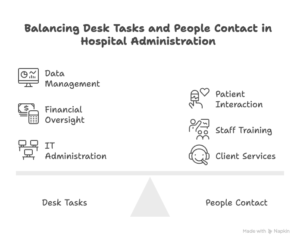 Hospital admins fill different positions that keep everything moving. Medical office coordinators manage patient appointments and files in busy clinics. They make check-ins and follow-ups go smoothly for better care. Health information managers watch over data systems to guard privacy and support choices. Unit clerks back up nursing teams by ordering supplies and keeping charts current. That lets nurses spend more time with patients. Patient access clerks deal with admissions and discharges, especially in emergency areas. They gather details and help families through steps. Hospital coordinators run shifts and assign resources across units. The job calls for fast solutions when staffing gets tight. Practice managers oversee clinics linked to hospitals. They handle billing and staff training to see more patients each day. Risk managers check safety steps and stop mistakes in care. Their work reduces legal problems and builds trust.Client services admins listen to feedback and improve service quality in big hospitals. They fix complaints and suggest fixes for better visits. Financial admins monitor budgets and chase funding for new tools. This keeps hospitals ready for current treatments. Human resources specialists hire and train admin staff to cover needs. They push wellness efforts to keep people longer. In smaller places, general admins cover many tasks from front desk to buying supplies. These fit people who like varied days. Big centers have focused roles like IT admins for health programs. They link tools that speed reports and checks. Every position supports clinical teams and patient results. Jobs appear in public hospitals and private health groups. Entry roles build skills toward bigger ones. The mix of desk tasks and people contact keeps things interesting over years.
Hospital Administration Salary in Canada
Pay for hospital admins changes with experience and place but stays competitive. New roles begin near $45,000 a year in smaller communities. After a couple years, it climbs to $60,000 or higher in larger cities. Senior admins bring in $100,000 to $200,000 depending on hospital scale. Top leaders hit $300,000 with performance bonuses added. Ontario averages around $70,000. Alberta often pays more because of need. Benefits bring health plans and vacation time that raise the total value. Overtime adds extra during peak periods. Extra certifications lift pay by 10 percent or better. Rural jobs sometimes include housing help or moving support. Managers in big networks get quicker raises from promotions.Hourly wages run $20 to $50 based on the spot. Coordinators average about $25 per hour nationwide. Full-time work gives steady checks plus retirement plans. Private clinic experience can mean higher starting pay than public hospitals. Union jobs lock in yearly bumps tied to costs. Specialists in data or money areas earn top rates. The field supplies good income that supports families comfortably. Many admins like the balance between work and home life. Raises look strong as more skilled people are needed. Education investment returns through better long-term earnings. This career stands out as a smart move for money and stability.
Eligibility & Qualifications to Work in Canada
Hospital admin work calls for proper education and abilities. A college diploma in office admin or health services covers the basics for many jobs. A lot of postings want a bachelor’s in business or health management. Hands-on experience in health settings helps during applications. Certifications from groups like the Canadian College of Health Leaders build trust. Immigrants show English or French skills for most positions. Work permits come with job offers when employers need help. Permanent residents apply freely to everything.High school finishes the starting point for beginner roles. Courses in medical language and software get people ready for tasks. Employers look for communication and organization strengths. Checks confirm fit for patient-related work. Regular training keeps knowledge up with new rules. Master’s degrees lead to top leadership spots with wider duties. Hospital volunteering strengthens applications and contacts. Most jobs suit adults past 18. Good fitness helps when lifting files or standing long. Computer skills rank high. Meeting these opens doors to rewarding health system work.
Career Growth & Future Scope in Canada
Hospital admin paths offer clear steps forward. Entry clerks move to coordinators after a couple years of solid work. Managers step up to directors who watch several areas. Training opens doors to focused fields like policy or finance. Events and connections lead to fresh chances. Tech creates new jobs in digital records. Older populations drive openings in senior care admin. Government plans increase funds for mental health management.The outlook stays positive with health jobs set to grow. Remote work appears in data tasks. Leadership courses prepare for CEO roles in hospitals. Mixed teams spark new ideas to fix access gaps. Pay climbs with each promotion. Some move to consulting after building know-how. Global experience strengthens resumes for worldwide projects. The field rewards ongoing learning via courses and credentials. Support programs help women and diverse groups advance. Commitment brings lasting success and real influence.
Join Entri’s Hospital Administration Course
Conclusion
Hospital administration jobs in Canada deliver strong opportunities and reliable salaries. The health system counts on capable people to handle daily work. Demand remains high from population shifts and tech changes. Roles stretch from beginner to top level with clear growth. Pay matches the important support given to care teams. Qualifications let locals and newcomers enter. The future holds stability and progress in this essential area. The advantages stand out for anyone considering this path now.
Frequently Asked Questions
What education works best for hospital admin jobs?
A college diploma in office administration, health services management, or business administration is enough to get your foot in the door for many entry-level positions such as medical office coordinator or unit clerk. However, a bachelor’s degree in health administration, public health, business management, or a related field opens up far more opportunities and higher starting salaries. Employers often prefer candidates who have studied topics like healthcare law, medical terminology, budgeting, and human resources. If you’re aiming for senior or leadership roles (such as hospital manager or director), a master’s degree in health administration (MHA) or an MBA with a healthcare focus is almost essential. Many successful administrators also earn professional certifications, such as the Certified Health Executive (CHE) from the Canadian College of Health Leaders, which shows employers you are serious about the field and adds credibility to your resume. Taking short online courses in electronic health records, project management, or quality improvement can give you an extra edge even before you finish your degree.
How much do entry-level admins make each year?
Entry-level hospital administration jobs in Canada typically start between $42,000 and $50,000 per year, depending on the province and whether the position is in a large city hospital or a smaller rural facility. For example, someone working as a patient access clerk or unit clerk in a community hospital in Ontario or British Columbia might begin around $45,000, while the same role in Alberta or Saskatchewan could pay closer to $48,000–$52,000 because of higher demand and cost of living. Within the first 12–18 months, most people see a raise of $3,000–$6,000 once they prove they can handle the workload reliably. Many positions also include shift differentials (extra pay for evenings, nights, or weekends), which can add several thousand dollars to your annual income. Overtime is fairly common during busy periods, so your take-home pay can grow quickly if you’re willing to take extra shifts. Overall, entry-level pay is solid, and with just one or two years of experience, you can easily move into roles paying $55,000–$70,000.
Do rural Canada areas have these jobs?
Yes, rural and remote areas in Canada offer a surprising number of hospital administration jobs, and they often come with extra advantages that make them very attractive. Smaller hospitals and regional health centers in places like northern Ontario, rural Alberta, Saskatchewan, Manitoba, and parts of Atlantic Canada regularly post openings for coordinators, office managers, and health information staff. To attract workers to these locations, employers frequently provide relocation assistance, subsidized housing, signing bonuses, or even help with moving costs. Some rural health authorities also offer loan forgiveness programs if you commit to working there for a few years. The pace is often less hectic than in big-city hospitals, and you get to know the community well, which many people find very rewarding. Internet connectivity has improved greatly, so even remote rural jobs now allow some flexible or hybrid work options. If you’re open to living outside major cities, rural positions can be an excellent way to start your career with less competition and faster promotions.
What skills matter most here?
The most important skills for hospital administration jobs combine strong organization, clear communication, and comfort with computers. You need to be able to manage schedules, handle patient inquiries calmly, and keep track of many details at once without getting overwhelmed. Excellent written and verbal communication is essential because you’ll talk with doctors, nurses, patients, and families every day. Computer skills are non-negotiable—most hospitals use electronic health record systems (like Meditech, Epic, or Cerner), so being able to learn and navigate software quickly is a big advantage. Problem-solving ability is also key; you often have to find fast solutions when staffing is short or equipment breaks down. Attention to detail helps you follow privacy laws and avoid costly mistakes. Soft skills like teamwork, patience, and the ability to stay calm under pressure make you stand out. If you can add basic budgeting knowledge or experience with data entry and reporting, you’ll be even more valuable to employers.
Can immigrants take these roles?
Absolutely, immigrants with the right qualifications and experience can successfully apply for hospital administration jobs in Canada. Many health authorities actively recruit internationally because of ongoing staff shortages. If you already have a diploma or degree in health administration, business, or a related field from your home country, you can often get your credentials assessed through organizations like WES (World Education Services) to show they meet Canadian standards. Once you have a job offer from a hospital or health region, you can apply for a work permit through programs like the Temporary Foreign Worker Program or the Express Entry system if you qualify. Some positions fall under the Global Talent Stream, which fast-tracks work permits for skilled healthcare workers. Permanent residents and Canadian citizens have no restrictions, but even on a work permit you can start building experience. After one or two years of Canadian work experience, many immigrants move toward permanent residency through the Canadian Experience Class. Language proficiency in English (or French in Quebec) is required, usually proven by tests like IELTS or CELPIP.
Do the jobs involve patient contact?
It depends on the specific role. Some hospital administration positions involve direct patient contact every day, while others stay mostly behind the scenes. For example, patient access clerks, medical office coordinators, and unit clerks speak with patients and families regularly—greeting them at the front desk, explaining admission processes, scheduling appointments, or helping with discharge instructions. These roles give you a lot of personal interaction and the satisfaction of helping people directly. On the other hand, positions like health information manager, financial administrator, or risk manager focus more on data, budgets, policies, and computer work with very little or no direct patient contact. Many people enjoy the mix: starting in a patient-facing role to learn the hospital environment, then moving to more office-based positions as they gain experience. Either way, every admin role supports patient care indirectly by keeping the hospital organized and running smoothly.
How long until manager level?
Most people reach a hospital manager or coordinator level within two to five years, depending on how quickly they learn, take on extra responsibilities, and pursue additional training. If you start in an entry-level role (like unit clerk or patient access clerk) and perform well, you can often move to a senior coordinator or assistant manager position within two to three years. Adding a professional certification, completing short management courses, or volunteering for special projects speeds up the process significantly. In smaller hospitals or rural facilities, promotions tend to happen faster because there are fewer layers of management. In large urban hospitals, it may take four to five years to reach a full department manager role because of more competition. The key is to show reliability, take initiative, and build relationships with supervisors. Many administrators say that consistent strong performance and a willingness to learn new systems or lead small teams is what gets you promoted fastest.