Table of Contents
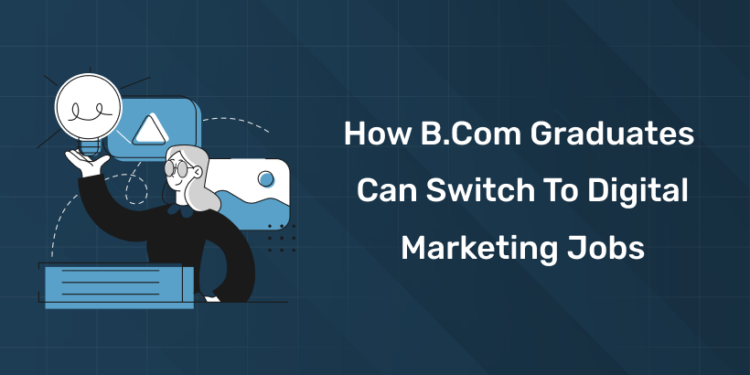
Many commerce students feel confused after finishing graduation. Jobs often need experience, skills, and strong certificates. Competition stays high in traditional commerce careers. Many graduates look for faster and flexible career options. This builds interest in modern job fields. How B.Com Graduates Can Switch to Digital Marketing becomes an important topic. Digital careers offer creativity, learning, and fast growth. They also provide better flexibility and good income chances.
Digital marketing has become very important for businesses today. Every brand wants strong online visibility. This creates high demand for skilled digital marketers. Fresh graduates can join this field with proper training. The learning process stays simple and practical. Real projects help build confidence and job skills. Job roles include creativity, data work, and planning tasks. This makes digital marketing suitable for commerce graduates.
Introduction
Choosing a career after graduation can feel challenging for many students. Commerce graduates often seek stable and rewarding roles, but traditional options sometimes offer slow growth and limited exposure. Many positions require additional certifications and long preparation, making career planning stressful. Modern, flexible careers like digital marketing have emerged as strong alternatives. This field combines business thinking, creativity, and practical skills, allowing graduates to apply their knowledge effectively. With proper training, students can enter roles quickly and gain visible career growth. Opportunities exist across industries, with multiple job specializations, freelance options, and remote work possibilities.
Commerce graduates fit digital marketing roles well. Their business and marketing knowledge helps understand customer needs and market trends. Analytical skills support campaign evaluation, while financial expertise aids budgeting. Communication skills strengthen content and brand messaging. These strengths make career transitions smooth and practical. Key benefits include fast job entry, continuous learning, high demand, steady income, and long-term growth. Digital marketing provides a flexible, creative, and rewarding path for B.Com graduates.
Join Our Online Digital Marketing Course & Learn the Fundamentals!
Career Challenges After B.Com
1: What is the primary goal of SEO (Search Engine Optimization)?
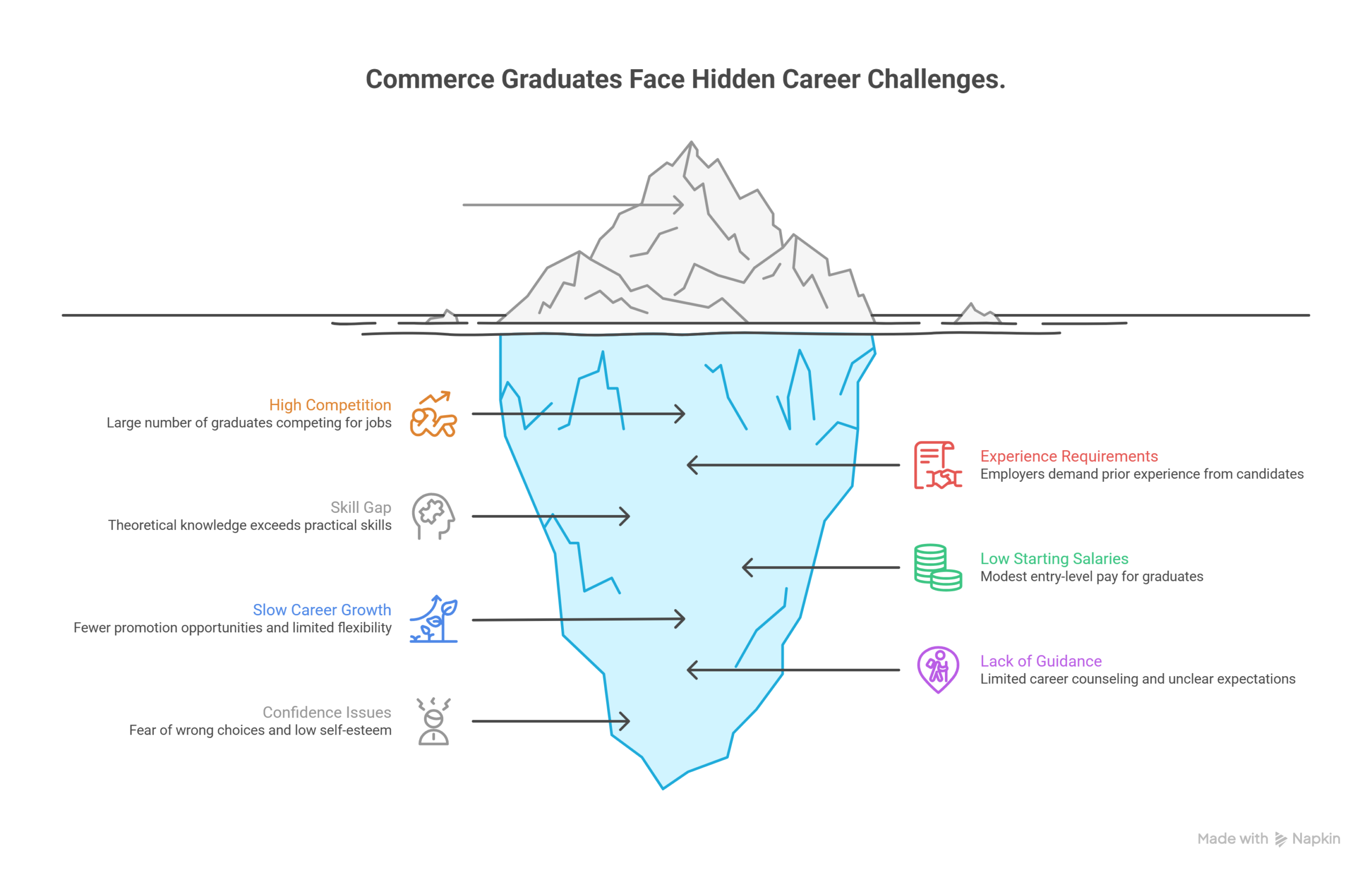
Many commerce graduates feel confused and stressed after graduation. Job expectations often differ from real industry opportunities. Academic knowledge may not match practical workplace needs. This creates fear, uncertainty, and low confidence.
Limited Entry-Level Opportunities
Most beginner commerce jobs have very few openings. High competition reduces selection chances for fresh graduates.
Common problems:
-
Limited suitable job openings
-
Preference for experienced candidates
-
Few campus placement opportunities
-
Low starting salaries
Entry-level roles:
-
Junior Accountant: Heavy work, slow growth
-
Accounts Assistant: Limited learning, slow growth
-
Office Executive: Repetitive tasks, slow growth
-
Banking Clerk: Competitive exams, very slow growth
Dependence on Certifications
Many careers need professional courses like CA, CMA, ACCA, MBA. These require long study periods, high fees, and dedication.
Problems:
-
Long preparation before employment
-
Difficult exams and intense competition
-
High costs and mental stress
-
Uncertain outcomes
Course comparison:
-
CA: 4–5 years, very high difficulty, low success rate
-
CMA: 3–4 years, high difficulty, moderate success
-
ACCA: 2–3 years, high difficulty, moderate success
-
MBA: 2 years, medium difficulty, high success
Skill Gap
Graduates often lack practical and industry-ready skills. Employers expect software, analytical, and communication abilities.
Skill gaps:
-
Limited software knowledge
-
Weak communication
-
Poor analytical abilities
-
Low practical exposure
Employer expectations: Software handling, data analysis, communication, planning, teamwork
Slow Growth and Salary
Many commerce jobs offer slow career progression and pay.
Concerns:
-
Low starting salary
-
Slow annual increments
-
Limited promotions
-
High workload for modest pay
Salary pattern:
-
Fresher: ₹12,000–₹18,000
-
2 Years: ₹18,000–₹25,000
-
5 Years: ₹30,000–₹45,000
-
8+ Years: ₹50,000–₹70,000
Job Satisfaction and Competition
Routine tasks reduce creativity and interest. Government and banking jobs remain highly competitive.
Challenges:
-
Repetitive work and fixed hours
-
Limited learning and remote options
-
Long preparation and uncertain results
Commerce graduates face employment, income, and satisfaction challenges. Awareness helps plan better career moves and strategies.
Become an AI-powered Digital Marketing Expert
Master AI-Driven Digital Marketing: Learn Core Skills and Tools to Lead the Industry!
Explore CourseWhy Digital Marketing Is a Practical Alternative
Digital marketing offers a modern, flexible, and fast career option. Graduates can enter jobs quickly with proper training and practice. Businesses increasingly rely on online marketing, raising job demand. Opportunities exist across multiple industries and business sectors.
High Demand Across Industries
Every business needs online promotion and digital visibility. Small, medium, and large companies invest in digital channels.
Industries hiring:
-
E-commerce and retail
-
Education and training
-
Healthcare and wellness
-
Real estate and construction
-
Travel and tourism
-
Finance and consulting
-
Technology and software
Reasons for rising demand:
-
Growing internet use
-
Increasing online shopping
-
Expanding social media influence
-
Mobile phone adoption
-
Continuous platform growth
Faster Career Entry
Digital marketing enables quick employment after short training. Most courses last 3–6 months and emphasize practical skills.
Benefits:
-
Short learning period
-
Faster job readiness
-
Early income generation
-
Reduced career gap
-
Lower financial pressure
Learning timeline:
-
Basic learning: 1–2 months
-
Skill practice: 1–2 months
-
Project training: 1 month
-
Job application: Immediate
Strong Career Growth
Performance-based roles allow quick promotions and better salaries. Continuous learning builds skills across business models.
Career levels: Trainee → Junior → Executive → Senior → Manager
Benefits: Faster promotions, higher salaries, leadership, global exposure
Wide Role Options
Multiple roles suit interests and skills.
Popular roles: SEO specialist, Paid Ads executive, Social Media marketer, Content marketer, Email specialist, Analyst
Benefits: Career flexibility, skill variety, engagement, long-term growth
Cost-Effective Training
Digital marketing courses are shorter and more affordable than traditional degrees.
Comparison: Digital Marketing: 3–6 months, low cost; MBA/CA/CMA: 2–5 years, high cost
Flexible Work & High Income
Professionals can work full-time, freelance, or remotely. Salaries grow with experience, skills, and performance-based roles.
Income overview:
-
Fresher: ₹15,000–₹30,000
-
2 Years: ₹30,000–₹50,000
-
5 Years: ₹60,000–₹1,00,000
-
Consultant: ₹1,00,000+
Digital marketing offers speed, flexibility, and professional growth. Proper training builds stable and successful career opportunities.
Join Our Online Digital Marketing Course & Learn the Fundamentals!
Why Digital Marketing Suits B.Com Graduates
Commerce education builds strong business understanding. Graduates already know basic marketing and financial concepts. This knowledge helps them adapt quickly to digital roles. Proper training makes learning practical and easier.
Strong Business Knowledge
Commerce students study business subjects that develop planning skills. Digital marketing uses these skills in campaigns and strategy.
Relevant subjects:
-
Marketing management
-
Business economics
-
Financial accounting
-
Business communication
-
Management principles
Benefits:
-
Better campaign planning
-
Clear business goal understanding
-
Improved customer targeting
-
Strong strategy development
-
Effective decision making
Basic Marketing Understanding
Graduates learn promotion, branding, and customer behavior. Digital marketing applies these ideas online for faster learning.
Key concepts:
-
Market segmentation
-
Target audience selection
-
Brand positioning
-
Promotional strategies
-
Customer relationship management
Benefits:
-
Better content planning
-
Clear brand messaging
-
Strong campaign creation
-
Improved audience engagement
-
Higher conversion potential
Analytical and Data Skills
Commerce education develops numerical and analytical abilities. Digital marketing relies on performance data analysis.
Skills gained:
-
Data interpretation
-
Statistical analysis
-
Financial reporting
-
Budget evaluation
-
Performance measurement
Benefits:
-
Campaign tracking
-
Result measurement
-
Budget optimization
-
Strategy correction
Financial and Budget Management
Graduates understand money management and budgeting principles. Digital campaigns need careful budget handling.
Skills: Budget planning, cost tracking, expense control, ROI calculation
Benefits: Better budget planning, reduced waste, improved returns
Communication and Content Skills
Commerce studies improve writing, speaking, and presentation. Digital marketing requires content creation and audience communication.
Skills: Business writing, presentations, email drafting, client communication
Benefits: Strong content, better engagement, clear messaging, effective storytelling
Adaptability and Learning Ability
Commerce graduates adapt to business changes and new tools. Digital marketing evolves constantly with technology updates.
Traits: Willingness to learn, curiosity, flexibility, tech comfort
Benefits: Faster skill learning, better performance, career growth
Commerce graduates have strong foundations for digital marketing. Training and practice make them skilled, confident professionals. Digital marketing becomes a natural and rewarding career choice.
Frequently Asked Questions
Can B.Com graduates build a successful career in digital marketing?
Yes, B.Com graduates can build a highly successful career in digital marketing because their academic background provides strong business understanding, marketing knowledge, and analytical thinking abilities. These skills help in planning campaigns, understanding customer behavior, managing budgets, and evaluating marketing performance. With proper training and hands-on practice, commerce graduates can easily adapt to digital tools and platforms. Their communication and presentation skills also support content creation, client communication, and brand promotion activities. This combination of business knowledge and practical learning makes digital marketing an ideal career path for B.Com graduates.
How long does it take to learn digital marketing after completing B.Com?
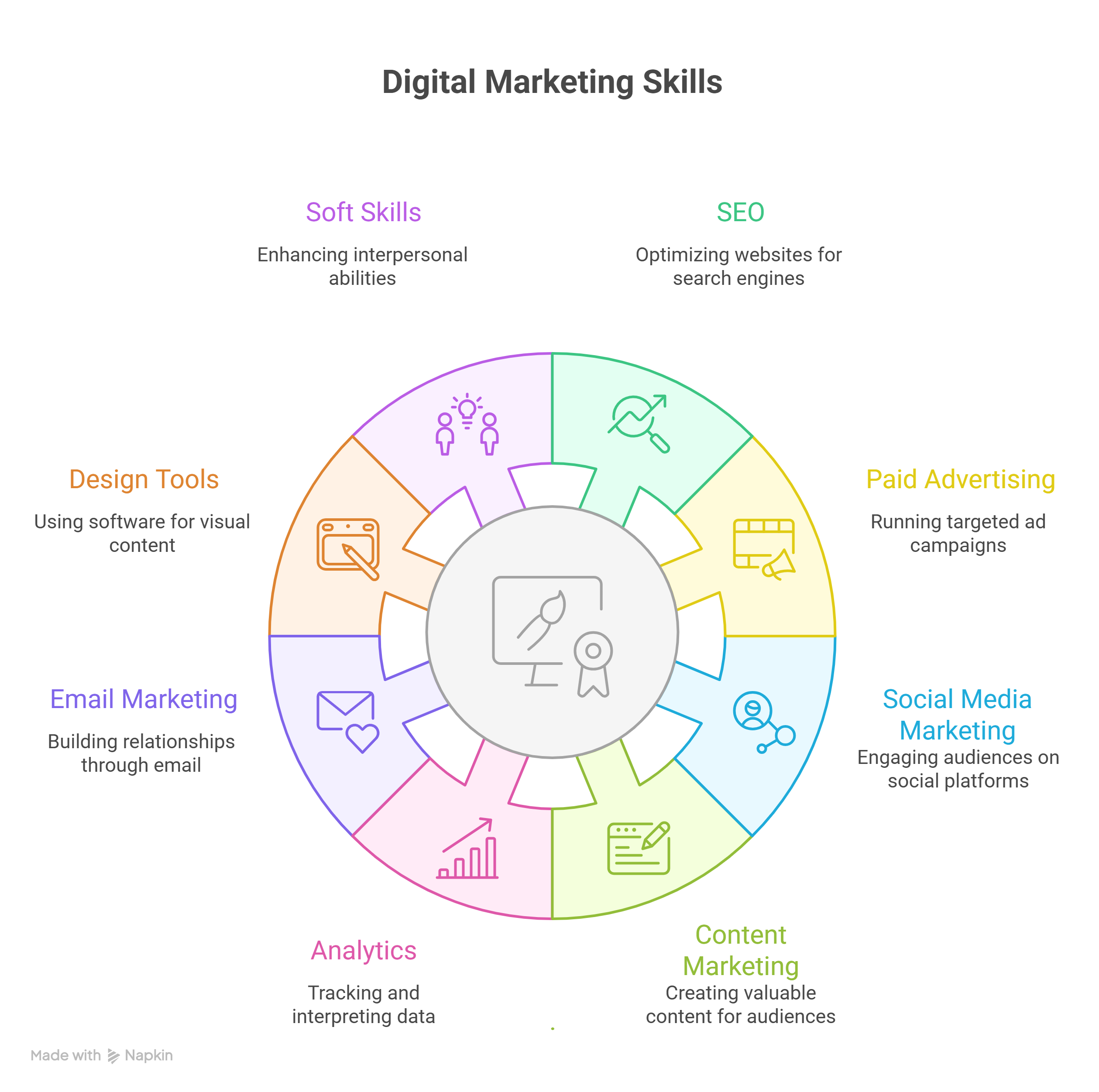
The time required to learn digital marketing depends on dedication, learning speed, and training quality, but most graduates can acquire basic skills within three to six months. During this period, students learn core concepts such as SEO, social media marketing, content marketing, paid advertising, and analytics. Practical projects and real-world assignments help strengthen understanding and build confidence. Advanced expertise develops gradually through continuous learning and professional experience. With regular practice and consistent effort, graduates can become job-ready within a short timeframe.
Do B.Com graduates need technical knowledge to start digital marketing jobs?
No advanced technical knowledge is required to start a career in digital marketing, as most tools and platforms are designed for easy learning and usability. Beginners can comfortably learn technical concepts such as website optimization, advertising platforms, analytics dashboards, and content management systems through structured training. Step-by-step learning methods and guided practice make complex topics simple and understandable. Over time, continuous practice helps build technical confidence. This makes digital marketing accessible even for students without technical or coding backgrounds.
What are the best entry-level digital marketing job roles for B.Com graduates?
Some of the best entry-level digital marketing roles for B.Com graduates include SEO Executive, Social Media Marketer, Content Marketing Executive, Performance Marketing Trainee, and Digital Marketing Analyst. These roles provide excellent exposure to real industry work and help graduates develop strong professional skills. They allow freshers to understand marketing strategies, customer engagement, and performance tracking. Working in these positions helps build confidence and practical experience. Over time, these roles lead to better responsibilities, promotions, and higher salary packages.
Are certifications important for getting digital marketing jobs after B.Com?
Yes, certifications play a very important role in improving job opportunities because they validate skills and demonstrate professional commitment. Certified candidates gain higher recruiter confidence and receive better interview calls. Certifications also provide structured learning and hands-on project experience, which improves job readiness. Many companies prefer certified professionals due to their proven knowledge. Regular certification upgrades also support long-term career development and salary growth.
What salary expectations can B.Com graduates have in digital marketing?
B.Com graduates entering digital marketing can expect competitive entry-level salaries, which gradually increase with skills and experience. Freshers usually earn modest packages focused on learning and industry exposure. With consistent performance and specialization, income increases significantly within two to three years. Senior professionals and specialists earn high salary packages, especially in performance marketing and analytics roles. Additional income opportunities through freelancing, consulting, and remote jobs further enhance earning potential.
Is freelancing a good career option for B.Com graduates in digital marketing?
Yes, freelancing is an excellent career option for B.Com graduates who prefer flexibility and independence. It allows professionals to work with multiple clients, explore diverse projects, and earn income based on performance. Freelancers can work with international clients, gaining global exposure and professional networking opportunities. Flexible working hours improve work-life balance and personal productivity. Over time, experienced freelancers can build strong reputations and stable income streams.
What challenges do B.Com graduates face while switching to digital marketing careers?
B.Com graduates may face challenges such as adapting to new technologies, learning multiple tools, and building practical experience. Initial confusion and lack of confidence may also occur during the learning phase. Managing consistent study schedules alongside other responsibilities can be difficult. However, these challenges reduce through structured training, regular practice, and mentorship guidance. Patience, discipline, and continuous learning help overcome obstacles successfully.
How can B.Com graduates build a strong digital marketing portfolio?
B.Com graduates can build strong portfolios by working on live projects, internships, freelance assignments, and practice campaigns. They should document campaign planning, execution steps, performance analysis, and final results. Including website optimization work, content strategies, and social media management tasks improves portfolio quality. Clear explanations of learning outcomes and achievements increase recruiter confidence. A well-organized portfolio significantly improves job interview opportunities.
Is digital marketing a stable long-term career option for B.Com graduates?
Yes, digital marketing offers long-term career stability because businesses increasingly depend on online platforms for growth and customer engagement. Every industry requires digital marketing expertise, creating continuous demand for skilled professionals. Rapid technological advancements ensure constant learning and career evolution. Skill development supports steady income growth and job security. This makes digital marketing a highly sustainable and rewarding long-term career option for B.Com graduates.