Table of Contents
If you spend any time on Instagram Reels, YouTube, or TikTok, you’ll see the same promise again and again:
“Start a dropshipping store in 7 days. No inventory. No office. Make money while you sleep.”
But it’s 2026 now. Ad costs are higher, competition is tougher, and customers are smarter than ever.
So the real question is:
Is dropshipping still profitable in 2026 – or is it dead unless you started years ago?
Short answer:
Dropshipping is still profitable, but it is not easy, not passive, and definitely not a get-rich-quick model. It has shifted from “hack” to serious e-commerce business.
This blog will give you a clear, honest view, especially if you’re:
- A normal person thinking of an online side income
- An aspiring digital marketer
- A first-time entrepreneur planning to start a low-risk e-commerce brand
And if you want to go beyond theory and actually learn how to use AI + performance marketing for e-commerce, you’ll see why a structured program like the Entri AI Powered Digital Marketers Course is one of the most relevant ways to build the skills needed for modern dropshipping and D2C brands.
What Is Dropshipping?
Classic definition:
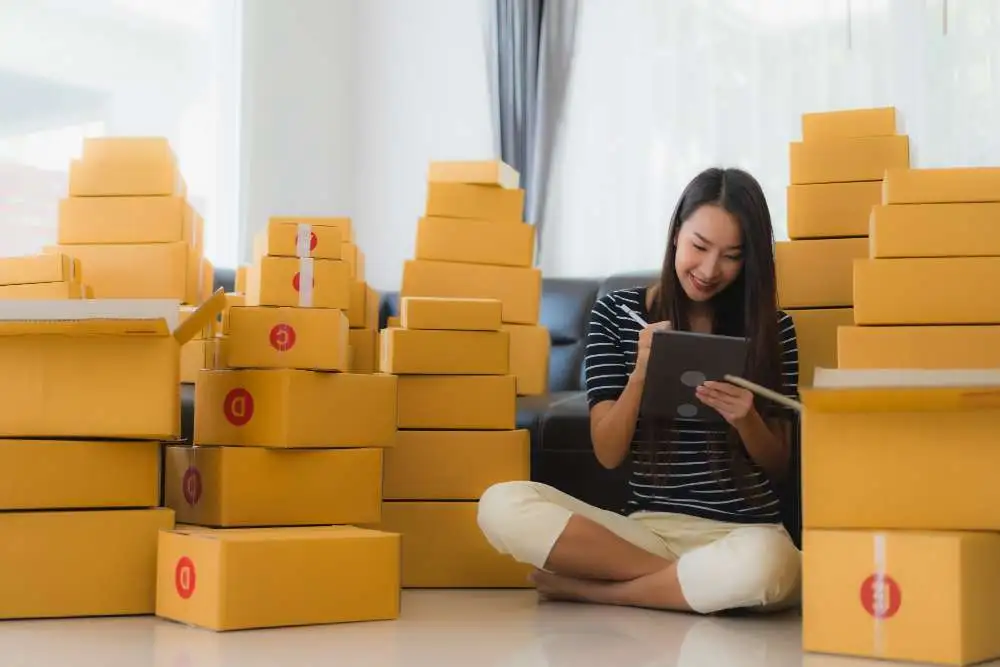
Dropshipping is a business model where you sell products online without holding inventory.
When a customer orders from your store, you forward the order to a supplier, who ships the product directly to the customer.
What’s changed in 2026 is where & how this happens:
- It’s no longer just “Shopify + AliExpress + Facebook Ads”.
- It now includes:
- TikTok Shop dropshipping
- Print-on-demand (POD) integrations like Shopify, Wix, Hostinger + Printful, etc.
- Marketplaces and social commerce (TikTok Shop, Instagram Shopping, etc.)
- TikTok Shop dropshipping
The core idea (no inventory, supplier ships for you) is the same.
But the playground and the rules are different.
Is Dropshipping Still a Big Market in 2026?
Let’s look at hard numbers, not YouTube hype.
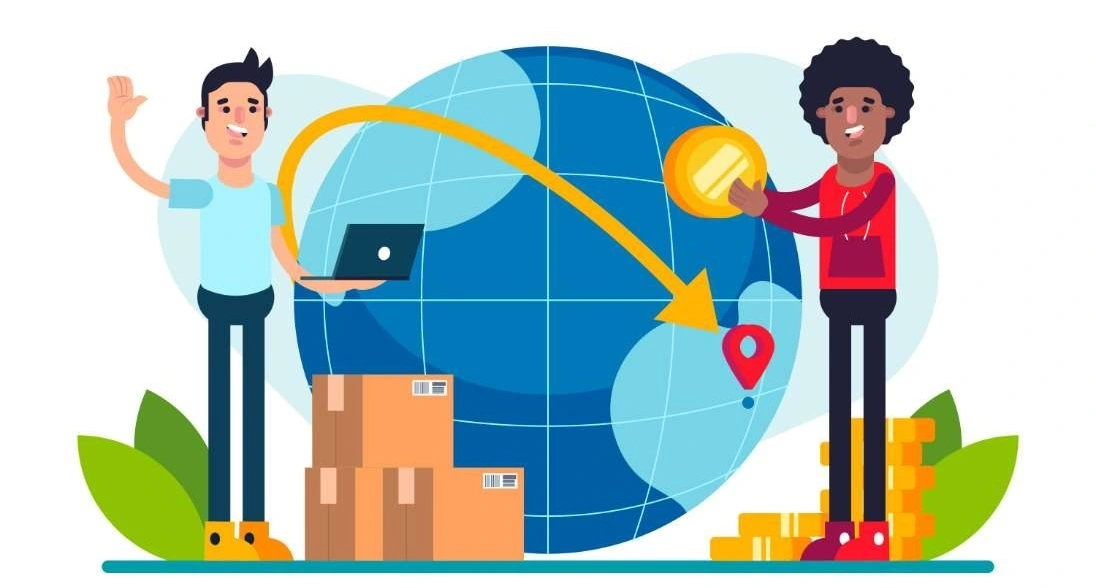
Several major research firms report very similar trends:
- The global dropshipping market was valued at around USD 365–418 billion in 2024–2025 and is projected to grow at roughly 22–25% CAGR to reach around USD 1.2–1.25 trillion by 2030.
- One forecast estimates the market will reach USD 3.3 trillion by 2035, with the industry size in 2026 alone projected around USD ~514 billion.
In simple words:
The market itself is growing fast. Dropshipping as a model is not dying; it’s being used by more sellers, integrated into more platforms, and supported by better logistics.
That’s both good and bad:
- ✅ Good: There is demand and room for new players.
- ❌ Bad: More players also mean more competition, thinner margins, and higher expectations from customers.
So, Is Dropshipping Profitable in 2026?
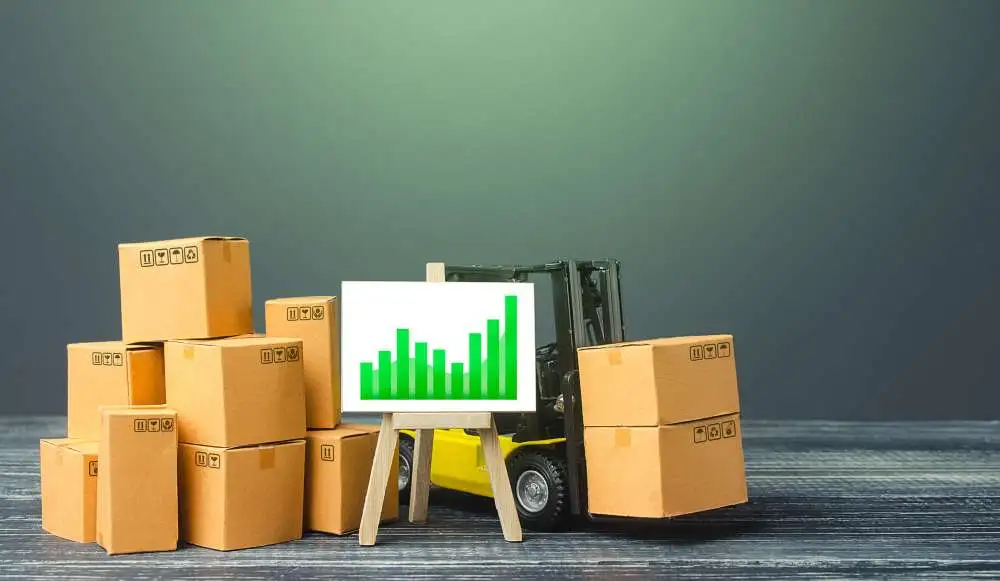
Let’s combine what major platforms and analyses say:
- Printful’s 2024 guide notes that dropshipping can be profitable, with typical profit margins around 15–20%, depending on niche and pricing.
- Wix’s 2025 analysis estimates average dropshipping margin ranges between 20–30%, again highly dependent on niche, product quality, and overheads.
- AutoDS (a large automation platform) says dropshipping is still profitable in 2025, especially for niche and trend-driven stores, and highlights >20% annual growth in the global market.
- TrueProfit’s 2025 breakdown concludes: yes, dropshipping is still profitable, but success demands better product research, stronger branding, and professional marketing funnels.
On the income side:
- DSers (another major dropshipping tool) reports that many beginners make $0–$1,000/month, while advanced sellers can make $10,000–$50,000+ per month, though these are not typical and depend on skill, systems, and scaling.
Put simply:
Yes, dropshipping is still profitable in 2026 – but only for people who treat it as a real business with real skills.
If your plan is “copy some TikTok store + run random ads + hope”, the answer is no, it won’t be profitable.
Why Dropshipping Got Harder
Higher ad costs and tougher paid traffic
Meta (Facebook + Instagram) and other platforms have become more expensive and competitive:
- 2024–2025 benchmark studies show CPCs for many industries increasing on Facebook, and Meta ads costs for conversion campaigns often in the $0.30–$2+ per click range globally.
- For India, recent benchmarks show average Facebook CPC around $1.15 globally, with volatility across months and local variations.
This doesn’t mean you can’t profit. It means:
- If you run basic, unoptimized ads, you get wiped out.
- You need strong targeting, creatives, landing pages, funnels, and retention to make each click pay for itself.
This is exactly where AI-assisted media buying, creative testing, and CRO come in – something a modern training like the Entri AI Powered Digital Marketers Course is designed to focus on:
- Using AI tools to research products & audiences
- Generating & testing multiple ad creatives quickly
- Reading data from Meta/Google/TikTok and optimizing properly
- Building funnels that increase AOV and LTV, not just get cheap clicks
If you want to do dropshipping in 2026, you’re basically signing up to be an AI-powered performance marketer, not just “someone who made a Shopify store”.
Customers are more skeptical (thanks to scams & bad stores)
Dropshipping scams and shady stores have hit the news:
- In 2025, the UK’s advertising authority warned about a “British brand” using dropshipping from Asia, misleading customers about origin and quality.
People have seen:
- Products that don’t match the ad
- Extremely slow shipping
- Zero support or refund options
Result: Trust is lower.
To survive now, your store must:
- Be transparent about shipping times
- Offer sensible policies and real support
- Deliver quality consistent with your pricing
That pushes you away from “random cheap AliExpress gadgets” toward more curated, branded, or print-on-demand products with better control.
TikTok Shop, social commerce & the short-form video wave
Social commerce is exploding:
- TikTok dropshipping guides from 2024–2025 show that using TikTok’s viral nature for dropshipping can be highly effective, especially when you ride trends, short videos, and creators.
- TikTok Shop has grown rapidly, with major brands joining and Black Friday sales crossing $100M in previous seasons, proving that social-driven commerce is mainstream now.
For you, this means:
- You can no longer rely only on static image ads.
- You need short-form content skills: TikTok, Reels, Shorts.
- You should think in terms of creator-led marketing and UGC (user-generated content).
Again, this is a digital marketing skillset, not a “just list a product” skillset.
Join Our Online Digital Marketing Course & Learn the Fundamentals!
Where Dropshipping Still Wins in 2026
Even with the challenges, dropshipping has unique advantages compared to traditional retail.
Low upfront risk
- No need to buy stock in bulk
- No warehouse costs
- No packing & shipping from your home
You invest in:
- Store setup
- Creative production
- Marketing and tools
If a product fails, you turn off the ads and test a new one. This “testing ability” at low risk remains a big plus.
Global reach from day 1
With modern logistics and suppliers, plus print-on-demand & fulfillment integrations (Shopify, Wix, Hostinger+Printful, etc.), even a small seller can:
- Sell to multiple countries
- Test products in different markets
- Scale winners quickly
Fits naturally with AI and performance marketing
Dropshipping is highly compatible with:
- AI tools for product research, keyword research, and competitor analysis
- AI-generated ad creatives, hooks, and scripts
- Automated rules for bids, budgets, and creatives
This means that if you’re willing to learn AI-powered digital marketing properly, you can compete with bigger players.
The Real Reason Most Dropshippers Fail (in 2026)
It’s not “because dropshipping is dead”.
They fail because they:
- Choose random products
- No real niche, no clear audience, just “trending gadgets”.
- No real niche, no clear audience, just “trending gadgets”.
- Depend on one traffic source
- For example, only Facebook ads – no email, no WhatsApp, no remarketing, no content.
- For example, only Facebook ads – no email, no WhatsApp, no remarketing, no content.
- Ignore margins & numbers
- They don’t calculate:
- Product cost
- Shipping
- Ad cost per purchase
- Refunds / chargebacks
- Product cost
- They chase revenue screenshots, not profit.
- They don’t calculate:
- Don’t build any brand or trust
- Generic store name, copied creatives, no support.
- Customers see it once, buy once, and never return.
- Generic store name, copied creatives, no support.
- Treat it as a “hack”, not a serious business
- No systems, no SOPs, no experimentation framework, no skill building.
- No systems, no SOPs, no experimentation framework, no skill building.
If you fix these 5, you are already in the top 10–15% of dropshippers.
What a Profitable Dropshipping Setup Looks Like in 2026
Let’s paint the picture of a serious, modern dropshipping business.
Niche-focused, not “everything store”
- Focus on a specific customer (example: pet owners, home gym enthusiasts, teachers, new moms, K-pop fans).
- Offer a range of products that make sense for them, instead of random viral items.
Guides consistently show that niche and trend-driven stores are more profitable than generic ones.
Multi-channel traffic
You mix:
- Paid traffic (Meta, TikTok, Google)
- Organic social (TikTok, Reels, Shorts)
- Email and SMS
- Maybe WhatsApp or Telegram (in India and similar markets)
So if one channel becomes expensive, you’re still okay.
Strong funnels & AOV optimization
A good dropshipping funnel, as many ad strategy guides mention, will:
- Capture leads
- Warm them up with content
- Use upsells, cross-sells, and bundles to increase AOV
- Make higher ad costs still profitable
This is where tools like ClickFunnels, custom checkouts, and post-purchase offers come in.
Repeat customers & LTV focus
You don’t want every order to be a “one-night stand”.
You:
- Collect emails/phone numbers
- Run remarketing & loyalty campaigns
- Launch new products to existing customers
If your Lifetime Value (LTV) per customer is high, you can afford higher ad costs and out-bid lazy competitors.
If You’re Starting from India
Since a lot of readers (and likely you) are from India or similar markets, a quick reality check:
- Meta ads CPC in India is lower than global in many cases, but still not “cheap toy” level, and it’s volatile.
- COD (Cash on Delivery) increases RTO (Return to Origin) and failed deliveries. That kills margins if you don’t manage it.
- Logistics and customer expectations around shipping time are rising due to Amazon, Flipkart, etc.
So you need to:
- Be very careful with margins and RTO control
- Consider prepaid offers (discount on prepaid, UPI, wallets)
- Use local logistics aggregators (Shiprocket, NimbusPost, etc.) strategically
This isn’t to scare you – it’s to keep your expectations honest.
Join Our Online Digital Marketing Course & Learn the Fundamentals!
Where a Program Like Entri AI Powered Digital Marketers Course Fits In
If you’re serious about dropshipping (or any D2C e-commerce) in 2026, what you actually need is:
- Deep understanding of ads (Meta, Google, TikTok where available)
- Skill in short-form content & hooks
- Ability to use AI tools effectively – not randomly
- Comfort with analytics, funnels, and testing
That’s precisely where a structured, region-aware program like the Entri AI Powered Digital Marketers Course (positioned for Indian and global digital marketers) becomes valuable:
- It’s built around performance marketing + AI, not just “theory of marketing”.
- You learn how to:
- Research products & competitors using AI
- Generate ad copy, scripts, and creatives faster
- Interpret real campaign data and optimize
- Build marketing systems that work for dropshipping, D2C, and other funnels
- Research products & competitors using AI
Instead of trying 50 free YouTube videos with conflicting advice, you get one structured path to build skills that directly apply to:
- Dropshipping
- Print-on-demand
- Info products
- Agencies and client work
If your goal is to make dropshipping profitable, your real asset is you – your skill level as an AI-powered digital marketer.
Key Takeaways – Is Dropshipping Still Profitable in 2026?
- The global dropshipping market is growing fast, projected to cross $1.2 trillion by 2030 and possibly $3.3 trillion by 2035.
- Average profit margins often range between 15–30%, but this heavily depends on your niche, pricing, ad costs, and operations.
- Yes, dropshipping is still profitable in 2026, but it rewards:
- Niche focus
- Strong marketing skills
- Brand building & trust
- Smart use of AI and data
- Niche focus
- Rising ad costs and more competition mean lazy strategies don’t work. You need real performance marketing and funnel skills.
- Serious learners should treat dropshipping as an e-commerce career track, not a quick hack – and consider structured learning paths like the Entri AI Powered Digital Marketers Course to build AI-driven marketing skills that work for dropshipping and beyond.
Frequently Asked Questions
Is dropshipping still profitable in 2026?
Yes. Dropshipping is still profitable in 2026, but success requires strong niche selection, better ad strategy, tight cost control and reliable suppliers.
Has dropshipping become harder compared to previous years?
Yes. Ad costs have increased and competition is higher, but automation, social commerce and better analytics make it achievable for skilled marketers.
How much profit can you realistically make from dropshipping?
Most profitable stores see gross margins between 15–40%, depending on the product, shipping model and customer acquisition cost.
What niches work best for dropshipping in 2026?
Niches like home décor, tech accessories, pet products, sustainable goods and personal wellness show strong potential due to viral appeal and low return rates.
Can beginners start dropshipping with low investment?
Yes. Dropshipping is still low-capital compared to traditional e-commerce. However, budget is needed for ads, creatives, tools and customer service.
How important is supplier quality in dropshipping?
Very important. Poor suppliers lead to refunds, delays and negative reviews. Reliable suppliers improve margin, customer retention and brand trust.