Table of Contents
You can seriously boost your chances of getting hired as a structural design engineer by adding a professional photo, a headline that actually tells people what you do, and some real achievements on your profile – and that could put you in front of up to 40% more recruiters.
In a field like structural design which is super competitive and involves throwing yourself into BIM modeling, designing earthquake-resistant buildings and using STAAD.Pro to analyse structures – having a stand out LinkedIn profile is crucial. Not only does it look the part, it actually helps get you in touch with the big players like L&T, AECOM and Tata Projects.
LinkedIn’s own stats show that profiles that are properly optimised get 21 times more views and 9 times more connection requests. What’s more, people who put “structural design” in their headline get 30% more job inquiries – that’s a stat from Jobvite , and it’s 2025 .
Build A Career In Structural Engineering! Get Free Demo Classes!!
Key Takeaways
- A LinkedIn profile that showcases your skills and experience as a structural engineer is 21 times more likely to be viewed by potential employers.
- Don’t just list your job title in your headline – cram in as many relevant tools and software you use like ETABS, STAAD.Pro, and BIM to show your capabilities.
- Actually putting some numbers on your achievements in the experience section is what gets recruiters interested – it increases the chances of you getting a message by 40%.
- Having a portfolio or two that can be featured on your profile, a custom url and posting regularly on LinkedIn all make it easier for people to find you.
- When recruiters are searching for structural engineers, they are looking for people with specific skills – having them endorsed in areas like structural analysis, seismic design and BIM makes a huge difference. Your profile will stand out 13 times more likely than someone without.
Why LinkedIn Matters for Structural Design Engineers
1: What is the primary purpose of structural design?

We know that LinkedIn is a major player in the hiring game for engineers – it makes up 50% of engineering hires worldwide. Any structural engineer without an optimized profile is at a huge disadvantage.
Because recruiters are actively searching for people with niche skills like ETABS, finite element analysis and RCC design – if your profile is weak or incomplete, you’ll be missing out on 87% of potential opportunities.
According to the latest LinkedIn Workforce Report, a massive 92% of civil and structural engineering recruiters rely on LinkedIn to find the right people for the job.
| Benefit | Impact for Structural Engineers | Example Metric |
| Visibility Boost | Keyword-optimized profiles appear in 70% more searches | +40% profile views |
| Networking | Connect with 500+ peers in BIM/STAAD communities | 12x connection requests |
| Job Leads | Featured skills trigger recruiter InMails | 27% hire rate increase |
Transform Your Career with Our Structural Design Course!
Unlock Your Potential in Structural Design! Gain expert knowledge in designing robust structures and advance your career in the construction and engineering fields. Limited spots available! 🌟
Know MoreStep 1: Craft a Recruiter-Magnet Profile Picture and Banner
Use a high-resolution headshot in professional attire against a neutral background, ideally sized at 400x400px. For structural engineers specifically, subtle visual cues – like a construction site backdrop or a blueprint in the frame – signal domain expertise without cluttering the image.
Profiles with photos receive 14x more views than those without, according to LinkedIn’s 2025 platform data.
| Element | Do | Don’t |
| Photo | Smile, maintain eye contact, opt for a site or professional setting | Selfies, casual or party pictures |
| Banner | Custom design with “Structural Design Expert | BIM |
| File Specs | JPEG format, under 8MB | Blurry or heavily cropped images |
Step 2: Write a Keyword-Powered Headline Beyond Your Job Title
Ditch the generic “Structural Engineer at XYZ” – replace it with something like:
“Structural Design Engineer | BIM Specialist | ETABS & STAAD.Pro Expert | Optimizing Earthquake-Resistant Structures.”
Your headline is the first thing recruiters and algorithms read, and packing it with searchable terms like “reinforced concrete design” or relevant certifications directly boosts your ranking in recruiter search results.
| Headline Structure | Example for Structural Engineers |
| Job Title + Key Skills + Value | Structural Engineer | RCC & Steel Design | 5+ Years in High-Rise Projects |
| Certifications + Tools | STAAD.Pro Certified | BIM Modeler | Finite Element Analysis Pro |
| Achievements-Led | Delivered 50+ Structures | Reduced Costs 20% via Optimized Designs |
Step 3: Build an Experience Section with Quantifiable Wins
List your roles reverse-chronologically and begin every bullet point with a strong action verb paired with measurable outcomes.
For example, “Designed 10 high-rise structures using ETABS, reducing load analysis time by 25%.”
The structural engineering domain in India is booming with Smart Cities Mission projects, bridge upgrades, and seismic retrofitting, so highlighting relevant project types puts you exactly where hiring managers are looking.
Profiles with numbers and metrics attract 40% more messages from recruiters, per LinkedIn’s internal research.
| Bullet Formula | Structural Design Example |
| Designed / Optimized | Engineered 15 RCC frames ensuring full IS 456 compliance |
| Led / Collaborated | Managed BIM coordination team for a ₹500 Cr highway bridge project |
| Reduced / Improved | Slashed material costs by 15% through STAAD.Pro structural optimization |
Transform Your Career with Our Structural Design Course!
Unlock Your Potential in Structural Design! Gain expert knowledge in designing robust structures and advance your career in the construction and engineering fields. Limited spots available! 🌟
Know MoreStep 4: Supercharge Your Skills and Endorsements
Pin your top 3 skills as Structural Analysis, BIM Software, and Earthquake Engineering – and actively seek endorsements to push them past the 99+ mark. LinkedIn’s algorithm prioritizes endorsed skills when surfacing profiles in searches for “structural design engineers in India,” meaning more endorsements equals greater discoverability. Profiles with top-ranked skills are 13x more likely to be shortlisted by recruiters.
| Top Skills for Structural Engineers | Why It Ranks | Endorsement Goal |
| STAAD.Pro / ETABS | Core tools for structural analysis | 50+ |
| BIM (Revit / Tekla) | Standard for modern infra projects | 30+ |
| Seismic / Earthquake Design | High-demand in Indian construction sector | 20+ |
| IS Code Compliance (IS 456, IS 1893) | Differentiator for India-based roles | 15+ |
Step 5: Create a Featured Portfolio Section
Upload PDFs of your project portfolios, structural calculation sheets, or AutoCAD renders as “Featured” assets directly on your profile.
Showcasing real deliverables – like a G+10 tower foundation design or a steel truss analysis report – demonstrates hands-on capability that no resume bullet point can replicate. Media-rich profiles generate 20x more shares and interactions compared to text-only profiles.
What to feature:
- Project case studies with before/after structural outcomes
- BIM models or walkthroughs (screenshots or video links)
- Published articles or technical presentations from conferences
- Certifications in STAAD.Pro, Revit, or seismic design courses
Advanced Optimization: URL, About Section, and Activity
Custom URL and Open to Work
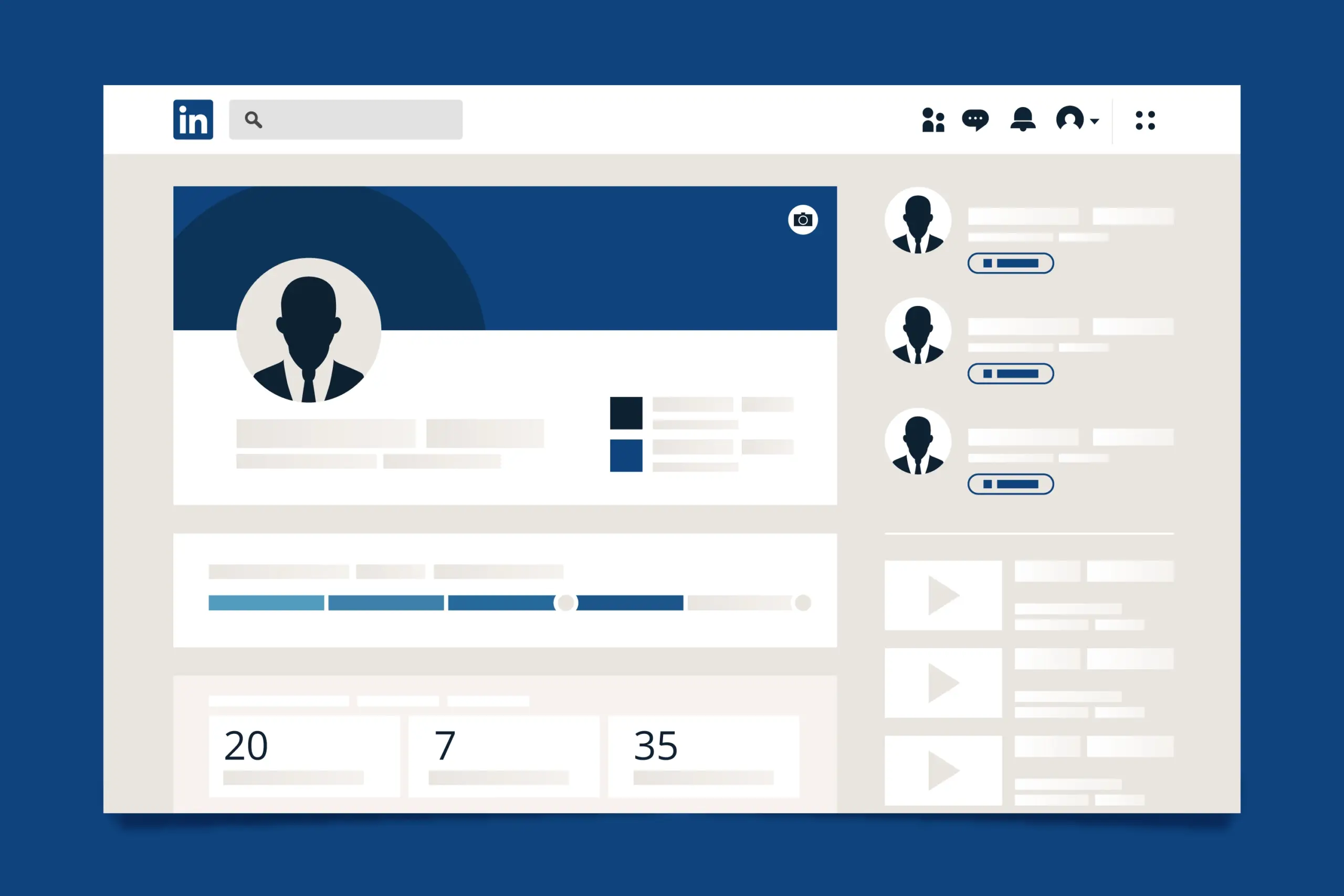
Set your LinkedIn URL to something clean like linkedin.com/in/yourname-structural-engineer. Enable the #OpenToWork frame if you’re actively job hunting — it signals availability to recruiters using LinkedIn Recruiter filters.
Write a Compelling About Section
Your About section should open with a hook, build credibility through expertise, and close with a clear call to action. Keep it between 3-5 short paragraphs.
Example Opener:
“Structural design isn’t just about load calculations — it’s about building infrastructure that generations will rely on. With 7+ years of experience across high-rise residential, bridges, and seismic-resilient structures, I bring precision engineering to every project. Let’s connect!”
Post and Engage Consistently
| Activity | Frequency | Example |
| Posts | 3x per week | “5 STAAD.Pro tips every structural engineer should know” |
| Comments | Daily | Engage in #StructuralEngineering and #CivilEngineering groups |
| Articles | Monthly | “How BIM is transforming Indian bridge construction” |
Posting about IS 1893 seismic code updates, BIM adoption in India, or structural failure case studies establishes you as a thought leader – the type of profile recruiters bookmark and return to.
Common Mistakes Structural Engineers Make on LinkedIn

| Mistake | Fix | Impact |
| Vague experience descriptions | Add project-specific metrics and outcomes | +35% InMail responses |
| Missing industry keywords | Research via LinkedIn search bar suggestions | Break into top 10% search results |
| Inactive profile | Post or engage at least 3 times a week | 5x engagement growth |
| No profile photo or banner | Upload professional headshot + custom banner | 14x more profile views |
| Generic About section | Personalize with your niche, story, and CTA | 2x connection acceptance rate |
Build A Career In Structural Engineering! Get Free Demo Classes!!
Conclusion
Your LinkedIn profile is the one place where you get to showcase your skills as a structural design engineer, your experience in India’s booming infrastructure sector, and why you’d be a great catch for a recruiter – all in one slick package. For structural engineers like you, a well-put-together profile can be the deciding factor between getting ignored and getting headhunted.
So start by nailing the basics: freshen up your headline, pop three solid achievements into your experience section, and slap a portfolio PDF on there for good measure – then just keep building from there. Consistent posting, smart keyword placement, and actually engaging with others will start to make your profile a magnet for attention over time. And with a profile that speaks the language of recruiters, you won’t just be found – you’ll be the first choice on their list.
Transform Your Career with Our Structural Design Course!
Unlock Your Potential in Structural Design! Gain expert knowledge in designing robust structures and advance your career in the construction and engineering fields. Limited spots available! 🌟
Know MoreFrequently Asked Questions
What's the secret to getting your LinkedIn profile noticed by structural engineering recruiters in India?
Target those keywords like “STAAD.Pro India” and “IS 456 compliance,” and get involved in groups for structural engineers in India – the Indian Structural Engineers Network. That’s what local recruiters look for when they’re deciding who to pick up the phone to.
How often should you be posting on LinkedIn if you're a structural engineer looking for work?
Post at least 3 times a week – news, tips, a project you’re working on. It’s a great way to get the algorithm to work in your favour and actually get your profile seen.
How much use can one make of LinkedIn's Featured section?
A lot. Upload some PDFs or BIM visuals to let people see what you’ve actually done, rather than just reading about it on the page. It’s a great way to stand out from the crowd.
Should I be using that "Open to Work" feature on LinkedIn?
Yeah, definitely. If you’re looking for a job then flag it as a recruiter-only search. That way you get flags up that you’re available but your current employer won’t see it.
Can one actually get a structural engineering job just through LinkedIn if they don't have any experience?
Yes, it’s not impossible. Highlight any internships, projects you’ve worked on or relevant certifications – some recruiters are pretty willing to give freshers a chance if they see promise.
Does having a custom URL on LinkedIn add any value for a structural engineer?
Yeah, I reckon it does. Something like ‘linkedin.com/in/yourname-structural-engineer’ looks a lot more professional than the default and it’s easier to find you too.
How do I show off your BIM projects on LinkedIn without breaking client confidentiality?
By doing anonymized case studies and getting the client to sign off on it first. Focus on what your process was and how you approached the problem rather than what the client actually was.
How does LinkedIn actually decide which profiles to show to recruiters?
Well, they’re looking for profiles that are complete, full of relevant keywords and have some engagement on them. Regular updates to your profile keep you looking like a pro and help you stay credible.
Is it worth even writing LinkedIn articles as a structural engineer?
Yeah, I think so. Do a piece on seismic design or BIM and use it to demonstrate your expertise. It’s a great way to drive traffic to your profile and get on the radar of people searching for structural engineers in India.