
Table of Contents
Introduction
You are worried about the interview you are going to have after that long career gap, right? Believe it or not, a skilled mechanical engineer never ends up being jobless unless you choose to. A break in your career as a mechanical engineer does not put an end to the potential opportunities you have ahead. No matter what the reasons were that kept you away, the recruiters welcome employees who re-enter into it with diverse experiences and perspectives. You need to invest yourself by staying updated with the market trends and tools, that ‘s all.
Mechanical engineering remains one of the most skill-driven professions of all time. This means that a career gap does not affect your future prospects in this profession. However, your experience should be coupled with the right expertise to find your place in the current career landscape. Whether your expertise lies in MEP systems, HVAC, or embedded technologies, you can set your job role in this evolving industry. A strong professional mindset and a strategic approach towards your career choice can help you make it happen.
Gear up with an aim to relaunch your mechanical engineering journey stronger than before. Here is a comprehensive understanding of how to restart your career by staying updated and relevant with practical steps. Let’s brush things up and learn new things all along with upskilling being key as in every job role you pick.
Join our MEP Course Online and Build a Successful Career!
Why Taking a Career Gap Doesn’t Have to Be a Setback
Career gaps in mechanical engineering are more common than you might think. For the same reason, they are not considered less. In fact, the industry leaders tend to think that professionals with a considerable career gap are likely to return with sharper problem-solving abilities and renewed motivation. Here is how that works.
The Change in Perspective
The employers industry-wide have launched initiatives like re-entry programmes for the intake of skilled professionals they always have value for. Companies such as Caterpillar, Northrop Grumman and Boeing offer numerous structured returnship programmes that are specifically designed for the professionals re-entering the workforce across various industries. These mentorship programmes offer to fill the gap to help them catch up with skill refresher training and gradual integration into full-time job roles.
Engineering professionals are always in-demand as the industry faces shortage in experts. It is reported to have vacancies for about one-third of engineering job roles open due to skill gaps. This shortage works in favour of those with career gaps as professionals with experience and qualifications become a better choice over experimenting with freshers.
Valuing Diverse Experiences
The current engineering landscape values collaborative effort and so the things you did during the career gap are looked at as experiences to count. They might be benefitting to the engineering environment in terms of decision-making, adaptability among others. Whether you have maintained a small business of your own, stepped into teaching, worked across other industries or fields, or even managed some serious family responsibilities, all these are considered highly valuable. They might help develop crucial soft skills like project management, communication, accountability and leadership.
While looking at the employees’ end, many of them who returned state that the time away helped them have a fresher perspective on problem-solving and innovative insights. Insights from other domains stand as an advantage while approaching challenges in the engineering field in today’s multidisciplinary career landscape.
Master MEP Design with Industry-Leading Training!
Gain in-depth knowledge of Mechanical, Electrical, and Plumbing (MEP) Design with expert-led courses. Learn HVAC, fire safety, sustainable building strategies, and BIM applications to excel in the construction industry.
Know MoreKey Steps to Restart Your Mechanical Engineering Career
As much as welcoming the engineering environment can be, it won’t welcome you as a warrior returning from a triumphant war. You might be equipped with all the qualifications and experiences needed for various job roles. But it is necessary that you make a strategic approach addressing both technical skill updates and professional positioning. Here is a roadmap to a smooth return.
Assess and Update Your Technical Skills
Let’s be transparent. You need not impress yourself here. Just make an honest assessment of your technical capabilities against the current industry standards. Like every other field, the mechanical engineering field has gone through significant technological advancement. This applies particularly in automation, digitalization, manufacturing and sustainable design.
It is important that you update your proficiency in essential software tools. Modern mechanical engineers must be familiar with advanced CAD software such as SolidWorks, CATIA and AutoCAD. Others include simulation tools like ANSYS and MATLAB, and most importantly programming languages like Python and C++ for automation and data analysis.
It is practical to be updated by enrolling in certified courses from platforms like ASME (American Society of Mechanical Engineers) and SolidProfessor. You can also pursue certifications from industry-recognized training programmes. These would help demonstrate your commitment to professional growth and development. Value-added courses after mechanical engineering include specialized programmes in CAD designs, MEP systems, robotics and automation and advanced machine design. These certifications make you well prepared as well as appear as a reliable candidate who is serious about the career.
Rebuild Your Professional Network
No matter what your position in your career is, networking is very crucial. You can begin restarting your career by reaching out to your former colleagues and reconnecting other industry contacts through platforms like LinkedIn. Join professional associations like ASME, attend local chapter meetings, and participate in webinars and industry conferences.
An active engagement in online engineering communities, professional discussion groups and technical forums will work well. Platforms such as Reddit’s engineering communities and engineering-focused Slack channels offer opportunities to stay updated with industry trends. Also consider seeking out mentors who could provide valuable guidance on career strategies and job hunting approaches.
Create a Strategic Job Search Plan
You should develop a strategic approach while job searching. Be transparent about your career gap while also emphasizing your unique skillset and value proposition. Consider starting with contract or consulting positions as they can ensure flexibility allowing you to rebuild industry experience. These contract job roles can act as the stepping stones for a permanent career position. A project-based commitment would allow you to demonstrate your current capabilities while rebuilding your professional confidence.
Invest your efforts to explore adjacent roles that may be more accessible at the beginning. This includes technical sales, applications engineering, quality assurance or project coordination roles. Such positions value your engineering background simultaneously offering pathways back to core engineering roles.
Leverage Career Restart Programmes
As already mentioned, many companies offer extensive returnship programmes. They offer structured paid internships that are designed for professionals returning after a career break for whatever reasons it was. These programmes typically range from 3 to 6 months and often help you land in permanent engineering job roles. So it is important that you keep researching for programmes offered by major engineering employers in your target industries and apply.
The Society of Women Engineers (SWE) operates a STEM Reentry Task Force that connects you to a community of returning professionals and employers. Such professional organizations provide resources for career transition more effectively.
Join our MEP Course Online and Build a Successful Career!
In-Demand Skills for Mechanical Engineers After a Career Gap
The mechanical engineering career landscape is dynamically evolving, which in turn opens up new opportunities by transforming traditional job roles. If you are looking for ways to update your career, you need to identify skills that are most valued and add them to your priority list.
Automation and Robotics
Automation engineering is one of the fastest growing segments in mechanical engineering. With an aim to improve efficiency, companies across various industries have started to implement smart manufacturing systems, industrial IoT and robotics integration. Programming skills and control systems are valuable enough to earn from 6 to 18 lakhs per annum depending on your experience.
Sustainable Design and Green Technologies
Technological advancements also put environmental concerns on the table bringing demand for mechanical engineers who are skilled in sustainable design and green manufacturing processes. Companies are increasingly looking for professionals who can develop eco-friendly products and services. Implementing energy-efficient systems and contributing to carbon reduction initiatives are the other priorities. The bonus highlight is that this goes in hand with the global sustainability trends and in turn offers a secure long-term career prospects.
Digital Tools and Programming
The evolving technical aspects demand modern mechanical engineers to be familiar with digital tools other than traditional CAD software. Programming skills are inevitable for automation, data analysis and simulation. In addition to these, knowledge and expertise in handling IoT systems, digital manufacturing and machine learning applications will help you stand out in the competitive market.
MEP Systems Expertise
Mechanical, Electrical and Plumping (MEP) engineering stands as a growing specialization within the mechanical engineering environment. This goes particularly with construction and infrastructure sectors. MEP engineers design building systems including HVAC, fire protection, plumbing and electrical distribution. This is a dynamic field which offers promising career prospects with both traditional firms as well as smart building technologies.
Exploring Career Paths for Returning Mechanical Engineers
The mechanical engineering career landscape offers a diverse range of pathways in which you can find your place that fits the career goals and level of experience. Once you realize that such options exist, you can easily work on finding the most suitable job role. Here are some entry points to check out.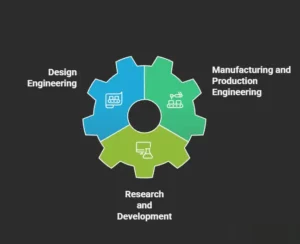
Traditional Engineering Roles
Design Engineering
One fundamental path to choose is that of Design Engineering. This involves using advanced software tools for CAD, product development and prototyping. It is an ideal choice if you have a strong technical background and want to engage directly with product development. You can earn from 3.5 to 6 LPA at entry level and can climb up with a pay scale ranging from 7 to 12 LPA.
Manufacturing and Production Engineering
This job role focuses primarily on optimizing production processes. It also involves implementing lean manufacturing principles and managing quality control systems. The fundamental skill on demand is experience in problem-solving. Another valuable factor is the process improvement skills that you might have developed in other living situations.
Research and Development
If you are looking for opportunities to work on cutting-edge technologies and coming up with innovative solutions, R&D is for you. These job roles welcome diverse perspectives as well as non-linear career paths, an environment you dream of.
Emerging Interdisciplinary Fields

Embedded Systems Engineering
This brings together mechanical and electrical engineering opening up scope for transitioning into embedded systems roles. This works well for those with mechatronics, automotive systems or IoT applications. It demands a sound understanding of both hardware and software integration.
MEP Engineering
This field offers a huge range of opportunities for mechanical engineers combining HVAC design, building systems integration and sustainable building technologies. A major highlight is that MEP job roles offer opportunities for specialization in areas such as commissioning and energy modelling. It also ensures a wonderful work-life balance.
Project Management and Technical Leadership
These roles explore your knowledge in engineering focusing on project coordination, strategic planning and team leadership. If you are someone who happened to do something that developed your management skills during your career break, this can be the right choice.
Alternative Entry Points

Applications Engineering and Technical Sales
These job roles offer remarkable entry points for experienced professionals returning after a break. You will have a flexible work environment and demand less hands-on technical work at the beginning. Positions around this field value engineering knowledge and serve as pathways leading to core engineering roles.
Quality Assurance and Testing
These roles offer opportunities for good learning and research about the current industry practices. These positions allow you to apply engineering principles while working with current technologies and processes. It can lead you to land on a more specialized engineering position.
Consulting and Contract Work
If you have an eye for building experience across multiple projects and companies these are meant exclusively for you. In spite of the complexity that might come with it, surprisingly these job roles offer flexibility. Many returners out there became successful after they started off in contract roles.
Join our MEP Course Online and Build a Successful Career!
Master MEP Design with Industry-Leading Training!
Gain in-depth knowledge of Mechanical, Electrical, and Plumbing (MEP) Design with expert-led courses. Learn HVAC, fire safety, sustainable building strategies, and BIM applications to excel in the construction industry.
Know MoreKey Takeaways
As someone planning to make a re-entry into the mechanical engineering career landscape, you need a clear strategy to make it successful. It is important that you bring together technical skill development and professional networking while keeping realistic expectations about the transition. The current scenario welcomes experienced professionals even after a career break as the employers value diverse experiences at a time of industry-wide shortage in skilled professionals. Here are the major steps to consider:
- Start by brushing up your skillset and then leverage them to skills like automation and modern digital tools.
- You can also look for returnship programmes and professional development initiatives organized exclusively for this community.
- Break free from your comfort zone and try connecting with the engineering community through professional associations, conferences and meetups.
- It might feel overwhelming to sign up for a fulltime job. So, start with contract positions.
- Don’t overlook what you acquired and developed during your break in career. See how you can leverage your real life responsibilities and align with the skillsets that the job demands.
- Highlight your adaptability and collaborative efforts that could look good after a break.
- Build and share your perspectives about the industry challenges and present them wholeheartedly.
Conclusion
You must have come to realize that restarting your career in mechanical engineering is not only possible but in fact can open up opportunities to excel in it and have career growth. Your foundational knowledge in engineering coupled with the skills developed during the career break can be a deadly combination to go with. In addition to these a fresher perspective on industry challenges can help you create a proposition that will align with the employers’ requirements and will make you stand out.
Keep your focus on skill development and active networking that will help you leverage the available resources. With proper preparation and consistently, working on the suitable position that aligns with your interest and goals, you can turn your career break in your favour. Just work on it persistently to land on something that gives you long-term success in the evolving mechanical engineering landscape.
Master MEP Design with Industry-Leading Training!
Gain in-depth knowledge of Mechanical, Electrical, and Plumbing (MEP) Design with expert-led courses. Learn HVAC, fire safety, sustainable building strategies, and BIM applications to excel in the construction industry.
Know MoreFrequently Asked Questions
1. Is there a definite time period that is considered too long a career break in mechanical engineering?
There is no definite time period as such. There are professionals who return even after 15 years and make a successful career. It strictly depends on remaining relevant and updated with skills, certifications and having perspectives about the challenges in the industry.
2. What are the skills to be updated with before re-entering a mechanical engineering career?
The skills that are valued by the employers range from CAD software proficiency, programming skills and automation technologies to sustainable design principles.
3. Is it mandatory to mention the career gap in the resume?
Yes, that is the professional way to handle it. Being honest and strategically putting your skillset and perspectives can work in your favour.
4. Are there any particular companies or firms that specifically call for returning professionals?
Yes. There are many companies that actively recruit returning professionals. To name a few – Caterpillar, Boeing, Northrop Grumman, etc. Some even offer returnship programmes supporting the hiring practices.
5. What career positions should be focused on while applying for the job after a career gap?
Begin with contract positions, quality assurance or project coordination roles. These can act as stepping stones to take you far with your skills and experience.
6. Is it possible to transition into software or embedded systems as a mechanical engineer?
Yes, many mechanical engineers successfully transition into embedded systems, especially in areas involving mechatronics and IoT applications.
7. Is age a consideration when it comes to applying for a job after a break?
Age discrimination does exist in some cases, but when it comes to mechanical engineering skillset and experience weighs more. Current relevance and commitment to contribute to the field counts more than anything.
8. How can one stay updated about mechanical engineering trends?
Subscribing to industry publications is the first step. You can also follow professional organizations on social media platforms, attend virtual conferences and webinars, and participate in engineering forums.
9. Is it mandatory to network when getting to positions after a career break?
Networking is inevitably crucial for restarting a career. Many professional positions are filled through professional networks before even being advertising. Consider working with LinkedIn and ASME.
10. Should one consider pursuing additional education before returning or start applying for a job right away?
It depends. If you had a recent career gap, you won’t find it difficult to stay current with the industry trends. For longer gaps you can consider target value added courses or certifications.