Table of Contents
Montessori education works around the idea of making kids feel respected, giving them an environment that is carefully chosen to help them learn and making them enjoy freedom within some clear boundaries. All these make them start to thrive on their own from a very young age.
Doctor Maria Montessori spent several years observing and experimenting before developing the tenets of Montessori education. They are predicated on respect for how kids learn.
The fundamentals of Montessori education are as much about describing how Montessori differs from traditional education as they are about comprehending how children learn. In this blogpost we are discussing about the principles of Montessori education.
Unlock your passion for education and shape young minds as a Montessori teacher!
Key Takeaways
- At Montessori schools, kids learn on their own, using hands-on materials and taking charge of their own learning.
- Those early years (from birth to six) are so important as that’s when we reach what Montessori called the “absorbent mind” stage.
- Teachers in a Montessori classroom tend to act more like mentors than straight lecturers.
- Having kids of different ages in the same class is a huge part of what makes Montessori work – it lets them learn from each other and learn to take on leadership roles.
- In today’s classrooms, you’ll see all sorts of modern technologies, practices that focus on taking care of the environment and teaching emotional intelligence.
- There’s an increasing global shortage of teachers trained in the Montessori method – and that’s no accident, given the very positive results that come out of these classrooms.
Introduction
1: What is the primary focus of the first plane of development in the Montessori method?
Montessori education – the way it was born back over a century ago by Maria Montessori still holds up remarkably well even in 2026. The reason is simple: it focuses on what really matters in a child’s education – independence, curiosity and growing into a whole person, rather than just memorizing stuff.
Nowadays, Montessori classrooms are an interesting blend of a timeless approach to education, mixed with some of the most modern innovations out there like using technology to help teachers keep track of what’s going on, activities that focus on the environment and how we can take care of it, and also teaching kids to be aware of how they’re feeling and putting that into practice. This is what lets kids grow into confident, original thinkers who can keep up with the rest of the rapidly changing world.
Get Certified & Start Your Montessori Career
Montessori Teacher Training Course by Entri App: Gain expert skills, earn certification, and kickstart your teaching career.
Join Now!Core Principles of Montessori Education
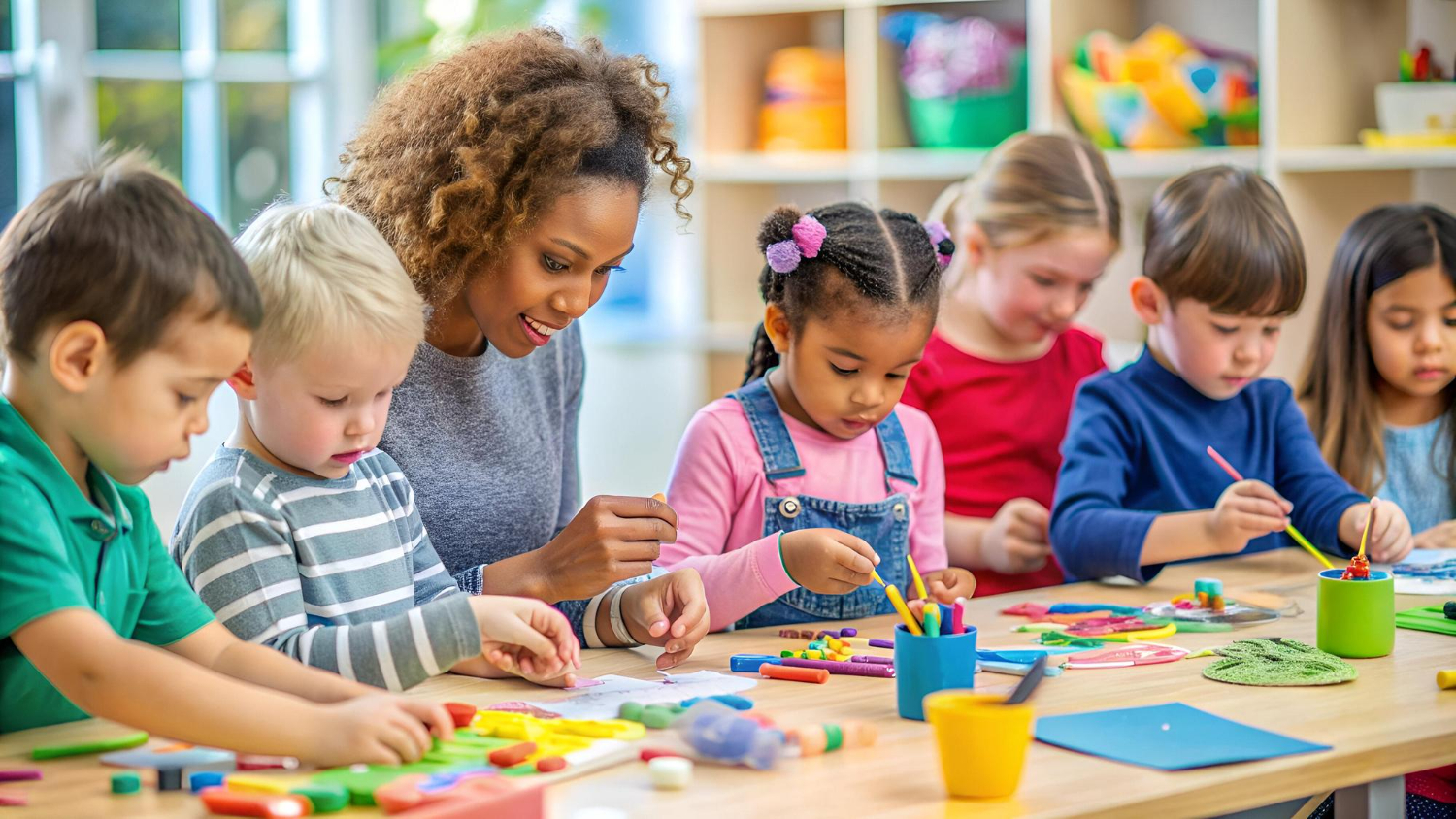
Primarily, the Montessori method works around several timeless principles that actually shape the learning experience in classrooms worldwide.
1. Respect for the Child
Respecting the child as another individual and not some inferior that needs to be controlled is one of the most fundamental principles followed by Montessori.
In such classrooms, kids are treated as capable enough learners. They are not forced into following rigid instructions. Instead, they are given the freedom to explore various subjects at their own pace.
Respect for the child means:
- Listening to their interests and ideas
- Allowing them to make choices about their work
- Encouraging learning from mistakes rather than punishing them
- Supporting individual learning speeds
This approach builds confidence, independence, and intrinsic motivation, which are essential for lifelong learning.
2. The Absorbent Mind
Montessori believed that young children possess an “absorbent mind.”
During the first six years of life, children naturally absorb knowledge from their surroundings without conscious effort. They pick up language, cultural behaviours, movement patterns, and social skills simply by interacting with their environment.
Because of this powerful learning stage, Montessori classrooms focus on:
- Rich learning environments
- Language development
- Sensory experiences
- Real-life practical activities
These experiences help children build strong cognitive foundations during their most receptive years.
3. Sensitive Periods
Another core Montessori principle is the concept of sensitive periods. These are short developmental windows when the kids show deep interest in learning specific skills.
Examples include:
| Sensitive Period | Age Range | Learning Focus |
| Language | 0 to 6 years | Vocabulary, speaking, listening |
| Order | 1 to 3 years | Structure and routine |
| Movement | 1 to 4 years | Motor coordination |
| Social skills | 2 to 6 years | Interaction and cooperation |
It is during these periods that the kids learn some skills in particular more easily and naturally. Montessori teachers carefully observe each child to choose the right materials and activities at the right time.
Montessori Classroom Essentials
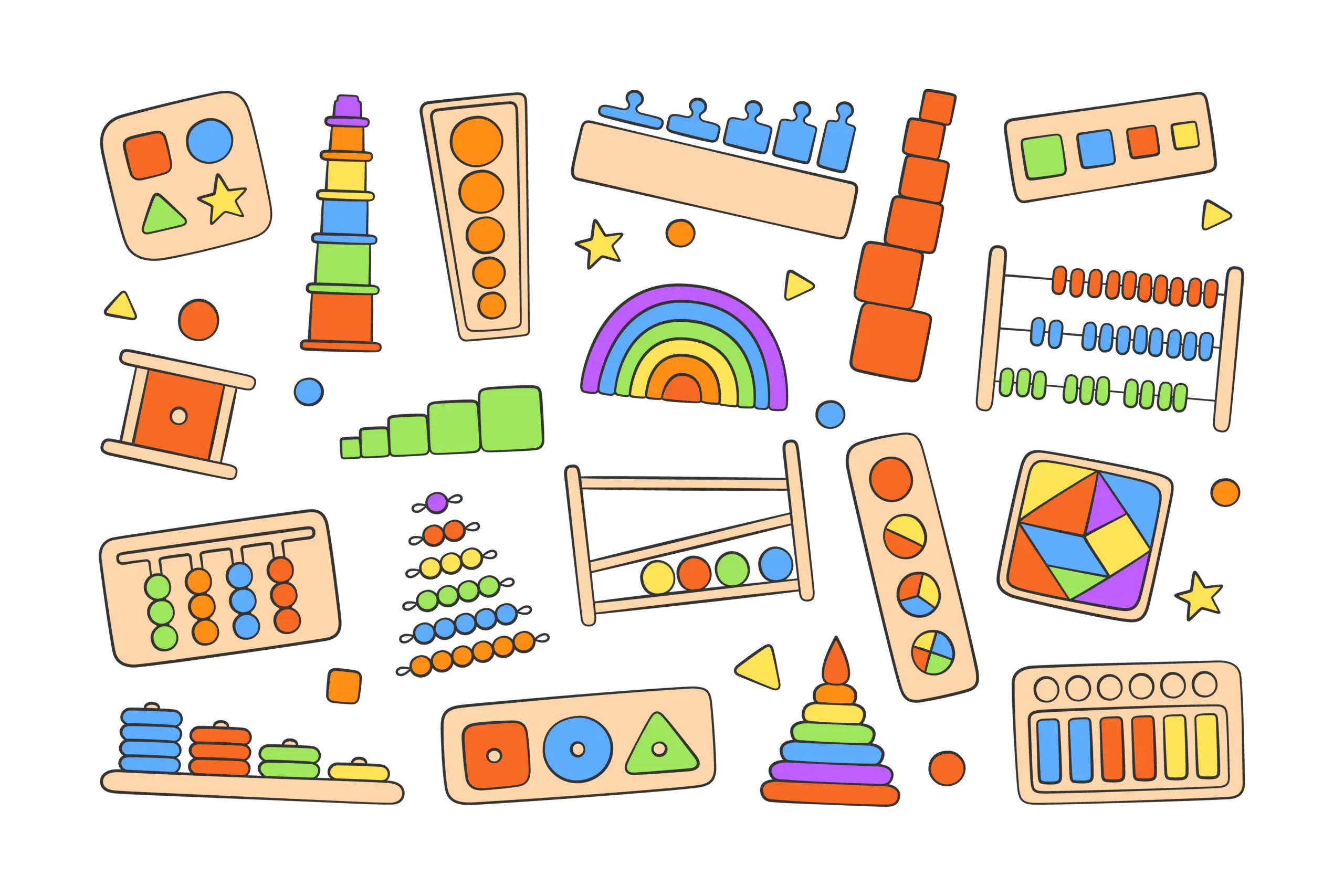
When it comes to the classroom essentials, it is intentionally designed to support the kids’ independence and concentration by discovering new things.
Freedom Within Limits
Kids in the Montessori classrooms develop confidence while enjoying the freedom to choose their activities. Do note that the boundaries and surveillance are clearly defined yet subtle.
This principle teaches:
- Responsibility
- Self-discipline
- Respect for others
For example, children can choose their work, but they must:
- Use materials correctly
- Return them after use
- Respect classmates’ learning space
This balance between freedom and structure helps children develop self-control and accountability.
Mixed-Age Classrooms
Montessori classrooms typically group children in three-year age ranges.
Examples:
| Montessori Level | Age Group |
| Infant Community | 0 to 3 years |
| Primary | 3 to 6 years |
| Lower Elementary | 6 to 9 years |
| Upper Elementary | 9 to 12 years |
Mixed-age classrooms create natural opportunities for:
- Peer learning
- Leadership development
- Collaboration
- Social responsibility
Older children reinforce their knowledge by helping younger students, while younger children learn by observing role models.
Hands-On Learning Materials
Montessori classrooms use carefully designed materials that allow children to learn through direct experience.
These materials are:
- Self-correcting
- Sensory-based
- Structured for progressive learning
Major learning categories include:
| Learning Area | Skills Developed |
| Practical Life | Independence, coordination |
| Sensorial | Observation and perception |
| Mathematics | Logical thinking and numeracy |
| Language | Reading and writing |
| Cultural Studies | Geography, science, history |
Because these tools are self-correcting, children can identify and fix mistakes on their own, fostering auto-education and confidence.
Modern Adaptations of Montessori Education (2026)
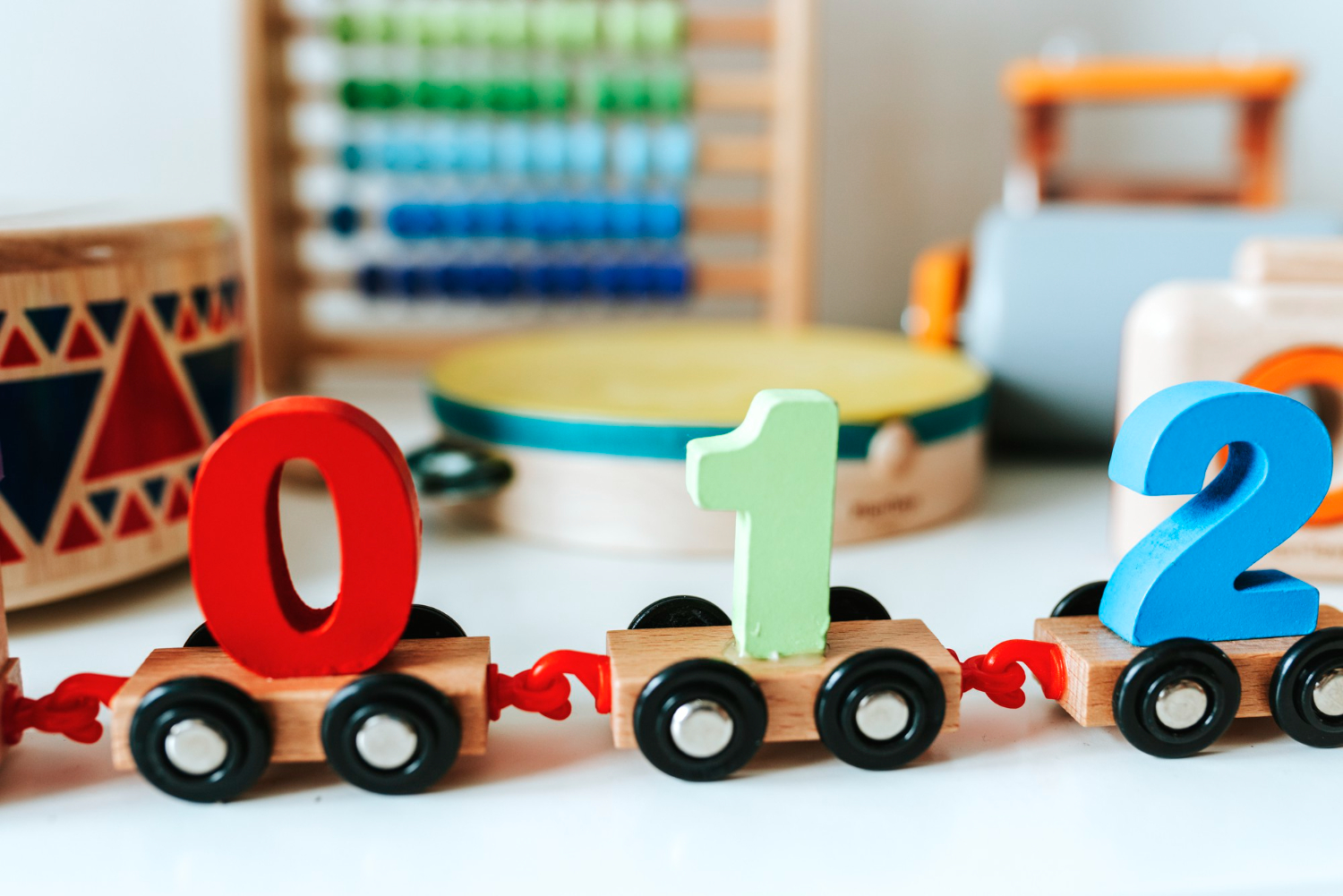
Though Montessori principles remain unchanged, the classrooms have evolved to meet modern educational needs.
Technology Integration
Today Montessori schools incorporate technology both in a balanced as well as mindful way.
Hands-on materials are not being replaced but technology is used to enhance learning. This is done through:
- AI-based observation tools: they help teachers track developmental progress.
- Digital portfolios: Document student growth.
- AR/VR experiences: Allow children to explore complex concepts such as space, geography, or geometry
This approach ensures that technology supports learning without overwhelming children.
Sustainability and Environmental Awareness
With increasing global attention to climate change, many Montessori classrooms emphasize sustainability.
Children participate in activities such as:
- Gardening projects
- Recycling initiatives
- Nature exploration
- Environmental responsibility lessons
These experiences encourage children to develop respect for nature and environmental stewardship from an early age.
Emotional Intelligence and Mindfulness
Modern Montessori programmes also emphasize social and emotional development.
Activities may include:
- Mindfulness exercises
- Collaborative group work
- Conflict resolution discussions
- Emotional awareness activities
These practices help children build resilience and emotional balance in a world increasingly dominated by digital distractions.
Get Certified & Start Your Montessori Career
Montessori Teacher Training Course by Entri App: Gain expert skills, earn certification, and kickstart your teaching career.
Join Now!Why Montessori Education Matters in 2026
Montessori education gains renewed attention worldwide due to its strong developmental outcomes.
Research suggests that children educated through Montessori systems often demonstrate:
- Better executive functioning
- Strong problem-solving abilities
- Higher creativity
- Greater independence
This has given way to an increase in the demand for trained Montessori educators with growing significance in many countries – this includes India and Gulf countries.
Parents have also developed increased awareness in providing holistic growth through education. They increasingly seek educational approaches that combine academic strength with life skills. Montessori is the right pick for them as their education exactly offers that balance.
If you are an aspiring educator, Montessori teacher training has become a promising career path. This is especially the case with international schools and with early childhood centres continuing to expand.
Unlock your passion for education and shape young minds as a Montessori teacher!
Conclusion
Montessori education has surpassed different phases of evolution and stands tall with deeply rooted principles on natural learning.
Giving due respect to the kids and not overpowering them, recognizing sensitive developmental periods and creating supportive learning environments makes Montessori the right pick. Montessori classrooms nurture independence giving life to curiosity and lifelong learning.
Currently, the Montessori method has evolved to include technology, awareness about sustainability and practices that foster emotional intelligence. All this is happening while still preserving its core philosophy. The unique combination of tradition and innovation ensures that Montessori education is irreplaceable with most effective approaches till date.
For both parents as well as educators, understanding these principles can bring a transformation as they offer valuable insight on multiple factors. Make the best use of all these and see how well it works for you.
|
RELATED POSTS |
|
|
Why the New Academic Year Is the Best Time to Join a Montessori TTC Course |
|
|
Skill-Based Montessori Training vs Certificate-Based Courses |
|
Get Certified & Start Your Montessori Career
Montessori Teacher Training Course by Entri App: Gain expert skills, earn certification, and kickstart your teaching career.
Join Now!Frequently Asked Questions
Why are multi-age classrooms used in Montessori education?
Children can learn from each other in a community-like setting created by using multi-age classrooms. While older children transmit concepts they have mastered to younger ones, younger children learn from watching their older classmates.
How is individualized learning implemented in Montessori education?
By adapting lessons and activities to each child’s developmental stage, interests, and pace, individualized learning is put into practice. Based on their observations, teachers give instruction to students in small groups or one-on-one.
How are practical life skills integrated into Montessori education?
Activities involving daily chores like cleaning, clothing, gardening, and cooking combine practical life skills. Children’s independence, focus, fine motor abilities, and sense of responsibility are all enhanced by these activities.
What are Montessori materials?
The hands-on, self-correcting Montessori objects are specially made educational instruments. Numerous topics are covered, including language, cultural studies, mathematics, sensory studies, and practical life.