Table of Contents
Foundation activities help children understand basic concepts step by step, without feeling pressured or confused. When learning feels like play, children enjoy the process and develop confidence in their abilities. These early experiences not only make math easier to understand but also improve problem-solving and thinking skills.
Key Takeaways:
- Early math skills help children think and solve problems
- Basic concepts like numbers, shapes, and patterns build a strong base
- A strong foundation makes future learning easier
- Fun activities make math simple and interesting
- Montessori methods help children learn by doing
- Parents’ support and patience help children learn better
Introduction
Math can be fun and exciting for children when they are introduced to it in the right way. In the early years, young people are naturally curious and interested in exploring the world around them. This is a great time to build a strong math foundation with easy and engaging activities.
Instead of the easiest focus on numbers, youngsters can learn math through regular stories such as ordering objects, seeing styles, and counting things they see around them .
In this blog, we’ll explore easy and laugh-out-loud ways to help young ones boost their math skills with simple games, Montessori methods, and real-world tips that parents can try at home.
Register for the Entri Elevate Montessori Teacher Training Program! Join Now!
Why Early Math Skills are Important for Children
1: What is the primary focus of the first plane of development in the Montessori method?
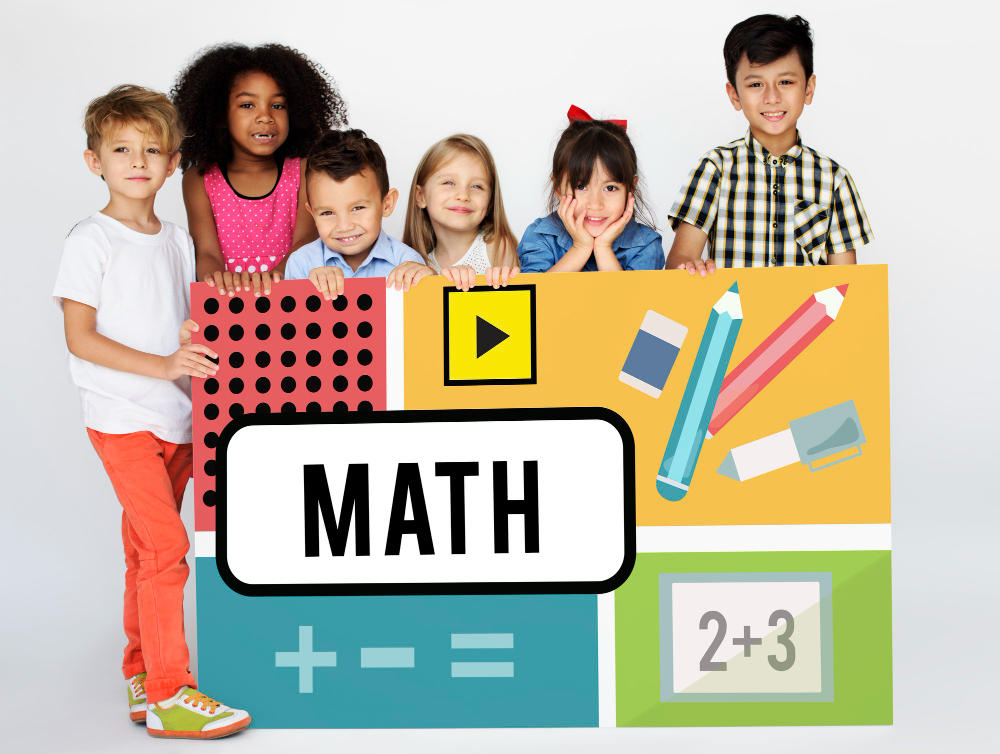
Early math is not just about numbers. This allows young people to think, learn and understand things better. Learning math at a young age can also build self-confidence. When mathematics is taught in a fun way and young people have the support of parents and teachers, they can easily analyze and experience the process. A strong math foundation in the early years helps children succeed in life.
1. Improves Thinking and Problem-Solving
- Math helps children think clearly
- They learn step-by-step thinking
- Activities like counting and puzzles help
- Children learn how to solve problems
- Helps in daily life situations also
2. Builds Strong Learning Base
- Basic concepts are very important
- Includes numbers, shapes, and patterns
- Helps in learning higher math easily
- Reduces confusion later
- Makes school learning easier
3. Builds Confidence
- Children feel happy when they understand math
- Removes fear of math
- They feel proud of their learning
- Encourages them to try more
- Creates a positive attitude
4. Helps in Daily Life
- Math is used every day
- Children learn concepts like big/small, more/less
- Helps in sharing and organizing things
- Helps in making simple decisions
- Makes daily tasks easier
5. Supports Brain Development
- Brain grows fast in early years
- Math improves memory and focus
- Helps children think better
- Improves reasoning skills
- Also supports language skills
6. Helps Find Learning Problems Early
- Early learning shows if a child has difficulty
- Parents and teachers can notice quickly
- Help can be given on time
- Prevents bigger problems later
- Helps children stay on track
- Early math learning is very important
- It helps children in many ways
- Simple and fun methods make learning easy
- Strong basics help in future success
Foundation Math Concepts for Young Learners
Basic mathematical concepts help young people to analyze in an easy way. Learning should be fun and simple for children to enjoy. Regular practice helps them improve their math skills and understand concepts better. It also builds their confidence and creates a strong foundation for future expertise.

1. Counting and Number Recognition
- Counting is the first math skill
- Children count toys, fruits, or steps
- Helps them understand numbers and quantity
- They also learn to recognize numbers
- Builds a strong base for math
2. Shapes and Patterns
- Children learn shapes like circle, square, triangle
- They see shapes in daily life
- Improves observation skills
- Patterns help them see what comes next
- Builds logical thinking
3. Sorting and Grouping
- Children group objects by color, size, or type
- Example: big and small blocks
- Or toys by color
- Helps them understand similarities and differences
- Teaches organization skills
4. Basic Measurement
- Children learn simple ideas like big/small
- Also tall/short and heavy/light
- They compare objects in daily life
- Helps them understand the world better
5. Quantity and Comparison
- Children learn more and less
- Also equal and not equal
- They compare groups of objects
- Helps improve number understanding
- Builds thinking skills
6. Math in Daily Life
- Math is used in everyday activities
- Counting snacks or sharing toys
- Setting the table
- Makes learning natural and easy
- Helps children understand real-life use
7. Problem-Solving Skills
- Activities like puzzles and games help
- Matching and building blocks are useful
- Children learn to think and solve problems
- Improves confidence
- Makes them better learners
- They help children learn math step by step
- Fun learning makes it easy and interesting
- A strong base helps in future success
Fun Math Activities for Preschool Children
Montessori Methods to Teach Math
Montessori techniques help children experiment with math in a fun and easy way. Children learn by using their senses and playing games. They practice mathematics with real objects and everyday examples. This makes learning easy, fun, and stress-free.
1. Learning with Hands-On Materials
- Children use special learning tools
- Examples: number rods, beads, counting blocks
- They can see and touch numbers
- Helps them understand better
- Makes math real, not just theory
- Easier than only memorizing
2. Learning at Their Own Speed
- Every child learns differently
- No pressure to learn fast
- Children take their own time
- They can repeat activities many times
- Helps them feel confident
- Builds a strong base
3. Step-by-Step Learning
- Learning starts from simple topics
- First, children learn counting and numbers
- Then they move to addition and subtraction
- Slowly they learn harder topics
- No rush in learning
- Reduces confusion
4. Real-Life Learning
- Math is linked to daily life
- Children count toys, fruits, or objects
- They measure things while cooking
- They sort and arrange items
- Helps them see the use of math
- Makes learning meaningful
5. Encouraging Independence
- Children choose their own activities
- They try to learn on their own
- Teachers guide gently
- Children solve problems by themselves
- Builds confidence
- Makes them responsible
6. Focus on Understanding
- Children learn the meaning of concepts
- They understand “how” and “why”
- Not just memorizing answers
- Helps in long-term learning
- Makes math easier later
7. Builds Confidence and Interest
- Learning is fun and interactive
- No pressure or fear
- Children enjoy doing activities
- They feel happy while learning
- Builds a positive attitude
- Makes them more interested in math
Montessori makes math simple and clear:
- Children learn in a fun and natural way
- Strong basics help in future learning
- It builds confidence, interest, and skills step by step
Tips for Parents to Improve Kids’ Math Skills at Home
Parents can help children explore mathematics with laughter and smoothness. Easy practice every day helps build strong math skills. A happy and fantastic environment makes it easier and easier for the children to learn.
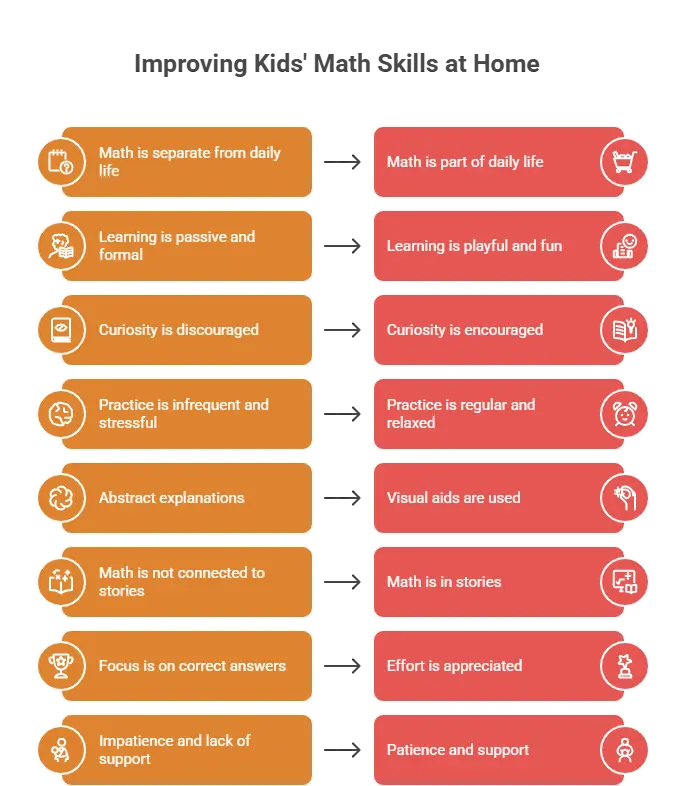
1. Make Math Part of Daily Life
- Use simple daily activities to teach math
- Ask children to count fruits or toys
- Let them help while cooking and measuring
- Show them how math is used in real life
2. Use Fun Activities
- Children learn best through play
- Use puzzles, games, and building blocks
- Try simple counting games
- Fun learning keeps children interested
3. Encourage Questions
- Let children ask questions freely
- Do not rush to give answers
- Guide them to think and find answers
- This improves thinking skills
4. Practice Daily Without Pressure
- Practice a little every day
- Keep sessions short and simple
- Do not force children to learn
- A relaxed mind helps better learning
5. Use Real Objects
- Use toys, beads, or drawings to teach
- Let children see and touch things
- This makes learning easy to understand
- Helps them remember better
6. Read Math Stories
- Use storybooks with numbers and patterns
- Makes learning fun and interesting
- Connects math with imagination
- Helps children enjoy learning
7. Appreciate Effort
- Praise children for trying
- Do not focus only on correct answers
- Encourage them even if they make mistakes
- This builds confidence
8. Be Patient and Supportive
- Every child learns at their own speed
- Stay calm when they find things hard
- Support and guide them gently
- Your help makes them feel confident
- With simple steps, parents can make math easy
- Fun learning builds strong skills
- Children become confident and enjoy math
Get Certified & Start Your Montessori Career
Montessori Teacher Training Course by Entri App: Gain expert skills, earn certification, and kickstart your teaching career.
Join Now!Common Challenges in Learning Math
Many children struggle with math. This can be normal and constant. With patience, help, and careful practice, young people can improve in mathematics.
Register for the Entri Elevate Montessori Teacher Training Program! Join Now!
Conclusion
Get Certified & Start Your Montessori Career
Montessori Teacher Training Course by Entri App: Gain expert skills, earn certification, and kickstart your teaching career.
Join Now!Frequently Asked Questions
At what age should children start learning math?
Children can start learning basic math concepts as early as 2–3 years old. At this age, learning should be simple and fun, like counting objects, recognizing shapes, and identifying patterns through play.
What are foundation math skills for young children?
Foundation skills include counting, number recognition, shapes, patterns, sorting, and understanding concepts like big/small or more/less. These basics help children build a strong base for future learning.
How can parents make math fun at home?
Parents can use games, toys, and daily activities like counting fruits, cooking, or playing shop. Making math part of everyday life helps children learn naturally without feeling pressure.
Why are hands-on activities important in math learning?
Hands-on activities help children see and touch what they are learning. This makes it easier to understand concepts and remember them for a longer time compared to just reading or memorizing.
What are Montessori methods in math teaching?
Montessori methods use special learning materials and practical activities to teach math step by step. Children learn at their own pace and focus on understanding concepts instead of memorizing them.
What if my child finds math difficult?
It is normal for some children to struggle with math. Parents should be patient, encourage practice, and use simple, fun methods to explain concepts. Support and positivity can help children improve over time.
How often should children practice math?
Short daily practice is best. Even 10–15 minutes of fun activities or simple exercises can help children build strong math skills without feeling overwhelmed.