
Table of Contents
As a beginner, is it lack of information that is holding you back from stock trading? If you are quite desperate to know which is the best trading style for newbies, you have reached the right place.
Key Takeaways
- Swing Trading is generally considered the best trading for beginners because it balances profit potential with manageable screen time.
- Delivery Trading (Long-term investing) is the safest entry point for those looking to build wealth without high stress.
- Intraday Trading offers quick results but requires high discipline, technical knowledge, and constant monitoring.
- Risk Management, specifically the “1% Rule,” is more important than the specific trading style you choose.
- Avoid Options and Futures until you have mastered the basics of cash market trading.
Join our Online Course and Learn Stock Marketing the Right Way. Enrol Now!
Introduction
1: What is a stock?
The Indian stock market has seen a massive surge in retail participation over the last few years. The most surprising part is that the number of unique registered investors on the National Stock Exchange of India rose to 12.2 crore on 31 October 2025. In late September, this figure was just 12 crore. As opening a Demat account has become pretty easy and high-speed trading apps available in plenty, thousands of new traders enter the market every day. However, most beginners find themselves lost in a sea of technical jargons ranging from Intraday to Scalping and F&O to Swing.
It is inevitable that you choose the right path as your initial experience often becomes the decisive factor in whether you stay in the market or leave after a loss. This guide will delve deep into the various styles to help you identify the best trading for beginners based on your lifestyle, capital, and risk appetite.
Types of Trading for Beginners

1. Delivery Trading (Long-Term Investing)
While often categorized as “investing,” delivery-based trading is the foundation of the stock market. In this style, you buy shares and hold them in your Demat account for months or even years.
- Why it’s great for beginners: You aren’t pressured by time. If the stock price drops 2% today, you don’t have to sell. Instead, you can wait for the company to grow.
- Risk Level: Low to Moderate.
- Time Commitment: Very low. You only need to check your portfolio occasionally.
For many, this is the best trading for beginners because it allows you to learn how price movements work without the “ticking clock” stress of intraday trades.
2. Swing Trading: The “Sweet Spot”
Swing trading involves holding stocks for more than a day. It usually ranges from a few days to a few weeks. The goal is to catch a “swing” or a trend in the stock price.
Why Swing Trading is Highly Recommended
Most of the beginners in India are either students or working professionals and they cannot sit in front of a laptop from 9:15 AM to 3:30 PM. Swing trading allows you to do your research in the evening, place your orders, and check the progress once a day.
- Technical Analysis: You use daily or weekly charts, which are less “noisy” and more reliable than 1-minute or 5-minute charts used in day trading.
- No Overnight Panic: Unlike intraday, you don’t have to “square off” your position at a loss just because the market is closing.
- Compound Interest: It lets you capture larger moves (5% to 15%) compared to the tiny fluctuations sought in day trading.
3. Intraday Trading (Day Trading)
Intraday trading is what most people see on social media—fast-moving charts and quick profits. Here, you must buy and sell your stocks within the same day.
- The Appeal: You don’t have “overnight risk.” If a global war starts at midnight, your capital is safe because you have no open positions.
- The Reality: It is incredibly stressful. The Indian markets can be very volatile. A sudden news break or a large institutional sell-off can wipe out a beginner’s capital in minutes. A SEBI study shows that out of 10 individual intraday traders in the equity cash segment, 7 of them make losses.
- Leverage: Brokers provide “margins,” meaning you can trade with 5 times the money you actually have. While this sounds good, it also multiplies your losses by 5 times.
Unless you have a solid grasp of technical indicators and strict emotional control, this is rarely the best trading for beginners.
4. Scalping: The High-Speed Lane
Scalping is a subset of intraday trading where you hold a stock for just a few seconds or minutes. Here the aim is to make tiny profits on a large number of trades.
- Verdict: Avoid it. Scalping requires lightning-fast execution and very low brokerage costs. For a beginner, the “slippage” (the difference between the price you want and the price you get) and the emotional fatigue make this almost impossible to master early on.
5. Options and Futures (Derivatives)
In India, “Options Trading” has become a trend. Between FY22 and FY25, the number of individual traders in India’s derivatives market has surged massively by over 120% to hit nearly 10 million. However, statistically, 9 out of 10 individual traders in the equity F&O segment incur losses.
- Complexity: You aren’t just betting on price; you are betting on time (Theta) and volatility (Vega).
- Risk: You can lose 100% of your capital in a single day.
- Advice: Beginners should stay away from derivatives till the time they have at least 6-12 months of consistent profitability in the cash (Equity) market.
How to Choose Your Style?
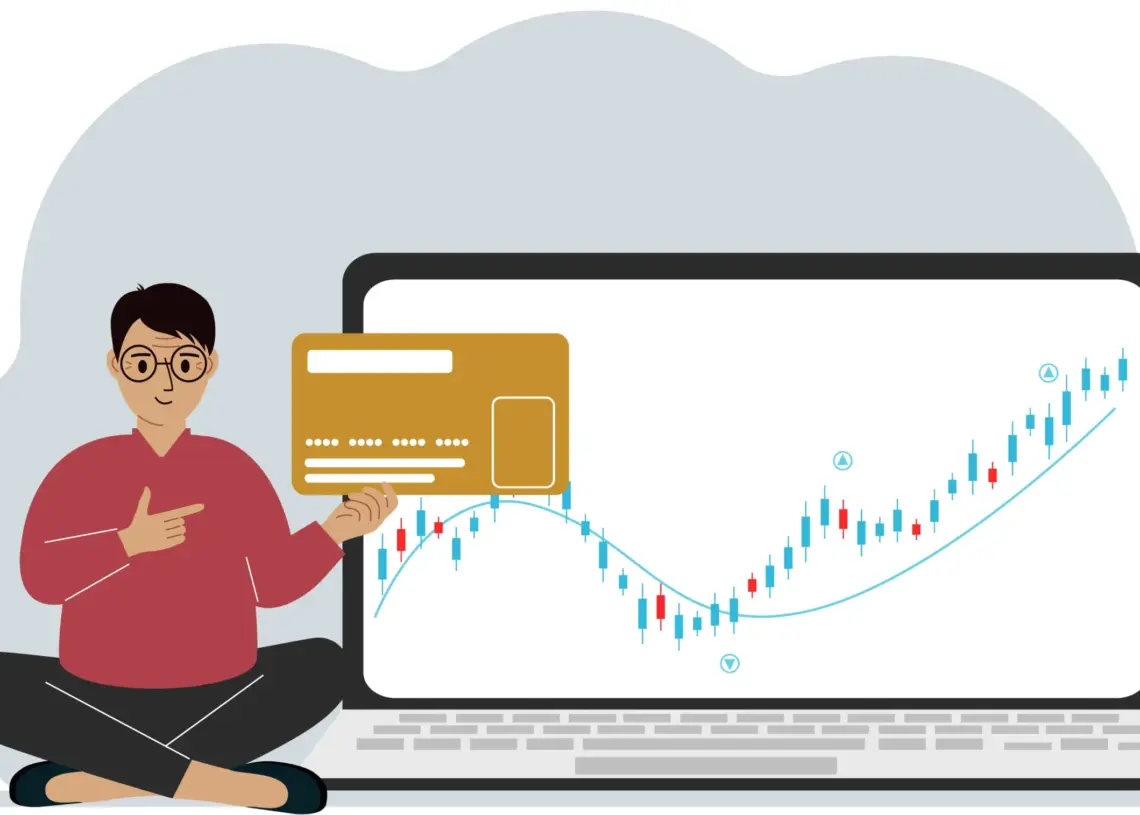
To find the best trading for beginners that fits you, ask yourself these three questions:
- How much time do I have? If you have a 9-to-5 job, Swing Trading is your best bet. If you are free during market hours, you can experiment with Intraday.
- What is my risk tolerance? If seeing a ₹1,000 loss on your screen makes you panic, stick to Delivery or Swing trading.
- What is my capital? Intraday allows you to start with less money due to leverage, but it is riskier. Delivery requires you to pay the full amount for every share you buy.
3 Golden Rules for Every Beginner

Regardless of the type of trading you choose, follow these rules to survive the first year:
A. The 1% Risk Rule
Never risk more than 1% of your total trading capital on a single trade. If you have ₹1,00,000, your loss on any single trade should not exceed ₹1,000. This ensures that even if you have five losing trades in a row, you still have 95% of your capital left to fight back.
B. Use a Stop-Loss
A stop-loss is an automatic order that sells your stock if it hits a certain price. It acts as your “safety belt.” Never enter a trade without knowing exactly where you will exit if you are wrong.
C. Start with Paper Trading
Before putting real money at risk, use a virtual trading app. Practice your strategy for a month. If you can’t make “fake” money, you certainly won’t make real money.
Join our Online Course and Learn Stock Marketing the Right Way. Enrol Now!
Stock Market Training Reviewed & Monitored by SEBI Registered RA
Trusted, concepts to help you grow with confidence. Enroll now and learn to start investing the right way.
Know moreConclusion
If you are just starting your journey in the Indian stock market, the best trading for beginners is undoubtedly Swing Trading or Delivery Trading. These methods provide the breathing room needed to learn the ropes without the high-octane stress of day trading.
Focus on learning “Price Action” i.e. how the price moves based on support and resistance levels, rather than looking for a “magic” indicator. Always keep in mind that trading is a marathon, not a sprint. Protect your capital first, and the profits will eventually follow.
|
RELATED POSTS |
|
|
Emotion and Psychology in Trading: The Hidden Drivers of Performance |
|
Stock Market Training Reviewed & Monitored by SEBI Registered RA
Trusted, concepts to help you grow with confidence. Enroll now and learn to start investing the right way.
Know moreFrequently Asked Questions
Can I start trading with just ₹5,000?
Yes, you can start with a small amount in India. However, with low capital, stick to equity delivery or swing trading to avoid high brokerage eating your profits.
Is intraday trading gambling?
If done without a plan or logic, yes. But with technical analysis and risk management, it is a professional skill. For beginners, however, it often feels like gambling due to high volatility.
Which app is best for beginners in India?
Most leading discount brokers offer simple interfaces. Choose one that provides good educational resources and has a stable mobile app for easy execution.
How much time does it take to learn trading?
It typically takes 6 to 12 months to understand market cycles and develop a disciplined mindset. Consistency is more important than speed.
Do I need a background in finance?
No. Many successful Indian traders come from engineering, medicine, or arts backgrounds. Basic math and a disciplined mind are more important than a finance degree.
Is trading taxable in India?
Yes. Short-term gains (holding less than 1 year) and intraday profits are taxed at different rates. It’s best to keep a record of your trades for yearly filing.
Can I trade using only my mobile phone?
While you can execute trades on a phone, most experts recommend using a laptop or tablet for analyzing charts to see the bigger picture clearly.