
Table of Contents
Brand Building Trends shape businesses today. Customers expect simple honest communication. Trust matters more than promotions. Digital platforms influence brand decisions. People want real human connections. Strong brands focus on clear values. Authenticity builds long term loyalty. Markets change faster than ever.
Companies must think in new ways. Old marketing methods are fading. Community trust grows powerful brands. Experiences matter more than ads. Consistent messaging strengthens brand identity. Technology supports smarter brand building. Future success needs genuine relationships.
Join Our Online Digital Marketing Course & Learn the Fundamentals!
Introduction
Brand building is changing in digital world. Old advertising methods are losing power. Customers seek trust and real connections. Social media shapes brand perception daily. Opinions spread faster than ever before. Every interaction affects brand reputation. Technology creates new branding opportunities.
Year 2026 brings major brand challenges. Competition will be more intense. Customers will demand greater transparency. Personalized experiences will define strong brands. AI will influence brand communication. Human touch will still matter. Brands must evolve to survive.
Key Changes in Brand Building
-
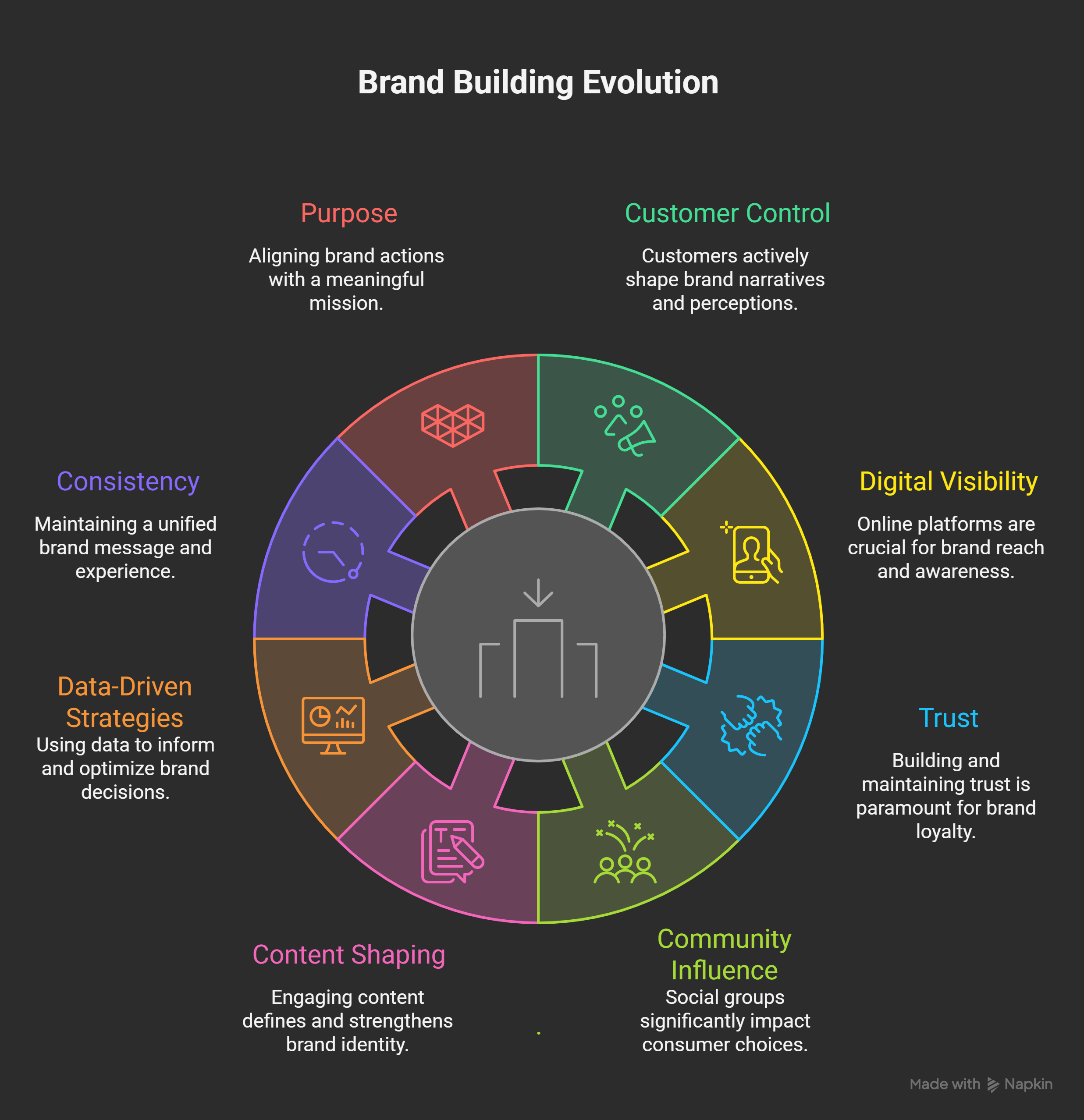
Customers control brand conversations today.
-
Digital platforms decide brand visibility.
-
Trust becomes biggest brand asset.
-
Communities influence buying decisions.
-
Content shapes brand identity strongly.
-
Data guides smarter brand strategies.
-
Consistency builds long term loyalty.
-
Purpose drives modern brand success.
Shift Toward Purpose-Driven Brands
1: What is the primary goal of SEO (Search Engine Optimization)?
2: Which of the following is NOT a PPC (Pay-Per-Click) platform?
3: What does PPC mean?
4: What does the term "bounce rate" refer to?
5: Which tool is most commonly used for web traffic analytics?
Ever wondered how much you really know? It's time to put your brain to the test!
Brands are changing their priorities today. Profit alone is not enough. Customers expect more from companies. They want values and responsibility. This creates purpose-driven brands. In 2026, purpose will lead branding. Authenticity will define brand success.
Why Purpose Matters Now
Modern buyers are more aware. They research brands before buying. People support meaningful businesses. They reject brands without values. Purpose builds emotional connections. Emotions drive long-term loyalty.
Brands now need clear missions. Mission gives direction and identity. Values shape brand behavior. Authenticity builds real trust.
Growing Importance of Values
Values guide every brand action. Customers watch brand behavior closely. Empty promises no longer work.
Core reasons values matter:
-
Customers choose ethical brands.
-
Employees prefer responsible companies.
-
Investors support value-driven businesses.
-
Values create strong brand identity.
-
Social impact improves brand image.
Values must be genuine. Fake values damage reputation. Honesty matters more than slogans.
Mission-Driven Branding
A strong mission unites people. It guides business decisions clearly. Mission gives brands real purpose.
Benefits of mission-driven brands:
-
Builds deeper customer loyalty
-
Creates clear brand direction
-
Improves employee motivation
-
Differentiates from competitors
-
Builds emotional customer connection
Brands with strong missions grow faster. They attract loyal communities easily.
Authenticity as Brand Foundation
Authenticity means being real. Customers hate fake branding. They want honest communication.
Authentic brands admit mistakes. They show real human side. Transparency creates strong relationships.
How authenticity helps brands:
-
Builds customer trust
-
Creates long-term loyalty
-
Improves brand credibility
-
Encourages honest feedback
-
Strengthens brand reputation
Purpose in Customer Decisions
Customers buy with emotions. Purpose influences buying choices.
People ask new questions:
-
Is this brand responsible?
-
Does it support good causes?
-
Are values truly practiced?
-
Is communication honest?
-
Does brand care about people?
Answers shape brand success. Purpose now drives purchase decisions.
Key Elements of Purpose-Driven Brands
| Element | Meaning | Impact |
|---|---|---|
| Values | Brand beliefs | Builds trust |
| Mission | Brand purpose | Gives direction |
| Ethics | Right actions | Creates respect |
| Transparency | Open communication | Gains loyalty |
| Social impact | Helping society | Improves image |
How Brands Show Real Purpose
Purpose must be visible. Actions must support words.
Important focus areas:
-
Sustainability efforts
-
Ethical business practices
-
Community support programs
-
Employee well-being
-
Customer-focused policies
Small actions build big trust. Consistency proves real purpose.
Role of Social Responsibility
Social responsibility is essential. Customers reward responsible brands.
Common responsibility initiatives:
-
Environment protection
-
Fair labor practices
-
Charity partnerships
-
Diversity and inclusion
-
Local community support
These actions strengthen brand image.
Risks of Fake Purpose
Many brands pretend values. Customers quickly notice truth.
Risks include:
-
Loss of customer trust
-
Social media backlash
-
Negative brand reputation
-
Decrease in sales
-
Public criticism
Fake purpose harms brands deeply.
How to Build Purpose
Brands need clear steps.
Simple roadmap:
-
Define true brand values
-
Create meaningful mission
-
Align actions with values
-
Communicate honestly
-
Support real social causes
-
Stay consistent always
Purpose must guide daily actions.
Measuring Purpose Impact
Brands must track progress.
| Metric | What It Shows |
|---|---|
| Customer loyalty | Trust level |
| Employee engagement | Internal belief |
| Brand sentiment | Public perception |
| Social impact | Real contribution |
| Repeat purchases | Customer faith |
Numbers prove purpose success.
Future of Purpose-Driven Brands
By 2026, purpose will dominate. Customers will demand accountability. Only honest brands will survive.
Purpose will not be optional. It will become brand necessity. Values will guide brand growth.
Brands must evolve now. Those without purpose will struggle. Those with purpose will thrive.
Final Thought
Purpose creates powerful brands. Values build lasting relationships. Authenticity earns real loyalty.
The future belongs to purpose-driven brands.
Become an AI-powered Digital Marketing Expert
Master AI-Driven Digital Marketing: Learn Core Skills and Tools to Lead the Industry!
Explore CourseCommunity-Led Brand Growth
Brands grow through people today. Advertising alone cannot build trust. Communities shape modern brand success. Loyal audiences create real influence. In 2026, communities will lead brands. Customers want meaningful brand relationships. They prefer belonging over buying.
Community-led growth is powerful. It reduces marketing costs. It increases long-term loyalty. Strong communities defend brands. They spread positive word-of-mouth.
What Is Community-Led Growth
Community-led growth means people-first branding. Brands focus on relationships first. Sales become natural outcomes.
A community includes:
-
Loyal customers
-
Brand followers
-
Online group members
-
Product users
-
Brand advocates
These people strengthen brand identity. They become unpaid brand promoters.
Why Communities Matter
Communities create emotional connections. Connections build long-term loyalty. Loyalty brings repeat customers.
Main benefits of communities:
-
Higher customer trust
-
Faster brand awareness
-
Honest product feedback
-
Stronger brand reputation
-
Lower advertising costs
Communities make brands more human.
How Communities Strengthen Brands
Brands no longer control conversations. Communities now control brand narratives. People trust community voices.
Communities help brands by:
-
Sharing real experiences
-
Recommending products naturally
-
Defending brands online
-
Creating helpful content
-
Giving improvement suggestions
This support builds strong foundations.
Types of Brand Communities
| Community Type | Example | Benefit |
|---|---|---|
| Social groups | Facebook communities | Builds engagement |
| Brand forums | Discussion platforms | Solves problems |
| Customer clubs | Loyalty programs | Increases retention |
| Creator groups | Content creators | Expands reach |
| Local communities | Offline events | Builds relationships |
Each type adds brand value.
Role of Online Groups
Online groups drive brand conversations. They connect like-minded people. Brands learn from these groups.
Popular community platforms include:
-
Facebook groups
-
WhatsApp communities
-
Telegram channels
-
LinkedIn groups
-
Reddit forums
These spaces create brand belonging.
Loyal Audiences as Brand Strength
Loyal audiences are brand assets. They buy again and again. They trust the brand deeply.
How loyal audiences help:
-
Provide steady revenue
-
Share honest reviews
-
Bring new customers
-
Support new launches
-
Defend brand criticism
Loyalty grows through communities.
User Interaction Builds Trust
Two-way communication is important. Brands must listen actively. Communities expect real conversations.
Interaction creates:
-
Better relationships
-
Higher engagement
-
Deeper understanding
-
Customer satisfaction
-
Strong emotional bonds
Listening strengthens brand credibility.
Community Content Power
Communities create valuable content. This content influences new buyers.
Common community content:
-
Reviews
-
Testimonials
-
Social posts
-
Tutorials
-
Discussions
Such content feels authentic. Authenticity drives purchase decisions.
Difference Between Ads and Communities
| Advertising | Communities |
|---|---|
| One-way talk | Two-way conversation |
| Paid promotion | Organic trust |
| Short-term results | Long-term loyalty |
| Brand-controlled | People-controlled |
| Expensive | Cost-effective |
Communities win modern branding.
Building a Strong Brand Community
Brands need clear strategies.
Steps to build communities:
-
Identify target audience
-
Choose right platforms
-
Create engaging spaces
-
Encourage open discussions
-
Reward loyal members
-
Share valuable content
-
Listen to feedback
-
Stay consistent always
Consistency grows strong communities.
Role of Brand Leaders
Brand leaders must participate. Communities want human connection. Active leaders build better trust.
Leaders should:
-
Communicate openly
-
Answer questions
-
Share honest updates
-
Appreciate members
-
Show real personality
This builds deeper relationships.
Measuring Community Success
Brands must track community impact.
| Metric | Purpose |
|---|---|
| Engagement rate | Activity level |
| Member growth | Popularity |
| Repeat purchases | Loyalty |
| Referrals | Word-of-mouth |
| Sentiment | Brand feeling |
Numbers show community strength.
Challenges in Community Building
Communities need real effort. They cannot grow overnight.
Common challenges:
-
Keeping members active
-
Handling negative comments
-
Creating regular content
-
Managing expectations
-
Staying consistent
Patience solves most problems.
Future of Community-Led Brands
By 2026, communities will dominate. Brands will act as facilitators. Customers will become co-creators.
Marketing will become conversational. Trust will replace heavy advertising. Communities will guide brand decisions.
Final Thought
Communities are brand foundations. They create loyal lifelong customers. Real people build real brands.
Strong communities mean strong brands.
Join Our Online Digital Marketing Course & Learn the Fundamentals!
Personal Branding & Founder-Led Brands
Brands are becoming more human. People trust faces over logos. This change is growing fast. Founder-led brands are rising everywhere. Customers want real personalities. They connect with real stories. Personal branding builds this connection.
In 2026, founders will lead brands. Visibility will shape brand trust. Leaders will become brand voices. Personal image will influence growth.
What Is Personal Branding
Personal branding means showing yourself. It shows values and expertise. It builds a public identity.
A strong personal brand includes:
-
Clear personal values
-
Consistent communication
-
Visible online presence
-
Honest storytelling
-
Real audience engagement
People follow people they trust.
Rise of Founder-Led Brands
Modern brands need human faces. Founders represent brand vision. Their personality shapes perception.
Famous examples prove this trend. Customers trust founder-driven businesses. Leaders become brand ambassadors.
Reasons founder-led brands grow:
-
Builds instant credibility
-
Creates emotional connection
-
Humanizes the business
-
Differentiates from competitors
-
Increases customer loyalty
People buy from people.
Why Founder Visibility Matters
Invisible leaders create distant brands. Visible leaders create trusted brands.
Founder visibility helps in many ways:
-
Builds stronger customer trust
-
Creates authentic brand voice
-
Attracts loyal audiences
-
Improves media attention
-
Increases brand transparency
Customers feel closer to brands.
Role of Social Media
Social platforms drive personal branding. They connect founders with audiences.
Key platforms include:
-
LinkedIn for professional authority
-
Instagram for personal connection
-
YouTube for deep storytelling
-
Twitter for quick opinions
-
Podcasts for thought leadership
Consistent presence builds recognition.
Benefits of Personal Branding
| Benefit | Result |
|---|---|
| Trust | More loyal customers |
| Visibility | Higher brand awareness |
| Authority | Industry leadership |
| Engagement | Better relationships |
| Credibility | Stronger reputation |
Personal brands support business brands.
Human Connection in Branding
Logos do not tell stories. People tell powerful stories.
Customers want to know:
-
Who built the brand
-
Why it was started
-
What values it follows
-
What problems it solves
-
What vision it holds
These answers build connections.
Storytelling by Founders
Founders have real experiences. These experiences inspire audiences.
Good founder storytelling includes:
-
Brand origin stories
-
Business struggles
-
Lessons learned
-
Customer success stories
-
Future vision
Honest stories create loyal fans.
Impact on Business Growth
Personal branding drives sales. It reduces marketing costs.
Direct business impacts:
-
Faster customer trust
-
Better conversion rates
-
Stronger partnerships
-
Easier hiring process
-
Better investor confidence
A strong founder equals strong brand.
Difference Between Old and New Branding
| Old Branding | Founder-Led Branding |
|---|---|
| Company-focused | Person-focused |
| Formal voice | Human voice |
| Distant image | Close connection |
| Corporate ads | Personal stories |
| Low interaction | High engagement |
The shift is very clear.
How to Build Founder Brand
Founders need clear strategy.
Practical steps:
-
Define personal values
-
Share regular content
-
Show real personality
-
Engage with audience
-
Speak at events
-
Create helpful posts
-
Stay authentic always
Consistency is very important.
Challenges in Personal Branding
Personal branding needs discipline.
Common challenges include:
-
Fear of public speaking
-
Handling online criticism
-
Time management issues
-
Maintaining consistency
-
Protecting personal privacy
Planning solves most problems.
Role of Employees
Employees support founder brands. They amplify founder messages.
Happy employees strengthen credibility. Internal culture reflects on founders. Team trust builds public trust.
Measuring Personal Brand Success
| Metric | Meaning |
|---|---|
| Followers | Growing influence |
| Engagement | Audience interest |
| Mentions | Public recognition |
| Leads | Business impact |
| Partnerships | Industry trust |
These show real progress.
Future of Founder-Led Brands
By 2026, this trend grows stronger. Every brand will need faces. Silent founders will struggle.
Customers will demand transparency. Leaders will become content creators. Personal brands will drive businesses.
Final Thought
Personal branding is no longer optional. Founder visibility builds brand trust. Human connection beats perfect advertising.
The future belongs to visible founders.
Storytelling & Brand Transparency
Brands grow through honest stories. Customers trust real human experiences. Transparency builds strong brand relationships. In 2026, truth will win branding. Polished ads will not be enough. People want openness and clarity. Storytelling makes brands more human.
Modern branding needs real conversations. Customers question everything they see. Trust becomes a rare asset. Honest brands stand out easily.
Power of Honest Storytelling
Stories connect brands with people. Facts inform, stories inspire emotions. Good stories create lasting memories.
Why storytelling matters:
-
Builds emotional connections
-
Makes brands relatable
-
Explains brand purpose
-
Creates deeper engagement
-
Improves customer loyalty
Customers remember stories, not slogans.
What Is Brand Transparency
Transparency means open communication. Brands must share true information. Nothing should feel hidden.
Transparent brands clearly show:
-
Product details
-
Pricing policies
-
Business practices
-
Company values
-
Real customer experiences
Openness creates long-term trust.
Why Transparency Is Important
Modern customers are very smart. They research before buying anything. Hidden facts destroy brand image.
Benefits of transparency:
-
Increases customer confidence
-
Reduces negative rumors
-
Builds strong credibility
-
Encourages honest feedback
-
Strengthens brand reputation
Truth builds powerful brand loyalty.
How Storytelling Builds Brands
Every brand has a journey. Sharing that journey builds trust.
Good brand stories include:
-
Why brand was started
-
Problems brand solves
-
Struggles faced by founders
-
Customer success stories
-
Future brand vision
These stories feel real.
Transparency in Digital Era
Social media exposes everything. Secrets cannot stay hidden long. Customers demand clear answers.
Brands must be open about:
-
Product ingredients
-
Service limitations
-
Business policies
-
Mistakes and failures
-
Customer complaints
Honesty prevents bigger problems.
Difference Between Old and New Branding
| Old Branding | Transparent Branding |
|---|---|
| Perfect image | Real image |
| Hiding mistakes | Accepting mistakes |
| Formal communication | Open communication |
| Controlled messages | Honest conversations |
| One-way talking | Two-way dialogue |
New branding favors openness.
Role of Authentic Content
Content must feel genuine. Over-polished content feels fake.
Authentic content includes:
-
Real customer reviews
-
Behind-the-scenes videos
-
Founder experiences
-
Team stories
-
Honest product updates
Authenticity beats perfection.
Handling Mistakes Transparently
Every brand makes mistakes. Great brands admit them.
Right way to respond:
-
Accept the problem
-
Apologize sincerely
-
Explain the reason
-
Share correction steps
-
Update customers honestly
This builds deeper respect.
Building Trust Through Stories
Trust grows with consistency. Stories must match actions.
Brands should tell stories about:
-
Customer experiences
-
Product creation process
-
Employee contributions
-
Social impact work
-
Brand challenges
Real stories create real loyalty.
Tools for Brand Storytelling
Brands use many formats.
| Format | Purpose |
|---|---|
| Blogs | Share detailed stories |
| Videos | Show human side |
| Podcasts | Deep conversations |
| Social posts | Daily updates |
| Emails | Personal connection |
Multiple channels strengthen stories.
Risks of No Transparency
Lack of transparency harms brands.
Common risks include:
-
Loss of customer trust
-
Social media backlash
-
Negative reviews
-
Declining sales
-
Damaged reputation
Hiding truth becomes expensive.
How to Build Transparent Brands
Brands need simple habits.
Practical steps:
-
Communicate clearly always
-
Share real information
-
Admit mistakes quickly
-
Answer customer questions
-
Show internal processes
-
Use honest marketing
-
Stay consistent daily
Small actions build big trust.
Measuring Trust and Transparency
| Metric | Meaning |
|---|---|
| Customer reviews | Trust level |
| Repeat buyers | Loyalty strength |
| Social sentiment | Public opinion |
| Complaint rate | Problem signals |
| Engagement | Connection quality |
These show transparency impact.
Future of Storytelling and Transparency
By 2026, honesty will dominate. Customers will reject fake brands. Open brands will grow faster.
Storytelling will become interactive. Transparency will be expected standard. Trust will drive brand success.
Final Thought
Stories give brands real meaning. Transparency gives brands real power. Together they build lasting trust.
Honest brands always win hearts.
Join Our Online Digital Marketing Course & Learn the Fundamentals!
Become an AI-powered Digital Marketing Expert
Master AI-Driven Digital Marketing: Learn Core Skills and Tools to Lead the Industry!
Explore CourseUser-Generated Content & Brand Advocacy
Customers trust other customers most. Advertisements feel less believable now. Real experiences influence buying decisions. This creates power of user-generated content. UGC shapes modern brand growth. Brand advocates become key promoters. In 2026, people will trust people.
Traditional marketing is losing impact. Peer opinions are gaining strength. Honest voices drive brand success.
What Is User-Generated Content
User-generated content means customer content. It is created by real users. Brands do not create it.
Common forms of UGC:
-
Customer reviews
-
Social media posts
-
Product photos
-
Video testimonials
-
Blog reviews
-
Unboxing videos
-
Online ratings
This content feels authentic. Authenticity builds real trust.
Why UGC Matters for Brands
People doubt brand advertisements. They trust real user opinions.
Key reasons UGC matters:
-
Builds instant credibility
-
Feels more authentic
-
Influences buying decisions
-
Reduces marketing costs
-
Increases brand visibility
UGC works better than ads.
Impact of Brand Advocates
Brand advocates are loyal customers. They promote brands voluntarily.
Advocates talk positively about brands. They defend brands online. Their voice carries strong influence.
Benefits of brand advocates:
-
Free word-of-mouth promotion
-
Honest product recommendations
-
Stronger brand reputation
-
Higher customer loyalty
-
Faster brand growth
Advocates become brand ambassadors.
How UGC Builds Trust
Trust grows through real experiences. UGC shows true product usage.
Customers believe:
-
Real photos over ads
-
Real reviews over claims
-
Real stories over promotions
-
Real videos over commercials
This trust drives sales.
UGC Across Different Platforms
| Platform | Type of UGC |
|---|---|
| Photos and reels | |
| YouTube | Reviews and videos |
| Ratings and reviews | |
| Community posts | |
| TikTok | Short product clips |
Each platform spreads brand stories.
Role of Social Proof
UGC acts as social proof. Social proof influences decisions.
Before buying, customers check:
-
Star ratings
-
User comments
-
Customer photos
-
Video reviews
-
Testimonials
More proof means more sales.
How Advocates Drive Growth
Advocates bring new customers. They recommend brands naturally.
Ways advocates help:
-
Refer friends and family
-
Share online experiences
-
Create helpful content
-
Answer customer questions
-
Support new launches
Their impact is long-term.
Difference Between Ads and UGC
| Paid Ads | User Content |
|---|---|
| Brand-created | Customer-created |
| Promotional | Genuine |
| Expensive | Cost-effective |
| Less trusted | Highly trusted |
| Short-term | Long-term impact |
UGC wins customer confidence.
Encouraging More UGC
Brands must motivate customers.
Simple ways to encourage UGC:
-
Ask for reviews
-
Run social contests
-
Offer small rewards
-
Repost customer content
-
Create brand hashtags
-
Appreciate loyal users
Small efforts create big results.
Turning Customers into Advocates
Every customer can become advocate. Brands must nurture relationships.
Steps to build advocates:
-
Deliver great products
-
Provide good service
-
Engage on social media
-
Respond to feedback
-
Reward loyal customers
-
Build strong communities
Happy customers promote brands.
Managing Negative UGC
Not all UGC is positive. Negative feedback also appears.
Right approach includes:
-
Respond politely
-
Solve issues quickly
-
Apologize when needed
-
Offer clear solutions
-
Stay respectful always
Handling problems builds trust.
Measuring UGC Success
Brands should track results.
| Metric | Purpose |
|---|---|
| Number of reviews | Engagement level |
| Social mentions | Brand awareness |
| Referral sales | Advocate impact |
| Ratings | Customer satisfaction |
| Reach of posts | Visibility |
Data shows real growth.
Future of UGC and Advocacy
By 2026, UGC will dominate. Customers will create more content. Brands will depend on advocates.
Marketing will feel more human. Trust will come from communities. Real voices will beat advertisements.
Final Thought
User content builds honest brands. Advocates create organic growth. Together they form strong trust.
Future brands will grow through people.
Brand Trust in the AI Era
AI is changing brand communication fast. Automation is everywhere in marketing. Chatbots answer customer questions. AI creates content and designs. Data guides brand decisions. But technology also creates doubts. Customers fear loss of human touch.
In 2026, AI use will expand. Brands will depend on automation. Yet trust will remain essential. Without trust, AI will fail. Brands must balance technology carefully.
Why AI Creates Trust Challenges
AI makes work faster and easier. But customers worry about authenticity.
Common customer concerns include:
-
Is content truly genuine?
-
Are responses fully automated?
-
Is personal data safe?
-
Are decisions fair?
-
Is brand still human?
These questions affect brand perception.
Human Touch Still Matters
Technology cannot replace emotions. People want human understanding.
Brands must remember this truth. AI should support human connection. It should not replace relationships.
Key principle:
-
AI assists
-
Humans connect
-
Trust grows
Human touch builds lasting loyalty.
Being Transparent About AI Use
Honesty builds strong confidence. Brands must not hide AI usage.
Clear communication is important.
Brands should openly say:
-
Where AI is used
-
How AI helps customers
-
What AI cannot do
-
When humans take over
-
How data is handled
Transparency removes customer fear.
Ethical AI Practices
Ethics become very important. Misusing AI harms brand trust.
Important ethical guidelines:
-
Protect customer data
-
Avoid fake AI content
-
Prevent biased decisions
-
Respect user privacy
-
Use AI responsibly
Ethical AI builds credibility.
AI as Support Tool
AI should improve experiences. It must make life easier.
Right uses of AI include:
-
Faster customer support
-
Personalized recommendations
-
Better service delivery
-
Smart content suggestions
-
Quick problem solving
AI must serve real needs.
Balancing Automation and Humans
| Full Automation | Balanced Approach |
|---|---|
| Feels robotic | Feels human |
| Less empathy | More empathy |
| Generic replies | Personalized help |
| Low trust | High trust |
| Faster but cold | Fast and friendly |
Balance creates best results.
Protecting Customer Data
Data security builds confidence. Customers fear misuse of information.
Brands must ensure:
-
Strong data protection
-
Clear privacy policies
-
Secure AI systems
-
Limited data collection
-
Honest data usage
Safety increases brand loyalty.
Authenticity in AI Content
AI creates lots of content. But content must stay genuine.
Brands should avoid:
-
Fake reviews
-
Robotic messages
-
Misleading AI images
-
Over-automation
-
Copy-paste communication
Authenticity must remain priority.
Using AI Without Losing Trust
Brands need smart strategies.
Practical steps:
-
Be honest about automation
-
Keep human support available
-
Use AI to enhance service
-
Protect user privacy
-
Monitor AI quality
-
Add personal communication
-
Stay transparent always
These steps protect trust.
Role of AI in Customer Service
AI improves customer support. But empathy needs humans.
Best approach:
-
AI handles simple queries
-
Humans handle complex issues
-
AI provides quick information
-
Humans solve emotional problems
This mix builds satisfaction.
Measuring Trust in AI Era
Brands must track customer confidence.
| Metric | What It Shows |
|---|---|
| Customer feedback | Trust level |
| Support ratings | AI effectiveness |
| Repeat usage | Comfort with AI |
| Complaints | Problem areas |
| Engagement | User confidence |
Data guides better improvements.
Risks of Overusing AI
Too much AI feels impersonal. Customers dislike robotic brands.
Possible risks:
-
Loss of emotional connection
-
Generic brand experience
-
Reduced loyalty
-
Customer frustration
-
Lower brand credibility
Balance prevents these problems.
Future of Trust and AI
By 2026, AI will be normal. Customers will expect automation. But they will demand honesty.
Brands that mix AI wisely succeed. Those ignoring trust will struggle. Human-centred AI will win.
Final Thought
AI is a powerful tool. Trust is more powerful.
Brands must use AI responsibly. Technology should strengthen relationships. Human values must guide automation.
Trust will define brands in AI era.
Omnichannel Brand Consistency
Customers meet brands on many platforms. They use websites and mobile apps. Customers check social media pages. They visit physical stores too. Every touchpoint shapes brand perception. Consistency becomes very important. In 2026, omnichannel branding is essential.
A brand must feel the same. Message should remain uniform everywhere. Design must look familiar always. This builds strong customer trust. Inconsistent brands confuse audiences.
What Is Omnichannel Consistency
Omnichannel means many communication channels. Consistency means same identity everywhere.
It includes:
-
Same brand voice
-
Same visual style
-
Same core message
-
Same customer experience
-
Same values and tone
All platforms must connect smoothly.
Why Consistency Matters
Customers expect smooth experiences. They switch platforms very quickly.
Key benefits of consistency:
-
Builds stronger brand recognition
-
Increases customer trust
-
Reduces confusion
-
Improves customer loyalty
-
Creates professional brand image
Consistency makes brands reliable.
Common Brand Channels
| Channel | Purpose |
|---|---|
| Website | Main brand presence |
| Social media | Daily engagement |
| Mobile apps | Customer convenience |
| Direct communication | |
| Offline stores | Physical experience |
| Customer support | Problem solving |
All channels must align perfectly.
Elements of Brand Consistency
Many parts create brand identity.
Important elements include:
-
Logo and colors
-
Fonts and design style
-
Tone of voice
-
Brand messaging
-
Customer service style
-
Visual content format
Every detail must match.
Voice and Tone Consistency
Brand voice defines personality. Tone shows how brand speaks.
Customers should feel same tone:
-
On social media
-
In emails
-
On website
-
In advertisements
-
During customer support
A single voice builds familiarity.
Visual Identity Across Platforms
Design must remain uniform.
Visual consistency includes:
-
Same color palette
-
Same logo usage
-
Same typography
-
Similar image style
-
Consistent layouts
Visual harmony builds recognition.
Customer Experience Consistency
Experience must feel seamless.
Customers expect:
-
Same service quality
-
Same information everywhere
-
Smooth platform transitions
-
Quick support on all channels
-
Clear unified communication
Experience shapes brand loyalty.
Risks of Inconsistent Branding
Inconsistency harms brand image.
Common problems include:
-
Confused customers
-
Loss of trust
-
Weak brand identity
-
Mixed brand messages
-
Poor customer experience
These reduce business growth.
Old Branding vs Omnichannel Branding
| Traditional Branding | Omnichannel Branding |
|---|---|
| Separate channels | Connected channels |
| Different messages | Unified message |
| Random designs | Consistent design |
| Disjointed experience | Smooth experience |
| Lower trust | Higher trust |
Modern brands need integration.
How to Maintain Consistency
Brands need clear systems.
Practical steps:
-
Create brand guidelines
-
Define brand voice clearly
-
Use same visuals everywhere
-
Train all team members
-
Align marketing campaigns
-
Monitor every platform
-
Update content regularly
Process ensures uniform identity.
Role of Technology
Technology helps manage consistency.
Useful tools include:
-
Content management systems
-
Design templates
-
Social media planners
-
CRM platforms
-
Brand monitoring tools
Tools keep brands aligned.
Team Alignment Is Important
Many teams handle brand channels. They must work together.
Teams should share:
-
Brand guidelines
-
Content calendars
-
Design resources
-
Communication standards
-
Common brand goals
Collaboration protects consistency.
Measuring Omnichannel Success
Brands must track performance.
| Metric | Purpose |
|---|---|
| Brand recall | Recognition level |
| Engagement | Audience response |
| Customer feedback | Experience quality |
| Conversion rates | Channel performance |
| Support ratings | Service consistency |
Data shows improvement areas.
Future of Omnichannel Branding
By 2026, platforms will increase. Customer journeys become complex. Consistency will be competitive advantage.
Brands must act as one system. Every channel must feel connected. Unified identity will drive growth.
Final Thought
Strong brands stay consistent. Consistency creates real trust. Trust creates loyal customers.
Omnichannel consistency builds powerful brands.
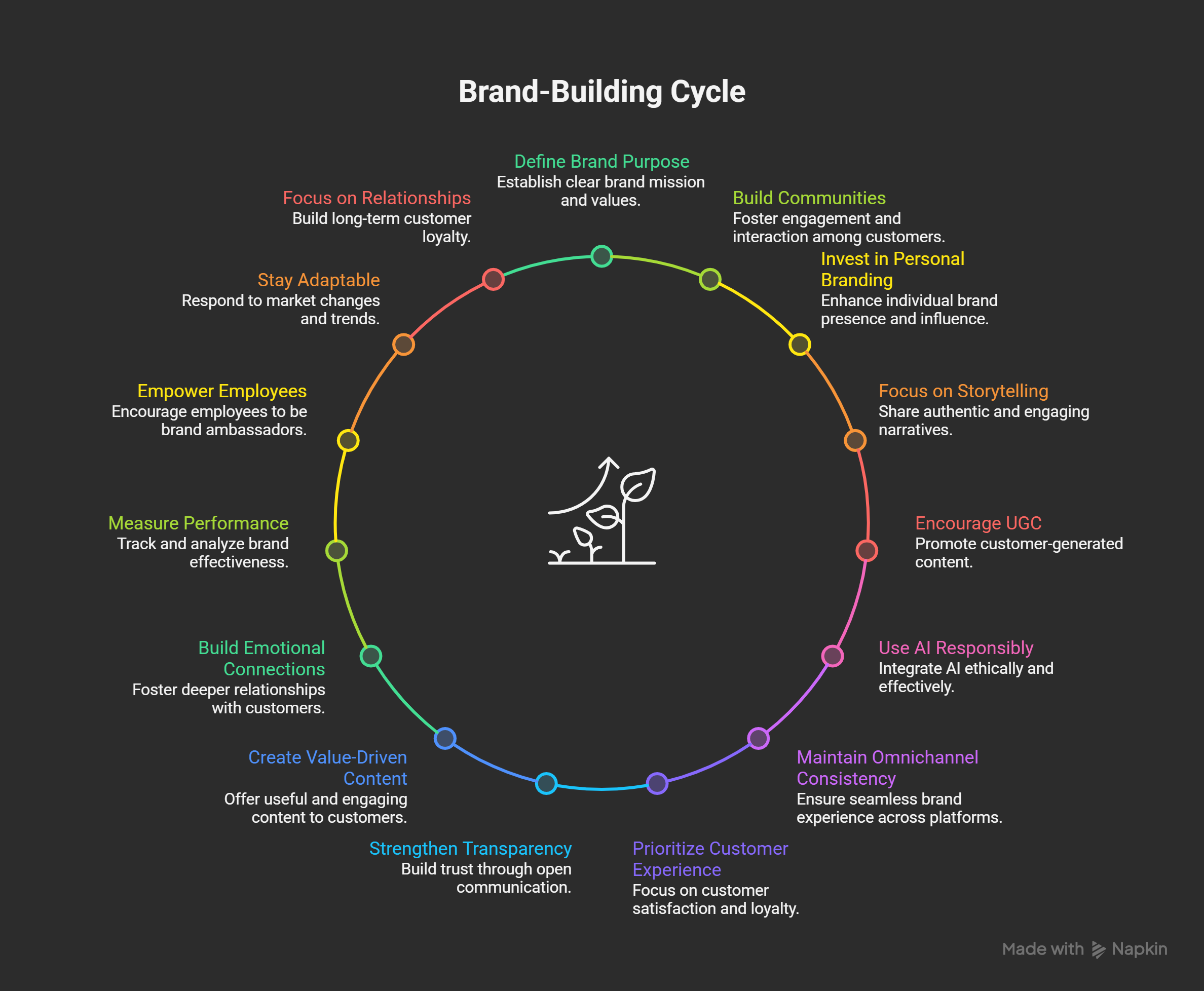
Actionable Brand-Building Strategies for 2026
Brands need clear practical actions. Trends alone are not enough. Execution will decide success. In 2026, smart strategies matter. Companies must act with purpose. Consistency and trust are essential. Below are practical brand steps.
1. Define Clear Brand Purpose
Every strong brand needs direction. Purpose guides all decisions.
Practical actions:
-
Write clear mission statement
-
Define core brand values
-
Align actions with purpose
-
Communicate purpose openly
-
Show purpose in campaigns
Purpose creates emotional connections.
2. Build Strong Brand Communities
Communities drive modern brand growth.
Steps to follow:
-
Create online brand groups
-
Engage with loyal customers
-
Encourage open discussions
-
Reward active members
-
Host online events
-
Listen to community feedback
Communities build lifelong loyalty.
3. Invest in Personal Branding
People trust people more.
Founder branding actions:
-
Share founder stories
-
Post regular social content
-
Show brand journey
-
Engage with followers
-
Build thought leadership
Visible leaders strengthen brands.
4. Focus on Authentic Storytelling
Stories connect with audiences.
How to implement:
-
Share real customer experiences
-
Show behind-the-scenes content
-
Tell honest brand stories
-
Use simple human language
-
Avoid over-polished messages
Authenticity builds deep trust.
5. Encourage User-Generated Content
Customers create best promotions.
Practical steps:
-
Ask customers for reviews
-
Create brand hashtags
-
Run UGC contests
-
Repost customer content
-
Appreciate loyal advocates
UGC grows brands organically.
6. Use AI Responsibly
AI must support brand trust.
Smart AI practices:
-
Be transparent about AI
-
Keep human support available
-
Protect customer data
-
Avoid fake AI content
-
Use AI for personalization
Balance technology with humanity.
7. Maintain Omnichannel Consistency
Brand identity must stay uniform.
Implementation plan:
-
Create brand guidelines
-
Use same colors everywhere
-
Keep one brand voice
-
Align all platforms
-
Train marketing teams
Consistency increases recognition.
8. Prioritize Customer Experience
Experience defines modern brands.
Key actions:
-
Offer quick support
-
Solve problems fast
-
Personalize interactions
-
Reduce response time
-
Collect regular feedback
Happy customers build strong brands.
9. Strengthen Brand Transparency
Openness builds real credibility.
Transparency checklist:
-
Share clear policies
-
Communicate honest pricing
-
Admit brand mistakes
-
Answer customer questions
-
Show business processes
Transparency reduces customer doubts.
10. Create Value-Driven Content
Content should help people.
Content strategy steps:
-
Solve customer problems
-
Educate audiences regularly
-
Use simple language
-
Post consistent updates
-
Focus on helpful topics
Useful content attracts loyal followers.
11. Build Emotional Connections
Brands need human feelings.
Ways to connect:
-
Celebrate customer stories
-
Show empathy in messages
-
Support social causes
-
Appreciate loyal users
-
Speak with real emotion
Emotion creates brand attachment.
12. Measure Brand Performance
Tracking progress is important.
| Metric | Purpose |
|---|---|
| Engagement rate | Audience interest |
| Brand sentiment | Public feeling |
| Repeat purchases | Customer loyalty |
| Reviews | Trust level |
| Reach | Visibility |
Data guides better decisions.
13. Empower Employees
Employees shape brand image.
Actions to take:
-
Train brand communication
-
Encourage employee advocacy
-
Build positive culture
-
Align teams with values
-
Recognize good work
Happy teams build strong brands.
14. Stay Adaptable
Markets change very fast.
Adaptation steps:
-
Monitor new trends
-
Update brand strategies
-
Experiment with ideas
-
Accept customer feedback
-
Improve continuously
Flexibility keeps brands relevant.
15. Build Long-Term Relationships
Focus on loyalty over sales.
Relationship strategies:
-
Reward repeat customers
-
Offer loyalty programs
-
Communicate regularly
-
Provide consistent value
-
Build trust over time
Relationships create lasting growth.
Simple Action Plan Table
| Goal | Key Action |
|---|---|
| Trust | Be transparent |
| Loyalty | Build communities |
| Visibility | Encourage UGC |
| Consistency | Follow guidelines |
| Growth | Use AI wisely |
| Connection | Tell real stories |
Final Implementation Tip
Start small but stay consistent. Do not chase every trend. Focus on core brand values. Build genuine customer relationships. Measure progress regularly.
Final Thought
Brand building needs daily effort. Smart actions create strong brands. Trust and consistency win markets.
These strategies prepare brands for 2026.
Conclusion
Brand building in 2026 will be different. Technology will change many processes. But human connection will stay important. Trust will remain the main factor. Brands must be honest and consistent. Communities will shape brand success. Customers will expect real value.
The future belongs to authentic brands. Purpose will guide brand growth. Transparency will build strong loyalty. Smart strategies will create impact. Brands must adapt to new trends. Those who evolve will succeed. Strong relationships will define winners.
Frequently Asked Questions
What are the key brand building trends in 2026?
Key trends include purpose-driven brands, community growth, personal branding, authentic storytelling, UGC, AI trust, and omnichannel consistency.
Why is purpose important for modern brands?
Purpose creates emotional connections, builds trust, and differentiates brands in competitive markets.
How can communities help brands grow?
Communities increase engagement, provide social proof, promote advocacy, and strengthen long-term customer loyalty.
What role does personal branding play in business growth?
Founder visibility humanizes brands, builds credibility, and creates deeper emotional connections with audiences.
How can brands maintain consistency across multiple channels?
Use brand guidelines, aligned visuals, unified messaging, and coordinated team efforts to ensure omnichannel consistency.
How can brands build trust while using AI and automation?
Be transparent about AI, protect customer data, maintain human touch, and use technology ethically and responsibly.