

Table of Contents
Do you have the habit of scrolling through financial social media or watching business news in India? Then you might have come across the phrase “Buy the dip.” It sounds like an attractive advice you would hear from an aged relative at a wedding or a flashy “finfluencer” on Instagram. But what does it actually mean for your hard-earned money?
When it comes to the Indian stock market, whether you are looking at blue-chip giants like Reliance, HDFC Bank, or high-growth midcaps—the term buy the dip refers to the practice of purchasing an asset (like a stock, an ETF, or an index) after its price has declined from a recent high. The underlying philosophy is simple. As per this concept, you are buying a quality asset at a “discounted” price, betting that the price will eventually recover and move higher.
Join our Online Course and Learn Stock Marketing the Right Way. Enrol Now!
Key Takeaways for Indian Investors
- Buy the dip meaning is essentially purchasing quality assets after a price decline, expecting a future rebound as the business or economy recovers.
- It is a strategy best suited for long-term investors (5-10 years) who have faith in the underlying strength of the Indian economy.
- It helps in averaging your purchase cost, allowing you to profit more significantly when the market cycle turns positive.
- Caution is mandatory: Never treat a “dip” as a guarantee. Always ensure the company has a strong balance sheet and no integrity issues.
- Liquidity is King: Never use your emergency fund or money meant for upcoming bills to buy the dip. Only use surplus capital that you can afford to leave untouched for years.
The Psychology of the Dip: A Retail Perspective
1: What is a stock?
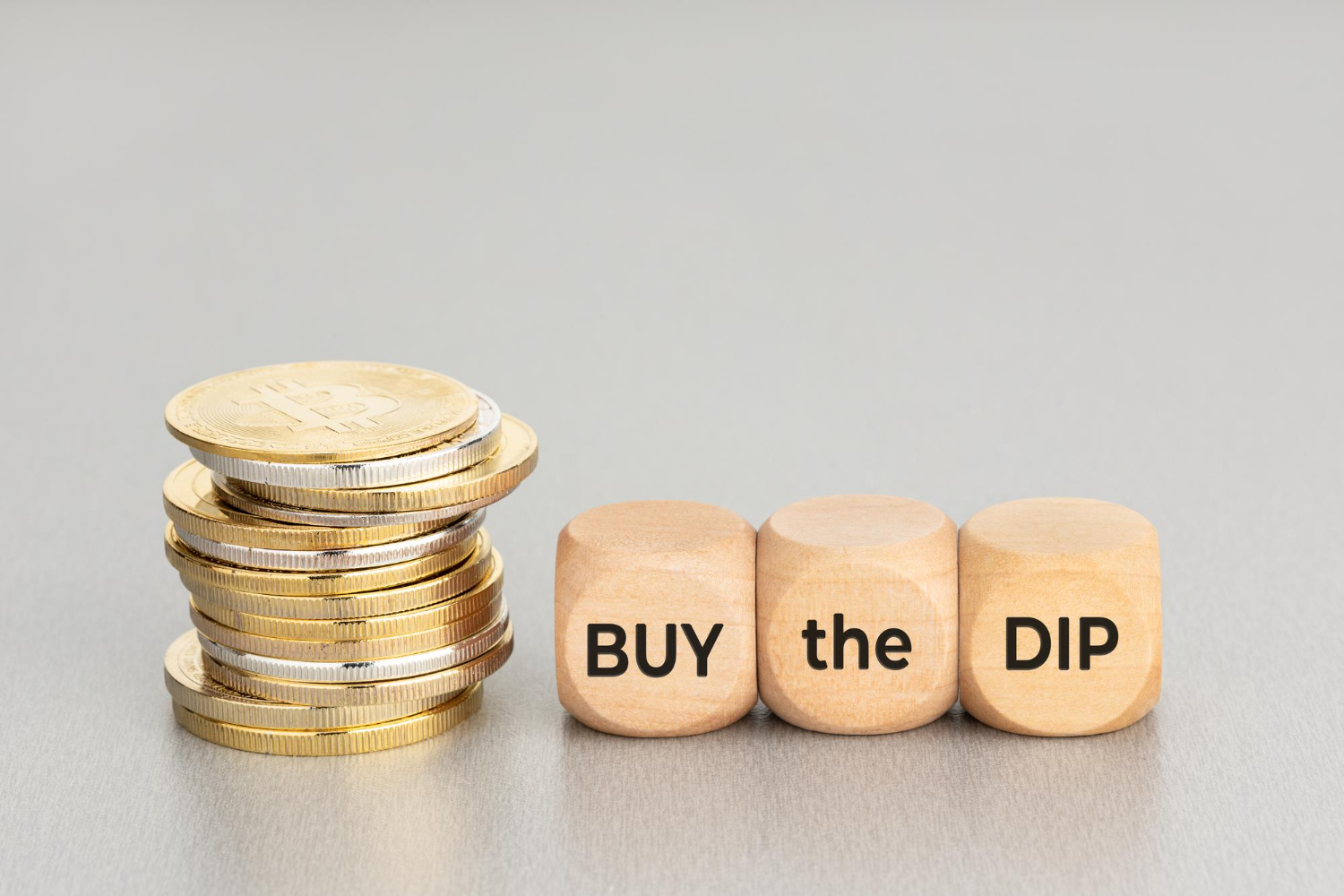
To understand the buy the dip meaning in a practical sense, think of it like a seasonal sale at your favourite retail store during Diwali or End of Season Sales. Suppose a smartphone you liked to own cost Rs. 50,000 yesterday. However, if it is available for ₹42,000 today due to a temporary flash sale, you would see it as a bargain. You are not buying it because it’s “cheap” or “broken”; you are buying it because you already knew its value, and now the price matches your comfort zone.
In the stock market, “the dip” is that temporary sale. However, stocks carry more emotional weight than electronics. When a stock price falls, it is often accompanied by “noise”—bad news, market panic, or global economic shifts. This is where the psychology of the investor comes into play. While the average person runs away when prices fall, a “dip buyer” moves in with a cool head, believing the fundamental value of the company hasn’t changed despite the lower price tag on the ticker tape.
How Does ‘Buying the Dip’ Work?
The strategy is built on the belief that price fluctuations are temporary, but the long-term trajectory of a growing economy like India is upward. Here is how it typically unfolds in a step-by-step cycle:
- The Peak: A stock or a major index like the Nifty 50 or Sensex reaches a high point after a period of bullishness.
- The Drop: Due to various reasons—disappointing quarterly results, a change in government policy, or global cues like a hike in US interest rates—the price drops by 5%, 10%, or even 20%.
- The Analysis: The investor pauses. They look at the drop and ask: “Is the company’s business model still intact? Is the management still capable?” If the answer is yes, they view the drop as a window of opportunity.
- The Purchase: The investor allocates capital to buy more shares at this lower price point.
- The Recovery: Ideally, the panic subsides, the market stabilizes, and the price returns to its previous high and beyond. This gives the investor a much better profit margin than if they had bought at the peak.
Why Do Investors Buy the Dip in India?
The Indian market is known for its volatility but also its incredible long-term growth story. For an Indian retail investor, understanding the buy the dip meaning is crucial because our markets often react sharply to external factors.
- Lowering Your Average Cost: This is perhaps the most practical benefit. If you bought 10 shares of a company at ₹1,000 and the price dips to ₹800. Buying another 10 shares at ₹800 brings your “average cost” down to ₹900. This is often called “averaging down,” and it means you reach profitability much sooner when the price starts rising again.
- The Power of Compounding: By acquiring more units or shares at a lower price, you increase your total “skin in the game.” When the market eventually turns bullish, you have a larger base of assets growing at that higher percentage, accelerating your wealth creation.
- A Value Investor’s Edge: Many legendary investors believe that the best time to buy a great business is when “blood is on the streets”—essentially when everyone else is too afraid to buy. It requires discipline to go against the crowd.
Identifying Different Types of Dips
Not all price drops are created equal. To truly master the buy the dip meaning, you must distinguish between a healthy correction and a permanent decline.

1. The Healthy Correction
In a bull market, prices often move too fast. A “correction” (usually a 10% drop) acts as a cooling period. This is the most common “dip” that long-term investors look for to add to their portfolios.
2. Event-Based Dips
Sometimes, a stock falls because of a one-time event—perhaps a legal fine, a temporary supply chain issue, or a global pandemic scare. If the event doesn’t destroy the company’s future earning potential, it is often a prime buying opportunity.
3. The “Falling Knife”
This is the dangerous kind. If a stock is falling because of a massive scam, failing technology, or mountain-high debt, the “dip” might never end. In these cases, the stock isn’t on sale; it’s on its way to zero.
Stock Market Training Reviewed & Monitored by SEBI Registered RA
Trusted, concepts to help you grow with confidence. Enroll now and learn to start investing the right way.
Know moreThe Risks: When the Dip Keeps Dipping
While it sounds fool proof, “buying the dip” is not without significant danger. The biggest risk is mistaking a fundamental collapse for a temporary fluctuation.
- The Value Trap: Sometimes a stock looks cheap, but it stays cheap forever. You might keep “buying the dip” only to find that the company’s profits are shrinking every year.
- Opportunity Cost: If you lock up all your spare cash in a “dipping” stock that takes three to five years to recover, you might miss out on other sectors (like Green Energy or IT) that are growing rapidly during that same period.
- Market Sentiment and Timing: In a prolonged “Bear Market,” the dip can last for months or even years. Understanding the buy the dip meaning requires the emotional maturity to realize that “cheap” can always get “cheaper.” You need deep pockets and a strong stomach to stay invested.
Strategic Ways to Buy the Dip Safely
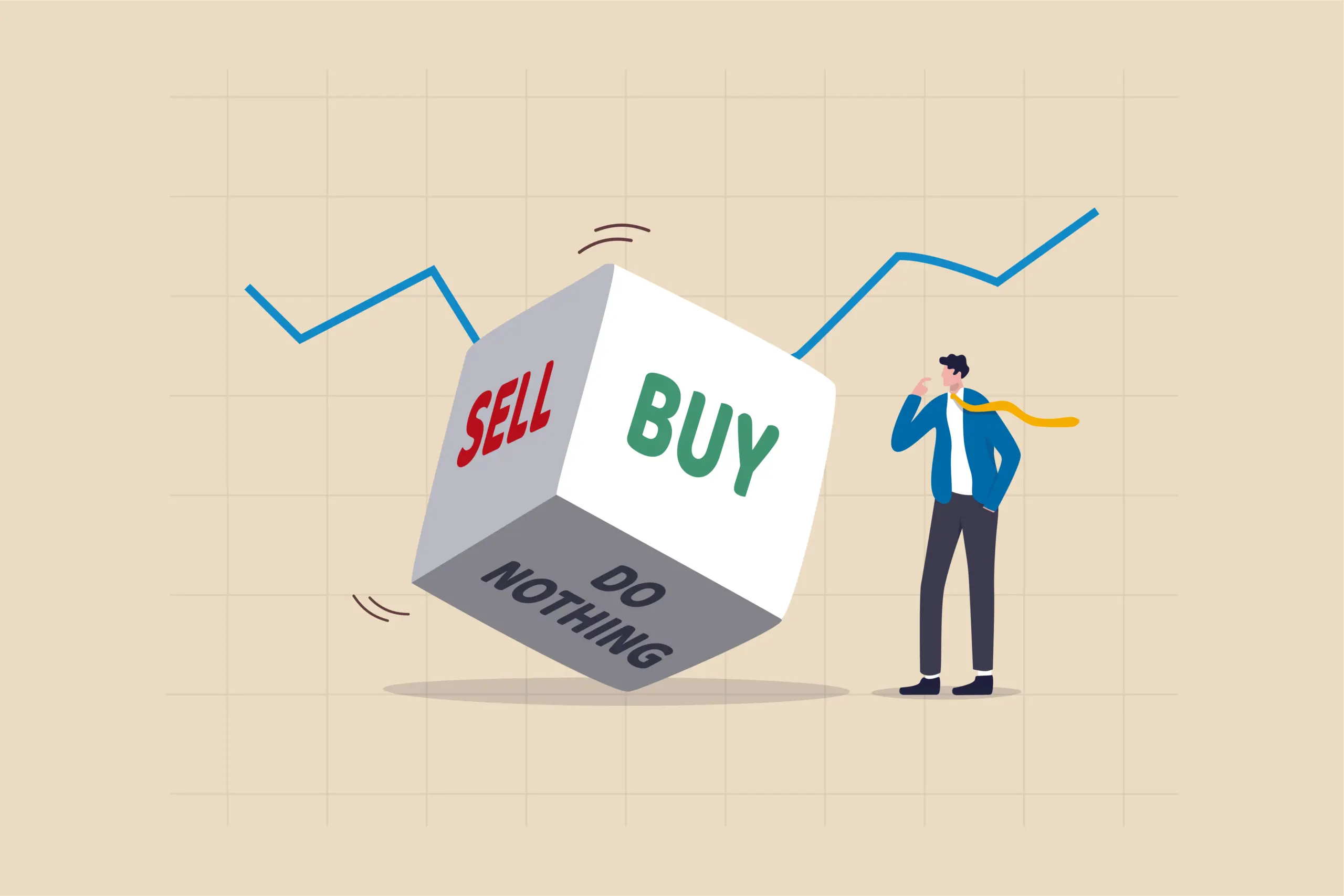
Don’t just buy blindly because a red candle appeared on your trading app. Use these calculated strategies to protect your capital:
A. Look for Support Levels
In technical analysis, “support” is a price level where a stock historically struggles to fall below because buyers usually step in to support it. Buying near a well-established support level provides a “floor” for your investment.
B. The Fundamental “Stress Test”
Before clicking ‘buy,’ perform a quick check. Is the reason for the dip internal (bad management, fraud, falling sales) or external (general market crash, global inflation, war)? If the reason is external and affects everyone, the individual company is likely still a good buy.
C. The SIP and Top-Up Approach
For most Indian investors, the Systematic Investment Plan (SIP) is the best way to “buy the dip” without even thinking about it. When the markets fall, your monthly SIP amount simply buys more units of a Mutual Fund. You can also “top up” your existing SIPs with a lump sum during major market crashes to boost your returns.
3 Points to Keep in Mind before Buying the Dip
During the time of market corrections, quality businesses may be available at attractive valuations. However, before deploying capital, you need to ask yourself 3 important questions.
1. Is this long-term money?
Before making equity allocations, make sure that you do not need that money for at least a few years.
2. Are you ready to face further declines?
There may be further fall in the markets and it can be worse than your expectations.
3. Do you have a diversified portfolio?
Before deploying your capital, make sure that you diversify risks and opportunities across various sectors.
Join our Online Course and Learn Stock Marketing the Right Way. Enrol Now!
Parting Words
Post reading this blog, are you quite keen on ‘buying the dip’?. Before dipping your feet into stock markets, it’s quite essential to learn the stock market concepts thoroughly from an expert trainer.
Entri Finacademy is one such trusted finance education platform with a team of highly experienced, expert mentors. Since 2022, this institution is delivering stock market courses and the best part is that here you can learn stock markets right from the scratch to the advanced levels. The icing on the cake is the option to learn stock markets in several regional languages including Malayalam and Tamil. Last, but not least, Entri Finacademy also offers mutual fund courses and forex trading courses.
To know more about Entri Finacademy’s stock trading courses, click here.
|
RELATED POSTS |
|
Stock Market Training Reviewed & Monitored by SEBI Registered RA
Trusted, concepts to help you grow with confidence. Enroll now and learn to start investing the right way.
Know moreFrequently Asked Questions
What is the basic meaning of "buy the dip"?
It means purchasing stocks or assets after their price has dropped, assuming the drop is temporary and the price will eventually rise back to its previous levels or higher.
Is buying the dip a safe strategy?
It is relatively safe for high-quality blue-chip stocks or diversified index funds, but it is highly risky for small-cap or speculative stocks that may never recover.
How much of a drop is considered a "dip"?
There is no fixed rule, but many Indian investors consider a 5% to 10% drop in a strong, fundamentally sound stock as a potential buying opportunity.
Can I use this strategy for intraday trading?
Yes, but it is much riskier. It requires strict stop-losses and an understanding of technical indicators, as “dips” in day trading can quickly turn into major losses.
What is the difference between a dip and a crash?
A dip is a minor, temporary price decline in an otherwise healthy market. A crash is a sudden, deep, and often prolonged decline (20% or more) across the entire market.
Should beginners buy the dip?
Beginners should focus on buying the dip through Mutual Funds or Index Funds. This reduces the risk of picking a single “bad” stock that might not recover.
Does "averaging down" mean the same thing?
Essentially, yes. Averaging down is the act of buying more shares as the price falls to reduce your total average entry price, which is the core goal of buying the dip.