Table of Contents
Technology surrounds us quietly, inside our cars, phones, wearables, refrigerators, medical machines, security systems, and even inside irrigation pumps in Indian farmlands. Two invisible forces make these modern devices intelligent:
- Embedded Systems: the computing brain built into machines
- IoT (Internet of Things): the technology that connects devices to the internet so they can communicate, analyse and act
These two fields sound similar, and many engineering students struggle to understand which one to study first. Should you start with embedded systems and then slowly move to IoT? Or should you directly take an IoT course and skip the hardware depth altogether?
This blog is written to give you absolute clarity. Not surface-level definitions, but a deep, career-focused understanding.
Kickstart your embedded systems career and turn your tech passion into high-demand skills!
What Exactly is an Embedded System?
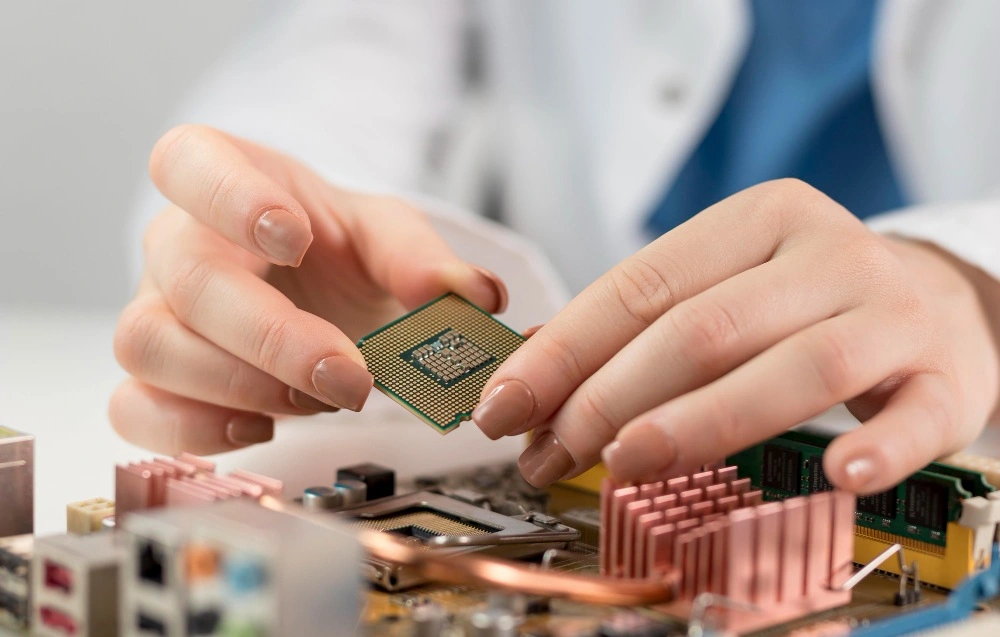
An Embedded System is a computer inside a product, designed to perform one dedicated function efficiently. It does not look like a laptop or PC, but it has a processor, memory, input/output ports, and software built specifically for that device.
A television remote, an automatic room freshener, a smart meter, and ABS braking in cars, none of these can run on Windows or Android. They require tiny, reliable systems that work 24/7, consume low power, and respond quickly. That is exactly what embedded engineers build.
In complete terms:
An Embedded System is a combination of hardware (microcontrollers, sensors, actuators) and software (firmware programmed in C/C++), designed to control and operate electronic products with precision, speed and reliability.
Embedded engineers think like problem solvers. They look at voltage, circuits, timers, interrupts, memory limits and write code that works inside a tiny machine with no margin for error.
What Exactly is IoT (Internet of Things)?
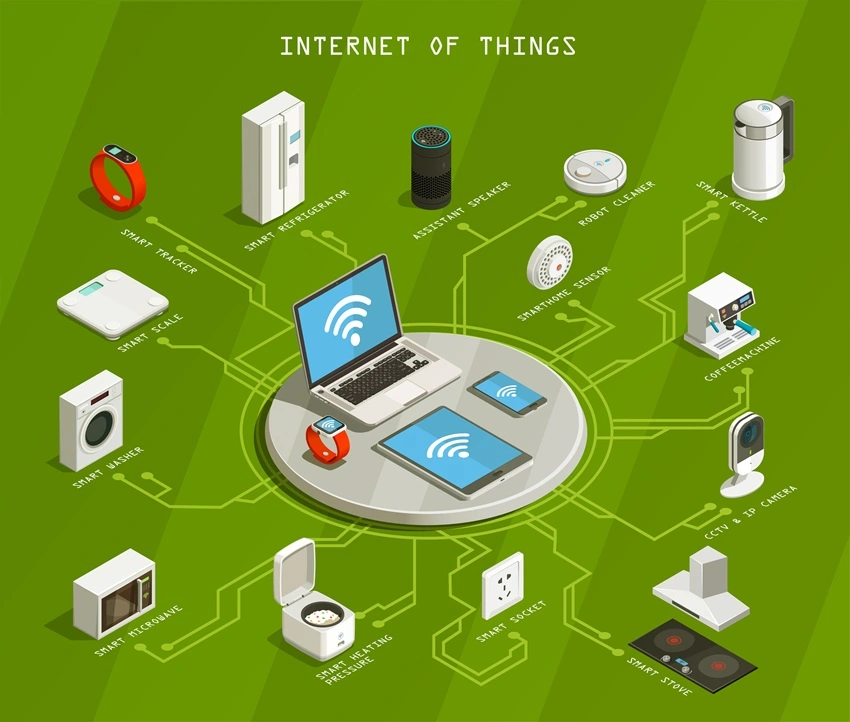
IoT is built on top of embedded systems. It not only controls devices but also connects them to the internet, collects data, analyses behaviour and makes automated decisions.
A wearable that monitors heart rate is an embedded technology.
A wearable that sends data to a doctor through cloud dashboards in real-time is IoT.
A water pump that switches OFF when soil moisture is high = embedded.
A pump that turns OFF automatically based on cloud weather updates + sends alerts to mobile = IoT.
So we can say:
Embedded = the brain of the device
IoT = a network of brains working smartly together using internet + cloud
IoT involves programming, networking, cloud systems, big-data dashboards, APIs, MQTT/HTTP protocols, mobile apps and automation.
Embedded systems build a device.
IoT builds a connected ecosystem.
Master Embedded Systems Programming!
Launch your tech career with our Embedded Systems Course, designed for hands-on learning and industry readiness.
Know MoreEmbedded Systems vs IoT: The Real Difference
Most explanations online are shallow. This section gives you the practical difference like an engineer would see in the field.
| Feature | Embedded Systems | IoT |
| What it focuses on | Hardware logic + low-level programming | Device communication + cloud + automation |
| Tools you use | Microcontrollers, C/C++, debuggers | MQTT, APIs, Cloud, Databases, Web/Apps |
| What you build | The device itself | A network of smart devices |
| Skill nature | Very technical, close to hardware | Cross-domain: software + network + data |
| Project example | Motor speed controller | Smart irrigation system with cloud analytics |
Embedded systems require depth.
IoT requires breadth.
In embedded you solve low-level problems like timing delays, voltage fluctuations, memory overflow, bitwise operations, protocol clarity.
In IoT you solve system-level problems like data loss, cloud latency, dashboard accuracy, database optimisation, remote control security.
Both are strong careers, but they suit different people.
🔹 Who Should Learn Embedded Systems?
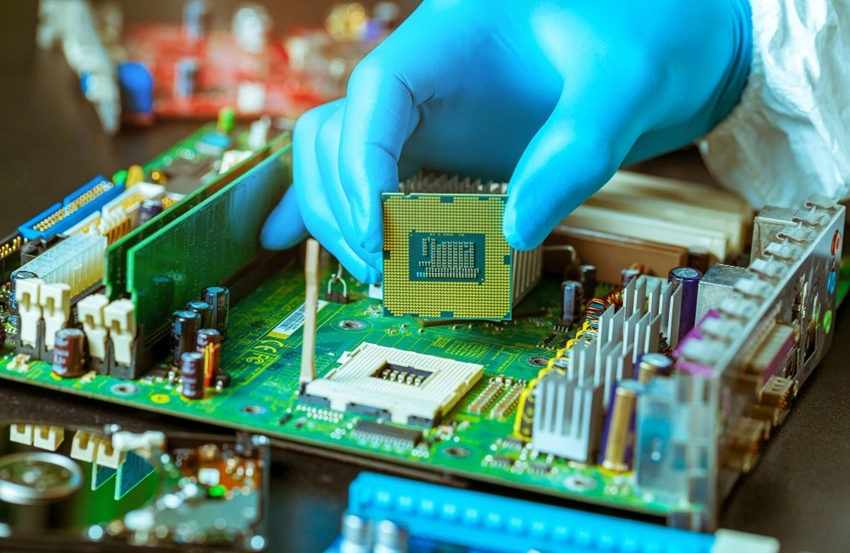
Embedded systems are ideal for you if:
✔ You enjoy writing firmware and optimising code for speed, memory and safety
✔ You want to work with microcontrollers like STM32, ATmega, ESP32, PIC
✔ You love seeing hardware respond, motors turn, displays update, sensors report
✔ You prefer deep engineering over front-end interfaces
✔ You want to enter automotive, medical electronics or industrial automation
If the thought of debugging circuits, reading datasheets or using an oscilloscope excites you, embedded is your home.
Who Should Learn IoT?
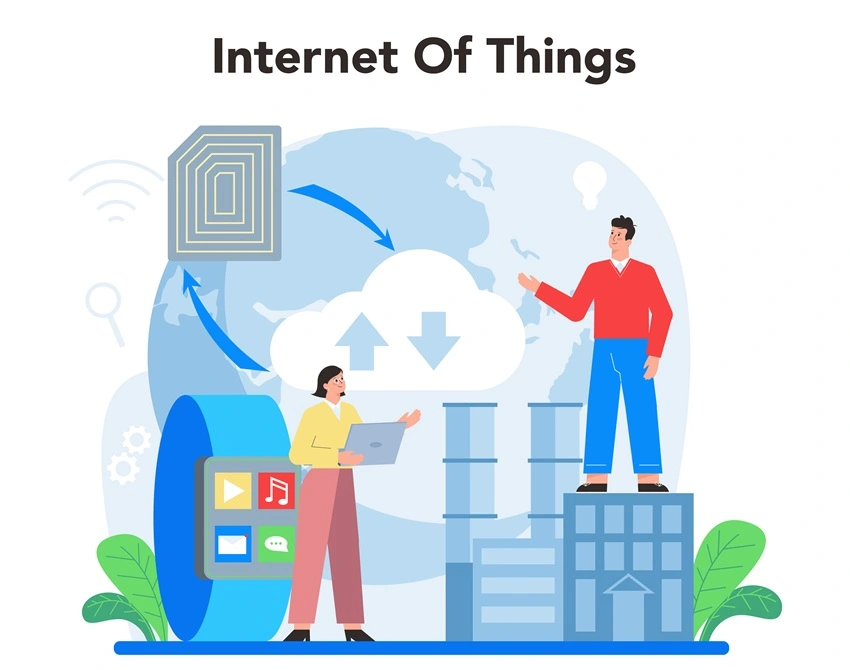
IoT is the right choice if:
✔ You want to build full automated systems end-to-end
✔ You enjoy integrating sensors, cloud dashboards, apps and AI based decisions
✔ You like designing solutions for industries, farms, logistics or smart homes
✔ You are curious about AWS IoT, Azure IoT, MQTT, REST APIs, analytics
✔ You prefer a system-building mindset over micro-level debugging
IoT engineers work on the overall picture, data flow, connectivity, device identity, user interface, automation rules.
Master Embedded Systems Programming!
Launch your tech career with our Embedded Systems Course, designed for hands-on learning and industry readiness.
Know MoreCareer Opportunities in India
Both industries are booming in India due to EV revolution, smart cities, automation in agriculture, wearable health tech and defence-grade electronics manufacturing.
Embedded Job Roles
- Embedded Firmware Engineer
- Microcontroller Programmer
- Automotive Embedded Systems Engineer
- Embedded IoT Device Developer
- Hardware-Software Integration Engineer
- Embedded Testing Engineer
Companies hiring in India include Tata Elxsi, Bosch, Continental, Honeywell, Mahindra EV, TVS Motors, Schneider Electric, DRDO-related labs and multiple private R&D startups.
IoT Job Roles
- IoT Engineer / IoT Solution Developer
- Cloud-IoT Integration Engineer
- Industrial IoT Specialist
- Smart Infrastructure Engineer
- IoT Platform Developer / API Engineer
- IoT Automation & Analytics Specialist
IoT roles are increasingly seen in smart-city projects, AgriTech companies like Fasal, logistics automation startups, home-automation brands, EV telematics and robotics firms.
Salary Pattern & Career Growth
Freshers in both fields start around ₹3.5L to ₹8L annually, depending on skills and practical exposure. Embedded engineers often move into highly specialised roles while IoT engineers rise into system architecture and solution designing.
Within 5–7 years, skilled engineers can reach ₹12L–₹25L+ especially if they add cloud + ML or embedded security expertise.
So Which Course Should You Choose?
Here is the decision making breakdown in simple, complete reasoning:
- If you love low-level programming, handling registers, interfacing sensors and building the device itself, then Embedded Systems is the correct first step.
- If you want to integrate devices, push data to the cloud, build dashboards, automate homes and farms, and develop smart connected ecosystems, then IoT is your destination.
- However, IoT without embedded is incomplete, whereas embedded without IoT still gives you a full-fledged core engineering path.
- Therefore the best long-term path for most Indian engineers is to start with Embedded Systems → expand to IoT later.
You cannot build a connected smart world without knowing how the smallest device inside it works.
Why Many Industry Experts Recommend Starting With Embedded Systems
Because IoT requires a solid foundation.
If you do not know how to program microcontrollers, configure interrupts, read ADC values, debug timing issues, then connecting devices to the cloud becomes superficial. You can display data, but when it breaks, you cannot fix it deeply.
Learning Embedded Systems makes you a real engineer, not a button-drag programmer.
And once you master embedded fundamentals, IoT becomes easier and more powerful in your hands. You are no longer just visualising data, you control the device generating that data.
That is why smart learners begin with Embedded Systems first.
How Entri’s Embedded Systems Course Helps You Start Strong
Many learners in India struggle because:
❌ YouTube gives fragment-based learning
❌ College syllabus is outdated
❌ Practical exposure is missing
❌ Sensor-to-real-project transition is unclear
A structured program like the Embedded System Course by Entri solves all of these problems with a guided learning journey that starts from fundamentals and ends with project-ready skills.
Inside such a course you typically learn:
1. Programming Mastery (C, C++, bitwise logic, memory handling)
with real assignments that build confidence, not passive theory.
2. Microcontroller Development (ARM, ATmega, ESP32)
including GPIO, timers, PWM, ADC, interrupts, UART/SPI/I2C with full practical implementation.
3. Sensor Interfacing + Real Devices
temperature sensing, motion detection, motor control, OLED/LCD UI output.
4. Debugging Tools & Professional Lab Skills
oscilloscope basics, logic analyser usage, real-time debugging mindset.
5. Full Embedded Projects for Portfolio
like smart home automation base, vehicle safety monitoring, automated plant control.
A course like this shortens your learning curve by months, and becomes the root foundation for IoT specialisation later.
If your dream is to build devices or become an IoT engineer with true engineering depth, starting with Entri’s Embedded Systems program is a logical, future-safe decision.
Key Takeaways for Final Clarity
| If You Choose Embedded Systems | If You Choose IoT |
| You build the device | You make devices communicate & act smart |
| Strong foundation + long-term security | Fast-expanding field with cross-domain scope |
| Perfect for automotive, medical, industrial | Perfect for smart homes, AgriTech, automation |
| Best first step before IoT | Works best when combined with embedded basics |
Simple verdict:
If your goal is strong engineering depth, → Start with Embedded.
> If your passion is smart connected automation → Grow into IoT.
> If possible, learn both, but start with Embedded Systems first.
Final thought
Both Embedded Systems and IoT are excellent, high-growth paths. Your choice comes down to the sort of problems you love: tight, deterministic firmware challenges (choose Embedded) or connected-product, data-backed features spanning device-to-cloud (choose IoT). If you’re strategic, start with an embedded course that gives you practical firmware skills, then layer IoT and cloud expertise. That combined skillset makes you uniquely hireable in 2026, whether you want to join a product team, a hardware startup, or build your own connected product.
Master Embedded Systems Programming!
Launch your tech career with our Embedded Systems Course, designed for hands-on learning and industry readiness.
Know MoreFrequently Asked Questions
What is the main difference between Embedded Systems and IoT?
Embedded systems focus on low-level firmware and hardware programming, while IoT combines embedded devices with networking, cloud platforms, analytics, and automation.
Which course is better for beginners: Embedded Systems or IoT?
Embedded Systems is ideal for beginners who want strong fundamentals. IoT is suitable if you prefer full-stack device-to-cloud projects.
Are IoT and Embedded Systems related?
Yes. IoT devices are usually built on embedded systems, but IoT additionally includes connectivity, cloud, data processing, and security layers.
Which field has better salary potential?
Both pay well, but IoT roles with cloud and analytics skills often have higher salary potential in markets with strong cloud adoption.
Do I need programming experience to learn Embedded Systems?
Basic C programming knowledge is helpful. Most embedded courses start with fundamentals to build your foundation.
What skills do companies look for in Embedded Systems engineers?
C/C++, RTOS, microcontroller peripherals, debugging tools (OpenOCD, J-Link), memory handling, device drivers, and real-time programming.
What skills do companies expect from IoT engineers?
MQTT/CoAP, Wi-Fi/BLE, cloud IoT platforms (AWS, Azure), dashboards, edge computing, scripting (Python), and security basics.
How does Entri’s Embedded Systems course help beginners?
Entri provides hands-on MCU programming, FreeRTOS labs, debugging practice, and structured learning paths designed to make learners job-ready with real projects.