Table of Contents
Choosing between Embedded Systems and VLSI (Very Large-Scale Integration/chip design) is one of the most common crossroads for electronics and computer graduates. Both paths lead to great technical careers, but they differ in day-to-day work, hiring cycles, skills required, salary profiles and long-term trajectories. This deep, practical guide compares the two using current industry signals, salary ranges and hiring trends and gives you a clear, actionable way to pick the best fit for your goals. I’ll also show how a hands-on embedded course aligns with market needs if you choose the firmware route.
Embedded Systems vs VLSI Quick Overview
What is an Embedded System?

An embedded system is a small, specialized computer built into a device to perform a specific function, like controlling a motor, reading sensors or running a washing machine’s program. It combines:
- Hardware: microcontrollers/processors, memory, peripherals
- Software (firmware): C/C++ code running on that hardware
Embedded engineers work at the intersection of hardware and software, integrating sensors, displays, communication modules and writing firmware that makes everything work.
Areas:
- Automotive electronics & EVs
- Consumer electronics & wearables
- Industrial automation & robotics
- IoT devices, smart meters, medical devices
What is VLSI?
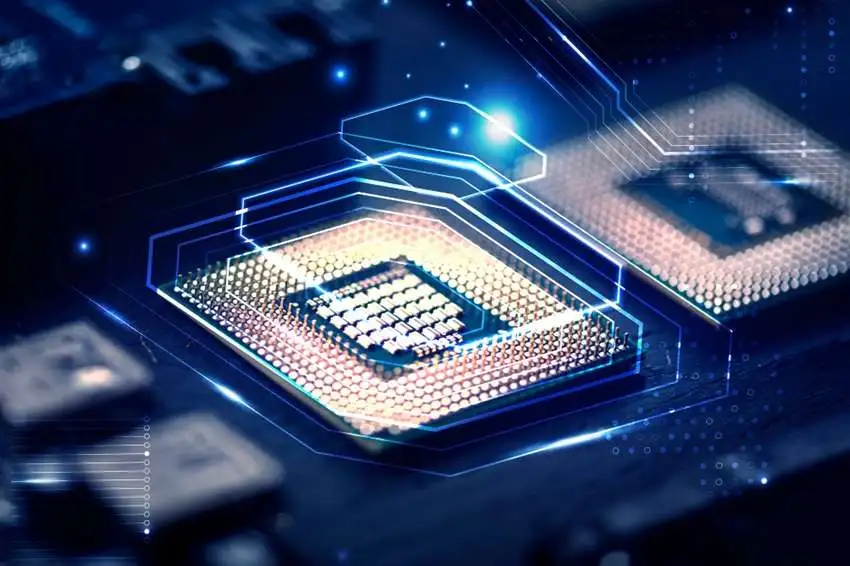
VLSI (Very Large Scale Integration) is about designing the actual chips, integrating millions or billions of transistors into integrated circuits (ICs).
VLSI engineers focus on:
- Digital/analog circuit design
- RTL (Verilog/VHDL) coding and verification
- Physical design, timing, power, layout
- ASIC/FPGA design flows
In simple words:
VLSI engineers create the chip. Embedded engineers program and integrate it into a product.
How the two differ
Embedded Systems: the product-maker’s lane
If you enjoy writing firmware, wiring sensors, tuning power consumption and seeing a device work end-to-end, embedded systems is very satisfying. Work often includes:
- Firmware development (C/C++, sometimes embedded Linux)
- Peripheral drivers, communication stacks (UART, SPI, I²C, BLE, CAN)
- Debugging with oscilloscopes, logic analyzers and JTAG/SWD debuggers
- Integrating hardware, firmware and cloud (IoT stacks)
- Fast prototyping and feature releasesEmbedded roles are found in startups and product companies, from consumer gadgets to EVs and medical devices. Many industries need embedded so entry points are many and spread out.
VLSI: the chip-maker’s lane
VLSI engineers design the silicon that powers everything CPUs, GPUs, ASICs, RF chips and SoCs. Typical responsibilities include:
- RTL design (Verilog/VHDL), verification (UVM), synthesis and timing closure
- Physical design (place-and-route), DFT, power/clock planning and sign-off
- Working with EDA tools (Cadence, Synopsys, Mentor) and automation scripting (TCL/Python)
- Long design cycles and heavy collaboration with fabs and foundries
VLSI work is deep, methodical and verification-heavy. Fabs, chip design houses, IP companies and large tech firms dominate hiring. The domain rewards precision and domain expertise; the learning curve is steeper, but senior roles command high compensation.
Kickstart your embedded systems career and turn your tech passion into high-demand skills!
Master Embedded Systems Programming!
Launch your tech career with our Embedded Systems Course, designed for hands-on learning and industry readiness.
Know MoreMarket demand & growth signals
Embedded systems market signals
India’s embedded systems market is growing with strong ties to IoT, edge AI and automotive electronics. Recent industry write-ups show the embedded segment expanding with robust hiring across product companies and startups focused on edge computing and connected devices. Salaries are competitive in product firms, especially for candidates with RTOS, embedded Linux, and secure-firmware experience.
VLSI market signals
Semiconductor design remains strategically important worldwide. India is actively building semiconductor capacity and design talent; this is visible in growing demand for RTL, verification and physical design roles. However, the VLSI hiring market is more cyclical at times; it cools, then rebounds strongly when big fabs or product cycles come online. Niche skills (analog, physical design, verification at advanced nodes) are consistently in high demand and often undersupplied. Government programmes and industry initiatives are expected to improve long-term prospects.
Salary and compensation: realistic picture
Salaries vary widely by company type (services vs product), location, and skill depth.
- Embedded Systems: Freshers commonly start around ₹3–6 LPA in service companies and ₹4–10 LPA in product startups; mid-level and specialized embedded engineers (RTOS, embedded Linux, automotive ECUs) at product companies can reach ₹10–25 LPA or more. Top product firms and international roles offer significantly higher pay.
- VLSI: Freshers with strong VLSI projects or from tier-1 colleges typically start around ₹4–10 LPA, depending on the role (RTL, verification). Mid and senior VLSI specialists, particularly in verification, physical design and analog, can command ₹20–50 LPA+ in high-end companies, with top global players offering substantially more. Compensation packages may include stock options and international relocation perks at large firms.
Interpretation: VLSI has a higher ceiling for senior, specialized roles; embedded offers broader mid-career opportunities and steadier entry points. Location and the type of employer (product company vs IT service) make a major compensation difference in both fields.
Hiring footprint, where are the jobs located?
- Embedded Systems hubs: Bengaluru, Hyderabad, Pune, Chennai, Delhi NCR but embedded roles are widely available across Tier-2 cities and startups. Product companies, IoT startups and automotive firms hire across regions.
- VLSI hubs: Bengaluru and Hyderabad lead, with certain pockets in Pune and Chennai. VLSI jobs tend to cluster around design houses, global capability centres and semiconductor startups. The availability of fabrication and design centres influences local hiring.
Master Embedded Systems Programming!
Launch your tech career with our Embedded Systems Course, designed for hands-on learning and industry readiness.
Know MoreWhich skills matter most
For Embedded Systems
- Strong C and embedded-C idioms; familiarity with C++ for modern stacks.
- Microcontroller architecture (ARM Cortex-M, ESP32, nRF) and peripherals.
- RTOS (FreeRTOS, Zephyr) and concurrency primitives.
- Communication protocols: I²C, SPI, UART, CAN, BLE and basic networking.
- Debugging tools: JTAG/SWD, logic analyser, oscilloscope.
- Embedded Linux for higher-level devices, plus OTA, security basics.
- Test/CI, unit testing and code reviews.
For VLSI
- RTL design in Verilog/VHDL and verification (UVM).
- Physical design, synthesis, static timing analysis and floorplanning.
- EDA tool proficiency (Cadence, Synopsys, Mentor).
- Scripting for automation: TCL, Python.
- Analog/mixed-signal knowledge for those targeting mixed-signal roles.
- Strong mathematical foundations for timing, power and signal integrity work.
Both disciplines benefit greatly from good coding practices, version control (git), clear documentation and the ability to explain trade-offs.
Career resilience: which field is “safer”?
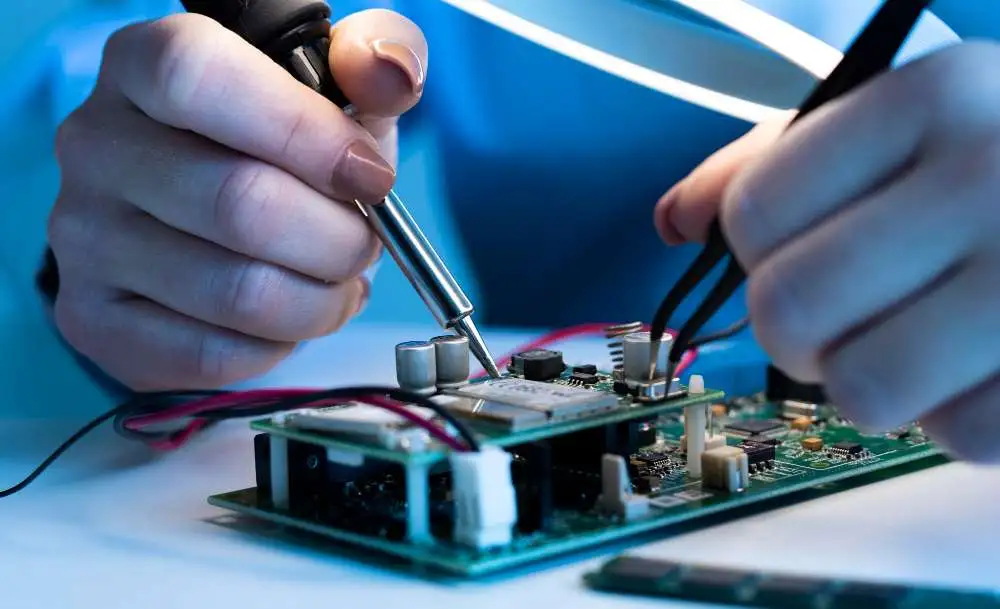
- Embedded Systems is resilient because its skills fit many industries consumer, automotive, industrial, medical and telecom. When one vertical slows, others may continue hiring. It’s also easier to pivot from embedded into IoT or edge software roles.
- VLSI offers high rewards but is more sensitive to macro cycles in chipmaking and capex. However, scarcity of specialised VLSI talent means demand can rebound quickly and pay can be excellent for those with the right skills. Government semiconductor initiatives aim to strengthen long-term demand.
Time to job-readiness and learning pathway
- Embedded Systems: ~6–12 months to become employable with focused hands-on learning (C, one MCU family, peripherals, simple RTOS, small projects). Portfolio projects accelerate hiring.
- VLSI: ~12–24 months to be effective in a job requiring RTL and verification, longer for physical design or analog specializations. VLSI often requires deeper theoretical study plus EDA tool practice.
Kickstart your embedded systems career and turn your tech passion into high-demand skills!
When to choose Embedded Systems
Pick embedded if:
- You enjoy rapid prototyping and end-to-end product work.
- You prefer frequent feedback loops (codeflashtest) and tangible hardware outcomes.
- You like working across software and hardware boundaries and want flexible industry options.
- You want faster job entry and a broad set of employers to approach.
When to choose VLSI
Pick VLSI if:
- You relish deep design problems, chip architecture and verification.
- You’re willing to invest time learning EDA tools and verification methodologies.
- You want to target high-paying specialized roles at chip firms or design houses.
- You prefer working on long design cycles with high technical depth.
How Entri’s Embedded Systems course fits
A practical, project-centric embedded course (for example, Entri Embedded Systems) typically covers the core skills employers ask for:
- Hands-on C/C++ labs, driver development and memory management.
- MCU peripheral labs (timers, ADC, UART, I²C/SPI) and RTOS (FreeRTOS) exercises.
- Debugging sessions using logic analysers and SWD/JTAG; build and CI setup.
- End-to-end projects like sensor nodes, low-power designs and OTA updates suitable for portfolio demonstration.
Completing such a course helps you build the concrete portfolio pieces hiring managers want and shortens the path from learning to landing your first embedded role. If your goal is a product-focused engineering job within 6–12 months, a focused practical course provides the fastest route. (Mentioned here as a practical training option aligned to the skills above.)
Employers’ wish list (what companies really want)
- For Embedded roles: practical project experience, RTOS knowledge, debugging skills, peripheral drivers and clear documentation.
- For VLSI roles: solid RTL/design projects, verification experience, tool familiarity and automation scripting.
If you’re early in your career, pick the path that lets you produce visible, demonstrable work (projects, repos, lab videos) quickly, that’s how you get interviews.
Long-term outlook (5–10 years)
- Embedded will evolve with edge AI, secure firmware and tighter cloud integration; skills that combine embedded engineering with ML at the edge will be especially valuable.
- VLSI will remain critical as chip demand grows; specialists in advanced nodes, mixed-signal and verification automation will command strong salaries. India’s semiconductor policy and fab investments make VLSI a strategic long-term bet.
Key takeaways
- Both fields are strong; pick the one that suits how you like to work. Embedded = product, speed, hardware interaction. VLSI = deep design, verification, and high technical ceiling.
- If you want faster entry and broader options, choose Embedded. Courses and bootcamps (like Entri’s Embedded Systems) accelerate entry by building portfolio projects
- If you want to chase the highest technical ceiling and don’t mind a steeper learning curve, choose VLSI. Specialization brings strong payoffs.
- Location and employer type matter more than the label. A product embedded role in Bengaluru or a VLSI verification role at a top design house can both be excellent starts.
- Build demonstrable projects. Recruiters want evidence. GitHub repos, videos, schematics, simulation results, or a neat demo are the difference between CVs.
Final verdict:
There is no universal winner. Embedded Systems offers broader, faster routes into engineering jobs and strong demand across many industries. VLSI offers higher specialized ceilings and strategic importance as chipmaking ramps up. Your choice should be guided by what you enjoy doing daily (hands-on product engineering vs deep chip design) and how quickly you want to be job-ready.
If you prefer building products, shipping firmware and seeing quick results, start with Embedded Systems, build projects and consider a practical course that emphasizes labs, debugging and portfolio pieces. If you’re fascinated by silicon, verification, and EDA tools, commit to VLSI and prepare for a longer, deeper investment with high potential rewards.
Master Embedded Systems Programming!
Launch your tech career with our Embedded Systems Course, designed for hands-on learning and industry readiness.
Know MoreFrequently Asked Questions
Which has better career scope, Embedded Systems or VLSI?
Both fields have excellent scope, but in different ways. Embedded Systems offers broader job opportunities across industries like IoT, automotive and consumer electronics. VLSI has a higher long-term salary ceiling but is more specialised and competitive.
Is VLSI harder than Embedded Systems?
VLSI requires deeper theoretical knowledge in digital design, semiconductor physics and EDA tools. Embedded is comparatively easier to enter because it blends software and hardware pragmatically and offers quicker project-based learning.
What skills do I need for an Embedded Systems career?
Strong C programming, microcontroller basics, RTOS concepts, communication protocols and debugging tools. Courses like Entri Embedded Systems help you build these skills through hands-on labs.
What skills do I need for a VLSI career?
You need RTL design (Verilog/VHDL), verification (UVM), scripting, timing analysis and familiarity with EDA tools such as Synopsys and Cadence.
Which field pays better- Embedded or VLSI?
At senior levels, VLSI tends to pay more, especially in verification or physical design roles. Embedded salaries are strong too, especially in product companies, automotive electronics and embedded Linux roles.
Can a fresher get a job in VLSI easily?
VLSI hiring is competitive because companies prefer candidates with strong academic foundations and hands-on projects. Fresher opportunities exist, but they require deep preparation and verified project work.
Is Embedded Systems a good career for beginners?
Yes. Embedded is beginner-friendly because you can learn quickly through small projects. The domain is practical, hands-on and has broad employment options across industries.
Can I switch from Embedded Systems to VLSI later?
Switching is possible but challenging. You would need to learn RTL, verification and EDA tools from scratch. However, knowledge of digital electronics from embedded roles can give you a small head start.
Which course is good if I choose Embedded Systems?
A practical, industry-aligned program like the Entri Embedded Systems course is ideal. It covers C, microcontrollers, RTOS, debugging, communication protocols and real-time projects that help you become job-ready faster.