Table of Contents
Fashion designers make original clothing and accessories from scratch whereas fashion stylists assemble and curate outfits for as per clients’ requirement that suits various events.
This is the single distinction between the two that reshapes your daily workflow and long-term career trajectory. They also determine your creative freedom as well as income ceiling.
The fashion industry in India has taken off in recent years, growing at a whopping 10% every year. And the opportunities for work are skyrocketing in both these fields. But what really counts is the vastly different mindset and skillset each one requires.
Start Your Fashion Journey Today! Learn Advanced Designing & Boutique Skills with Experts!
Key Takeaways
- Fashion designers take a concept all the way from idea to finished product. Fashion stylists on the other hand get to pick and choose from existing pieces to fit the bill.
- Designers can earn anywhere from ₹6 LPA to ₹12 LPA, while stylists tend to rack in ₹4 to ₹10 LPA per annum, with the super-experienced freelancers even breaking the ₹20 LPA barrier.
- Getting into design typically demands a 3 to 4 year degree, while becoming a stylist can be achieved with just a 6 to 12 month certificate.
- Both careers call for creativity and an eye for trends, but designers need to be super technical, while stylists need to be able to connect with people.
- The Indian fashion market is projected to touch ₹5 lakh crore by 2026 and is expected to create 2 lakh new jobs by 2030.
- Styling roles are gaining traction way faster than design ones, largely thanks to the influencer and e-commerce boom.
- The right fit depends entirely on whether you prefer making clothes or making looks.
Quick Career Snapshot
| Aspect | Fashion Designer | Fashion Stylist |
| Core Role | Creates garments and accessories | Curates and styles outfits |
| Avg. Salary (India, 2026) | ₹6 LPA to ₹12 LPA | ₹4 LPA to ₹10 LPA |
| Education Required | B.Des / Diploma (3 to 4 years) | Certification (6 to 12 months) |
| Job Growth (2025–2030) | 12% | 15% |
| Work Environment | Studios, factories, fashion houses | Sets, shoots, client homes |
Master Fashion Designing and Create Your Signature Style
Unlock your creative potential with our expert-led Fashion Designing course. Build in-demand skills and step confidently into the world of fashion!
Begin Your Fashion Career Today!What Do They Actually Do Every Day?
This is where these two careers diverge in the most sharp way. Let’s get it cleared.
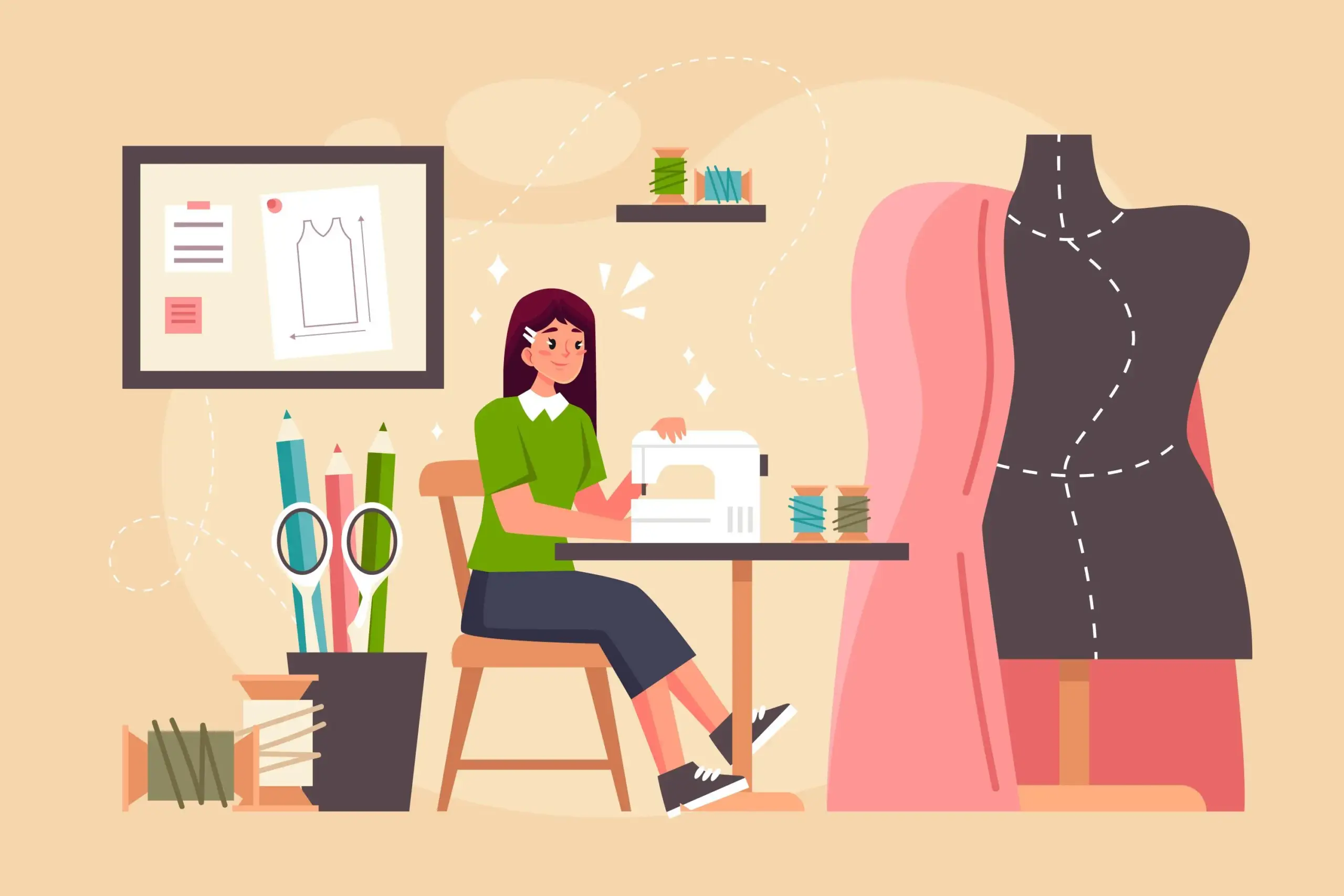
A Fashion Designer invests most of their time in the creation process. So this job role involves researching global as well as local trends to stay updated. In addition to that, as a fashion designer, you need to sketch original designs, work with tailors and manufacturers, choosing fabrics and also iterating the prototypes.
Keeping track with events like trade expos and attending them is part of a fashion designer’s job. Managing timelines and production budgets are the other crucial responsibilities.
A Fashion Stylist works with what is already around. They directly connect with the clients and consult their wardrobe goals, source garments from designers, brands and even thrift stores. Then they assemble looks for photoshoots, social media campaigns, editorial spreads, or red carpet appearances.
Client communication is the major responsibility, in this way.
| Daily Task | Fashion Designer | Fashion Stylist |
| Creative Brainstorming | 40% | 20% |
| Client / Team Meetings | 20% | 50% |
| Hands-On Execution | 40% | 30% |
If you are someone with a flair for building things from scratch, designing is the one for you.
If you shine at making transformations to people and moments through their clothing, you should go for styling.
Education and Qualifications: How Do You Get In?
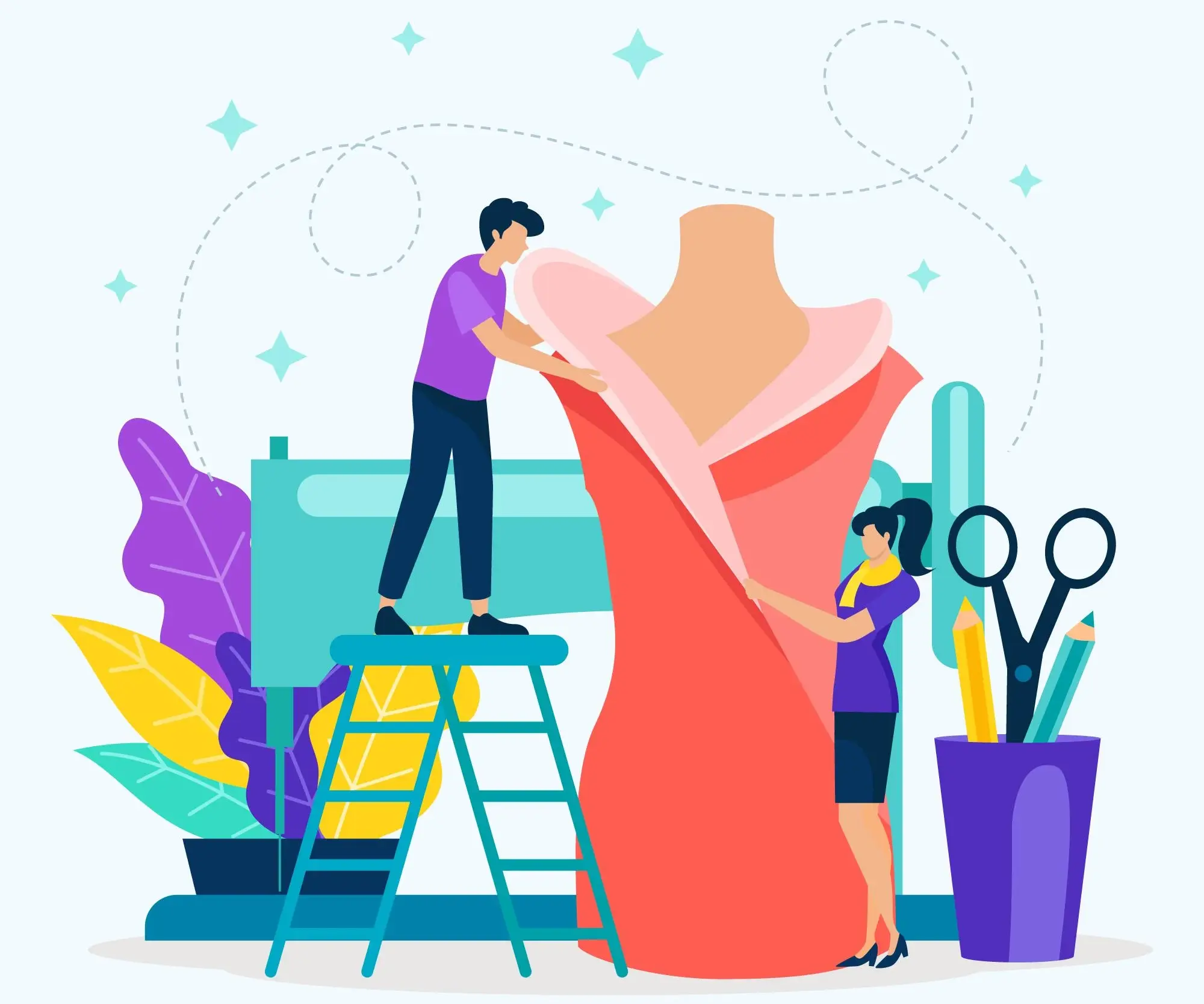
Of the two, Fashion Designing is a more demanding path academically. Most established designers hold a Bachelor of Design from esteemed institutions like NIFT, Symbiosis or Pearl Academy.
The curriculum in these institutions covers textile science, pattern-making, garment construction, draping and computer-aided design. This demands a 3 to 4 year long commitment with fees ranging from ₹5 lakhs to ₹10 lakhs depending on the institution you choose.
Fashion styling, on the other hand, is a far more accessible option in terms of entry. Many of the successful stylists begin their career with short-term certifications. The institutions or online platforms help build portfolios through assisting senior stylists.
Having a keen eye for trends while maintaining a strong social media presence can help open doors faster in styling.
| Qualification | Fashion Designer | Fashion Stylist |
| Minimum Requirement | Diploma / B.Des in Fashion Design | Styling Certification |
| Top Indian Institutes | NIFT, Pearl Academy, NID | JD Institute, St. Xavier’s |
| Duration | 3 to 4 years | 6 to 12 months |
| Average Cost | ₹5 to 10 lakhs | ₹1 to 3 lakhs |
Keep in mind – a strong portfolio makes things work for you more than any certification. Employers and recruiters in the fashion industry also prioritize practical work more than any other credentials.
Skills and Tools: What Sets Each Apart?
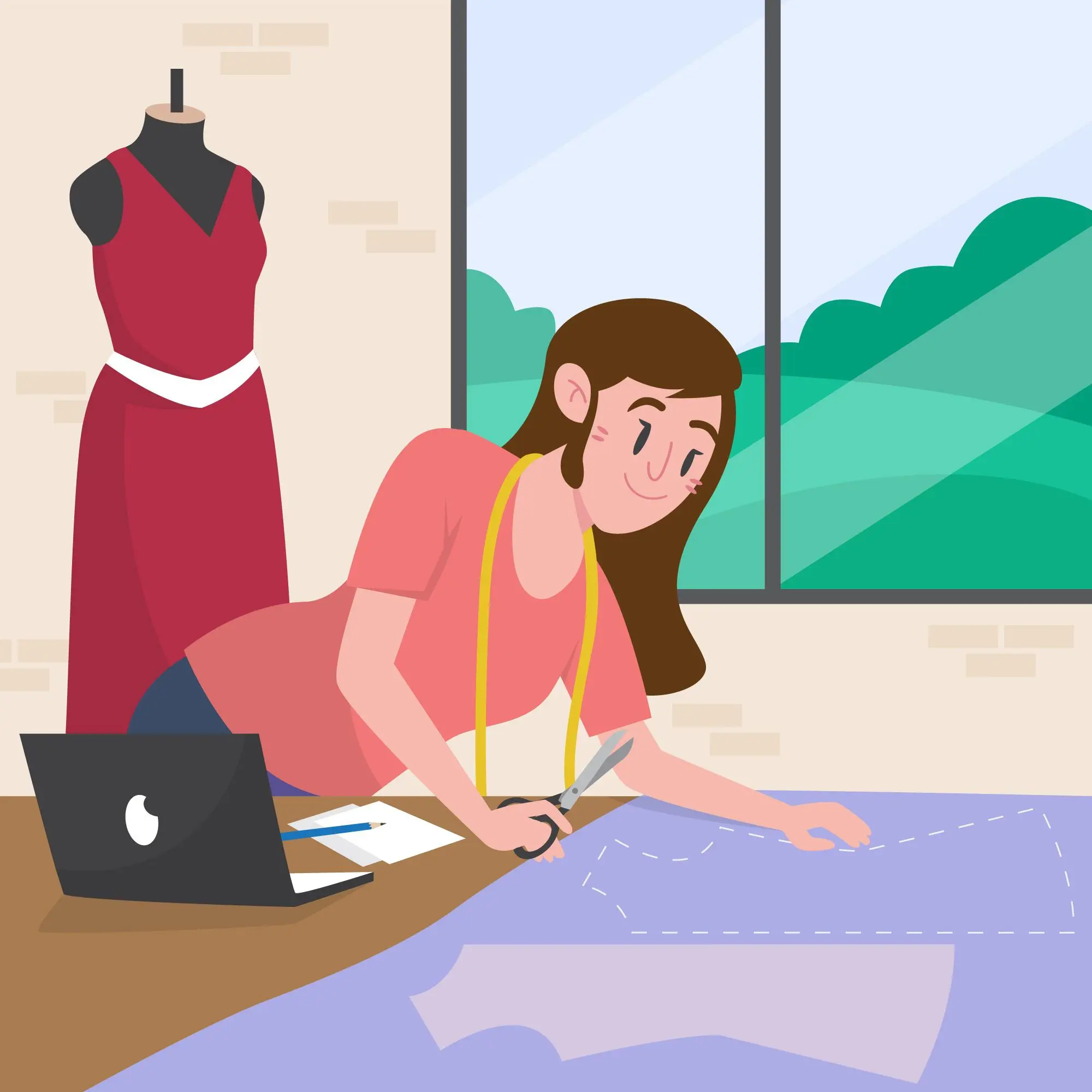
Both careers share a creative foundation, but the technical toolkit differs significantly.Fashion Designers need proficiency in:
- Adobe Illustrator and CLO 3D for digital design
- Pattern-making and draping for hands-on construction
- Textile and fabric knowledge for material decisions
- Problem-solving and precision to manage production errors
Fashion Stylists need strength in:
- Colour theory and visual composition for cohesive looks
- Client communication and interpersonal skills
- Trend forecasting using platforms like Pinterest and Instagram
- Networking with brands, PRs, and photographers
| Skill Category | Fashion Designer | Fashion Stylist |
| Key Software | Adobe Illustrator, CLO 3D | Canva, Pinterest, Instagram |
| Core Soft Skill | Precision, technical thinking | Adaptability, networking |
| Must-Have Knowledge | Sewing and fabrication | Styling contacts, brand awareness |
Featured shared across both:
- Creativity
- A deep understanding of trends
- The ability to build and present a portfolio that speaks louder than a resume.
Master Fashion Designing and Create Your Signature Style
Unlock your creative potential with our expert-led Fashion Designing course. Build in-demand skills and step confidently into the world of fashion!
Begin Your Fashion Career Today!Salary and Career Growth: What Can You Realistically Earn?
Here’s the honest breakdown of earning potential across both roles in India for 2026.
| Experience Level | Fashion Designer Salary (₹ LPA) | Fashion Stylist Salary (₹ LPA) |
| Fresher (0 to 2 years) | 4 to 6 | 3 to 5 |
| Mid-Level (3 to 5 years) | 8 to 12 | 6 to 10 |
| Senior (5+ years) | 15 to 25 | 12 to 20 |
Another interesting fact is that stylists can outpace designers at the senior level through freelancing.
As a designer you can enjoy greater salary stability within apparel brands or fashion houses. But in order to scale beyond a certain point requires you to launch your own label with entrepreneurial risk.
Designers in metro cities like Mumbai and Delhi who work with established labels also see faster salary progression. Stylists working in the digital content space – with influencers, OTT platforms, and advertising agencies – are among the fastest-growing earners in the industry today.
Pros and Cons: The Real Trade-Offs
No career comes without any friction. Here’s what professionals in both fields actually report.
| Fashion Designer | Fashion Stylist | |
| Top Benefit | Creative ownership, brand legacy | Flexible schedule, variety of work |
| Key Drawback | Long production cycles, deadline pressure | Inconsistent income, gig dependency |
Designers often talk about the deep sense of satisfaction they get from seeing their original creation on someone’s back. But in reality, they also face a brutal competitive landscape, the ever-present risk of their designs being rejected, and the soul-sucking pace of seasonal collections.
Stylists love the variety that comes with the job – every shoot is different, and the travel and collaboration with creative teams can be pretty energising. But on the flip side, the feast-or-famine cycle of freelance work can be a real challenge, especially early on in their careers.
Job Market and Opportunities in India (2026)
India’s fashion industry is at a crossroads. The FICCI report is predicting a massive 2 lakh new fashion jobs by 2030, with around 40% of those positions expected to be in styling – driven largely by the influencer economy, OTT content production, and the crazy growth of e-commerce fashion brands that need constant visual content.
The Hot Spots for a Fashion Career:
- Mumbai
- Delhi NCR
- Bengaluru
- Hyderabad
And increasingly, Pune and Chennai are worth a look too.
Emerging roles to keep an eye on:
- Sustainable Fashion Designer – with brands getting the boot from consumers if they’re not eco-friendly
- Digital Stylist in the Metaverse/Virtual Fashion – a fast-growing niche, even if it is a bit early days yet
- E-commerce Fashion Stylist – with players like Myntra and Nykaa Fashion churning out content at industrial volumes
- Personal Brand Stylist – this is becoming a bigger and bigger area as entrepreneurs, influencers, and corporate professionals need more help looking good
For designers, the D2C (direct-to-consumer) brand explosion is opening up new opportunities that don’t necessarily involve traditional fashion houses. And for stylists, every single growing content creator is a potential client.
Fashion Designer vs Fashion Stylist: Which One Are You?
Take a good hard look at these questions and really try to be honest with yourself:
- Do you actually want to make clothes, or is it more about styling them?
- Are you more into the technical craft or the human connection side of things?
- Do you prefer the security of a structured institutional career or the freedom of freelance work?
- Are you prepared to put in 3 to 4 years of hard work and education to get established, or do you want to start working in the industry way sooner?
If your gut feeling is to go with creation, construction, and building something from scratch, then fashion design might be your thing.
But if you’re more into curation, client service, and visual storytelling with existing pieces, then fashion styling is probably where you should be.
Start Your Fashion Journey Today! Learn Advanced Designing & Boutique Skills with Experts!
Conclusion
The fashion designer vs fashion stylist debate isn’t about which career is superior – it’s about which one aligns with how you naturally think and create. Designers shape the clothes that shape culture, while stylists get to shape how those clothes tell a story.
With India’s fashion industry set to boom by 2026 to ₹5 lakh crore, and with jobs coming up left and right, it’s definitely a great time to join the fashion world. Whether it’s a sketchpad or a mood board, the world is waiting for the next creative sensation – which could be you.