

Table of Contents
In the beginning of 2000s, owning a credit card in India was seen as a symbol of luxury. Fast forward to 2026, and it is a totally different scene. Right from street vendors accepting UPI payments via RuPay credit cards to premium metal cards offering global lounge access, credit cards have become the most essential financial tool for an average Indian consumer. A recent study shows that around 93% of salaried Indians earning less than Rs.50,000 per month now depend on credit cards to manage their expenses. When it comes to self-employed individuals, the story is no different as nearly 85% of them use credit cards to meet their daily financial needs.
Join our Online Course and Learn Stock Marketing the Right Way. Enrol Now!
As banks offer increasingly attractive rewards like cashback on groceries, discounts on movie tickets, and air miles for every rupee spent, several people find themselves collecting cards like hobbyists. You might have one card for Amazon shopping, another for petrol, and a third for dining. But as your wallet gets thicker, an important question pops up: How many credit cards are too many?
Without doubt, managing credit is a balancing act. Though more cards can mean more rewards, they also bring more responsibility. Are you one of those customers who is still clueless about “how many credit cards should I have” to stay financially healthy? You have arrived at the right place as this guide takes you through that ideal number based on your lifestyle, the impact on your CIBIL score, and the common traps to avoid.
The Indian Credit Landscape in 2026

India has seen a massive boom in credit card usage. According to recent data, there are over 100 million credit cards in circulation across the country. RBI data shows that the number of active cards more than doubled from nearly 5.5 crore in 2019 to more than 10.8 crore towards the end of 2024. It is to be noted that the annual spending crossed Rs. 21 lakh crore in FY25. However, the most interesting fact is that unlike China with more than 40% and the US with more than 70%, the penetration in India still remains low at nearly 5.5%.
This surge is driven by “category-specific” cards. Banks no longer just give you a “general” card; they give you a “Swiggy” card or a “travel” card.
While the variety is great for saving money, it makes the question of how many credit cards should I have more complex. In India, your credit health is primarily measured by your CIBIL score. Having multiple cards doesn’t inherently lower your score, but how you manage them certainly does.
Pros of Having Multiple Credit Cards
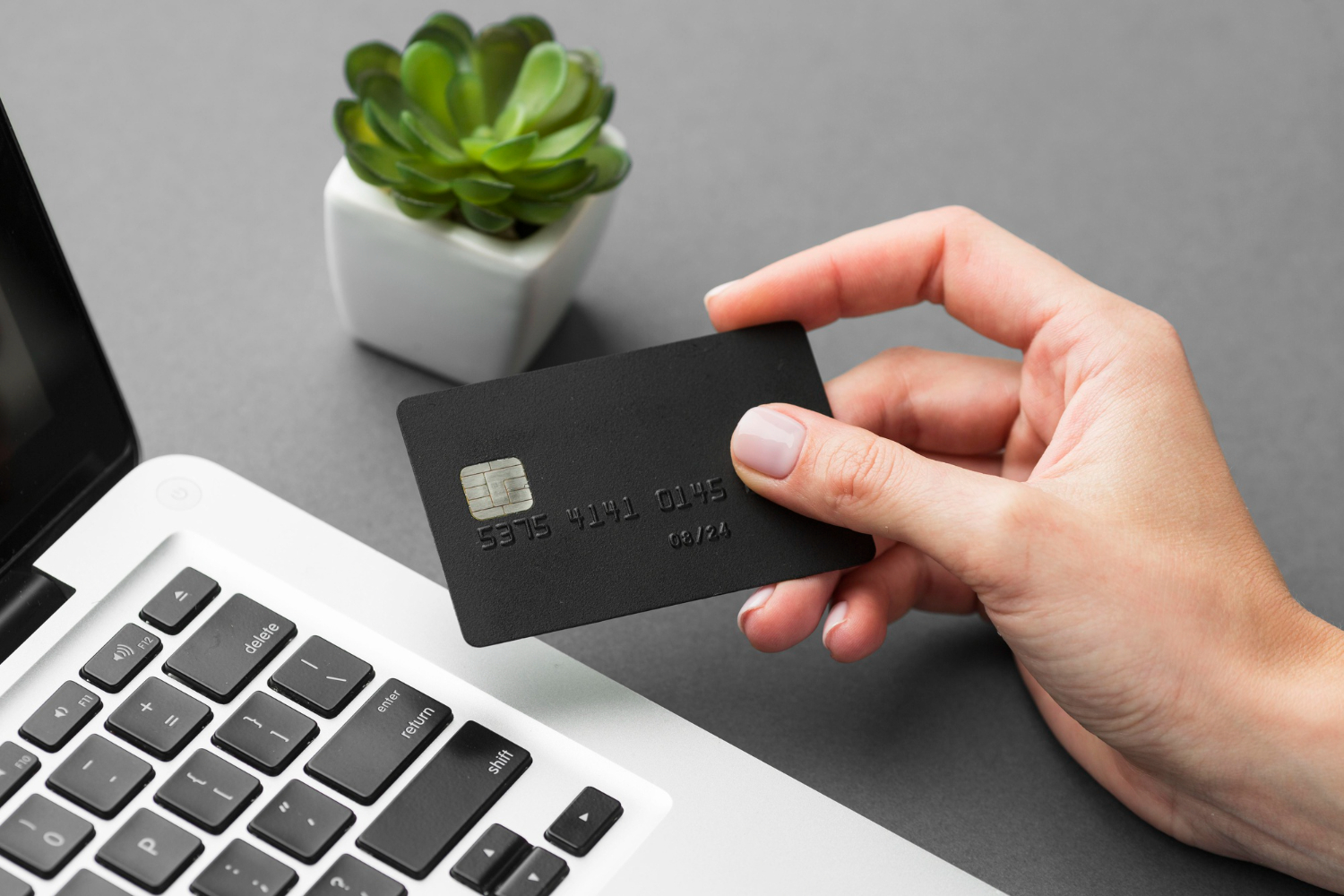
Before we discuss the “limit,” let’s look at why someone might want more than one card.
1. Maximizing Rewards and Cashback
One of the biggest reasons Indians hold multiple cards is to “play the rewards game.”
- Card A might give you 5% cashback on utility bills.
- Card B might offer 10% off on Zomato and Blinkit.
- Card C might provide unlimited domestic lounge access. By using the right card for the right expense, you can save thousands of rupees every month.
2. Improving Your Credit Utilization Ratio (CUR)
Your CUR is the percentage of your total credit limit that you actually use. For example, if your total limit across all cards is ₹1,00,000 and you spend ₹30,000, your CUR is 30%. Lenders love to see a CUR below 30%. When you get a new card, your total available limit increases. If your spending stays the same, your CUR drops, which can actually boost your CIBIL score.
3. Financial Backup
Technology isn’t perfect. Sometimes a bank’s server goes down, or a specific card network (like Visa or Mastercard) faces a glitch. Having a backup card—perhaps a RuPay card linked to your UPI—ensures you are never stranded at a checkout counter.
4. Interest-Free Period Management
Every card has a different billing cycle. By strategically timing your purchases, you can use the card that has just started its new billing month, effectively giving you up to 45–50 days of interest-free credit.
The Risks: When Does “Many” Become “Too Many”?

The transition from “optimized rewards” to “financial chaos” is subtle. Here is how you know you might be overdoing it.
1. The “Tracking Fatigue”
Every credit card comes with its own:
- Statement date
- Due date
- Mobile app
- Annual fee structure When you have 7 or 8 cards, keeping track of 7 or 8 different due dates becomes a part-time job. Missing even one payment due to a simple oversight can lead to heavy late fees (often upwards of ₹1,000) and a sharp dip in your credit score.
2. The Annual Fee Trap
Many premium cards are “Lifetime Free” (LTF), but many are not. If you have five cards with an average annual fee of ₹1,500, you are paying ₹7,500 a year just for the privilege of owning them. If you aren’t earning at least double that amount in rewards, those cards are costing you money, not saving it.
3. Hard Inquiries and the CIBIL Dip
Every time you apply for a new card, the bank performs a “hard inquiry” on your credit report. If you apply for 4 cards in two months, it signals to lenders that you are “credit hungry” or in financial distress. This can lower your score and make it harder to get an important loan, like a home loan, in the future.
4. Psychological Overspending
There is a psychological phenomenon where having more “available credit” makes us feel richer than we are. Research reveals that unlike cash, people spend 12-18% more when using credit cards. When you know you have a combined limit of ₹10 Lakhs across five cards, spending ₹50,000 on a new phone feels “safe,” even if your bank balance doesn’t support it.
How Many Credit Cards Should You Have?

There is no “magic number” that fits every Indian. Instead, the answer depends on your financial personality.
The “Beginner” (1 Card)
If you are a student or a first-time employee, start with one. Focus on building a discipline of paying the “Total Amount Due” (never just the “Minimum Amount Due”) every month. A simple cashback card or a card against a Fixed Deposit (FD) is perfect here.
The “Balanced Spender” (2–3 Cards)
For most working professionals in India, 2 to 3 cards is the “sweet spot.”
- Card 1: A high-limit primary card for big spends (electronics, insurance).
- Card 2: A daily-use cashback card (groceries, fuel, utilities).
- Card 3: A RuPay credit card for UPI transactions. This setup is easy to track and covers almost all reward categories without causing “wallet bloat.”
The “Optimizer” (4–6 Cards)
If you travel frequently for work or are a “credit card enthusiast” who enjoys tracking devaluations and milestone rewards, you might hold 4–6 cards. However, this is only recommended if you use automated payment systems and spreadsheets to track your finances.
The “Dangerous Zone” (7+ Cards)
Unless you are running a business with high monthly expenses, having more than 7 cards is usually “too many.” At this stage, the risk of missing a payment or losing a card without realizing it outweighs the marginal benefit of extra reward points. If you find yourself in this zone, ask yourself: how many credit cards should I have to truly add value to my life?
How to Consolidate Your Cards

If you’ve realized you have too many, don’t just close them all at once. Closing an old credit card can actually lower your credit score because it reduces your “length of credit history.”
Follow these steps to slim down your wallet:
- Identify the “Dead Weight”: Look for cards you haven’t used in 6 months or those with high annual fees that offer low rewards.
- Redeem Your Points: Before closing, ensure you spend every single reward point. Once the account is closed, the points vanish.
- Pay the Balance: Ensure the card has a ₹0 balance.
- Close the Newest Cards First: To keep your credit history long, try to keep your oldest card active, even if you don’t use it much (provided it has no annual fee).
Join our Online Course and Learn Stock Marketing the Right Way. Enrol Now!
Key Takeaways
- Manageability is Key: The “right” number of cards is the number you can track without stress. For most Indians, this is 2–3 cards.
- CIBIL Matters: More cards can help your score by lowering your utilization ratio, but too many applications in a short time will hurt it.
- Watch the Fees: Periodically review your cards to ensure the rewards you earn are higher than the annual fees you pay.
- UPI Integration: In the current Indian economy, having at least one RuPay credit card for UPI is highly beneficial.
- Always Pay in Full: No matter how many cards you have, never carry a balance. The interest rates on Indian credit cards can be as high as 40–50% per year.
Ultimately, when you ask yourself “how many credit cards should I have,” the answer shouldn’t be based on what your friend has or what a tele caller sells you. It should be based on your ability to pay every bill, on time, every single month.
|
RELATED POSTS |
|
Stock Market Training Reviewed & Monitored by SEBI Registered RA
Trusted, concepts to help you grow with confidence. Enroll now and learn to start investing the right way.
Know moreFrequently Asked Questions
Does having 5 credit cards affect my CIBIL score?
No, the number of cards doesn’t directly lower your score. However, your score can drop if you miss payments or use too much of your total limit across those 5 cards.
Is it bad to have credit cards I don't use?
Not necessarily. If they have no annual fee, keeping them open increases your total credit limit and the age of your credit history, which helps your score.
What is the ideal credit utilization ratio in India?
Financial experts recommend keeping your usage below 30% of your total available limit. This shows banks that you are a responsible borrower.
Can I have multiple cards from the same bank?
Yes, many Indian banks like HDFC, ICICI, and SBI allow you to hold multiple cards, though they often share a single credit limit.
Should I close a card if the bank increases the annual fee?
If the rewards don’t justify the new fee, try asking the bank to waive it or convert it to a “Lifetime Free” card. If they refuse, closing it might be wise.
Does closing a credit card hurt my credit score?
Yes, it can slightly decrease your score by reducing your total available credit and shortening your average credit history age.
How long should I wait between two credit card applications?
It is best to wait at least 3 to 6 months between applications to avoid being flagged as a “risky” or “credit-hungry” applicant.