Table of Contents
Introduction
Debt is often a double-edged sword. Are you yet to realise this fact? As you know, a home loan helps you build an asset. However, a high-interest debt like credit card outstanding or personal loans can make a dent in your monthly savings. If you are reading this blog, you are likely looking for a way out. Understanding how to clear debt quickly is about more than just numbers. Its is about changing your mindset towards money. In the Indian context, where family responsibilities and social expectations are high, managing debt requires a balanced approach of logic and lifestyle changes.
Join our Online Course and Learn Stock Marketing the Right Way. Enrol Now!
1st Step: Confront Your Numbers
1: What is a stock?

If you cannot measure something, you cannot fix it. The very first thing you must do is to create a “Debt Inventory.” List every single loan you owe in a notebook. Or else open an Excel sheet and include the following columns:
- Lender’s Name: (e.g., HDFC, ICICI, or a local lender)
- Type of Loan: (Credit card, Personal loan, Car loan, etc.)
- Total Outstanding Balance: The actual amount left to pay.
- Interest Rate (%): This is the most crucial part.
- Minimum Monthly Payment (EMI): The amount you are currently paying.
Seeing all your debts in one place can be overwhelming, but it is the only way to strategize how to clear debt quickly. Once you have this list, you can decide which “battle” to fight first.
The Debt Snowball Method
The Debt Snowball method is a psychological strategy. Here, you ignore the interest rates for a moment and focus on the balance amount.
How it works:
- Write down your debts from the smallest balance to the largest.
- Pay the minimum EMI on all debts except the smallest one.
- Direct every extra rupee you have toward the smallest debt.
- Once the smallest debt is paid off, take the money you were paying toward it and add it to the EMI of the next smallest debt.
Why it works for Indians:
In India, we often have many small “nuisance” debts – perhaps a small loan for a smartphone or a tiny credit card balance. Clearing these quickly gives you a “win,” which boosts your confidence to tackle the bigger monsters like home loans.
The Debt Avalanche Method
If the Snowball method is about psychology, the Avalanche method is about pure mathematics. This is the most cost-effective way on how to clear debt quickly.
How it works:
- List your debts from the highest interest rate to the lowest.
- Pay the minimum EMI on everything.
- Throw all your extra funds at the debt with the highest interest rate (usually credit cards, which can charge a higher interest rate).
- Once that is gone, move to the next highest interest rate.
The Benefit:
By killing the high-interest debts first, you save a massive amount of money that would have otherwise gone toward interest. Over 2 to 3 years, this could save you lakhs of rupees.
Debt Consolidation: A Smart Indian Context
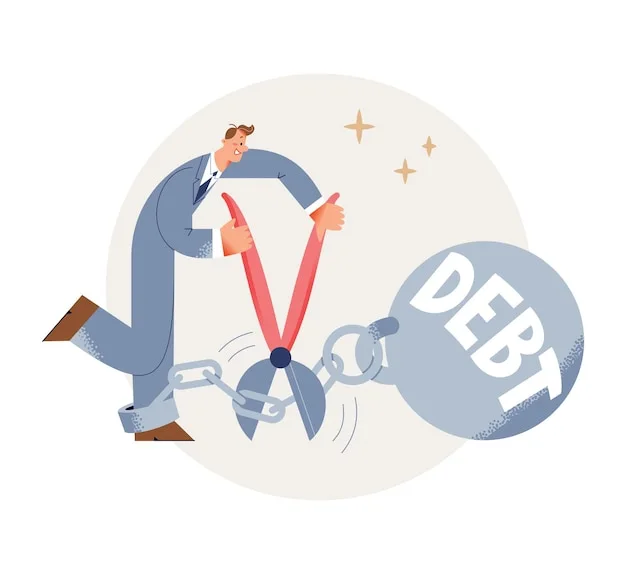
Sometimes, managing five different EMIs is the biggest hurdle. Debt consolidation works in such a way that you take one large loan at a lower interest rate to pay off all your smaller, high-interest debts.
- Personal Loan for Consolidation: If your credit score is good (750+), you can get a personal loan at a lower interest rate. Use this to pay off credit cards that charge higher interest.
- Top-up Home Loan: If you have an existing home loan, you can ask for a “top-up.” These usually have much lower interest rates compared to personal loans.
- Gold Loans: In India, gold is a great asset. Taking a gold loan to shut down high-interest unsecured debt is often a very smart move because gold loan interest rates are relatively lower.
Stock Market Training Reviewed & Monitored by SEBI Registered Investment Advisor
Trusted, concepts to help you grow with confidence. Enroll now and learn to start investing the right way.
Know moreThe 50/30/20 Rule for Debt Repayment
Budgeting is the backbone of debt recovery. A popular framework is the 50/30/20 rule, but with a “debt-first” twist:
- 50% for Needs: Rent, groceries, electricity, and school fees.
- 20% for Wants: Dining out, Netflix, and shopping.
- 30% for Financial Goals: This is where your debt repayment lives.
To learn how to clear debt quickly, you might need to temporarily shift your “Wants” budget to your “Financial Goals” budget. If you can live on 50% for needs and 10% for wants, you can put 40% of your income toward debt. This acceleration is what clears the path to freedom.
Negotiating with Banks and Creditors
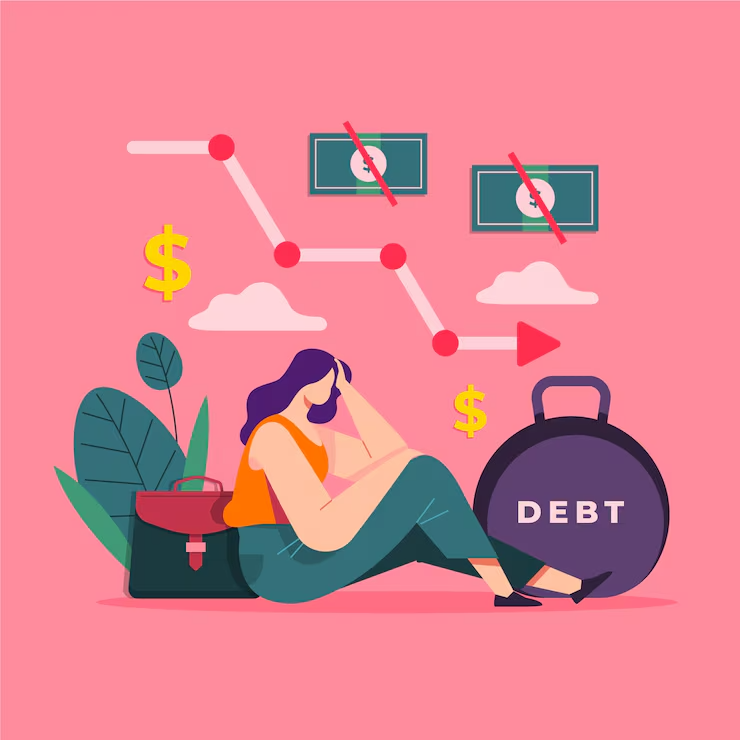
Many Indians are hesitant to talk to their bank managers, but banks actually prefer getting some money back rather than nothing.
- Request a Lower Interest Rate: If you have been a loyal customer, ask for a rate reduction.
- Restructuring: If you have lost your job or have a medical emergency, ask the bank to restructure the loan. They might increase the tenure to reduce the EMI, or give you a “moratorium” (a temporary break).
- Settlement: Use this as a last resort. A “One-Time Settlement” (OTS) allows you to pay a lump sum less than what you owe. Warning: This will significantly damage your CIBIL score for years.
Increasing Your Income Sources
Cutting expenses has a limit, but increasing income does not. In the modern Indian economy, there are several ways to earn extra to pay off debt:
- Freelancing: If you have strong writing, coding, or design skills, use platforms to find international or local clients.
- The Gig Economy: Use your vehicle for delivery services or ride-sharing during weekends.
- Sell Unused Assets: Look around your house. That old treadmill or the smartphone you don’t use can be sold on platforms like OLX or Cashify to make a lump-sum payment toward your loan.
- Monetize Hobbies: If you are good at math or music, start home tuitions or online classes.
Avoiding Common Debt Traps
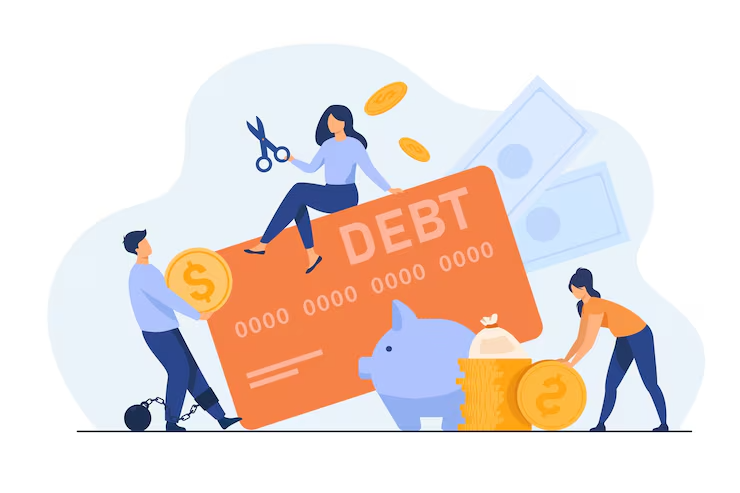
As you work on how to clear debt quickly, ensure you don’t fall back into the same holes:
- Stop Using Credit Cards: If you cannot control the spend, literally hide the card or freeze it in a block of ice.
- Say ‘no’ to “No-Cost EMI”: These are marketing gimmicks that encourage you to buy things you don’t need.
- Emergency Fund First: Before you go aggressive on debt, save at least ₹20,000 to ₹50,000 as a mini-emergency fund. This prevents you from taking a new loan when a sudden medical bill or repair arrives.
Join our Online Course and Learn Stock Marketing the Right Way. Enrol Now!
Key Takeaways
- Know your debt, inside and out: Write down every single one of your debts along with the interest rate and EMI – it’s all on the table.
- Pick a plan: Are you a ‘Snowball’ kind of person, getting motivated by quick wins, or do you need the ‘Avalanche’ method to get your savings in order?
- Get your ducks in a row: Move high-interest debt to lower-interest loans – think gold loans or top-up home loans – and see the savings add up.
- Bring your spending in line with your income: Give up some of your ‘wants’ for a little while and put that cash towards your debt.
- Stay on track: Automation is your best friend here – set up standing instructions to make sure your EMIs get paid on time.
Conclusion
Clearing debt quickly isn’t just about numbers – it is a mindset revolution. Armed with your debt inventory, choose Snowball for quick wins or Avalanche for maximum savings, consolidate smartly with gold loans or top-ups. Most importantly, supercharge with the 50/30/20 rule. Negotiate, boost income, and dodge traps like no-cost EMIs.
Start today by listing your debts, pick your method, and watch freedom unfold before you. In India’s high-pressure world, financial independence awaits those who act. Take the first step now and explore the journey ahead.
|
RELATED POSTS |
|
Stock Market Training Reviewed & Monitored by SEBI Registered Investment Advisor
Trusted, concepts to help you grow with confidence. Enroll now and learn to start investing the right way.
Know moreFrequently Asked Questions
Which debt should I pay off first – is it the one with the highest interest, or the one that's been weighing on my mind the most?
Well, as a rule of thumb, it’s usually a good idea to go after the debt with the highest interest rate first. In most cases, that’s going to be a credit card. This is the ‘avalanche’ approach. But if you’re finding it all a bit too much, you might want to consider paying off the smallest balance first to get a bit of a psychological win.
Do I prioritise saving or getting out of debt first?
If your debt interest rate is higher than what you’re getting on savings, then it makes total sense to get the debt out of the way – but don’t forget to stash a bit of cash away for emergencies – aim for 30000 to 50000 in your rainy-day fund.
Does debt settlement affect my CIBIL score?
Yes, a “settlement” is reported to credit bureaus and can drop your score significantly. It tells future lenders that you didn’t pay the full amount. Only choose this if you have no other way out.
Can I use my EPF (Provident Fund) to pay off the debts?
You can withdraw from EPF for specific reasons like medical emergencies or house building expenses. Yet, using your retirement corpus to pay off lifestyle debt is generally discouraged. It is wise to use as a last resort for high-interest home loans.
How to clear credit card debt if I only pay the "Minimum Amount Due"?
It is not possible. The minimum amount mostly covers the interest and a tiny bit of the principal. At this rate, it could take 15 to 20 years to clear a single card. You must pay significantly more than the minimum to see progress.
Are gold loans good for clearing other debts?
Yes, gold loans are “secured loans” and usually offer much lower interest rates. Using a gold loan to pay off a credit card can save you a lot of money.
Should I take a new loan to pay off an old one?
Only if the new loan has a significantly lower interest rate and lower processing fees. This is debt refinancing or consolidation. You need to ensure that the total cost of the new loan is less than the interest you would have paid on the old ones.