Table of Contents
Introduction
Toddler tantrums are common during early childhood. Young children struggle with emotions sometimes. Hunger and tiredness may trigger tantrums quickly. Loud places may also upset toddlers easily. Yelling may stop behavior briefly. However, it often increases fear and stress.
Calm responses usually work much better. Gentle communication helps toddlers feel safe. Patience also improves children’s emotional behavior. Consistent routines reduce tantrums over time. Calm parents teach healthy emotional habits naturally.
Key Takeaways
- Toddler tantrums are very common.
- Toddlers often feel overwhelmed quickly.
- Calm responses help children feel safer.
- Yelling may increase stress and fear.
- Consistent routines reduce frequent tantrums.
- Patience improves behavior gradually.
Unlock your passion for education and shape young minds as a Montessori teacher!
Toddler tantrums may happen anywhere and anytime. Some children cry loudly during tantrums. Others throw objects or refuse instructions. Understanding tantrum causes helps parents respond calmly.
🧠 Understanding Toddler Tantrums
1: What is the primary focus of the first plane of development in the Montessori method?
Toddler tantrums are emotional outbursts during early childhood. Strong emotions are often experienced by young children every day. However, emotional control skills are still being developed slowly. Because of this, emotions may be expressed through tantrums instead of calm communication.
Tantrums may happen suddenly in many situations. Crying, screaming, kicking, or refusing instructions may be noticed during emotional moments. These reactions are usually caused by frustration, confusion, or difficulty managing emotions properly.
Toddlers are still learning many important life skills, including:
- Patience.
- Emotional control.
- Communication skills.
- Social interaction.
- Problem-solving abilities.
Because these skills are still developing, emotional reactions may happen frequently during toddler years.

👶 Emotional Development During Toddler Years
Rapid emotional development takes place during early childhood. Toddlers begin understanding independence and personal choices gradually. However, emotional balance is not fully developed yet.
Young children may:
- Want things immediately.
- Become upset very quickly.
- Feel frustrated easily.
- Struggle with waiting patiently.
- React strongly during disappointment.
Small situations may therefore feel very overwhelming to toddlers. Adults may view these situations as minor, but toddlers often experience strong emotions during such moments.
For example:
- A broken toy may cause frustration.
- Delayed snacks may increase irritability.
- Difficulty wearing shoes may create anger.
- Interrupted playtime may lead to crying.
Because emotional control remains limited, tantrums may happen very quickly.
🗣️ Communication Skills are Still Developing
Clear communication is not always possible during toddler years. Thoughts and emotions may struggle to be expressed properly. Vocabulary is still being developed gradually during early childhood.
Toddlers may find difficulty explaining:
- Hunger.
- Fear.
- Pain.
- Sadness.
- Anger.
- Tiredness.
Instead of using words calmly, emotional outbursts may be displayed. Crying or screaming may therefore become common emotional reactions.
Communication frustration may also increase when:
- Adults misunderstand children.
- Needs are ignored accidentally.
- Instructions feel confusing.
- Feelings cannot be explained clearly.
Better communication skills are usually developed gradually with age.
⏳ Self-Control Develops Slowly
Self-control is not naturally mastered during toddler years. Emotional reactions are therefore often displayed immediately without thinking carefully.
Toddlers are still learning:
- Sharing with others.
- Following rules.
- Staying calm.
- Managing frustration.
- Waiting patiently.
Because these skills take time to develop, tantrums are often considered normal during early childhood.
Children are not usually trying to behave badly intentionally. Emotional reactions are often caused by limited emotional understanding instead.
📌 Different Types of Tantrums
Tantrums may appear differently in every child. Some toddlers may cry loudly, while others become stubborn or quiet.
Common tantrum behaviors may include:
- Throwing objects.
- Falling on floors.
- Refusing instructions.
- Running away angrily.
- Hitting or kicking.
- Holding breath briefly.
These reactions may look stressful for parents. However, most tantrums gradually reduce with emotional growth and guidance.
❤️ Why Understanding Tantrums Matters
Better parenting responses are often given when tantrums are understood properly. Emotional safety may also be strengthened through calm support and patience.
Healthy emotional habits are usually encouraged through:
- Gentle communication.
- Consistent boundaries.
- Emotional support.
- Predictable routines.
- Patient guidance.
Over time, stronger emotional control is often developed by children. Supportive parenting usually helps toddlers feel safer, calmer, and more emotionally understood.
Get Certified & Start Your Montessori Career
Montessori Teacher Training Course by Entri App: Gain expert skills, earn certification, and kickstart your teaching career.
Join Now!❓ Common Causes of Tantrums
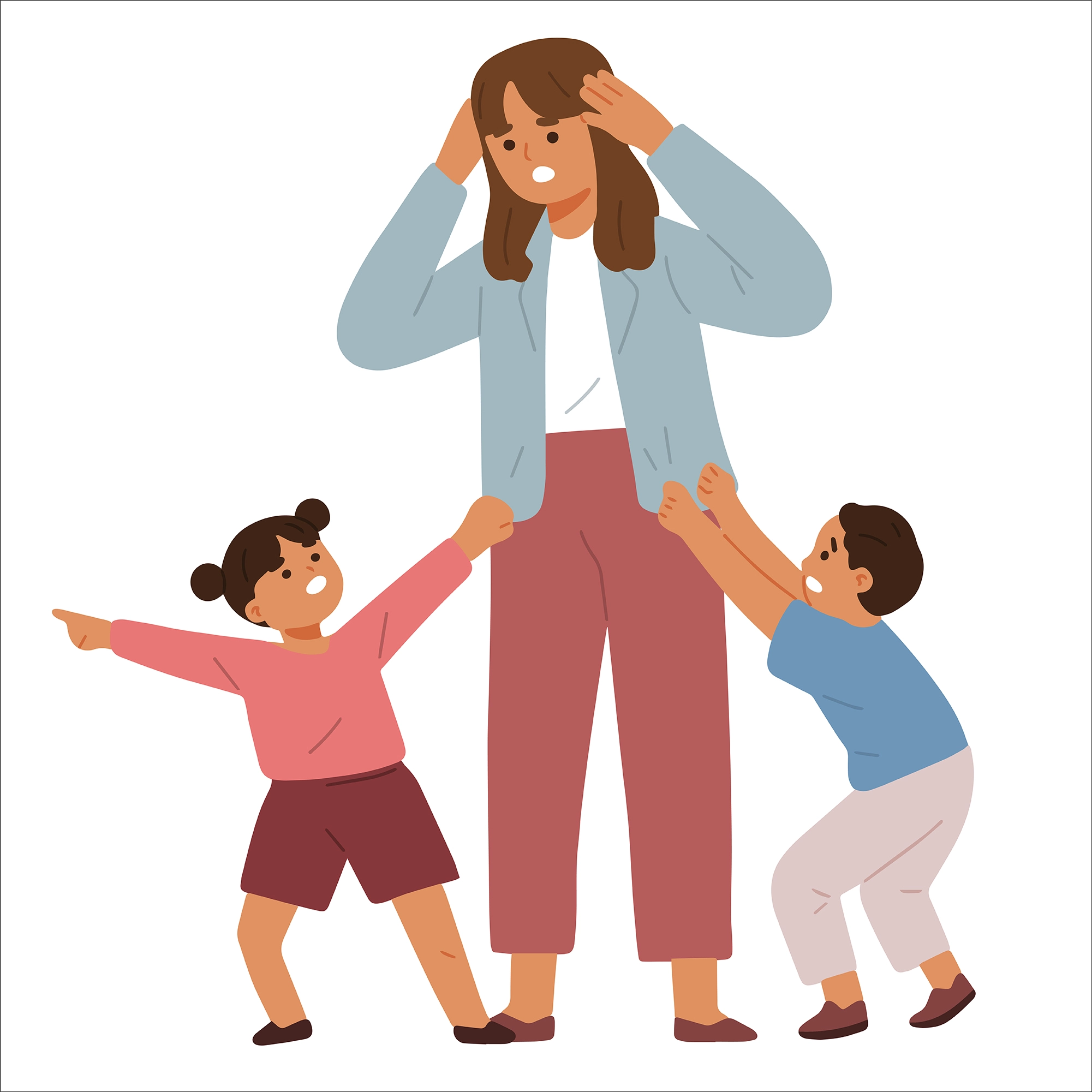
Toddler tantrums are usually triggered by emotional or physical discomfort. Young children may react strongly when feeling overwhelmed or frustrated. Different situations may increase emotional stress very quickly during toddler years.
Tantrums are not always caused by bad behavior. In many cases, emotional reactions are triggered by everyday situations. Understanding common triggers may help parents manage tantrums more effectively.
🍎 Hunger and Tiredness
Basic needs strongly affect toddler behavior daily. Emotional balance may be disturbed when children feel hungry or tired.
The following reactions may be noticed:
- Increased crying.
- Irritability.
- Aggressive behavior.
- Difficulty calming down.
- Refusing instructions.
Young children may struggle controlling emotions when basic needs remain unmet. Tantrums are therefore more likely during these moments.
Regular meals and proper sleep are usually recommended for emotional stability.
🧸 Frustration During Activities
Toddlers often want independence while learning new skills. Frustration may happen when activities feel difficult or impossible.
Tantrums may be triggered by:
- Difficulty using toys.
- Trouble dressing independently.
- Inability completing tasks.
- Not getting desired objects.
- Difficulty solving simple problems.
Because emotional control is still developing, frustration may quickly lead to emotional outbursts.
Small challenges may feel extremely upsetting for young children. Calm support usually helps reduce frustration gradually.
🗣️ Communication Difficulties
Communication skills are still being developed during toddler years. Feelings and needs cannot always be explained clearly.
Children may struggle expressing:
- Hunger.
- Fear.
- Sadness.
- Anger.
- Pain.
- Discomfort.
Because emotions cannot be communicated properly, crying or screaming may be used instead. Emotional frustration may therefore increase quickly.
Better language skills often reduce tantrums gradually over time.
📱 Overstimulation
Busy surroundings may overwhelm toddlers very easily. Emotional stress may increase through too much activity, noise, or excitement.
Overstimulation may be caused by:
- Loud sounds.
- Bright lights.
- Crowded places.
- Long screen time.
- Busy schedules.
When children feel overwhelmed, emotional reactions may become stronger. Quiet environments are often preferred during stressful moments.
🚫 Difficulty Accepting Limits
Strong reactions may happen when toddlers hear “no.” Rules and boundaries are still being understood during early childhood.
Children are learning:
- Patience.
- Waiting calmly.
- Accepting disappointment.
- Following instructions.
Because these skills are still developing, tantrums may happen during boundary-setting situations.
🔄 Changes in Daily Routine
Predictable routines are usually preferred by toddlers. Sudden schedule changes may create emotional stress quickly.
Common routine changes include:
- Skipping naps.
- Delayed meals.
- Traveling.
- New environments.
- Meeting unfamiliar people.
Consistent routines often help children feel emotionally safer.
❤️ Why Identifying Triggers Helps
Tantrums may become easier to manage when triggers are identified early. Emotional stress may also be reduced through preparation and prevention.
Healthier emotional habits are usually supported through:
- Calm communication.
- Proper routines.
- Patience.
- Emotional understanding.
- Gentle parenting.
Over time, children gradually learn healthier emotional responses and better emotional control.

Get Certified & Start Your Montessori Career
Montessori Teacher Training Course by Entri App: Gain expert skills, earn certification, and kickstart your teaching career.
Join Now!Frequently Asked Questions
Why do toddlers throw tantrums so often?
Toddler tantrums usually happen because emotional control is still developing during early childhood. Strong emotions like frustration, hunger, tiredness, or disappointment may become difficult for young children to manage properly.
Is it normal for toddlers to have tantrums daily?
Yes, frequent tantrums are often considered normal during toddler years because communication and self-control skills are still being learned. However, extremely aggressive or very long tantrums may require professional guidance sometimes.
Should parents ignore toddler tantrums completely?
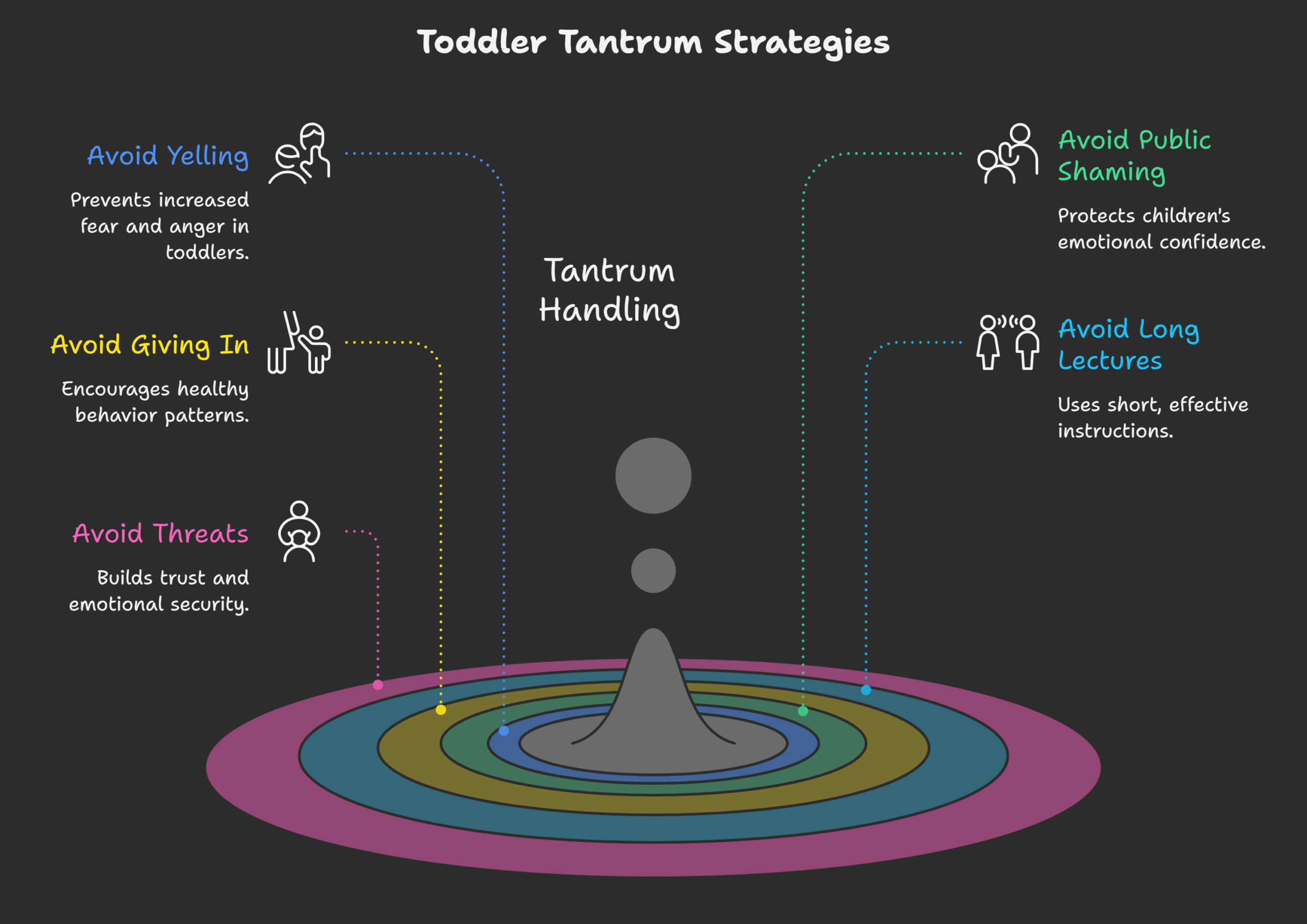
Not all tantrums should be ignored completely because toddlers still need emotional support and guidance. Calm responses and emotional understanding usually work better than punishment or shouting.
Why should yelling be avoided during tantrums?
Fear and stress may increase when yelling is used during emotional moments. Calm communication usually helps toddlers feel safer and teaches healthier emotional behavior gradually.
How can tantrums be prevented before they start?
Many tantrums may be reduced through proper sleep, regular meals, predictable routines, and calm environments. Emotional triggers like overstimulation and frustration should also be identified early whenever possible.
What should parents do during public tantrums?
Parents should remain calm and avoid public shaming during tantrums. Moving children to quieter spaces and using gentle communication usually helps emotional situations improve faster.
Do routines really help reduce tantrums?
Yes, predictable routines often help toddlers feel emotionally secure and less stressed daily. Regular sleep schedules, meal times, and play routines may improve emotional stability greatly.
How should parents respond when toddlers refuse instructions?
Short and calm instructions are usually more effective than long lectures during emotional moments. Consistent boundaries and patient communication also help toddlers understand expectations gradually.
Can screen time increase toddler tantrums?
Excessive screen time may sometimes increase overstimulation and emotional frustration in young children. Balanced activities and regular breaks are usually recommended for healthier emotional behavior.
When should professional help be considered for tantrums?
Professional guidance may be helpful if tantrums become extremely aggressive, happen very frequently, or continue beyond expected developmental stages. Concerns about speech delays, emotional difficulties, or behavioral issues should also be discussed with professionals.