Table of Contents
Introduction
The construction industry is changing at a breakneck pace. Projects are getting more complicated and time is flying by . Clients are demanding more quality – and all this at a lower cost. Amid all this, two game-changing approaches are revolutionizing the way we build and deliver buildings and infrastructure: Lean Construction and BIM (Building Information Modelling).Lots of professionals think they’re in direct competition with each other. But in reality they address different challenges altogether. When you put them together, they create a super-efficient and data-driven construction machine.
This guide is here to explain the difference between Lean Construction and BIM, what makes them tick, their benefits, and how they’re being put into action in the real world. We’ll also take a closer look at just how Indian construction professionals can use both to get ahead of the competition.
Get Career Oriented BIM Certification Course with Expert Mentors! Get Free Demo Here!
What is Lean Construction?
Lean Construction is basically construction taking a leaf out of Lean manufacturing’s book – specifically Toyota’s – and applying its principles to the world of building. In simple terms, the ultimate goal is this:
Maximise value and put a lid on waste. Rather than just looking at the tasks, Lean looks at workflows, collaboration, and ongoing improvement.
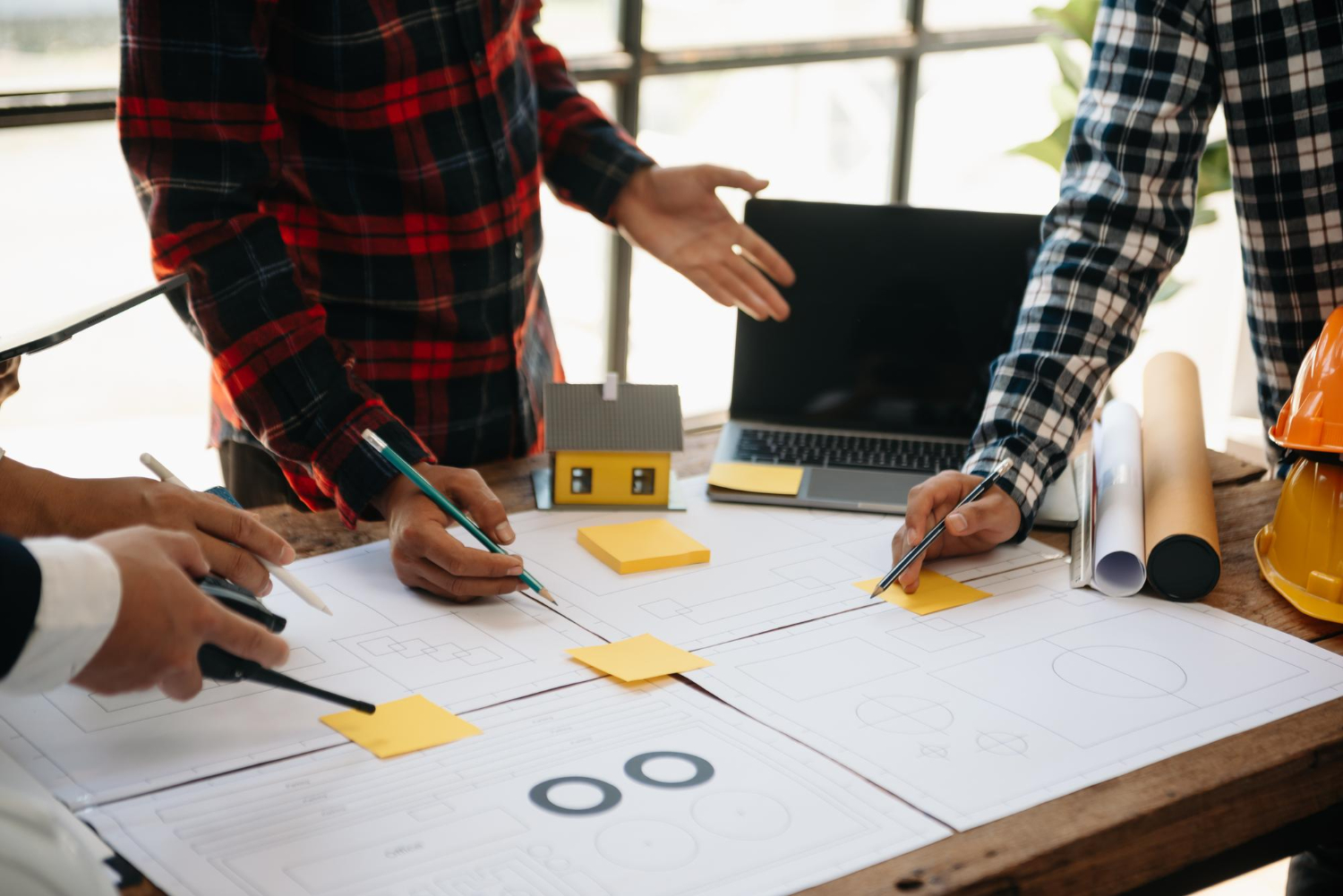
Core Principles of Lean Construction
- Stop doing any activities that don’t add value
- Work on streamlining your workflow and reducing snags
- Get materials delivered just in time
- Keep making improvements (Kaizen’s the name of this game)
- Respect your people and build a team that works well together
- Do ‘pull’ planning – not the push method
One of the most widely used Lean tools is the Last Planner System – or LPS for short. This is what lets you create:
- Reliable weekly plans
- Better coordination with trades
- Less time waiting and less rework
Goals of Lean Construction
- Get costs right and prevent overruns
- Predict your schedule and make it more reliable
- Minimise rework and defects on site
- Get your team working more productively
- Make sure everyone’s talking on the same page
Lean is all about people – it looks at the people, the processes, and the culture.
Master BIM and Elevate Your Career – Enroll Today!
Stay ahead in the construction and design industry with our comprehensive BIM Course! Learn Building Information Modeling (BIM) from experts, gain hands-on experience with top software, and boost your career prospects. Join now and become a certified BIM professional!
Know MoreWhat is BIM (Building Information Modelling)?
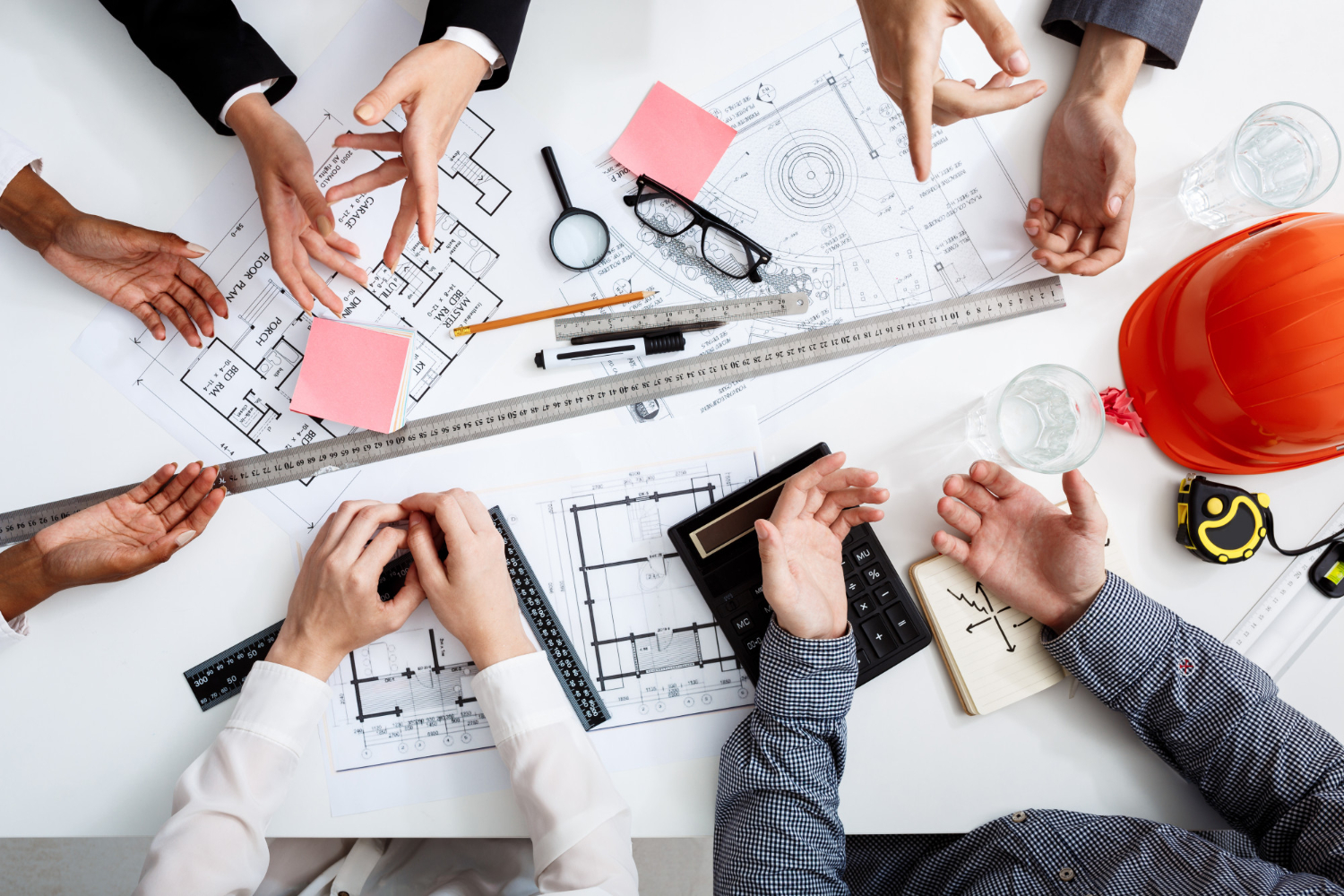
BIM is essentially a digital representation of a building – its physical and functional bits. Unlike the old days of just using 2D CAD drawings, BIM creates intelligent 3D models with loads of extra info embedded:
- Geometry and structure
- Materials and quantities
- Time (4D) and cost (5D) stuff too
- Data on the lifetime of the building
Key Capabilities of BIM
- 3D visualization
- Clash detection (MEP vs structure vs architecture)
- Quantity take-offs
- 4D construction sequencing
- 5D cost estimation
- Facility management integration
Popular BIM tools include:
- Revit
- Navisworks
- Tekla
- ArchiCAD
BIM is data-centric – it focuses on information, simulation, and digital coordination.
Lean Construction vs BIM – Core Differences
| Aspect | Lean Construction | BIM |
| Core Focus | Process optimization | Digital modelling and data |
| Nature | Philosophy / methodology | Technology / software ecosystem |
| Primary Goal | Waste reduction & workflow efficiency | Design coordination & information management |
| Scope | Entire project lifecycle, people-driven | Design, construction, and operations data |
| Output | Better planning & collaboration | 3D models, simulations, asset data |
| Waste Reduction | Waiting, overproduction, defects | Clash detection, prefabrication planning |
| Implementation | Cultural change & training | Software adoption & standards |
In simple terms: Lean improves the process, BIM improves the information. They are complementary, not competing.
Advantages of Lean Construction
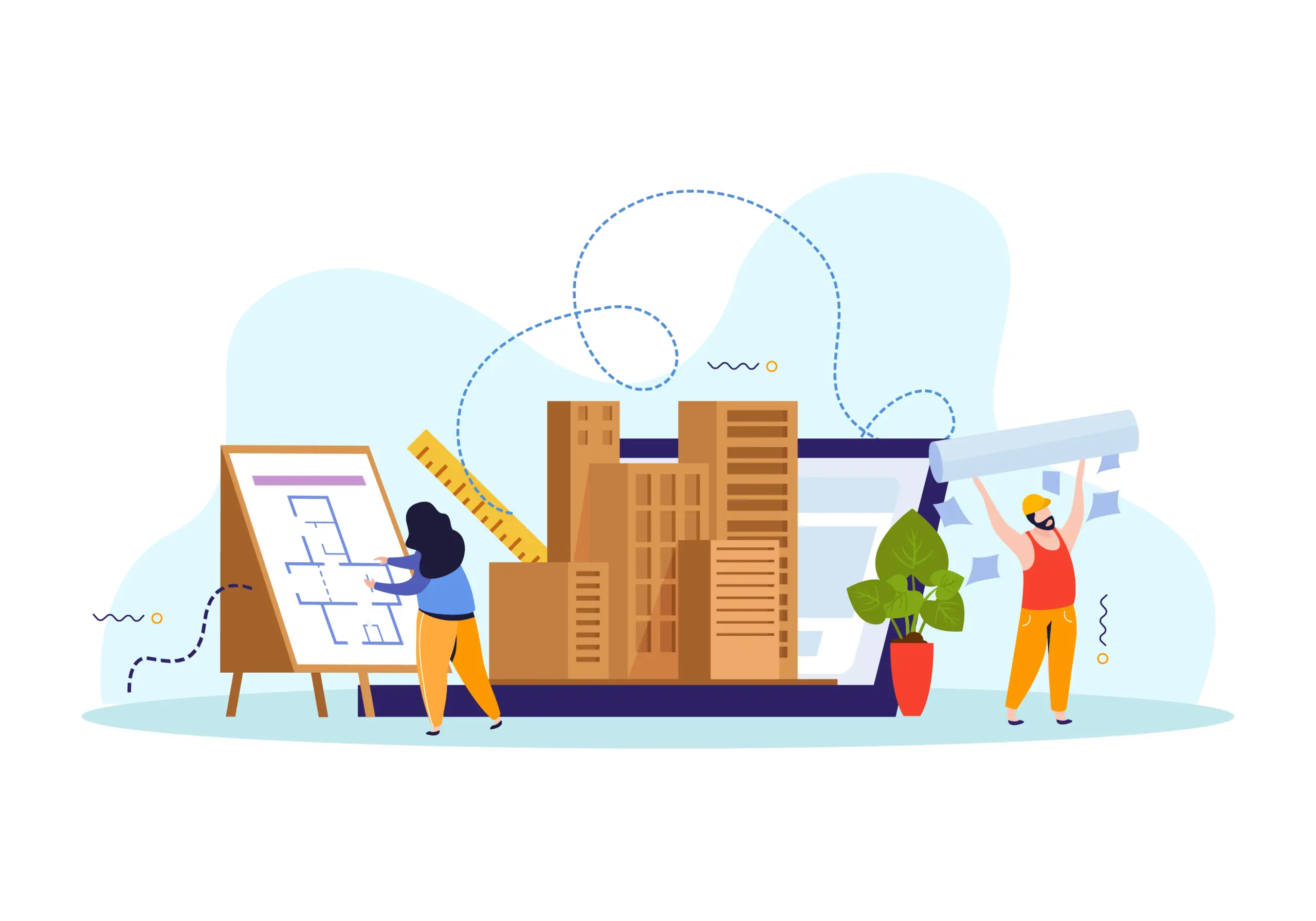
Lean delivers measurable improvements in productivity and cost.
Key Benefits
- Reduces material waste and excess inventory
- Improves schedule reliability
- Enhances team collaboration
- Minimizes rework and site congestion
- Improves safety through better planning
Proven Results
Studies and Indian project implementations show:
- 10% to 20% cost savings
- Improved labour productivity
- Reduced project delays
Lean is especially useful for:
- Repetitive construction workflows
- Infrastructure projects
- Large multi-trade sites
Master BIM and Elevate Your Career – Enroll Today!
Stay ahead in the construction and design industry with our comprehensive BIM Course! Learn Building Information Modeling (BIM) from experts, gain hands-on experience with top software, and boost your career prospects. Join now and become a certified BIM professional!
Know MoreAdvantages of BIM
BIM transforms how projects are visualized, coordinated, and managed.
Key Benefits
- 3D visualization improves client understanding
- Clash detection reduces errors by 30% to 40%
- Accurate quantity take-offs
- Better MEP coordination
- Supports prefabrication and modular construction
- Lifecycle data for facility management
BIM is essential for:
- High-rise buildings
- Hospitals
- Airports
- Metro rail projects
- Smart buildings
How Lean and BIM Work Together (LeanBIM)
When combined, Lean and BIM create a powerful framework called LeanBIM. BIM provides data and visualization. Lean provides process and workflow optimization
Integration Examples
| Function | Lean Contribution | BIM Contribution |
| Scheduling | Last Planner System | 4D simulation |
| Waste detection | Value stream mapping | Clash detection reports |
| Collaboration | Daily huddles | Cloud-based model sharing |
| Material planning | Just-in-time delivery | Quantity take-offs |
Practical Example
Using BIM models in pull planning sessions allows teams to:
- Visually understand sequencing
- Identify constraints early
- Reduce rework
- Improve trade coordination
This leads to faster and more predictable project delivery.
Real-World Case Studies

Indian Infrastructure Projects
Metro rail and large commercial projects in India use:
- BIM for design coordination
- Lean for on-site workflow efficiency
Results include:
- Reduced rework
- Faster installation cycles
- Improved cost control
Global Example – UK Hospital Project
A hospital project in the UK used LeanBIM to achieve:
- 15% time savings
- Significant reduction in clashes
- Improved team communication
Challenges and Solutions
| Challenge | Lean Construction Issues | BIM Issues | Practical Solution |
| Resistance to change | Teams may resist new planning methods and collaborative workflows | Hesitation to move from 2D CAD to BIM-based processes | Conduct structured training, pilot projects, and leadership-driven adoption |
| Initial cost & effort | Requires time investment for cultural transformation and process alignment | High software cost, hardware upgrades, and licensing | Start with phased implementation and ROI-focused use cases |
| Skill gaps | Limited availability of Lean practitioners in construction | Shortage of trained BIM modelers and coordinators | Upskilling through certification programs and hands-on workshops |
| Integration challenges | Aligning multiple trades with pull planning can be difficult initially | Interoperability issues between different BIM tools | Use open standards like IFC and adopt common data environments (CDE) |
| Process standardization | Lack of standardized Lean workflows across projects | Inconsistent BIM execution plans (BEP) | Develop SOPs, BEPs, and project-specific guidelines |
| Management buy-in | Lean requires top-down cultural support | BIM requires investment approval from stakeholders | Demonstrate quick wins through pilot implementations |
| Collaboration barriers | Traditional siloed work culture | Poor model-sharing practices between disciplines | Daily coordination meetings and cloud-based model sharing |
Which One Should You Learn?
For students and professionals in Kerala and India:
- Lean skills improve site management and planning roles
- BIM skills open design, coordination, and QS opportunities
- Learning both makes you future-ready
If your goal is:
- Site execution → Lean
- Design & coordination → BIM
- Project management → Lean + BIM
Get Career Oriented BIM Certification Course with Expert Mentors! Get Free Demo Here!
Key Takeaways
- Lean Construction: it’s all about cutting down on the non-essentials and making the most of the work flow
- BIM: this is the digital stuff that lets you build 3D models and integrate all the data in one go
- The reality is on one hand Lean helps your team be more efficient, while BIM is about getting the right tools for your team
- When you put the two together – that’s LeanBIM – you can expect to save on cost, time, quality and just generally get more done with less hassle
- We’re starting to see more and more of this in Indian infrastructure projects
- Being familiar with BIM and Lean is a major plus in the job market – it will set you up for success
Conclusion
Lean Construction and BIM are not about competing with one another – they are meant to work hand in hand. Lean focuses on making the processes run smoothly and eliminating any unnecessary tasks. BIM on the other hand is about building an intelligent digital model and making data driven decisions.
When you pair the two – as you would expect – you get:
- Projects that are completed faster
- Lower operating costs
- A much higher quality finish
- Everyone working in perfect sync
Now with India’s construction sector getting in on the digital act, it could pay to have a handle on Lean + BIM. The people who do will definitely be ahead of the curve in the job market.
|
RELATED POSTS |
|
Master BIM and Elevate Your Career – Enroll Today!
Stay ahead in the construction and design industry with our comprehensive BIM Course! Learn Building Information Modeling (BIM) from experts, gain hands-on experience with top software, and boost your career prospects. Join now and become a certified BIM professional!
Know MoreFrequently Asked Questions
Is BIM Replacing Lean Construction?
Not quite – BIM is a tech tool, while Lean is all about workflow. They work best together.
What is LeanBIM?
Leaning on Lean processes and integrating BIM data & models gives you a project efficiency boost.
Which one offers the best career prospects: Lean or BIM?
BIM might be in higher demand right now, but combining knowledge of both really puts you ahead of the game.
Can small outfits in Kerala like ours make use of LeanBIM?
Definitely. Start simple with some Lean planning principles and take a look at some free BIM tools like BlenderBIM.
Do you need software to use Lean?
No – Lean is really about looking at how you work, not what tools you use. It’s all about your processes and how you plan.
Can BIM save us some money on construction costs?
Absolutely – it helps cut down on clashes & rework, which in turn helps keep the project costs under control.
What is the Last Planner System?
It’s a Lean scheduling method designed to make things more reliable & get teams working in sync.
Can Lean improve site safety?
Yes – if you plan better, you tend to have less of a mess on site and fewer bad habits creeping in.
Which industries are really getting into LeanBIM?
Infrastructure, hospitals, airports, office buildings, and factories.
How do I get started with Lean and BIM?
Start with some basic BIM software training then learn some Lean fundamentals like pull planning and LPS – that way you’ll have a solid foundation to work from.