Table of Contents
Plank Pose is primarily meant to strengthen the core by stabilizing the spine. It tones the entire body once the correct alignment is maintained. This is a foundational posture that engages multiple yoga poses at the same time. It, in turn, improves the posture, endurance and overall balance. Research states that practising Plank Pose consistently can improve your core endurance by about 30% within a period of four weeks.
Plank Pose can thus be considered one of the most effective bodyweight exercises aimed at improving the overall strength. It activates deep core muscles, legs, shoulders and glutes through the holding position. Not requiring any equipment makes it a go-to option in yoga training, other fitness programmes and also in physiotherapy. This exercise not only builds strength but also reduces risk of having back pain as well as improves body alignment altogether. The only important condition is to perform it correctly.
Want to step up? Join our Yoga Instructor Course Online!
Key Takeaways
- Plank Pose is a real core kicker – it gets the whole body working together to build strength and stability.
- Getting your alignment just right is super important for both safety and getting the most out of it – so shoulders over wrists, a neutral spine and core that’s fully engaged.
- The more you practice the better the results. This in turn improves your core endurance, spine stability and even your posture.
- If you’re new to plank, start with some modified versions and work your way up to longer holds, you’ll be a pro in no time.
- Regular practice will see you build strength, balance and overall control over your body.
Why Master Plank Pose: Top Benefits
1: What is a stock?
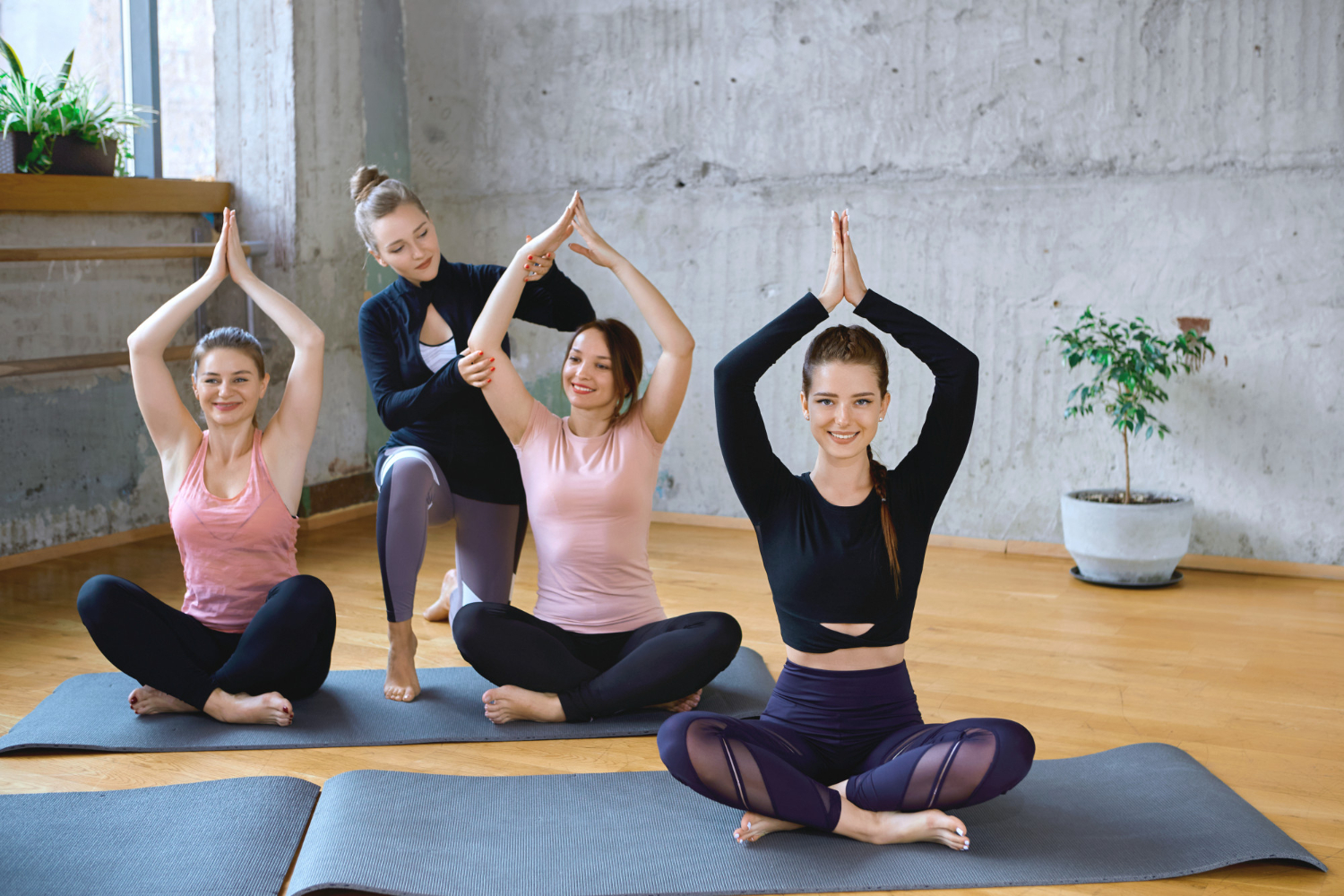
When it comes to building strength and stability, Plank Pose (Phalakasana) is one of the most efficient yoga poses to pick. It works through the entire body with an isometric contraction keeping the muscles engaged without any movement. Research shows that plank variations activate the rectus abdominis (where sixpacks appear) more effectively than doing crunches.
Practising this pose regularly helps in counteracting the negative effects of sedentary lifestyles and prolonged sitting. In short, it tends to poor posture and weak core muscles and helps fix or prevent them.
| Benefit | Description |
| Core Strength | Activates deep abdominal muscles for core stability. |
| Posture Improvement | Aligns shoulders, spine, and hips to prevent slouching. |
| Arm & Shoulder Stability | Strengthens deltoids, triceps, and shoulder stabilizers. |
| Back Pain Relief | Strengthens supporting muscles around the spine. |
| Mental Focus | Encourages mindful breathing and concentration. |
Plank Pose can be considered an essential part of yoga practice, other functional fitness routines and also rehabilitation as it combines strength, balance and endurance.
Step-by-Step Guide: Correct Alignment in Plank Pose
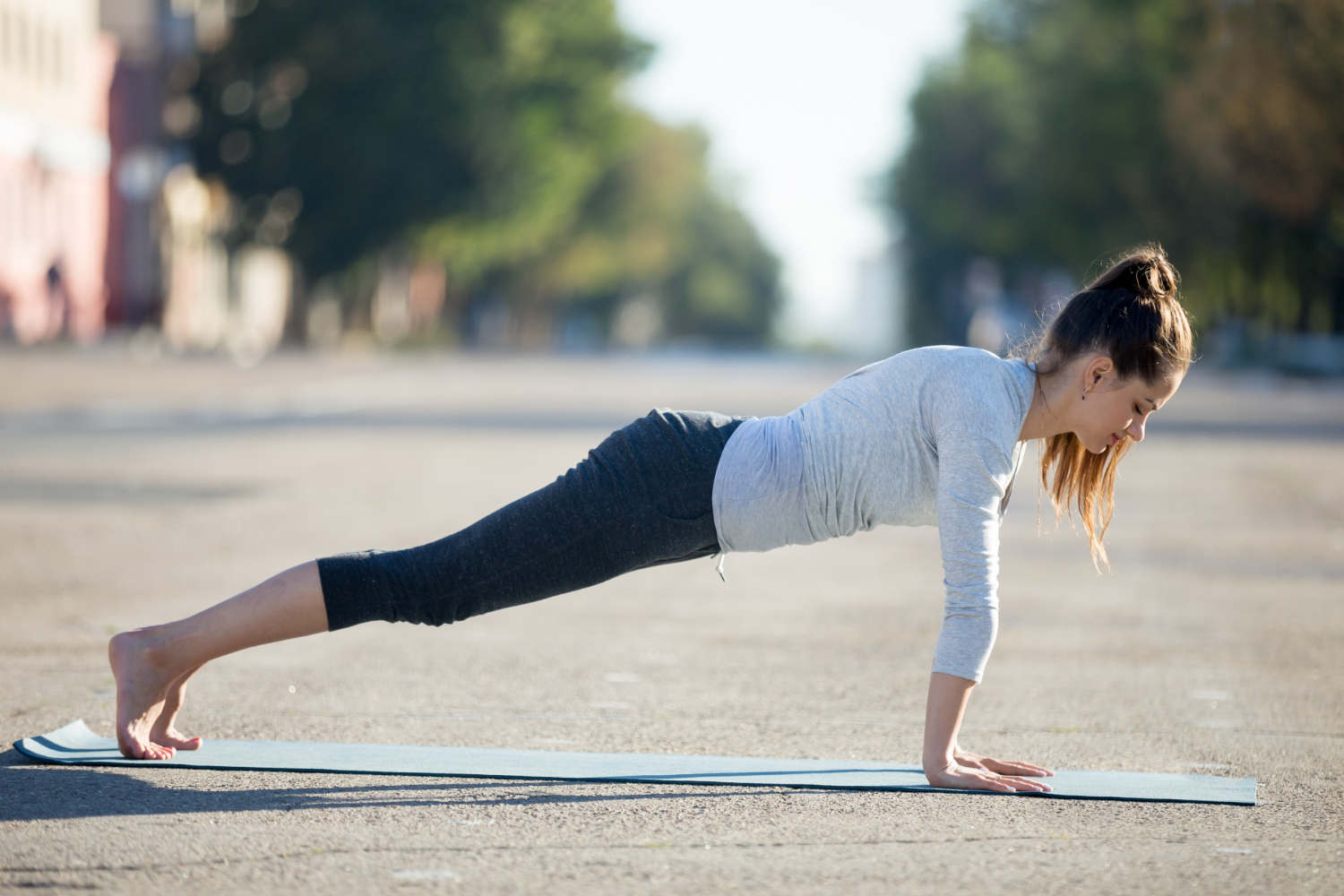
Plank Pose works in engaging maximum muscles along your body and protecting the spine as well as the joints. So, from the initial days itself, ensure that you are maintaining a correct alignment pose throughout the practice session. It is important that you maintain a straight line from the head to the heels. This distributes body weight evenly and prevents strain. As per biomechanical analyses of yoga poses, proper alignment can reduce injury risk by 50%.Here are the steps to follow for a safe and effective practise:
1. Start in Tabletop Position
Begin by placing your hands directly under your shoulders and with your knees under the hips. In order to spread your weight evenly, spread your fingers.
2. Extend into Plank
Stretch your feet and step them back one at a time until your legs are straight. Your body now forms a straight line from head to heels.
3. Engage Key Muscle Groups
- Tighten the core muscles by drawing the navel toward the spine.
- Squeeze the glutes and thighs.
- Press through the heels to activate the legs.
4. Align the Upper Body
- Shoulders stacked directly above wrists
- Shoulder blades slightly broadened
- Neck neutral with gaze slightly forward or downward
5. Hold and Breathe
Maintain the pose for 20 to 60 seconds while breathing steadily and deeply.
Alignment Checkpoints
| Alignment Area | Correct Position | Common Error | Quick Fix |
| Spine | Straight line from head to heels | Sagging hips | Engage abs and lift hips slightly |
| Shoulders | Stacked over wrists | Shrugged shoulders | Press the floor away |
| Core | Tight and engaged | Belly dropping | Draw navel inward |
| Legs | Heels pushing back | Hips piking upward | Press heels toward the back |
Pro Tip: Recording yourself or practicing in front of a mirror can help identify alignment mistakes.
Common Mistakes in Plank Pose
Incorrect postures can cause more damage than bring any positive impact to your body. To gain the full benefit of the exercise, you need to prioritise alignment. Studies in this arena reveal that nearly 70% of beginners initially misalign their hips or shoulders during the pose.
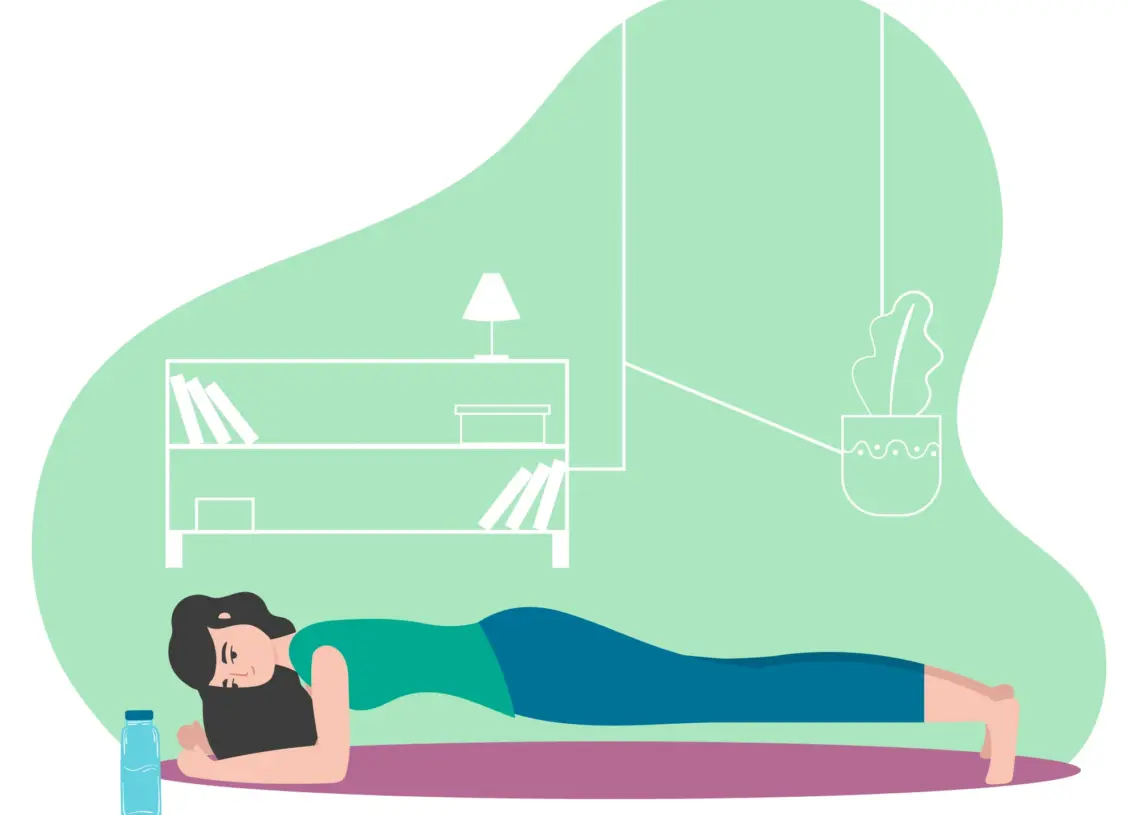
Here are the most common mistakes and ways to fix them:
1. Sagging Hips
When the hips drop, it places excessive strain on the lower back.
Fix: Engage the core and slightly tuck the pelvis.
2. Raised Hips
Lifting the hips too high reduces core activation.
Fix: Align your body so it forms a straight line.
3. Locked Elbows
Overextending the elbows increases joint stress.
Fix: Maintain a micro-bend and press evenly through palms.
4. Dropping the Head
Looking straight down without neck engagement strains the cervical spine.
Fix: Keep the neck neutral with a gaze slightly forward.
5. Holding the Breath
Breath restriction reduces endurance.
Fix: Maintain slow and controlled breathing.
Plank Pose Variations for All Levels
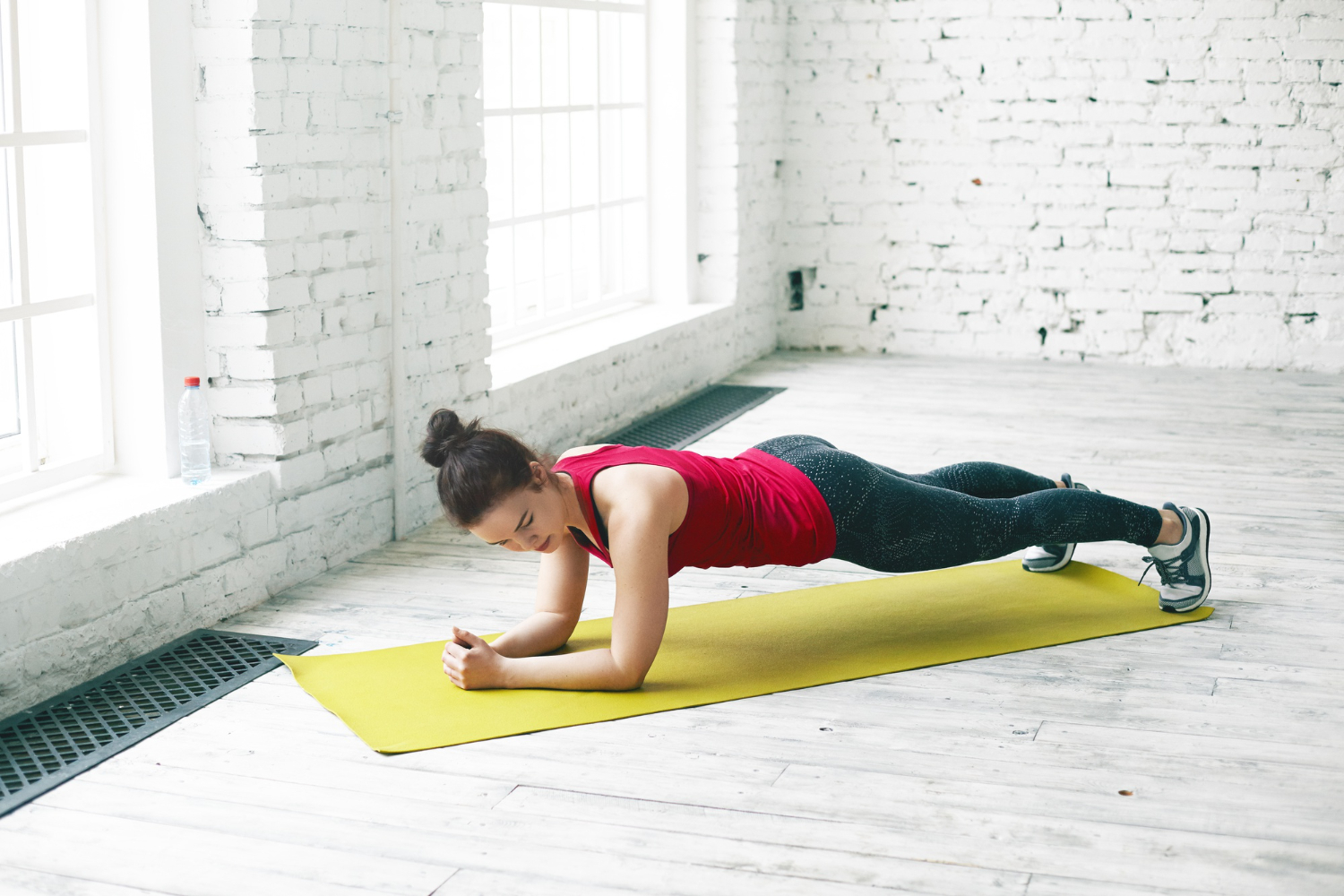
Plank Pose can be modified or intensified to suit different fitness levels. Variations allow practitioners to gradually increase strength and challenge different muscle groups. A 2024 study found that plank variations can increase muscle activation by 20 to 40%.
| Variation | Level | Key Benefit | Recommended Hold |
| Knee Plank | Beginner | Builds core strength with reduced pressure | 15 to 30 seconds |
| Forearm Plank | Intermediate | Reduces wrist strain while intensifying core work | 30 to 45 seconds |
| Side Plank | Advanced | Targets oblique muscles and balance | 20 seconds each side |
| Plank with Leg Lift | Advanced | Strengthens glutes and hamstrings | 10 lifts per side |
Stock Market Training Reviewed & Monitored by SEBI Registered Investment Advisor
Trusted, concepts to help you grow with confidence. Enroll now and learn to start investing the right way.
Know moreHow Long Should You Hold Plank Pose?
The ideal plank duration depends on your fitness level and training goals. Beginners should start with short holds and gradually increase the duration as strength improves.
| Level | Recommended Hold Time | Sets |
| Beginner | 15 to 20 seconds | 2 to 3 |
| Intermediate | 30 to 45 seconds | 3 |
| Advanced | 60 seconds or more | 3 to 4 |
Fitness experts often recommend multiple short sets rather than one extremely long hold to maintain proper alignment.
Want to step up? Join our Yoga Instructor Course Online!
Conclusion
You now know that Plank Pose is one of those super simple yet amazingly effective yoga poses that really gets your core working hard, but did you know it’s also brilliant for your posture and overall body strength. The best bit is it only takes a few minutes a day and no fancy equipment either – just you and your body working together. When you get used to consistent practice, you’ll start to see the benefits and really feel the difference – your back will thank you and so will your body.
Since you are here, you want to take your yoga practice to the next level and really make progress without getting bogged down in all the details. Well, then, getting some expert guidance from a certified instructor is a great way to go. They will be teaching you the ins and outs of getting the alignment right and introduce you to all sorts of modifications and variations. All these will help you get the most out of your practice without doing yourself any damage.
|
RELATED POSTS |
|
|
Naukasana (Boat Pose): Boost Core Strength from a Prone Position |
|
Stock Market Training Reviewed & Monitored by SEBI Registered Investment Advisor
Trusted, concepts to help you grow with confidence. Enroll now and learn to start investing the right way.
Know moreFrequently Asked Questions
What muscles does Plank Pose work?
Plank Pose is first and foremost a core muscle exercise, and it’s the core muscles it really focuses on – the rectus abdominis, the transverse abdominis and the obliques. But that’s not all – it also gets your shoulders, your arms, your glutes and your legs jumping in to help out.
How long should I hold a Plank Pose?
Beginners should start with 20 seconds and see how that feels – then gradually work their way up to 60 seconds or more as they get into the habit of doing planks.
Can Plank Pose really help reduce belly fat?
Now, here’s the thing – planks do strengthen the core muscles, which is great – but the truth is that fat loss comes about from a combination of exercise, getting your calorie balance right, and making sure you’re getting enough cardiovascular activity.
Do I have to keep my arms straight in Plank Pose?
In the normal high plank position the arms do stay straight – with your shoulders stacked directly over your wrists.
What's the difference between Forearm Plank and High Plank?
Forearm plank is the one you do on your elbows – that way you can avoid putting too much strain on your wrists. In a high plank by contrast you stick with straight arms and keep your wrists happy.
How many sets of Plank should I do each day?
Trainers usually say to go for 2 to 4 sets per session – although it really does depend on how fit you are.
Why does Plank Pose feel so bloody hard?
Well, the reason it feels so tough is that it’s a real thorough workout for your muscles – especially those deep core muscles that you never even knew you had.
Is Plank better than crunches?
Plenty of studies say that planks are better than crunches – planks get your core muscles working more and put a lot less strain on your spine than crunches do.
Can I do Plank Pose every single day?
Yes – provided you keep your form right and give yourself enough time to recover you can do planks every day without any problem.
What do I need to focus on while I'm holding a Plank Pose?
Focus on getting your core to engage properly – and also keep an eye on your breathing and try to keep your body in a straight line.