Table of Contents
Introduction
To be honest, pressure is just a fact of modern life these days. We’re talking about tight deadlines always looming, exam season looming large, notifications coming in all day long, money worries eating away at you and whatever family responsibilities you have all vying for your attention. And it’s no wonder after a while you can start to feel like you’re running on a never ending hamster wheel – wired but exhausted, completely distracted and emotionally drained.

Left unchecked, chronic stress can see your cortisol levels skyrocketing which can leave you feeling like you’re running on empty – fatigued, anxious and just laid low with a weakened immune system. Learning the right techniques to manage all that stress can be the difference between just surviving and truly thriving.The good news is with the right techniques, it is possible to train yourself and your body to stay calm and clear-headed – even in the midst of all the chaos. What this blog is going to cover is:
- Exactly what stress does to our bodies and brains
- How to identify what specifically causes stress for you
- Evidence based techniques that actually work to manage stress
- Everyday choices we make that can either make us more resilient or less
- Even specific strategies for staying calm and composed when things get really intense
Backed by experts these methods can literally turn pressure into productivity.
Begin your Personality Transformation with our Online Course. Join Now!
Understanding Stress and Its Impact
Your body feels stress when it is under pressure or when dealing with tough situations. This could be a big meeting coming up, an exam looming or just an argument. When your brain senses that you are under threat, it lets out some hormones like cortisol, epinephrine, and norepinephrine to gear you up for action.
These chemicals then set off a chain of physical changes that help you react in an instant. They make your heart beat a bit faster and your breathing go quicker, your blood pressure goes up, your muscles get tight & you become more alert and lose your desire to take a nap.
But in short sharp bursts this response to stress is pretty useful. It helps you react quickly and think on your feet and handle the immediate problem at hand. However, the problem is when stress becomes a long-term thing. When your body stays in this ‘fight or flight’ mode for weeks on end, it starts to get in the way of everything.
If you’re under stress for weeks or months, you will be facing problems like disrupted sleep and appetite, and thereby a weakened immune system and an increased risk of things like high blood pressure, heart disease, and stroke, all because of the stress.
On the mental and emotional side of things, chronic stress can show up as irritability, mood swings, trouble concentrating, and an inability to remember things. You might end up feeling utterly overwhelmed, restless & on edge all the time. Knowing that these are just your body’s natural response and have nothing to do with you failing as a person is the first step towards actually doing something to manage them.
Boost Your Skills & Kickstart Your Career!
Employability and Personality Development Course by Entri App: Enhance your communication, confidence, and job-ready skills to excel in your career.
Join Now!Identifying the Sources of Stress
Before you can even start managing stress, first you have to actually understand what it is. Sources of stress are pretty well known, but still worth mentioning:
Work or academic pressure
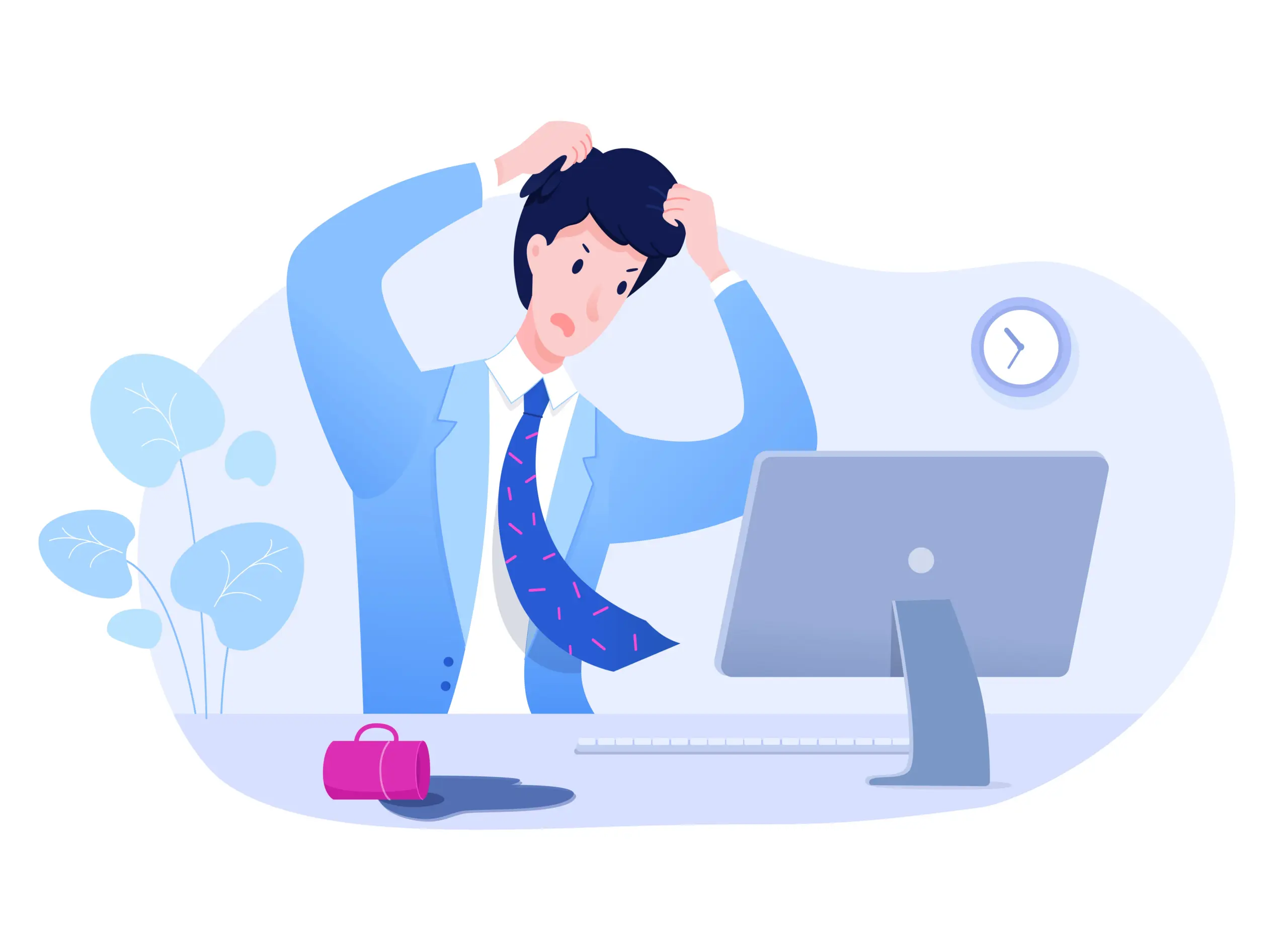
This is a big one – overloaded work, some boss breathing down your neck (or a looming deadline) – or the uncertainty of having a job (or sitting exams).
Financial worries
In this case, debt can be crippling, the same with rising expenses or having no idea when the next pay check is coming.
Relationships
This denotes the usual suspects, like family or partner dramas, and even colleagues who just can’t get along.
Your Health
This applies not just if you’re ill yourself but also if you’re stuck looking after someone who is unwell.
Major life changes
This includes moving to a new place, having a relationship breakdown, or losing someone close – plus that big career change can be a bit of a shock tooBut there are also loads of less obvious stress triggers lying around just waiting to trip you up:
- Being constantly bombarded with notifications or drowning in digital stuff
- Hanging around in traffic or on a gloomy daily commute
- That obsessive perfectionism, plus the comparisons we all make with others
- And then there’s the problem of never saying “No”
One very useful tool is a stress journal. Now you don’t have to do it long term or anything, just start out by keeping one for a week or two. A simple entry would include:
- What happened
- How you actually felt – you know, physically and all that emotional business
- And how you reacted to it all
As you start to see the patterns emerge – like who winds you up or what times of day you always feel anxious – it is going to become easier to make some changes and prepare yourself for the things that are just out of your control.
Effective Stress Management Techniques
Once triggers become clearer you can start responding instead of simply reacting to life – and these 6 evidence-based techniques are just the place to start.
1. Deep Breathing – Diaphragmatic Breathing
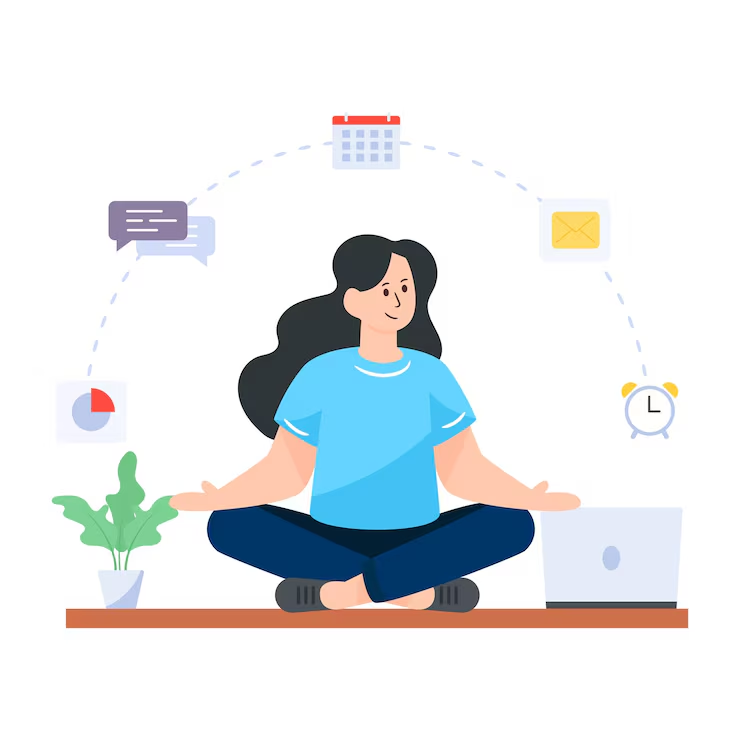
Deep, slow breathing is like sending your brain a secret message – it says “Hey, this situation is under control”. And that helps switch off the stress response easily. Here’s how you can do it in simple steps:
- Inhale slowly through your nose for a count of 4 – aim for the belly to puff out like a balloon.
- Hold it for a count of 4, don’t rush this bit.
- Exhale slowly for a count of 6 to 8 – just let go.
- Repeat that for 1 to 3 minutes and watch your heart rate, anxiety and muscle tension all drop.
Breathing like this has the research to back it up – it lowers heart rate, eases anxiety and relaxes your muscles. Even better, it’s so discreet you can do it in meetings, exam halls or stuck in traffic.
2. Progressive Muscle Relaxation (PMR)
PMR is all about tensing then releasing different muscle groups one at a time – it’s actually quite a neat trick. Start with those feet of yours: tense for 5 to 7 seconds, then release for 10 to 15 seconds. Move on up the body to your calves, thighs, abs, shoulders, arms and even your face. Studies show PMS (yes, that’s what we’ll call it from now on) reduces anxiety and physical tension – with benefits that can last weeks after you start doing it regularly.
3. Mindfulness & Meditation
Mindfulness is about focusing on the here and now – the thoughts, feelings and surroundings. It’s not about judging anything – just being present. So how do you get started?
- Spend 5 minutes focusing on your breath – and gently bring your attention back when your mind starts to wander off.
- Try a quick body scan, noticing what’s going on from head to toe.
- Eat a whole meal without looking at your phone or watching TV on the telly.
Mindfulness has been found to be just as good as medication for some people – it helps with focus and emotional control too. And as you practice this stuff, it starts to break that cycle of overthinking and what-if worries.
4. Challenging Own Thoughts & Self-Talk
The thing is, the situation often isn’t as bad as our mind tells us it is. Some of the unhelpful thoughts we get stuck with are things like:
- “If I mess this up my life is over”
- “Everyone will think I’m a failure”
But there are ways to rephrase those thoughts to make them a bit more helpful – like:
- “This is a big deal, but it’s not life or death”
- “I’ve dealt with tough times before – I can do this too”
- “Mistakes are just feedback, not a verdict on my worth”
CBT (Cognitive Behavioural Therapy) is actually based on this idea of changing negative thinking patterns to make things a bit less stressful.
5. Writing and Letting Go of Emotions
Keeping emotions bottled up inside tends to make them worse. Expressing what you feel in a healthy way, on the other hand, helps them become less intense. Here’s what you can try:
- Write freely for 5 to 10 minutes about what’s stressing you out – don’t worry about editing or anything.
- Put your emotions into words: “I’m feeling anxious/angry/sad because…”
- Write down three things that went right today – no matter how tiny they may seem
This helps your brain process emotions and stops them from boiling over into a big outburst.
6. Reaching Out & Connecting with Others
We humans are actually pretty social creatures. Talking to someone you trust – a friend, mentor or pro – makes you feel seen, supported and a lot less alone in your struggles. Social connection actually reduces stress hormones and gives you a feel-good boost. Reaching out for help isn’t a weakness – it’s a sign of strength.
Maintaining a Healthy Lifestyle
Stress management tools are powerful – but let’s face it they only go so far when you’re running on fumes. When your body is exhausted even the best strategies just aren’t going to have the same impact.
1. Sleep : Recharging for Mental Clarity
Finding yourself getting grumpy, making poor decisions and getting short-tempered all the time? Chronic sleep deprivation is no joke. And it gets worse: it boosts cortisol, screws with your memory, attention and your ability to keep your emotions in check. Helpful habits to get more sleep :
- Try to grab 7-9 hours most nights.
- Stick to a regular wake/sleep routine.
- Try to limit screen time, caffeine and big meals in the hour or so before bed – it really does make a difference.
2. Getting Moving and Exercise
Exercise is one of the most reliable natural stress busters – and the best part is it’s super accessible. Regular exercise:
- Releases those lovely endorphins – the natural mood-boosters
- Really helps with anxiety and depression – gets those symptoms under control
- Boosts sleep quality and your energy levels – try cycling, dancing or yoga – even 20-30 minutes a few times a week can make a huge difference.
3. Eating Well and Staying Hydrated
What you put in your body has a huge impact on how you feel. Food is a major player when it comes to keeping stress at bay. Eating balanced meals ( think whole grains, fruits, veg, lean proteins and healthy fats – that will help keep your blood sugar and energy levels nice and stable) can be a real game-changer when it comes to reducing irritability and fatigue – and I’ve seen Help Guide reference this too. Helpful habits to get on track include:
- Cutting back on excessive caffeine and sugar – it is the real culprit behind those racing nerves and those awful mood crashes
- Making sure you drink enough water throughout the day – try it and see
- Eats some regular meals, rather than going at it all day then skipping dinner – not the best for your health (or your mood)
4. Setting Some Boundaries & Time for Rest
We all get it – we get burned out fast. But it is time to break that habit. Protect your energy by learning to say no when your plate is full
- Take little breaks – even just for a few minutes – in the middle of something that’s consuming you
- Prioritize downtime as seriously as you prioritize work or meetings – it really is maintenance time.
Rest is not idleness – it’s being smart.
Begin your Personality Transformation with our Online Course. Join Now!
Boost Your Skills & Kickstart Your Career!
Employability and Personality Development Course by Entri App: Enhance your communication, confidence, and job-ready skills to excel in your career.
Join Now!Stress Management in High-Pressure Situations
Some moments weigh heavily on us. Job interviews, major presentations, exams, medical results or any conversation that has major consequences for our lives you could say – these are the times that will always deliver a kick in the gut. It is not about eliminating all stress, but rather directing it.
1. Prepare Properly, Not Just Freak Out
Preparing for a test or presentation can feel like worrying, but its not the same thing. Preparation really means:
- Revising those crucial points or going through that presentation one more time
- Practising a mock interview or seeing how you do on past exams – the ones you previously tanked on
- Working out a route and timing beforehand so you don’t turn up to the venue 10 minutes early in a state of panic
The more familiar you feel with the situation the less likely your brain is to run the other way in terror.
2. Use Grounding and Stress relief Techniques
When your stress levels go off the charts:
- Try box breathing – just breathe in for 4 seconds – hold it for 4 – breathe out for 4 and then hold for 4 – repeat this business again and again
- Try 5–4–3–2–1 trick: name 5 things your eyes fall on, 4 things you can touch and feel, 3 sounds you hear , 2 things you can smell and even just one thing that tastes worth mentioning
These tricks can bring your attention back to the present moment, stop you spiralling off into all those worst case scenario thoughts and get you back to what really matters.
3. Stay in the Here and Now
High-pressure situations always bring on the “what if everything goes wrong thinking”. Instead of that, try to focus on:
- What is the very next thing you have to do?
- What can you do in the next 5 or 10 minutes that would make a real difference?
If you can get your head around one simple step that you can take in the next little while you might just be able to claw back some sense of control and stop that panic from taking over.
4. Visualise a Success
Your brain responds really well to strong mental images almost as well as it responds to the real thing. Before a big event take a few minutes to close your eyes and imagine it all going smoothly:
- Imagine walking with a feeling calm and collected
- Hear yourself speak clearly and talk confidently
- See yourself getting through it all with a sense of relief – knowing it is all done.
If you can get a good mental picture of a positive outcome it can give you a boost of confidence and actually make you perform better – even though deep down you still have doubts.
Conclusion
Stress as a word and as a feeling can be seen as a normal condition for every individual. It is how you handle it that defines the good or bad turn you take. It being unavoidable makes it important to understand how it works and work on getting over it. Simple DIY techniques will surely help you out of it with deep breathing and mindfulness. Starting small is always the key to overcoming anything. Try not to make a big deal out of it and go ahead working on yourself. Identify and choose which technique is right for you and keep consistently practising. See how it compounds in time and experience the transformation that brings the best.
Boost Your Skills & Kickstart Your Career!
Employability and Personality Development Course by Entri App: Enhance your communication, confidence, and job-ready skills to excel in your career.
Join Now!Frequently Asked Questions
Can breathing exercises really help?
Yes, deep breathing is a total game-changer – it triggers a relaxation response that can lower your heart rate in a pretty short space of time.
Is there an ideal time for meditation?
It is actually up to you. Either in the morning or at night before you go to bed, is a good bet. This helps set a calm tone for the rest of the day or calm you down after it.
How much exercise reduces stress?
It can come to 150 minutes of moderate exercise each week. Walking is a pretty good option.
Does diet impact stress levels?
Just about – eating nutrient rich foods helps keep your blood sugar stable which in turn can help keep your mood stable. On the other hand, sugary ups and downs can be super stressful.
How to identify personal stress triggers?
Try writing down all your reactions to different situations & emotions. It can be really eye-opening to spot the patterns in all this.