Table of Contents
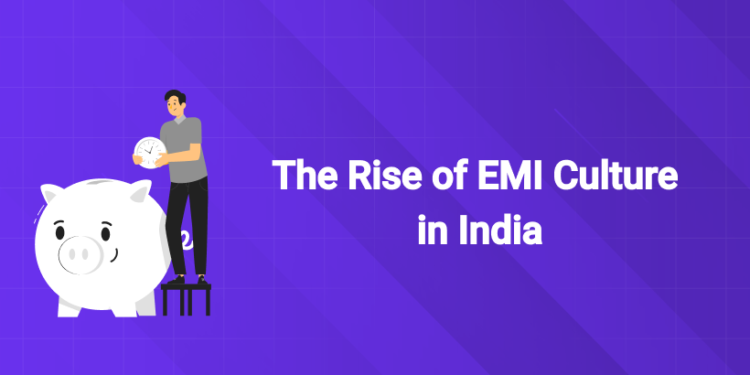
Buying goods or services just a decade back was totally different when compared to today. Whether it be a smartphone, a television, or booking a holiday, it was about waiting, saving, and compromising. However, there’s a sea change in how purchases happen today. Nowadays, purchases happen instantly. It is spread over convenient, manageable monthly payments. This shift has quietly changed how Indians spend, plan, and view money. EMI options are no longer limited to purchases involving huge amounts. Today, they are available for groceries, online courses, and even medical expenses.
The major reason behind this transformation is the EMI Culture in India, a financial behavior driven by rising aspirations, easy access to credit, and digital convenience. This blog provides details on how this culture emerged, what led to its growth, and how it is reshaping consumers, businesses, and the broader economy.
Understanding EMI Culture in India
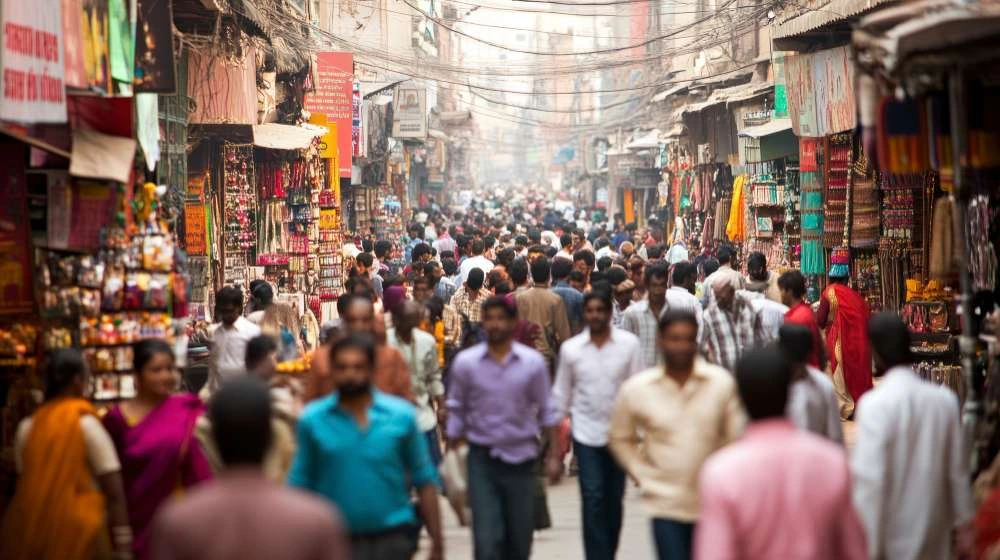
Now, let’s try to understand more about EMI, or Equated Monthly Installment. To keep it simple, EMI refers to a fixed payment made by a borrower to a lender on a specified date each month. EMI Culture in India goes beyond the technical definition. It represents a mindset where consumers prioritize affordability per month over the total cost of ownership.
In the earlier days, people used to ask “Can I afford this product?” However, nowadays that question has changed to, “Can I afford the monthly installment?” This slow shift has brought a profound change to purchasing decisions. EMIs are now seen as a budgeting tool rather than a debt obligation, making credit feel less scary and more accessible.
Learn trading from experts! Join today to learn the fundamentals of trading!
Historical Evolution of EMI Usage
1: What is a stock?
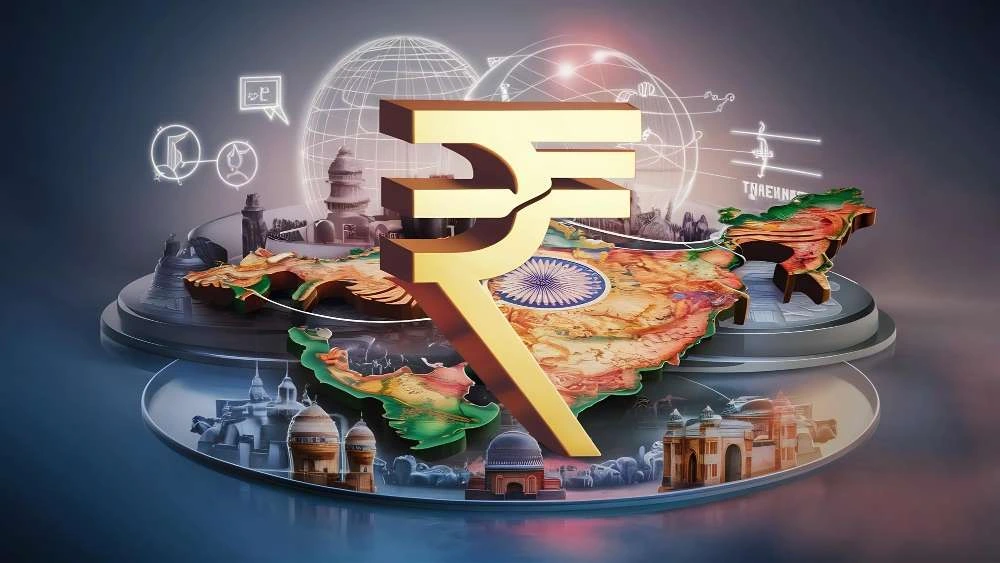
The concept of installment-based payments is not new to India. Early forms existed through informal lending and hire-purchase models. However, structured EMI systems gained popularity with the expansion of consumer banking in the early 2000s.
Initially, EMIs were restricted to high-value items such as cars, homes, and durable appliances. Credit cards and personal loans played a limited role due to low penetration. However, over time, with banks expanding their retail lending portfolios and the improvement of digital infrastructure, EMI options became faster, simpler, and more widely available.
The real growth came with e-commerce and app-based lending, which brought EMI Culture in India into everyday transactions.
| Gain Financial Literacy in your Mother Tongue | |
| Stock Market Course in Malayalam | Mutual Funds Course in Malayalam |
| Stock Market Course in Tamil | Mutual Funds Course in Tamil |
| Stock Market Course | Mutual Funds Course |
Key Drivers Behind the Growth of EMI Culture
The important factors that have contributed to the widespread adoption of EMI-based spending are:
Rising Aspirations: A growing middle class with wide exposure to global lifestyles has led to a rise in demand for premium products and experiences.
Income Growth with Cost Pressure: Though incomes have increased, rising inflation and urban living costs have made upfront payments difficult, thus increasing the attraction of EMIs.
Easy Credit Availability: Pre-approved loans, instant credit lines, and minimal documentation have reduced the barriers of starting an EMI.
Marketing and Behavioral Nudges: Advertisements often highlight low monthly costs instead of full prices, thus making people give first priority to EMI.
All these factors together have normalized EMI Culture in India across income levels.
Role of Digital Payments and Fintech

Fintech platforms have played a major role in cultivating the habit of EMI options in daily spending. Buy-now-pay-later services, app-based credit, and instant EMI conversions at checkout have removed traditional friction points.
Digital wallets and payment gateways nowadays offer the convenience of one-click EMI plans. For short tenures, sometimes they don’t even charge interest. This trouble-free, seamless integration has made borrowing feel like an extension of digital payments rather than a formal loan process.
As fintech platforms use alternative data to assess creditworthiness, even people who are borrowing for the first time can access EMI options, thus contributing to the reach of EMI Culture in India.
EMI Culture Across Different Consumer Segments
Though the adoption of EMI culture varies across demographics, it has been widespread:
Urban Professionals: Use EMIs to manage cash flow while maintaining lifestyle choices such as gadgets, fitness subscriptions, and travel.
Young Consumers: Millennials and Gen Z find short-term credit comfortable, often using EMIs for education, electronics, and experiences.
Tier-2 and Tier-3 Cities: With the rise in digital penetration, EMI options has expanded to smaller cities, driving aspirational consumption.
Small Business Owners: EMIs help manage business expenses, inventory purchases, and equipment upgrades without much effect on the working capital.
This broad adoption highlights how EMI Culture in India has spread across age, geography, and occupation.
Stock Market Training Reviewed & Monitored by SEBI Registered Investment Advisor
Trusted, concepts to help you grow with confidence. Enroll now and learn to start investing the right way.
Know moreImpact on Indian Consumers

For consumers, EMIs offer flexibility and access. They enable better cash flow management and allow individuals to spread expenses predictably. Large purchases no longer require long saving periods, improving quality of life and convenience.
However, the psychological ease of EMIs can also lead to overcommitment. When viewed individually, multiple EMIs of small amounts may seem manageable, but together they can strain monthly budgets. There is only a thin difference between smart financing and excessive borrowing.
Impact on Businesses and the Economy
Businesses benefit directly from consumption driven by EMIs. Some of the common outcomes of this kind of consumption are higher conversion rates, increased average order values, and faster purchase decisions. EMIs reduce price resistance and expand the addressable market for premium offerings.
On a macro level, EMI Culture in India stimulates demand and supports economic growth by encouraging spending. It also results in widespread financial inclusion by bringing more consumers into the formal credit system. However, it increases household leverage, which requires careful monitoring.
Risks and Challenges of EMI Culture
Though EMI culture comes with many advantages, it has its own risks.
Overleveraging: Easy access to credit may lead to one spending beyond his/her capacity.
Lack of Cost Awareness: Consumers may ignore interest rates, processing fees, or penalties.
Impact on Credit Score: Missed payments can adversely affect long-term financial health.
Short-Term Mindset: Using EMIs frequently may badly affect long-term savings discipline.
Finding a solution for these challenges is essential to ensure sustainable growth of EMI Culture in India.
Regulatory Environment and Safeguards
Regulatory frameworks aim to balance credit access with protecting consumers. Guidelines on transparent pricing, fair lending practices, and responsible marketing help prevent the misuse of EMIs.
Lenders are increasingly being asked to disclose total costs clearly, while digital platforms must follow data protection and consent norms. These guardrails play an important role in maintaining trust and stability within the EMI ecosystem.

The Future of EMI Culture in India
In the future, there may be deeper integration of EMIs into daily spending. Tenures that are flexible, credit limits that are personalized, and credit assessments that are real-time are likely to become the standard.
With the improvement in financial literacy, consumers may become more selective, and they may use EMIs strategically rather than impulsively. Businesses that promote responsible usage will gain the trust of customers in the long run.
EMI Culture in India is expected to mature from a trend that is driven by convenience into a disciplined financial tool.
Key Takeaways
- EMI Culture in India reflects a shift from paying the full amount upfront to monthly affordability.
- Digital platforms and fintech innovation have increased adoption.
- EMIs increase access, convenience, and consumption but require responsible use.
- Businesses benefit from higher demand, while regulators ensure consumer protection.
- The future lies in balanced growth with informed borrowing behavior.
Stock Market Training Reviewed & Monitored by SEBI Registered Investment Advisor
Trusted, concepts to help you grow with confidence. Enroll now and learn to start investing the right way.
Know moreFrequently Asked Questions
What is EMI Culture in India?
It refers to the widespread use of equated monthly installments for everyday and high-value purchases, shaping modern spending habits.
Why has EMI usage increased so rapidly?
Easy digital access, rising aspirations, and flexible credit options have driven rapid adoption.
Are EMIs always interest-free?
No, some EMIs carry interest or additional fees depending on tenure and provider.
How does EMI usage affect credit scores?
Timely payments improve credit scores, while missed payments can have an adverse impact.
Is EMI Culture beneficial for the economy?
Yes, it boosts consumption and financial inclusion, but it needs responsible regulation.
Can EMIs lead to financial stress?
Yes, excessive or unplanned EMI commitments can strain monthly budgets.
What should consumers consider before opting for EMIs?
They should evaluate total cost, monthly affordability, and long-term financial goals.