
Table of Contents
The evolving fashion trends are rewriting the rulebook with technology, sustainability and self-expression. These form the foundation of what is being created and consumed. The shift incorporating AR and biometrics coupled with sustainability suggest urgency at its core.
It covers climate issues, Gen Z values along with a global appetite for fashion. The number of consumers with an active preference for eco-friendly brands is going up. This, reportedly, just happened within a year.
| Trend Driver | 2025 Adoption | 2026 Projection | Source |
| Sustainability | 62% | 85% | WGSN Report |
| Tech Integration | 45% | 70% | Vogue Business |
| Personalization | 55% | 82% | McKinsey Fashion |
Start Your Fashion Journey Today! Learn Advanced Designing & Boutique Skills with Experts!
Key Takeaways
- Sustainable bio-fabrics like mushroom leather and algae silk are replacing conventional materials at scale.
- AI-personalized prints are transforming how designers pitch and prototype.
- Holographic and kinetic textiles are no longer futuristic concepts — they’re on runways and growing into a huge market.
- Gender-fluid silhouettes are now a market segment, driven by about 52% of millennials purchasing gender-neutral fashion.
- Trends like Zero-Waste Patterns, Neural Fashion Tech, and AR Try-On Integration are moving fast as early adopters have a significant commercial edge.
- 90% of successful designers actively use trend forecasting tools to shape their collections.
Why 2026 Fashion Trends Matter for Aspiring Designers
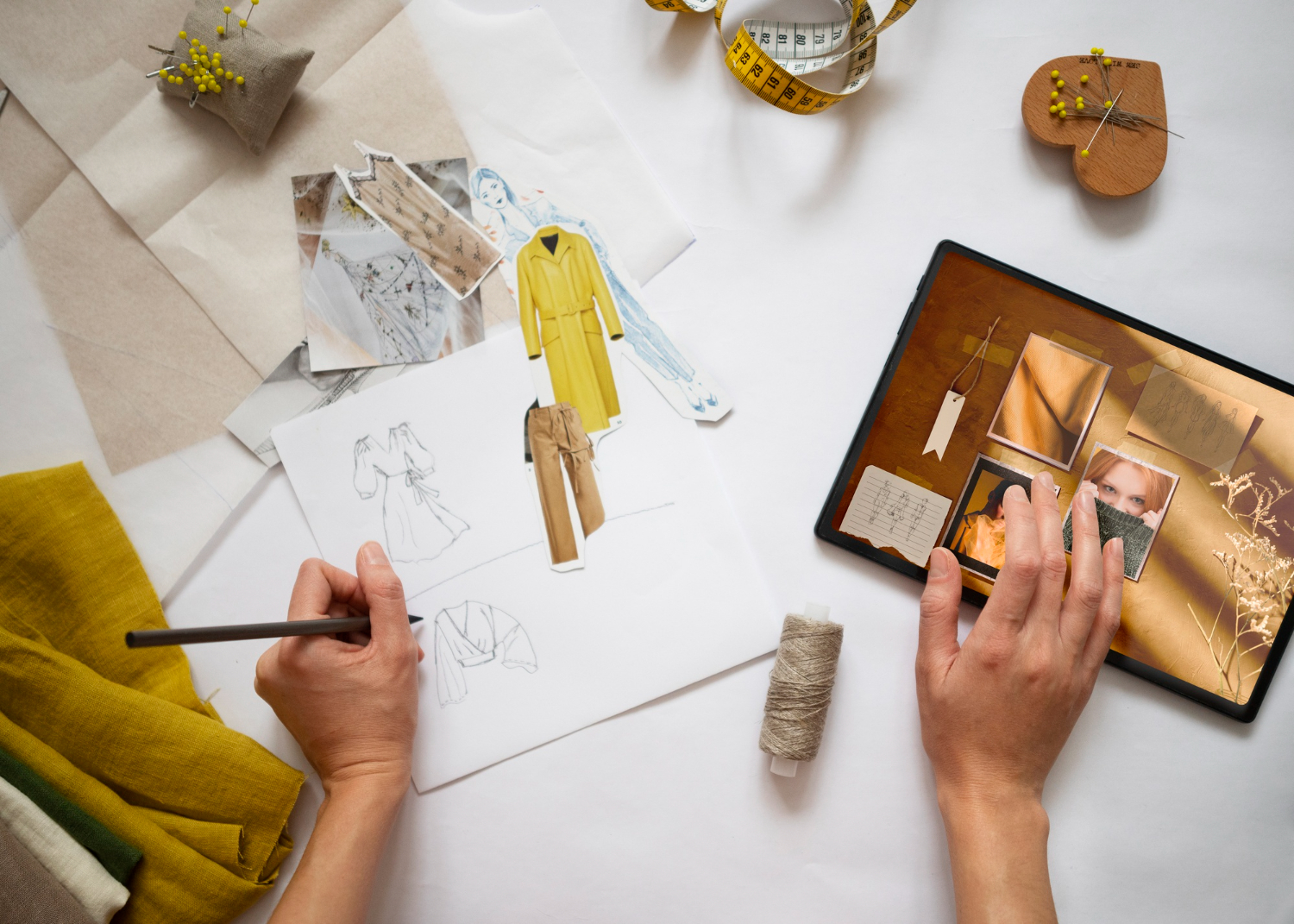
If you just take a look around you, you can get a pretty clear idea of where fashion is headed. And let me tell you, if you keep a close eye on the industry, you’ll see that everything’s getting a whole lot more strategic and sensibly directed as far as the industry’s growth and looking after the environment is concerned.
Paris Fashion Week 2026 data shows that about 65% of shows were basically putting sustainable elements right at the forefront. That’s a pretty clear sign that eco-conscious design has gone from being a niche thing to being a mainstream movement.
As an up-and-coming designer, it’s crucially important to get a handle on these trends. Your focus should be on building collections that actually have some cultural relevance, are commercially viable, and won’t look laughably out of place in a few years time.
The designers who end up doing alright for themselves won’t just be following the trends, they’ll be using them as a creative launchpad.
1. Sustainable Bio-Fabrics
Sustainable bio-fabrics are what’s really getting the fashion design community buzzing in 2026 – and the great thing is, they’re managing to pull off luxury and aesthetics without any compromises. Stuff like mushroom leather (that mycelium-based stuff), algae silk, and lab-grown cotton are rapidly kicking polyester and animal leather into touch.
Certain trends reckon bio-fabric production jumped by 40% in 2025, with big names like Stella McCartney and Hermès already incorporating them into their main collections.What makes this trend so exciting is the balance that’s been struck – these fabrics feel like a million bucks, they perform really well, and tell the kind of story that consumers today actually want to wear.
| Bio-Fabric | Key Benefit | Brand Example | Cost vs Traditional |
| Mushroom Leather | Biodegradable | Hermès | 20% lower |
| Algae Silk | Ocean-sourced | Stella McCartney | Comparable |
| Lab-Grown Cotton | Water-efficient | Adidas | 15% cheaper |
2. AI-Personalized Prints
Personalization in fashion has been around for a while, but AI has given it a whole new level of depth. It’s looking like AI-generated prints that learn your body type, where you’re from, and what kind of style you like are going to be as normal as the price tag on a luxury item, even on the higher end of mid-range.
It is expected that 60% of luxury fashion sales are going to be all about customising with AI by then and that was unthinkable just 3 years ago – that is just a staggering shift.
Things like Midjourney and Adobe Firefly are making designers able to get on top of design work a lot faster, show potential buyers collections digitally before they’ve even been made, and get patterns out in a fraction of the time it used to take weeks for.
| AI Tool | Use Case | Designer Benefit | Adoption Rate |
| Midjourney | Pattern generation | Faster prototyping | 50% of studios |
| Adobe Firefly | Color matching | Client previews | 70% of professionals |
| CustomFit AI | Body scanning | Perfect fit outputs | Emerging – 40% |
3. Holographic and Kinetic Textiles
If you really want to know where fashion is heading, look at these holographic and kinetic textiles – basically fabrics that change shape and move when you do, and are just stunning.
From high performance sportswear to ‘Hey I’m on the red carpet’ couture, these textiles have got a growing appeal, which just goes to show how versatile this current trend really is.
TechInsights reckons the market for smart textiles will be worth $12 billion by 2026, and is growing by 35% year on year – that’s a lot of cash. and designers working with these kinds of fibres, are making clothing that moves with the wearer – not just a piece of gear but a work of art that’s an extension of the wearer.
4. Upcycled Maximalism
After a few years of clean lines and minimalism, its looking like 2026 is swigging the other way – but this time its with real purpose – the new style is upcycled maximalism that is all about making some amazing, visually rich pieces from what other designers might just have thrown away.
Denim scraps become patchwork jackets, vintage fabrics in a layered voluminous skirt, even old plastic bottles get turned into evening wear with some real serious structure.
Reports show that the resale market is on the up, rising 28% last year and looking good for 350 billion by 2026. This is a sustainability win, but it’s a lot more than that – it’s a style of designing that really values texture, a good story, and the look and feel of the finished product.
| Material Source | Design Idea | Sustainability Score |
| Denim scraps | Patchwork jackets | 9/10 |
| Plastic bottles | Structured gowns | 8/10 |
| Vintage fabrics | Layered skirts | 10/10 |
5. Gender-Fluid Silhouettes
Fashion’s relationship with gender has been evolving for years, but 2026 marks the point where gender-fluid design has genuinely gone mainstream. Modular clothing with snap-on elements, adaptable draping, and silhouettes designed for any body — these aren’t experimental collections anymore. They’re core commercial offerings from major houses and indie designers alike.
McKinsey’s latest fashion report places 52% of millennials as active buyers of gender-neutral fashion, driving a $200 billion market segment that’s only growing. For designers, this trend opens up creative freedom while simultaneously widening their potential audience.
Master Fashion Designing and Create Your Signature Style
Unlock your creative potential with our expert-led Fashion Designing course. Build in-demand skills and step confidently into the world of fashion!
Begin Your Fashion Career Today!Emerging Trends: The Next Wave (Trends 6–10)
| # | Trend | Key Feature | Market Impact |
| 6 | Neural Fashion Tech | Brainwave-responsive color-shifting fabrics | 25% luxury growth projected |
| 7 | Zero-Waste Patterns | Seamless construction, no fabric offcuts | 40% reduction in textile waste |
| 8 | Cultural Fusion Prints | Heritage motifs reimagined globally | 30% export growth in artisan markets |
| 9 | Wellness-Integrated Wear | Biofeedback fabrics tracking health metrics | $50B health-fashion crossover market |
| 10 | AR Try-On Integration | Virtual fitting for e-commerce | 65% rise in conversion rates |

Trend 6: Neural Fashion Tech
Neural fashion tech uses biometric data — including brainwave inputs — to generate real-time color and pattern changes in garments. While still emerging, early prototypes shown at Milan and Tokyo’s tech-fashion showcases drew enormous attention. Luxury brands are investing heavily, with a 25% luxury growth projection tied specifically to this segment.
Trend 7: Zero-Waste Patterns
Zero-waste pattern cutting is exactly what it sounds like — construction techniques that eliminate fabric offcuts entirely. Designers like Mark Liu pioneered this years ago, but digital tools have now made it accessible to students and emerging designers. The environmental payoff is significant: a 40% projected reduction in textile waste for brands that adopt seamless construction methods at scale.
Trend 8: Cultural Fusion Prints
Cultural fusion prints blend heritage motifs from across the globe into contemporary silhouettes. Think Kente-cloth geometry meeting Japanese shibori, or Indian block-printing reimagined through a Scandinavian color palette. This trend is fueling a 30% export growth in artisan fashion markets, connecting global craft traditions with modern runways.
Trend 9: Wellness-Integrated Wear
The line between fashion and health technology is dissolving. Wellness-integrated wear features biofeedback-capable fabrics that can monitor heart rate, stress levels, and even hydration — data relayed seamlessly to a paired app. The health-fashion crossover market is already valued at $50 billion, with significant investment flowing in from both tech and apparel sectors.
Trend 10: AR Try-On Integration
Augmented reality try-on isn’t new, but in 2026 it’s become a genuine conversion driver. Brands integrating AR fitting tools into their e-commerce experience are reporting a 65% rise in conversion rates – a metric that makes this trend as financially compelling as it is technologically impressive. For designers and brands building online presence, AR is fast becoming non-negotiable.
How to Incorporate These Trends into Your Designs
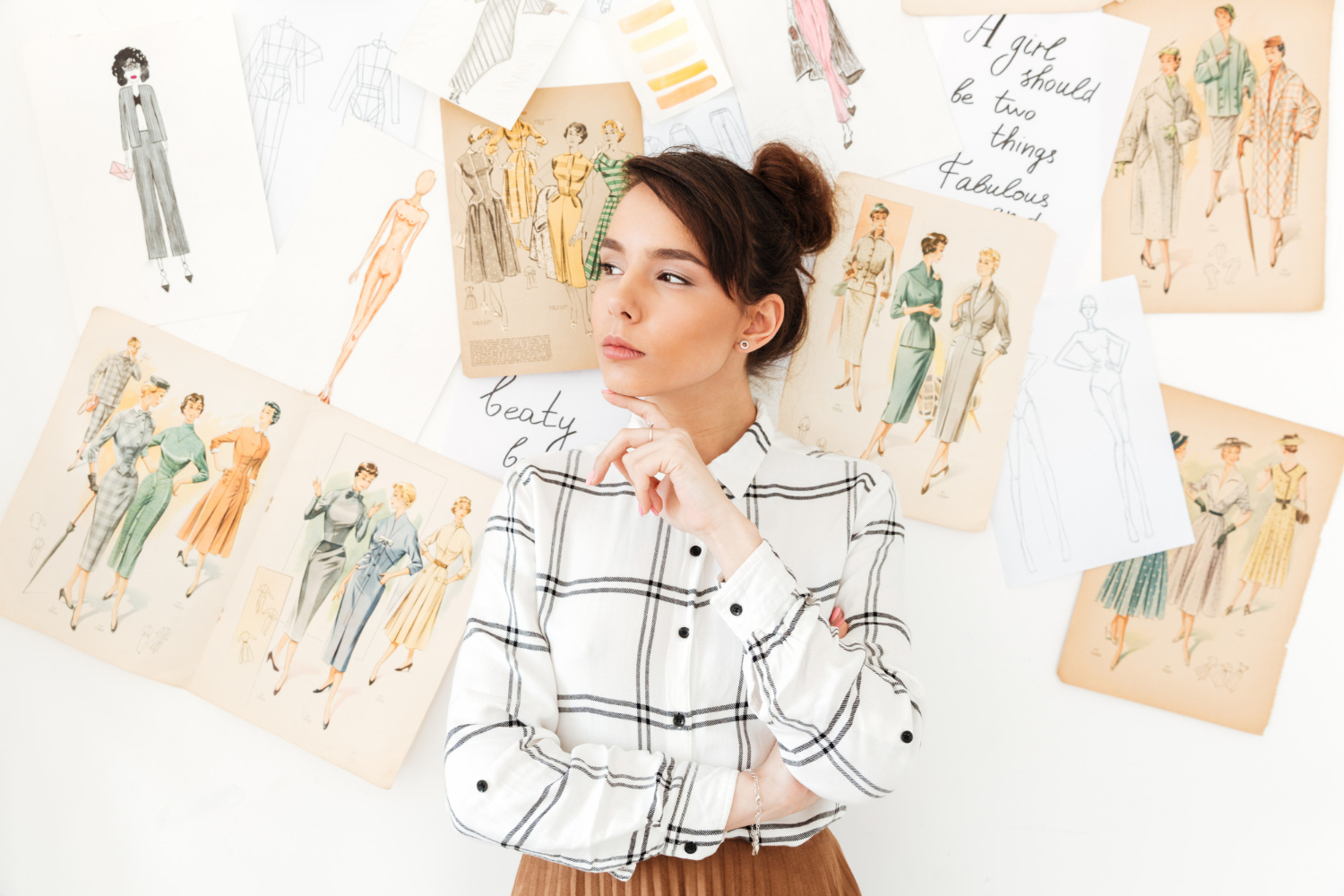
Understanding trends is one thing; translating them into your creative practice is where the real skill lies. Here’s a practical approach:
- Research actively – Use trend forecasting platforms and runway analysis to identify which directions align with your design voice.
- Build mood boards – Compile visual references for each trend you want to explore and test how they interact with your existing aesthetic.
- Sketch with AI assistance – Use tools like Adobe Firefly or Midjourney to rapidly visualize concepts before committing to physical prototypes.
- Prototype sustainably – Prioritize bio-fabrics and upcycled materials even in your sample stages. This builds sustainable habits and reduces cost.
- Market across platforms – Showcase your work on visual-first platforms and consider AR demos for online audiences.
Around 90% of successful designers use active trend forecasting as part of their creative process. This is not to copy trends but to position their work meaningfully within the current conversation.
Start Your Fashion Journey Today! Learn Advanced Designing & Boutique Skills with Experts!
Conclusion
The top fashion design trends in 2026 aren’t just aesthetic shifts. They are, in fact, a fundamental reimagining of what fashion can stand for and what it can do. From bio-fabrics that respect the planet to AI tools that democratize design to AR technology that transforms how consumers shop, the industry is in the middle of a genuinely exciting transformation.
For designers at every stage be it students, emerging creatives, or seasoned professionals, staying ahead of these trends isn’t optional. It’s what separates work that resonates from work that gets lost. The runway is wide open. What you create on it is entirely up to you.