Table of Contents
The world is more connected today when compared to ten or twenty years back. For an Indian investor, a conflict in the Middle East is not just a headline on a news channel any longer. On the other hand, it is a direct influence on the price of petrol at the pump. It also takes a hit on the value of stocks in a demat account. Nowadays, you might be hearing the term ‘geopolitics’ quite often.
Here we would be talking about the same geopolitics, the massive power play between countries that includes wars, trade treaties, and diplomatic standoffs. If you are an investor looking to grow your wealth in 2026, it is an imperative to understand the link between geopolitical risk and financial markets.
In this blog, we will cover all aspects related to how global events shake the Indian economy. By reading this blog till the end, you will come to know why certain sectors like oil and IT react the way they do, and how you can protect your hard-earned money from global shocks.
Join our Online Course and Learn Stock Marketing the Right Way. Enrol Now!
Key Takeaways
- Global Linkages: India is part of the global economy and events in the U.S., China, or the Middle East will affect your investments.
- Oil is King: The biggest geopolitical risk for India is usually related to the price and supply of crude oil.
- Temporary vs. Permanent: Geopolitical shocks usually cause short-term market volatility but rarely stop the long-term growth of the Indian economy.
- Safety in Assets: Diversifying into Gold and keeping a long-term perspective are the best ways to deal with geopolitical risk and financial markets instability.
More About Geopolitical Risk
1: What is a stock?

Geopolitical risk, in simple terms, is the uncertainty that arises when political events between nations disrupt the normal functioning of economies. It could be anything right from a sudden war, a trade embargo, or even a change in leadership in a powerful country like the U.S. or China.
For India, these risks are high because we are a “net importer” of energy. It means that we buy most of our oil and gas from other countries. Due to this reason, when those countries go to war, our costs go up. This is the connection between geopolitical risk and financial markets.
You might have noticed that sometimes the Bombay Stock Exchange (BSE) Sensex crashes 1,000 points in a single day even though there is no bad news happening within India. The primary reason behind this crash is the same connection between geopolitical risk and financial markets.
A relatable example is the ongoing geopolitical tensions between the US and Iran that led to a steep rise in crude oil prices. When the crude oil prices crossed $110 per barrel in March 2026, the Sensex plummeted by almost 2,500 points, or over 3%. It was one of the five biggest stock market crashes that India saw in the last ten years.
Impact of Geopolitics on the Indian Market

When a major global event occurs, the reaction in the Indian financial markets usually follows a predictable pattern:
1. The Fear Factor
Markets hate uncertainty. If two countries start a war, investors don’t know how long it will last or who else will join in. To be safe, big institutional investors (like Foreign Portfolio Investors or FPIs) often pull their money out of “emerging markets” like India and move it to “safe havens” like the U.S. Dollar or Gold. This sudden exit causes our stock prices to fall.
2. The Oil Connection
India imports about 85% of its crude oil. Most of this comes through the Middle East. This is where the Strait of Hormuz comes into the picture. It is a narrow sea passage through which 20% of the world’s oil flows and if there is tension in the Strait of Hormuz, it will lead to a spike in global oil prices.
- Inflation: A rise in oil prices makes transport and electricity more expensive.
- Corporate Profits: Companies that use oil as a raw material such as paints, chemicals, and airlines see their costs go up. This will result in reduction of their profits.
3. Currency Fluctuations
During times of global crises, the Indian Rupee often weakens against the U.S. Dollar. This happens because the dollar is seen as the “world’s safest currency.” A weaker rupee makes our imports (like electronics and oil) more expensive, fuelling inflation across the country.
Since the Iran-US war started, the Indian rupee lost approximately 1.5% of its value. Thus, rupee nosedived to a lifetime low of 92.4325 per dollar.
Sector-Wise Impact: Winners and losers
It’s not that every company suffers when global tensions rise. Though some sectors are badly affected, others might actually benefit from geopolitical risk and financial markets volatility.
The Vulnerable Sectors:
- Aviation and Paint: These industries are directly tied to oil prices. Thus when crude oil goes up, it will reduce their profit margins.
- Information Technology (IT): For Indian IT companies, a major source of their revenue comes from the U.S. and Europe. If geopolitics leads to an economic slowdown in those regions, they may cut their tech spending.
- Automobiles: When fuel prices go up, it usually discourages people from buying new cars. Also, supply chain disruptions can cause a delay in the parts needed to build automobiles.
The Resilient Sectors:
- Defence: Increased global tension often leads to higher government spending on weapons and technology. Indian defence stocks often see a boost during such times.
- Pharmaceuticals: Medicine is a basic necessity. No matter what is happening in the world, people still need healthcare, making this a “defensive” sector.
- Renewable Energy: High oil prices act as a wake-up call, pushing the world (and India) to move faster toward solar and wind energy.
Lessons From the history for the Indian Investor
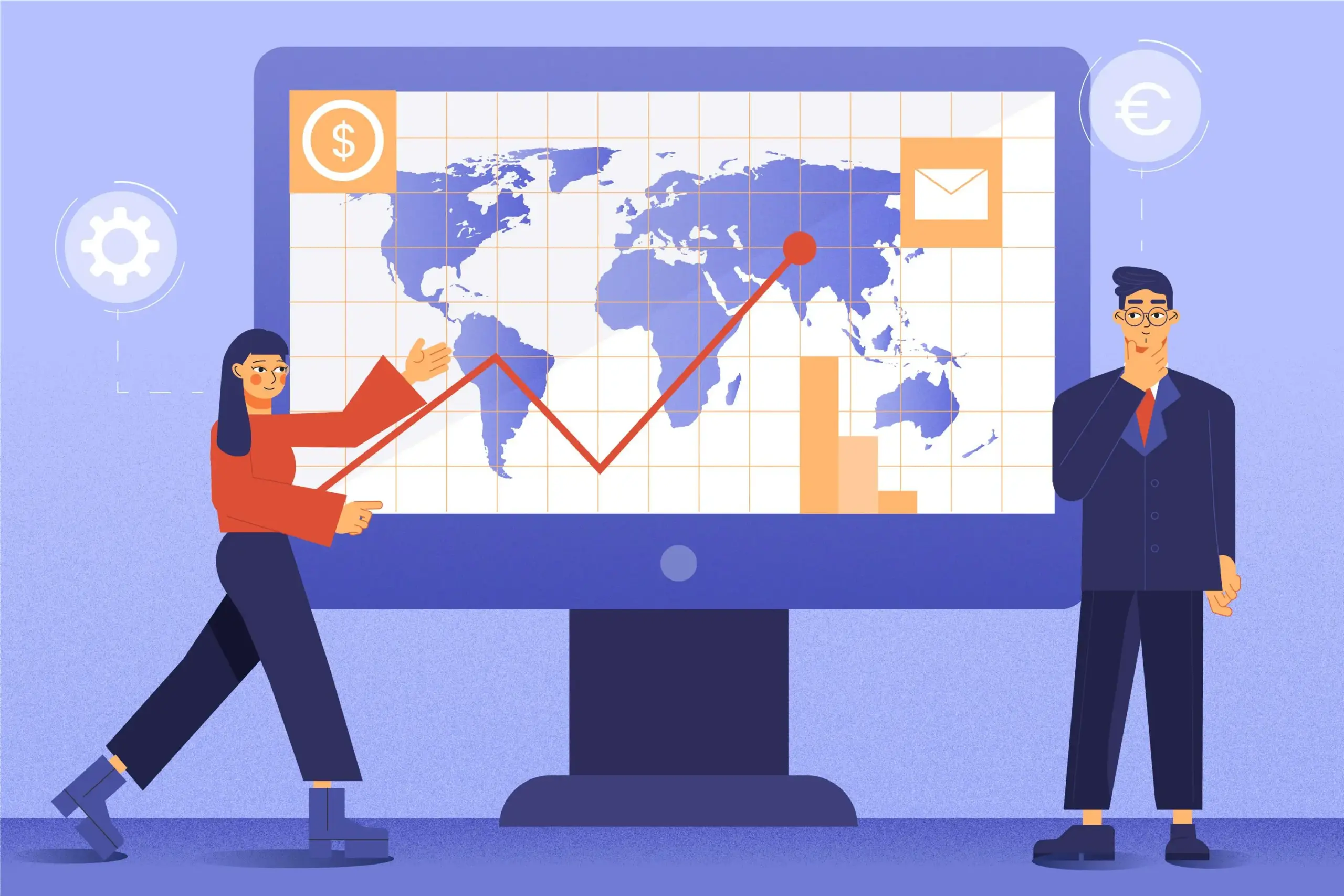
If we go back to events like the Russia-Ukraine conflict or the recent tensions in West Asia in early 2026, we can see a clear pattern emerging.
- Initial Panic: The market crashes in the first week.
- Absorption: Investors begin to calculate the actual impact on earnings.
- Recovery: Unless the war is at India’s doorstep, the markets usually recover within 3 to 6 months as the “new normal” is accepted.
The key takeaway is that geopolitical risk and financial markets are linked by short-term emotions but long-term fundamentals. India’s domestic growth driven by our large population and rising consumption often acts as a shield against global storms.
Stock Market Training Reviewed & Monitored by SEBI Registered Investment Advisor
Trusted, concepts to help you grow with confidence. Enroll now and learn to start investing the right way.
Know moreHow to Protect Your Portfolio
You don’t need to be a political expert to manage your investments. Here are simple steps for the Indian retail investor:
- Diversify with Gold: Gold is the ultimate insurance policy. When stocks go down due to war, gold almost always goes up. Having 10-15% of your portfolio in Gold ETFs or Sovereign Gold Bonds (SGBs) can stabilize your wealth.
- Don’t Panic Sell: Most geopolitical dips are temporary. If you sell during the panic, you turn a “paper loss” into a “real loss.”
- Keep Cash Ready: Experienced investors look at geopolitical crashes as a “sale.” It is generally the best time to buy high-quality Indian companies at a discount.
- Watch the Rupee: If you have children studying abroad or plan to travel, keep a track of global tensions. The simple reason is that they will directly impact your budget through currency changes.
Join our Online Course and Learn Stock Marketing the Right Way. Enrol Now!
Parting Words
With better clarity about geopolitical risk and financial markets now, are you interested in investing in stock markets and mutual funds? Stock market investing is pretty easyif an expert mentor is there to guide you.
With a team of highly experienced, expert mentors, Entri Finacademy has grown to be a trusted finance education platform since 2022. The stock market courses and mutual fund courses at Entri are designed in such a way that even a person with zero knowledge of the markets will find it pretty easy to learn. Moreover, just by sitting at the comfort of your home, you can learn stock trading online. With Malayalam classes and dedicated doubt clearance sessions, learning is a breeze at Entri.
To know more about Entri Finacademy’s stock market courses and mutual fund courses, click here.
Stock Market Training Reviewed & Monitored by SEBI Registered Investment Advisor
Trusted, concepts to help you grow with confidence. Enroll now and learn to start investing the right way.
Know moreFrequently Asked Questions
Why does a war in Europe affect my Indian stocks?
When war breaks out, global investors move money from risky markets like India to safe ones like the U.S. causing Indian stock prices to fall temporarily.
How do high oil prices hurt the Indian economy?
India imports most of its oil. Higher prices lead to “imported inflation,” making transport and goods more expensive, which can slow down overall economic growth.
Is it a good time to buy stocks during a geopolitical crisis?
Historically, yes. Sharp market falls due to global news often provide a “buying opportunity” for long-term investors to get quality stocks at lower prices.
Which Indian sectors are safest during global tensions?
Defensive sectors like Pharmaceuticals, FMCG (Daily essentials), and increasingly, the Defence sector, tend to be more stable during such times.
Does a weak Rupee help any Indian companies?
Yes. Export-oriented companies, like those in IT and Textiles, earn in Dollars. When the Rupee weakens, their earnings (when converted back to Rupees) actually increase.
Should I stop my SIP during a war?
No. Stopping your SIP during a market dip means you miss out on buying more units at a lower price, which is essential for long-term wealth creation.
How long does the market take to recover from geopolitical shocks?
Most markets recover within 3 to 6 months, provided the conflict does not lead to a massive, multi-year global economic depression.