Table of Contents
Marketing, in its broadest sense, is the process of determining and meeting client demands. In the corporate sector, this duty is especially crucial because effective marketing initiatives can generate inbound leads and draw in sizable consumer bases. An analysis of the business environment, product mix, and market orientation is part of the conventional marketing cycle. Digital marketing is a relatively recent technique, even though marketing has long roots in business history and society. Businesses started experimenting with new marketing strategies as a result of the expansion of digital technology, especially the pervasive use of computers and smartphones. Digital marketing was therefore established.
Choose your Digital Marketing course and Build your Career. Signup for Entri now
Selling goods and services via online channels like social media, SEO, email, and mobile apps is known as digital marketing. Digital marketing is essentially any type of advertising that uses electronic gadgets. It can be carried out both online and offline, and both types are crucial for a comprehensive digital marketing plan. In the modern era, digital marketing is just as significant as traditional marketing strategies, if not more so. As many organizations shift money from traditional to digital marketing strategies, this gap is bound to widen over time. As a whole, developing and implementing a successful digital marketing strategy is essential for firms.
Digital Marketing Strategy

Currently, digital marketing focuses on AI-driven personalization, omnichannel strategies, and data privacy amid India’s booming digital ad market.
Digital marketing uses online channels like search engines, social media, and AI tools to promote brands and drive conversions. It dominates with 44% of India’s ad spend, growing 20% YoY, fuelled by mobile at 78% of digital budgets. Businesses leverage hyper-personalization and multimodal search for better ROI.
The key Digital marketing strategies include:
-
Social Media Platforms
Social media platforms give marketers a variety of options to connect with their prospects. First, marketing teams can use these platforms to share sponsored content and paid advertisements. Each platform offers marketing teams a chance to build paid ad campaigns and segment users so that these ads show up in the feeds of members of the desired audience.
Social platforms enable targeted ads and community building. Brands use AI for hyper-personalized feeds and social SEO, boosting engagement 4x via short-form video.
In India, platforms drive 68% of FMCG/eCommerce spends with shoppable experiences.
-
Email Marketing
Using email marketing campaigns, businesses may stay in touch with leads and consumers by sending them tailored newsletters or offers based on their prior purchasing behaviour or involvement with the company.
Email delivers personalized newsletters based on behaviour data. Current advances include AI predictive insights for real-time journey mapping and dynamic content.
Automation ensures non-intrusive outreach, improving open rates amid privacy regulations.
-
Influencer Marketing
Influencer marketing is yet another powerful strategy for using digital media to reach specific audiences. Brands can collaborate with websites, celebrities, or other professionals in a given sector who hold similar ideals. The followers of these influencers can then be reached by brands through branded content and offers.
Collaborations with influencers reach niche audiences via authentic content. Now emphasizes micro-influencers and co-creation communities for trust. AI matches brands with creators, enhancing ROI in social commerce 2.0.
Search engine optimization and content marketing typically work together. A consumer will probably click on one of the first three results on Google when they are looking for the best workout sneakers to buy. In light of this, the marketing team for the sports shoes needs to make sure that their piece shows up in those top results. This is accomplished by making sure that content is user-friendly and that the technological components are in place to make it simple for search engine crawlers to find and index it.
SEO pairs with content for top Google rankings. In 2026, shift to AI Engine Optimization (AEO/GEO) optimizes for conversational, multimodal search across platforms. Focus on intent over keywords, with social SEO rising.
Learn digital marketing course online from industry experts ! join now !
-
Content Marketing
Marketing teams can be proactive in responding to the queries of their user’s thanks to content marketing. The three stages of the buyer’s journey are addressed by marketing teams through the creation of content, videos, and other assets.
Creates assets for buyer’s journey stages. Current demand prioritizes human-first, authentic ecosystems with video/micro-learning over static text. AI generates but humans refine for brand voice.
-
Pay Per Click
Pay-per-click advertising is a type of compensated promotion that enables marketing departments to essentially buy visitors for their website. Advertisers pay a charge each time their ads are clicked on and place them on websites or search engines like Google and Microsoft Bing.
Pays for clicks on search/social ads. Evolves to AI-optimized bidding with new KPIs like engagement over CTR. Retail media networks are mainstream, targeting privacy-conscious users.
-
Mobile Marketing
Many of the digital marketing techniques outlined above can be used in mobile marketing campaigns, which often make use of text messages, social media, email, push notifications, and mobile applications.
Uses SMS, apps, push notifications. Dominates India at 78% ad spend. Now it adds AR try-ons and real-time personalization. Omnichannel integrates with CTV for multi-device reach.
-
Affiliate Marketing
Similar to referral schemes, affiliate marketing is collaborating with external people or businesses on your product’s promotion in return for a cut of the sales that can be ascribed to their efforts.
Pays commissions for referrals. Grows via creator networks and performance tracking in AI ecosystems. Tracks attributable sales across fragmented channels.
Best Digital marketing courses and Better Placements. Join Entri now
Core Digital Marketing Strategies
1: What is the primary goal of SEO (Search Engine Optimization)?
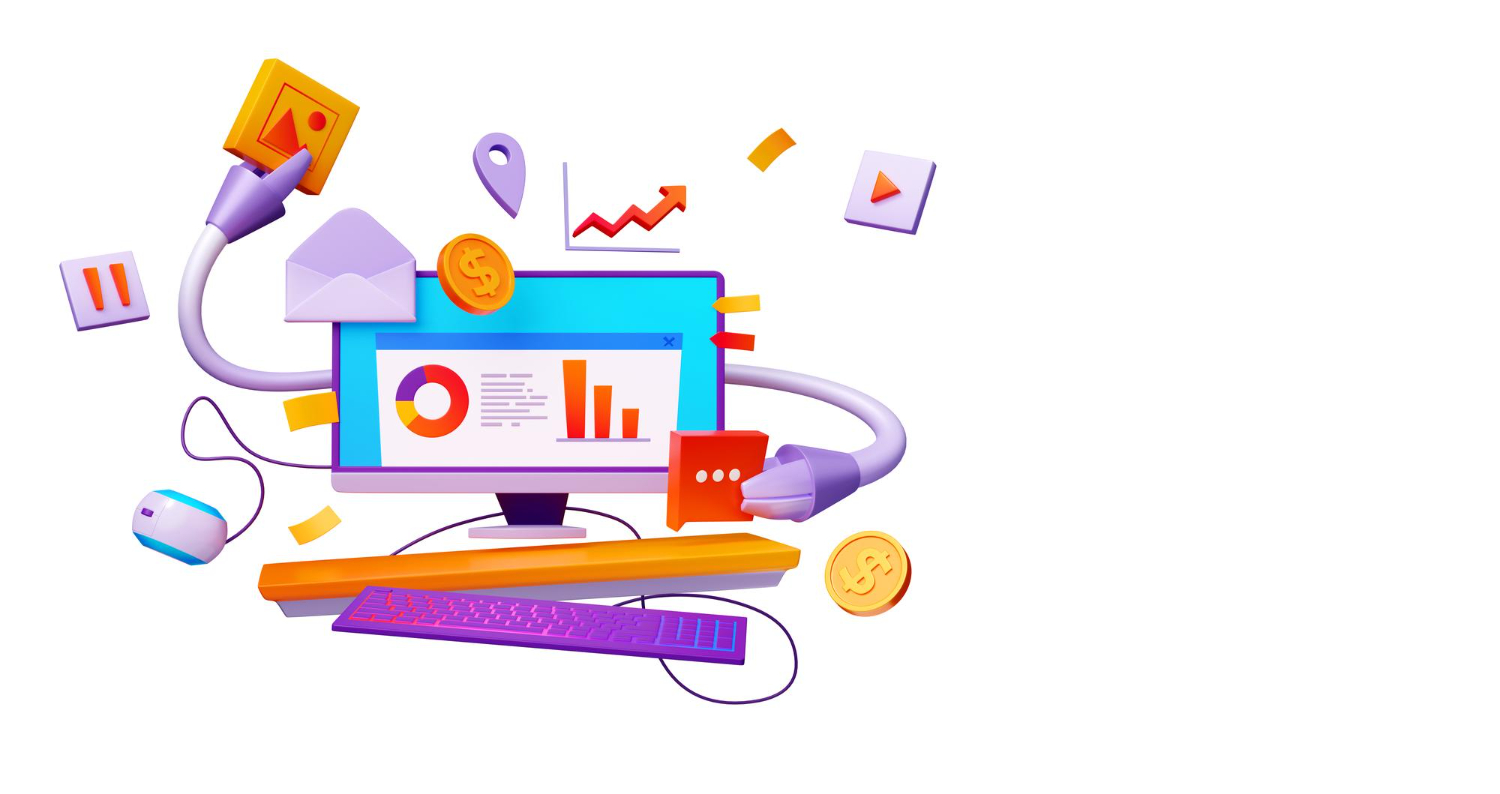
Key strategies integrate AI and omnichannel approaches for seamless customer journeys.
| Strategy | 2025 Focus | 2026 Evolution |
| AI Integration | Advanced tools | AI-first ecosystems with GEO/AEO |
| Search Optimization | Voice/SEO | Multi-surface search (text, video, voice) |
| Social Commerce | Native checkout | Shoppable AR/VR streams |
| Content | Human-first | Community-driven authenticity |
Become an AI-powered Digital Marketing Expert
Master AI-Driven Digital Marketing: Learn Core Skills and Tools to Lead the Industry!
Explore CourseKey Features of Digital Marketing Strategy
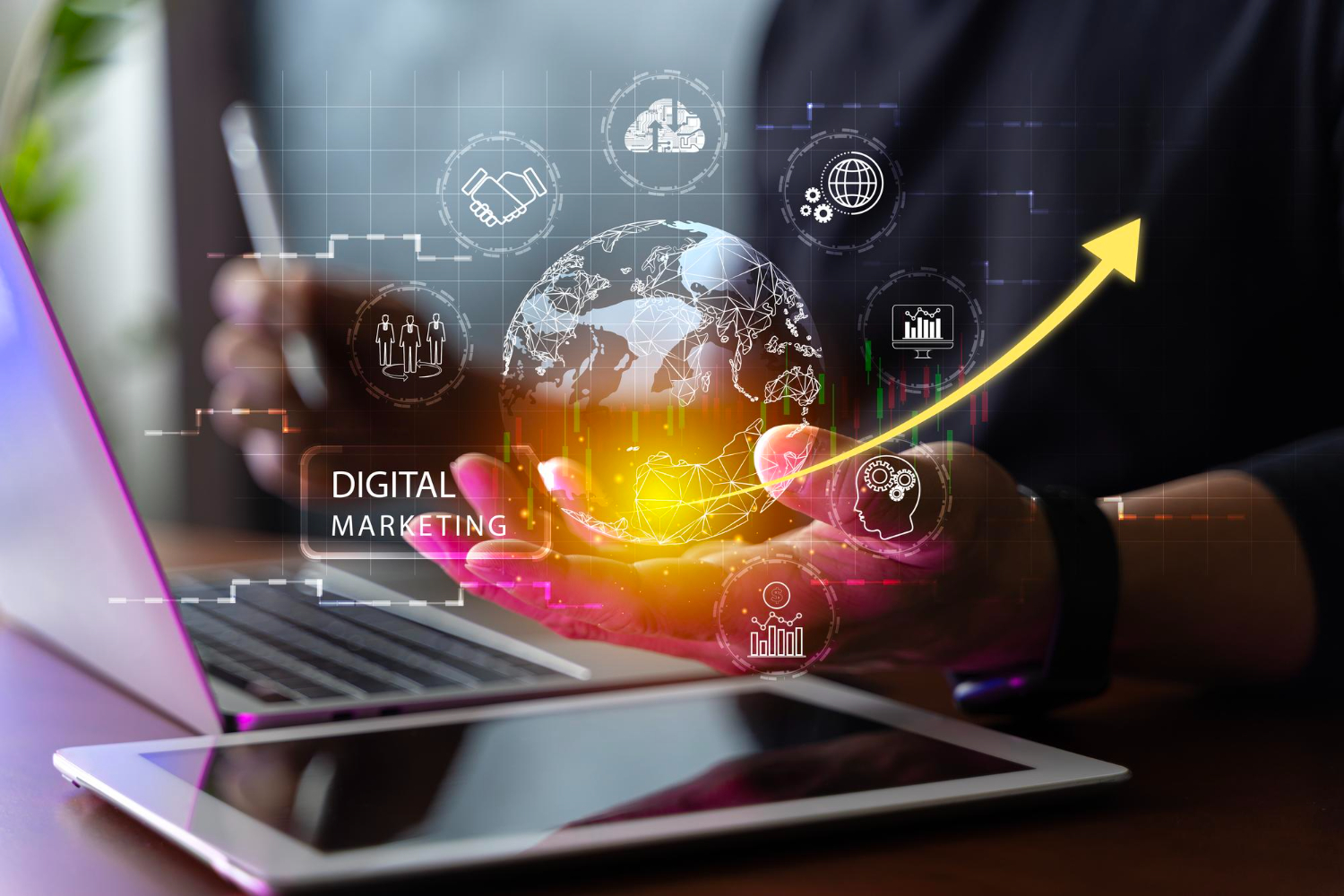
Digital marketing has implications in most fields. The key features of digital marketing strategy are:
-
Interactive Communication
Feedback is what has made Interactive Marketing feasible. Nowadays, people can provide feedback to businesses regarding their products via digital platforms. These comments help improve the products that brands offer.
-
Reaching Out to Audiences Directly and Non-intrusively
When it comes to developing and heavily promoting powerful visual content, social media works well. Through these networks, consumers can learn more about goods and services and even have an impact on their peers.
-
Result Oriented Approach
There are many techniques available to track the real impact or the rate at which this traffic turns into leads or paying customers. These findings assist online marketers in determining whether they are focusing on the proper visitors and not merely attracting unneeded attention.
-
Targeted Audience Identification
This feature accurately indicates that it targets internet surfers and turns incoming traffic into leads or subscribers. Numerous methods for targeting are available on digital media. Targeting audiences involves using tactics. These techniques aid in increasing traffic and, if launching a brand or product, draw attention to it.
Emerging Aspects
New pillars include AI hyper-personalization and omnichannel visibility.
| Aspect | Key Features |
| AI Personalization | Real-time behavior adaptation |
| Privacy Strategies | Data ownership as advantage |
| Video/Immersive | AR/VR commerce, gamification |
Conclusion
You have to consider the specific needs and objectives of the targeted organization for a digital marketing plan to be effective. The good news is that there are many different approaches, channels, and strategies available in digital marketing. Therefore, firms of virtually any size and in virtually any sector can benefit greatly from using digital marketing.
Tailor current digital marketing trends to goals, by blending AI, prioritizing authenticity, and omnichannel for India’s digital surge.