Table of Contents
Recent data shows a sharp rise in young borrowers who are struggling to keep their heads above water. We are witnessing a silent shift where the new trend of “buy now, pay later” has replaced the old concept of “save now, buy later.”
A report released by RedSeer Consulting says that around 60 million Indians have used some kind of pay-later service. By 2030, this market is projected to hit 50 million dollars, mainly fuelled by millennials and Gen Z consumers. This phenomenon is quickly evolving into a Gen Z debt crisis in India.
Join our Online Course and Learn Stock Marketing the Right Way. Enrol Now!
Key Takeaways
- Lifestyle over Necessity: Most Gen Z debt in India is due to aspirational spending and social media influence.
- Easy Access: Fintech apps and BNPL schemes have made borrowing instant, resulting in impulsive financial decisions.
- Survival Debt: A majority of youth is borrowing just to cover rising rents and daily living costs.
- The Shield of Financial Literacy: Awareness of compound interest and credit scores is the only way to avoid the debt trap.
- Future Impact: Early debt delays wealth creation and creates long-term mental stress.
Introduction
1: What is a stock?
The dream of Indians was built on a simple premise for several decades. It was all about studying hard, getting a stable job, saving money, and eventually buying a house. We Indians always used to view debt as the last resort.
For the older generation, debt used to be the last option or something reserved for major life events like a wedding or an emergency. However, a major shift is happening nowadays. Walk into a trendy cafe in Mumbai or Bangalore today, and you will see a different story.
India’s Gen Z or those born between the late 1990s and early 2012 are slowly changing the conventional rules of money. They are bold, aspirational, and digitally native. However, this shift has come along with a big threat.
In this post, we will explore why the youngest members of the Indian workforce are falling into a debt trap and what can be done to break the cycle.
The Rise of “Aspirational” Borrowing
When compared to their parents, who viewed credit with suspicion, Gen Z sees it as an enabler. For many of them, debt is not a burden anymore but a bridge to a lifestyle they see on their screens every day.
1. The Glamour of Instant Gratification
We live in an era of “Quick Commerce” and 10-minute deliveries. This culture of speed has spilled over into finance. With fintech apps offering personal loans in under 60 seconds, there are no more barriers to borrowing.
Right from the latest iPhone to a luxury smartwatch, or a weekend getaway to Goa, Gen Z is increasingly using credit to indulge in non-essential lifestyle choices. Statistics show that nearly 70% of iPhones in India are now purchased on EMIs.
While this makes premium products accessible, it also means young professionals are committing a large chunk of their future salary before they even receive it.
2. The Social Media “Flex”
The pressure to appear successful has grabbed the young generation like never before. Social media platforms like Instagram and LinkedIn drag them into this constant loop of comparison.
When one of their peers posts about a new car or an international vacation, the “Fear of Missing Out”, popularly known as FOMO kicks in. The most shocking part is that in the first half of 2025, a whopping 27% of personal loans in India were taken for the purpose of travel.
Marketing agencies now use “FOMO Marketing” to target young Indians. With this technique, they are creating a sense of urgency. To keep up with these digital trends, many youngsters take small-ticket loans. They might start with a ₹5,000 loan for buying a pair of branded shoes. However, even without realizing it, they end up being trapped in a Gen Z debt crisis in India.
The Digital Debt Trap: BNPL and Small-Ticket Loans
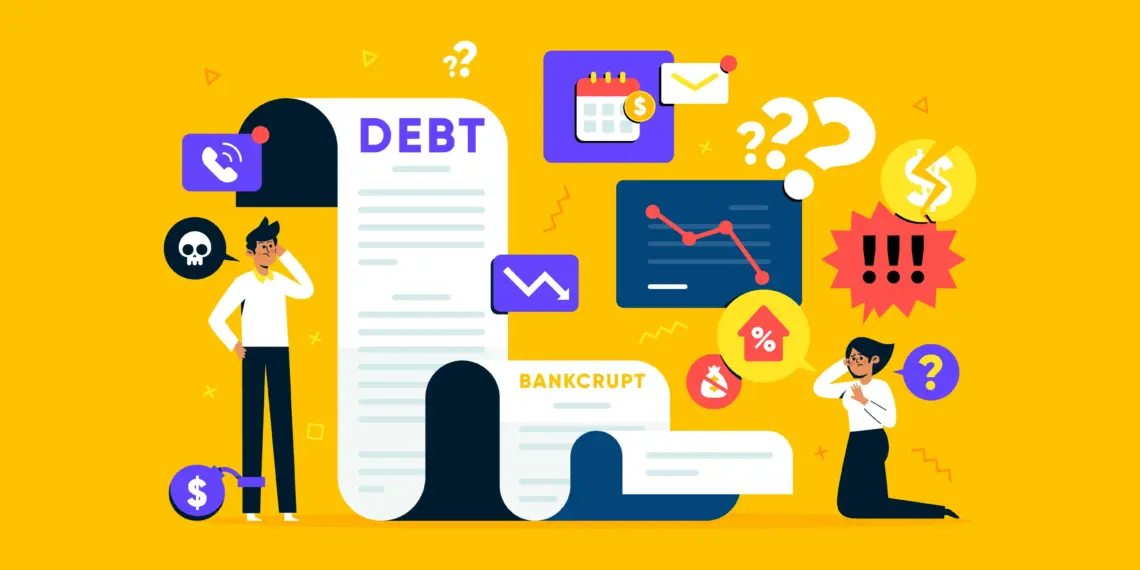
The traditional banking system was hard to navigate for a 22-year-old with no credit history. Enter Fintech and NBFCs (Non-Banking Financial Companies). They have revolutionized lending, but they have also made it “too easy” to borrow.
1. The Buy Now, Pay Later (BNPL) Hook
BNPL services are integrated into almost every shopping and food delivery app. It feels like “free money” because the amount is small and the interest is often hidden or deferred. However, missing even one payment can lead to massive late fees and a hit to the user’s CIBIL score.
2. The Cycle of Multiple Loans
A dangerous trend emerging in 2026 is “loan stacking.” Young borrowers often take a second loan to pay the EMI of the first one. A major chunk of new credit seekers in India are below the age of 25, says CIBIL.
They often opt for personal loans for consumption instead of asset building. Because these apps require minimal KYC (Know Your Customer) and no collateral, it is easy to accumulate 5 or 10 small loans simultaneously. Before they know it, the total monthly EMI exceeds their actual take-home salary.
Economic Pressures and Low Financial Literacy
It would be unfair to say Gen Z is just “reckless.” There are deeper economic reasons why they are leaning on credit.
1. Stagnant Wages vs. Rising Costs
While India’s economy is growing, entry-level salaries in many sectors have not kept pace with the soaring cost of living in metro cities. Rent, electricity, and even basic groceries take up a huge portion of a young professional’s income.
In fact, reports suggest that nearly 39% of Gen Z borrowers have used loans to cover basic necessities like rent or utility bills.
2. The Education Gap
Despite being the most tech-savvy generation, when it comes to basic financial literacy, Gen Z scores the lowest. Many don’t even understand how compound interest works. Or the long-term impact of paying only the “minimum due” on a credit card.
The danger of paying only the minimum amount is that the remaining balance attracts interest rates as high as 40–45% per year. This lack of awareness is the main reason behind the Gen Z debt crisis in India.
Stock Market Training Reviewed & Monitored by SEBI Registered Investment Advisor
Trusted, concepts to help you grow with confidence. Enroll now and learn to start investing the right way.
Know moreDebt’s Impact on Mental Health and Future Goals
Do you think that debt is just a financial problem? The worst part is that debt is also a mental health crisis. Young Indians are reporting higher levels of “financial anxiety.” The constant ping of recovery calls and the fear of a ruined credit score are leading to burnout and stress.
In addition to that, being trapped in debt early in life prevents Gen Z from building long-term wealth. Money that should go into an SIP (Systematic Investment Plan) or an emergency fund is instead eaten away by interest payments. This delay in saving means they might have to work much longer than previous generations. It is against the popular “FIRE” (Financial Independence, Retire Early) movement many of the GenZ kids admire.
Join our Online Course and Learn Stock Marketing the Right Way. Enrol Now!
How to Break the Cycle
To get rid of the Gen Z debt crisis in India, a shift in mindset and habit is required. For the young Indian borrower, here are 4 practical tips to follow:
| 1. The 50/30/20 Rule | Spend 50% of your income on needs, 30% on wants, and 20% on savings or debt repayment. |
| 2. Create an Emergency Fund | Before taking an EMI for a gadget, make sure that you have at least 3 months of expenses parked in a liquid account. |
| 3. Keep a Track of Your EMIs | Total monthly EMIs should never cross 30 to 40% of your net income. |
| 4. Understand the Real Cost | Before clicking “Buy on EMI,” calculate the total interest you will end up paying. Sometimes, waiting two months to save up is much cheaper than paying for 12 months. |
The Gen Z debt crisis in India is a wake-up call for both young individuals and regulators. Even though credit is a powerful tool for growth, using it to fund a temporary “vibe” can end up in a lifetime of financial struggle.
|
RELATED POSTS |
|
Stock Market Training Reviewed & Monitored by SEBI Registered Investment Advisor
Trusted, concepts to help you grow with confidence. Enroll now and learn to start investing the right way.
Know moreFrequently Asked Questions
Why is Gen Z more in debt than Millennials?
Gen Z has easier access to “instant” digital credit and BNPL services, which weren’t as prevalent when Millennials started their careers.
What is the main cause of the Gen Z debt crisis in India?
The primary causes are high lifestyle aspirations fueled by social media, stagnant entry-level wages, and a lack of basic financial literacy.
Is taking an EMI always bad?
No. EMIs for education or assets like a house can be “good debt.” It becomes “bad debt” when used for depreciating lifestyle goods like clothes or expensive dinners.
How does a high debt-to-income ratio affect me?
It lowers your CIBIL score, making it difficult or more expensive to get crucial loans (like a home or car loan) in the future.
What is the "Minimum Due" trap on credit cards?
Paying only the minimum due stops late fees but allows the remaining balance to grow at 40%+ interest, leading to a debt spiral.
Can digital lending apps harass borrowers?
While there are strict RBI guidelines against harassment, some unregulated apps use aggressive tactics. Always borrow from RBI-registered entities.
How can I start getting out of debt?
Stop taking new loans, prioritize paying off high-interest debt first (like credit cards), and create a strict monthly budget to track every rupee.