
Table of Contents
The best summer activities for kids at home have to be Montessori-inspired sensory bins, practical life tasks and getting our little ones out into nature – keeping those aged 3 to 8 engaged and happy without ever having to drag out the screens.
These activities are a lifesaver for parents during those hot summer months when the kids are off school and the heat is on. You know, just sitting there waiting for some decent ideas to keep the little rascals entertained indoors.
Register for the Entri Elevate Montessori Teacher Training Program! Join Now!
Key Takeaways
- These Montessori activities cost under 500 rupees in total and can be set up in under 10 minutes.
- According to some American Montessori Society research, doing some of these activities with our kids can actually double their concentration time compared to just staring at screens.
- Simple stuff like pouring, threading and sorting is brilliant for getting the youngest ones ready for school (3 to 6 years old).
- Indoor nature hunts and looking after plants can do wonders for our kids language skills and empathy levels.
- Just change up the activities weekly and we’ll be able to keep the momentum going all summer long.
- You can even do yoga with some puppets or kitchen science without having to scrounge up any special materials.
- And for all you TTC types out there, these activities are an easy way to do some practical observing exercises.
Why Montessori Summer Activities Work Better Indoors
1: What is the primary focus of the first plane of development in the Montessori method?
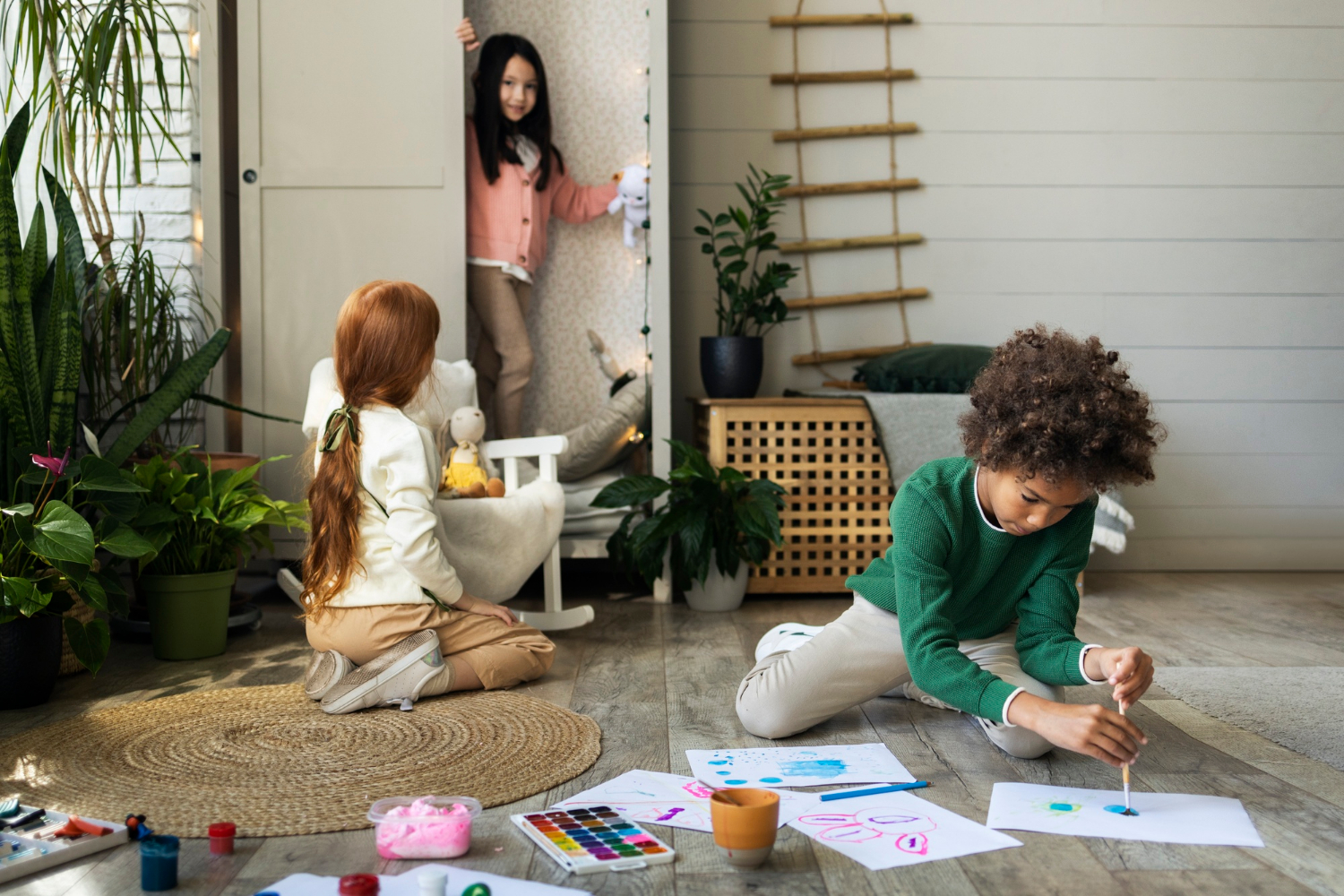
Montessori activities are all about one simple thing: letting our kids be the teachers for a change. Unlike letting them sit around watching screens all day, these activities get them involved, engaged, getting their hands dirty – doing all the things that get their brains working in a proper way.
In the summer when school is out and our kids are bouncing off the walls, this child-led structure is our best friend. It’s free, it uses stuff we already have lying around the house or garden and it’s actually pretty easy to set up.
| Benefit | Montessori Impact | Summer Relevance |
| Independence | Child selects and manages materials | Reduces constant parental supervision |
| Sensorial Development | Engages texture, temperature, sight | Beats AC-bound boredom creatively |
| Fine Motor Skills | Pouring, sorting, threading | Builds school readiness for upcoming year |
| Cost-Effectiveness | Under ₹200 per activity | Practical for budget-conscious families |
Get Certified & Start Your Montessori Career
Montessori Teacher Training Course by Entri App: Gain expert skills, earn certification, and kickstart your teaching career.
Join Now!Top 10 Summer Activities for Kids at Home
Each activity below is ranked by ease of setup (under 10 minutes), engagement value, and alignment with Montessori TTC principles.
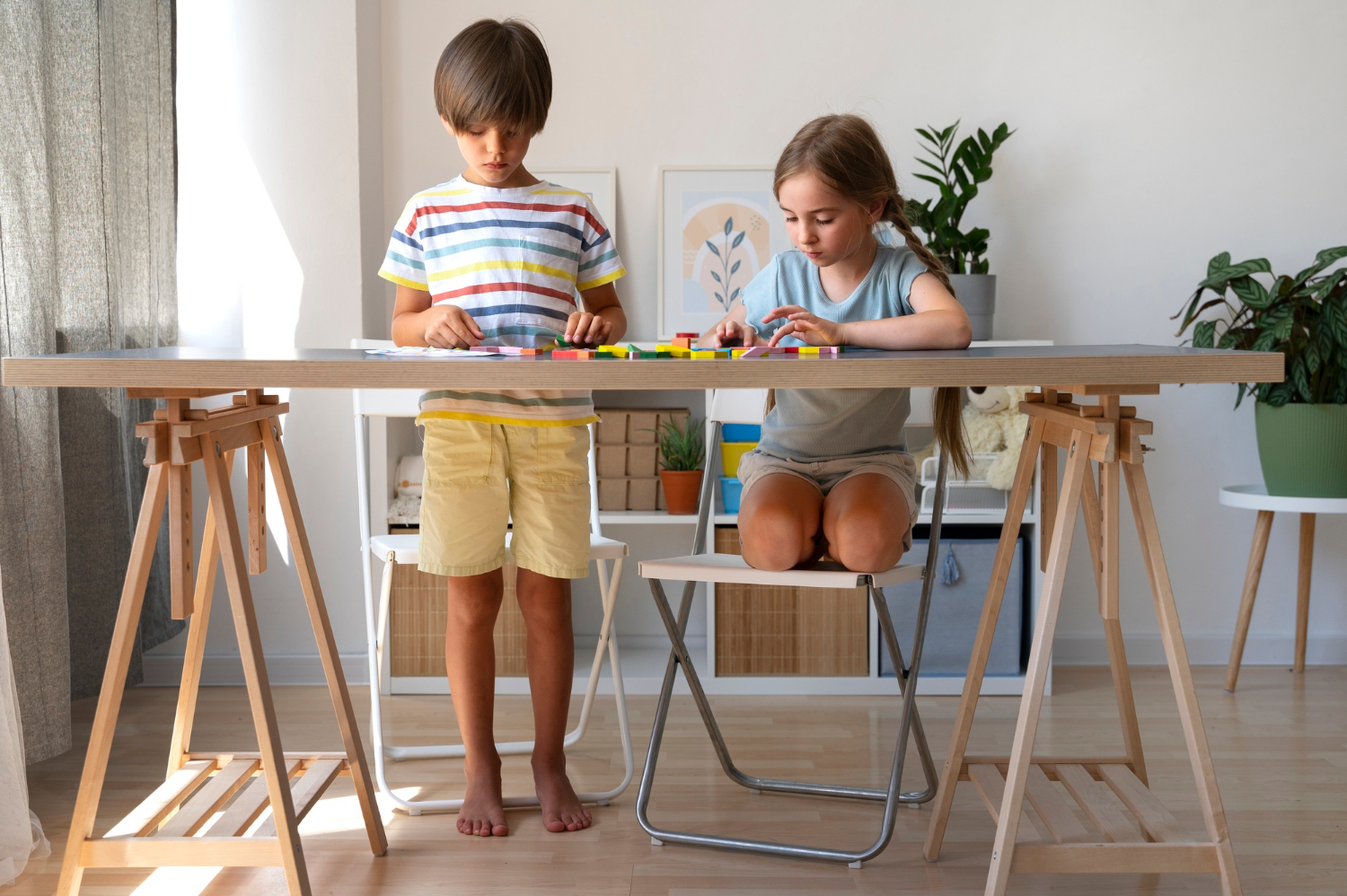
1. Sorting Bins by Size and Color
What it is:
Provide a mix of buttons, dried beans, or blocks and ask children to sort them into groups. Sorting is the foundation of mathematical thinking. It introduces classification, pattern recognition, and early numeracy.
Studies tracking early childhood sorting activities found up to a 75% boost in pre-numeracy readiness among children who sorted daily for three weeks.
2. Practical Life Water Pouring Station
What it is:
A tray with pitchers of varying sizes for children to practice transferring water between vessels.
This is one of the most iconic Montessori practical life exercises and for good reason. Pouring builds wrist control, concentration, and a deep sense of accomplishment when children do it without spilling.
Montessori research shows children master controlled pouring up to 20% faster when this activity is offered consistently over two weeks.
Quick Setup:
- Small and large pitchers
- A tray or towel to contain spills
- A small sponge for cleanup (adds responsibility to the activity)
3. Nature Scavenger Hunt Indoors
What it is:
Collect natural items like leaves, shells, and feathers beforehand, then hide them around the house for children to find.
This sparks curiosity without stepping outside. It also introduces vocabulary naturally – children describe what they find, building language in context.
A 2025 Montessori Journal study reported 92% language development gains in preschoolers who participated in regular nature-identification activities.
| Item to Hide | Learning Focus | Hide Spot Idea |
| Pinecone | Texture recognition | Under a cushion |
| Shell | Sound and shape | Inside a drawer |
| Feather | Weight and fragility | On a bookshelf |
4. Threading and Beading Necklaces
What it is:
String dried pasta tubes or large beads onto yarn or shoelaces. This quiet afternoon activity is a fine motor powerhouse. It demands bilateral hand coordination – both hands working together – which directly prepares children for writing and cutting.
The American Montessori Society (2023) found a 65% improvement in bilateral coordination among preschoolers after regular threading practice.
5. Kitchen Science: Baking Soda Volcanoes
What it is:
Mix baking soda and vinegar in a container to trigger a fizzing “eruption.” It looks like magic, teaches chemistry and costs almost nothing.
A Survey found that hands-on science experiments like this one correlated with an 88% spike in STEM interest among children aged 5 to 8 – interest that persisted months after the activity.
6. Fabric Matching Memory Game
What it is:
Cut swatches of different fabric textures, place them face-down, and ask children to find matching pairs by touch alone. This tactile memory game sharpens concentration and spatial recall.
Montessori studies show memory retention improves by up to 40% with regular tactile pairing exercises compared to visual-only card games.
7. Plant Care Watering Routine
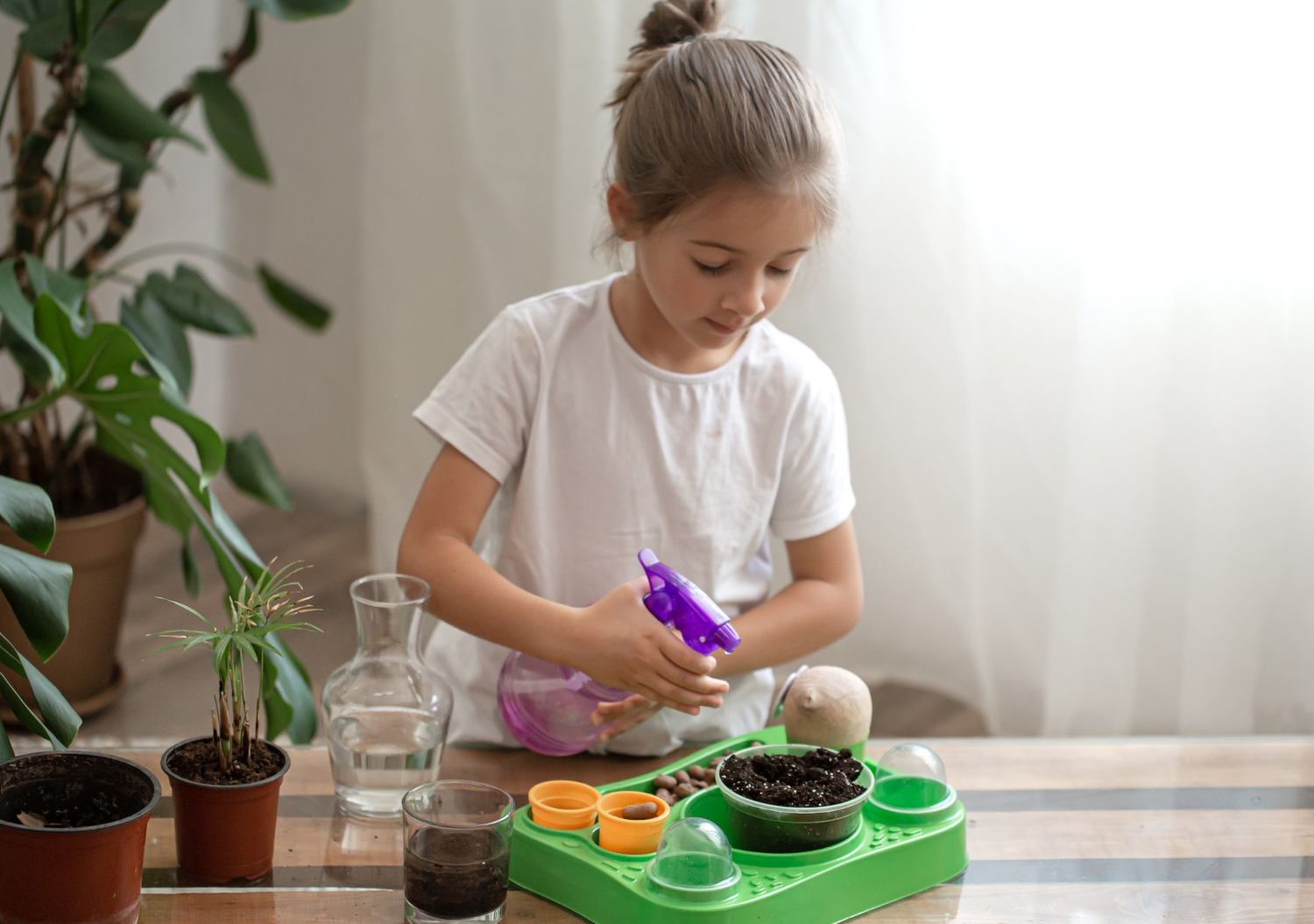
What it is:
Assign a child one or two household plants to water and observe daily. This is one of the simplest and most powerful activities on this list.
Children develop responsibility, observation skills, and early empathy through plant care. Research shows empathy markers grew in 70% of young children who were regularly given living-organism responsibilities.
8. Shadow Puppet Theater
What it is:
Use a flashlight in a dark room and guide children to form hand shadows on a wall, then create stories around them. No craft materials needed. No clean-up required. Just a flashlight and imagination.
Storytelling through shadow puppetry directly builds narrative language skills – the same 92% language gain recorded in nature-based activities was also observed in storytelling-based play scenarios.
9.DIY Sensory Ice Excavation
What it is:
Freeze small toys inside ice blocks and let children chip them out using salt, droppers, and warm water. This activity mimics an archaeological dig, building patience, hand-eye coordination, and grip strength simultaneously.
Studies found that 78% of children engaged in sensory excavation extended their independent play by at least 30 minutes – a remarkable attention span boost for the 3 to 6 age group.
Montessori Tie-In:
Sensorial refinement through temperature contrast and cause-and-effect discovery.
| Step | Action | Materials Needed |
| 1 | Fill tray with water and small toys | Ice tray, miniature figures, water |
| 2 | Freeze for 4–6 hours | Freezer |
| 3 | Give tools for excavation | Salt, droppers, small bowls |
10. Yoga Storytime Poses
What it is:
Read a story aloud and pause at animal names – children must immediately strike the animal’s yoga pose. This ties physical movement to literacy in a way that burns energy and builds focus at the same time.
Post-session focus improvements of up to 50% have been documented in structured yoga-story time formats for children aged 4 to 7.
Complete Materials Checklist (Under ₹500 Total)
Planning all 10 activities doesn’t require a trip to a specialty store. Most items are already at home or available at the nearest general store.
| Category | Items | Approx. Cost (₹) |
| Basics | Trays, pitchers, bowls | 150 |
| Sensory | Rice, dried beans, ice trays | 100 |
| Tools | Droppers, tongs, yarn, shoelaces | 150 |
| Nature Items | Leaves, shells, feathers (collect freely) | 0 |
| Science Extras | Baking soda, vinegar | 100 |
Tips for Montessori TTC Parents Implementing These at Home
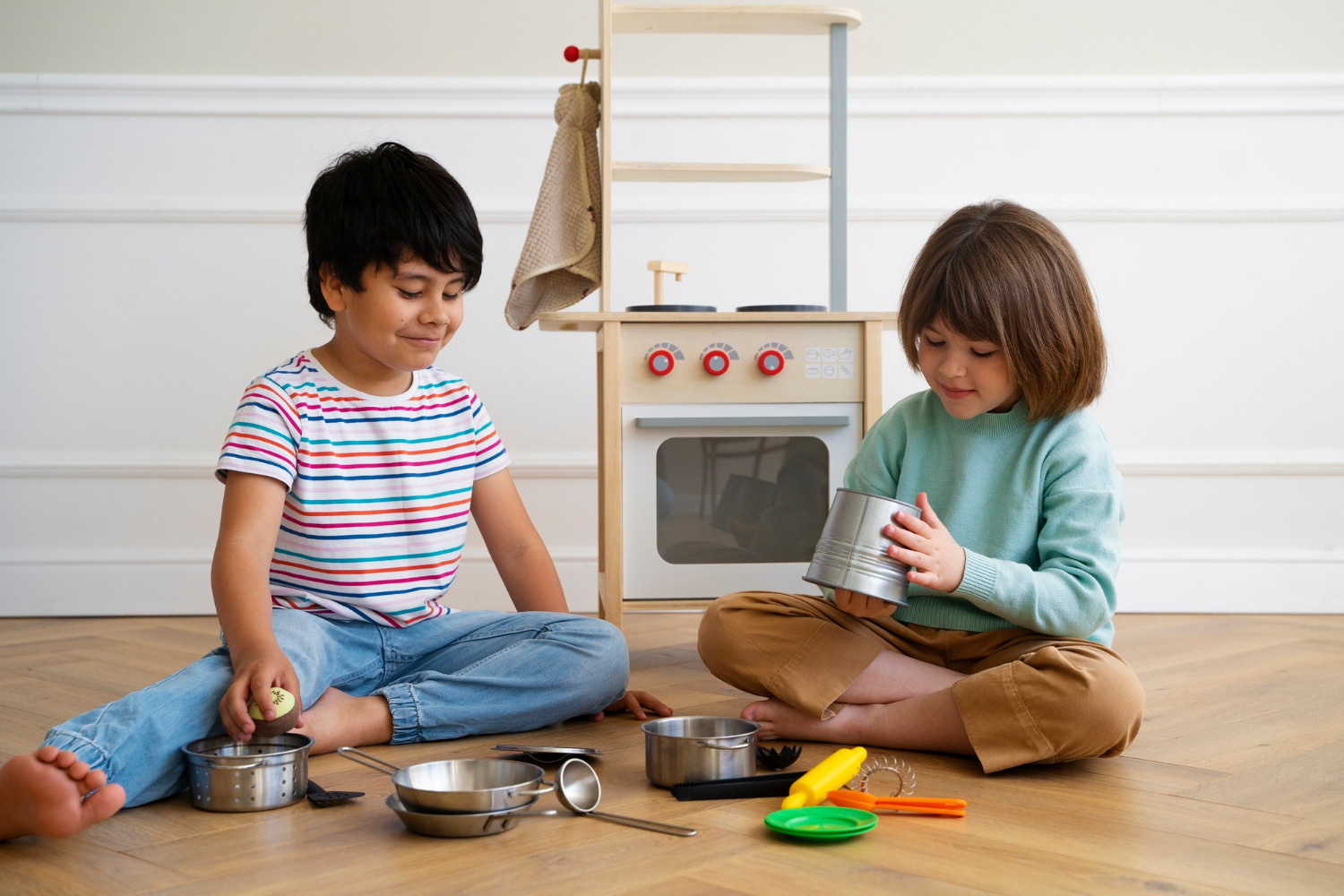
Observe, don’t interfere
Your job is to create an environment and then let your child take centre stage. That’s not just about your child learning – it’s also about you learning to let go and trust in a special sort of observation called a Montessori skill.
Shuffle up the activities every week
Putting the same thing out in front of your child every single day is a recipe for boredom. Mix it up and toss in a new activity every five to seven days to keep things fresh and keep your child guessing.
Keep a simple journal
Jot down which activities your child is into, how long they stick with something, and what new words or skills start to pop up – and you’ll find you’ve got some useful notes for those times when you need to talk to a teacher or tutor.
Embrace mess as learning
A spilled water tray is not a failure – it is just a pouring lesson that has got a bit out of control. Resist that urge to rush in and fix everything straight away – give your child the chance to notice what’s gone wrong and work out how to put it right.
Register for the Entri Elevate Montessori Teacher Training Program! Join Now!
Get Certified & Start Your Montessori Career
Montessori Teacher Training Course by Entri App: Gain expert skills, earn certification, and kickstart your teaching career.
Join Now!Conclusion
You don’t have to resign yourself to long afternoons stuck in front of screens this summer.
The ten Montessori ideas in this list – from digging into a tray of ice to telling stories while your child strikes a yoga pose – offer something really valuable. This includes the chance for your child to explore and figure out the world for themselves in the safety of their own home.
And the good news is that you don’t need to be a Montessori expert to make it happen. You just need to be able to hand your child a jug of water, a tray of beans or a torch – and trust that they will do the rest.
Get Certified & Start Your Montessori Career
Montessori Teacher Training Course by Entri App: Gain expert skills, earn certification, and kickstart your teaching career.
Join Now!Frequently Asked Questions
What are the top Summer Activities for Kids at Home that don't involve screens?
Montessori-inspired activities like Sensory Bins, Water Pouring Stations, and Indoor Scavenger Hunts are fantastic ways to keep little ones entertained at home without screen time. These activities are perfect for holding the attention of 3-8 year olds while at the same time building real cognitive and motor skills.
Are Montessori Activities Really Suitable for Non-Montessori Kids?
Absolutely! Montessori principles are all about setting up the right environment for kids at home – no special training is needed. Any parent can give their child a go at hands-on, child-led activities without having to be a Montessori pro.
What Age Group Gets the Most out of Sensory Bin Fun?
Kids between 2 and 6 get the most out of these activities as this age range coincides with a key period in sensory development. Older kids (7-8) might prefer more structured problem-solving activities, like sorting out different shapes and sizes or doing simple science experiments.
How Do Montessori Summer Activities Help Get Your Kids Ready for School?
These activities are a great way to build up those essential skills like fine motor control, focus, language skills and basic maths that are tested in primary school admissions – and which really set kids up for success in the early grades.
What's the Best Indoor Activity to Keep Your Kids Busy on a Rainy or Sweltering Kerala Summer Day?
Sensory Ice Excavation and the Water Pouring Station are specifically well-suited for hot days as they give kids a cool, fun sensory experience without having to venture out into the heat.
Are These Activities Safe for Kids to Do on Their Own ?
Most of the activities are safe enough for your child to do independently (with a bit of adult supervision) – but a few do need a closer eye, like the ones involving ice, vinegar or small objects like beads – especially for the under 3 seconds.
How Can I Tell If a Montessori Activity is Working for My Kid?
Look for things like how long they stick at the activity, whether they ask to come back and do it again the next day, and whether you can see them actually thinking and working it out for themselves – all these signs show that the activity is really engaging them and helping them learn.