
Table of Contents
Lunch box ideas for new school kids can be made the best choices by including three primary factors. Make it Montessori-inspired, have balanced diets and include compartmentalized meals. This should include whole grains, protein, vegetables, fruits and healthy fats. Also make sure you find an easy-to-open container that your kid can manage on their own.
Another important factor that makes a Montessori lunchbox different from a regular packed lunch is that it is designed to build:
- Independence
- Curiosity
- Healthy eating habits
Studies show that kids eat more and better when their food is visually appealing to them. It also makes a difference when served in the correct portion and presented in a way that lets them make their choices.
Register for the Entri Elevate Montessori Teacher Training Program! Join Now!
Key Takeaways
- Include one item from each category in the meal: protein, whole grain, fruit, vegetable, healthy fat.
- Use compartmentalized boxes (Bento/Bentgo or stainless steel).
- Keep textures separate as it is critical for sensitive eaters.
- Cut food into small, manageable pieces. Match piece size to chewing ability and fine motor skills.
- Use easy-to-open containers; it is non-negotiable.
- Colors engage curiosity and ensure micronutrient variety.
- Pack lunch together with your child. This builds confidence through Montessori practical-life activity.
- Rotate variety across the week. Variety prevents food fatigue as well as picky eating.
Why Montessori Lunchboxes Work Differently
1: What is the primary focus of the first plane of development in the Montessori method?
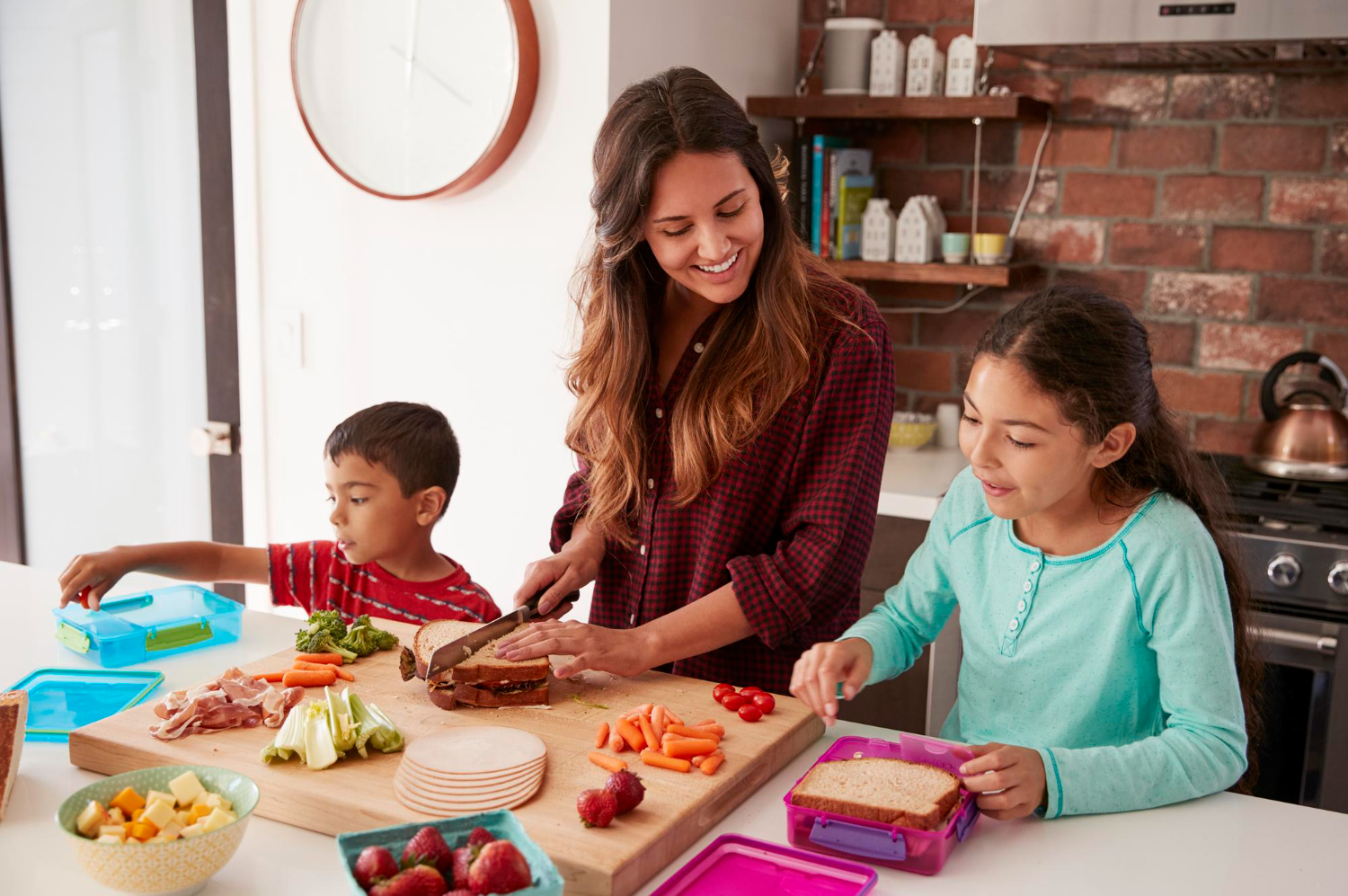
In most cases, school lunches are packed prioritizing convenience, both at the parent’s as well as kid’s end. It usually will be a full sandwich, a juice pouch, bread and jam or even biscuits.
When it comes to a Montessori lunchbox, this whole practice is left behind. Instead of feeding a child passively and getting it over with, a Montessori lunchbox turns lunchtime into an active eating experience. Here the child opens their own containers, decides what to eat first, and tidies up afterward.
Let’s go through the factors that set it apart:
| Aspect | Traditional Lunchbox | Montessori Lunchbox |
| Food presentation | Pre-assembled sandwich, mixed items | Buffet-style, separate compartments |
| Child independence | Adult opens everything | Child opens lids, chooses order |
| Portion size | Large servings | 4 to 6 manageable small items |
| Primary goal | Fill the stomach | Self-care, decision-making, sensory exploration |
The Result: Kids who are calmer and disciplined at lunch, more interested with having food, and better prepared for the classroom activities that follow.
Get Certified & Start Your Montessori Career
Montessori Teacher Training Course by Entri App: Gain expert skills, earn certification, and kickstart your teaching career.
Join Now!Core Principles for Packing a Montessori Lunchbox
Fundamentally, getting the basics right makes all the difference. Here are the 5 principles that every Montessori-style lunchbox should follow:
| Principle | What It Means | Practical Example |
| Age-appropriate prep | Match food size and texture to the child’s skills | Halved grapes, cubed paneer, torn roti pieces |
| Balanced nutrition | One item from each food group | Idli + egg + banana + cucumber + yogurt |
| Purposeful variety | Rainbow colours and mixed textures | Red pepper, green broccoli, yellow corn |
| Compartmentalization | Keep foods separate to prevent mixing | Bento box or stainless steel tiffin with dividers |
| Easy-open containers | Child can open and close without help | Silicone lids, simple push-click latches |
Every component has a job. Together, they make a meal that truly nourishes.
- The protein keeps energy steady.
- The grain gives fuel.
- The fruit and vegetables offer colour and micronutrients.
- Healthy fat supports brain development.
Best Lunch Box Ideas by Food Category
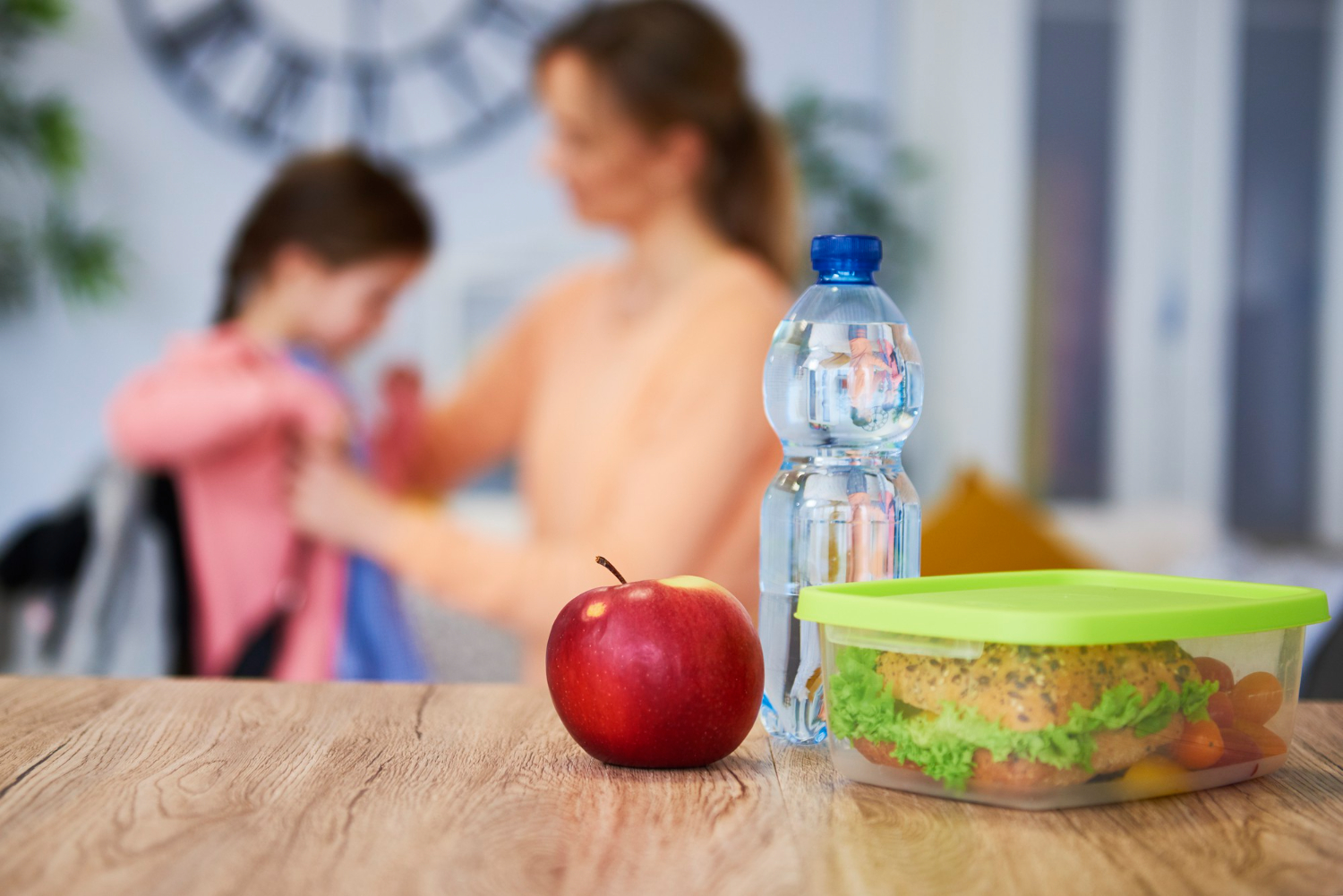 This is where the planning gets practical. The table below maps each food group to everyday child-friendly Indian options.
| Category | Montessori-Friendly Indian Options | Ideal Portion |
| Protein | Boiled egg pieces, paneer cubes, chana, moong dal, chicken mince | 2 to 3 tbsp |
| Whole Grain | Mini idlis, whole wheat roti half, millet crackers, oats muffin, rice balls | 1 to 2 small pieces |
| Fruit | Halved grapes, banana coins, apple slices, papaya cubes, orange segments | 3 to 4 pieces |
| Vegetable | Cucumber sticks, carrot ribbons, broccoli florets, cherry tomatoes, bell pepper strips | 3 to 4 pieces or sticks |
| Healthy Fat | Full-fat yogurt, avocado slices, nut butter dip, coconut chutney, hummus | 1 to 2 tbsp |
| Optional Treat | Homemade trail mix, coconut laddu bite, dark chocolate chip | 1 small piece |
Pro tip:
Every item must have a yes to the “can my child pick this up easily?” question. If it needs a spoon, a fork, or adult help to break apart, it needs more preparation.
Age-Appropriate Lunchbox Adaptations (3 to 6 Years)
A 3-year-old and a 6-year-old have very different abilities at the lunch table. Matching the food to the developmental stage prevents frustration and also choking risks.
| Age Group | Chewing Ability | Container Type | Food Prep Style |
| 3 to 4 years | Soft, small pieces only | Simple lids, silicone pouches | Pre-cut, no sharp edges, no whole grapes or cherry tomatoes |
| 4 to 5 years | Moderate chewing, some crunch | Basic push-click latches | Child-safe knife work on soft foods (banana, cucumber) |
| 5 to 6 years | Full chewing, kebabs possible | Slightly layered containers | Deconstructed wraps, blunt wooden skewers, self-assembly boxes |
Children aged 5 and above can begin packing their own lunches from pre-prepped components. This can be a powerful Montessori practical-life milestone. Give them a tray with options and let them fill their box. You’ll be surprised how seriously they take it.
Safety note:
Always cut grapes, and berries in half for children under 5. Round foods are a choking hazard and should never go in whole.
Get Certified & Start Your Montessori Career
Montessori Teacher Training Course by Entri App: Gain expert skills, earn certification, and kickstart your teaching career.
Join Now!Child-Friendly Containers and Why they Matter
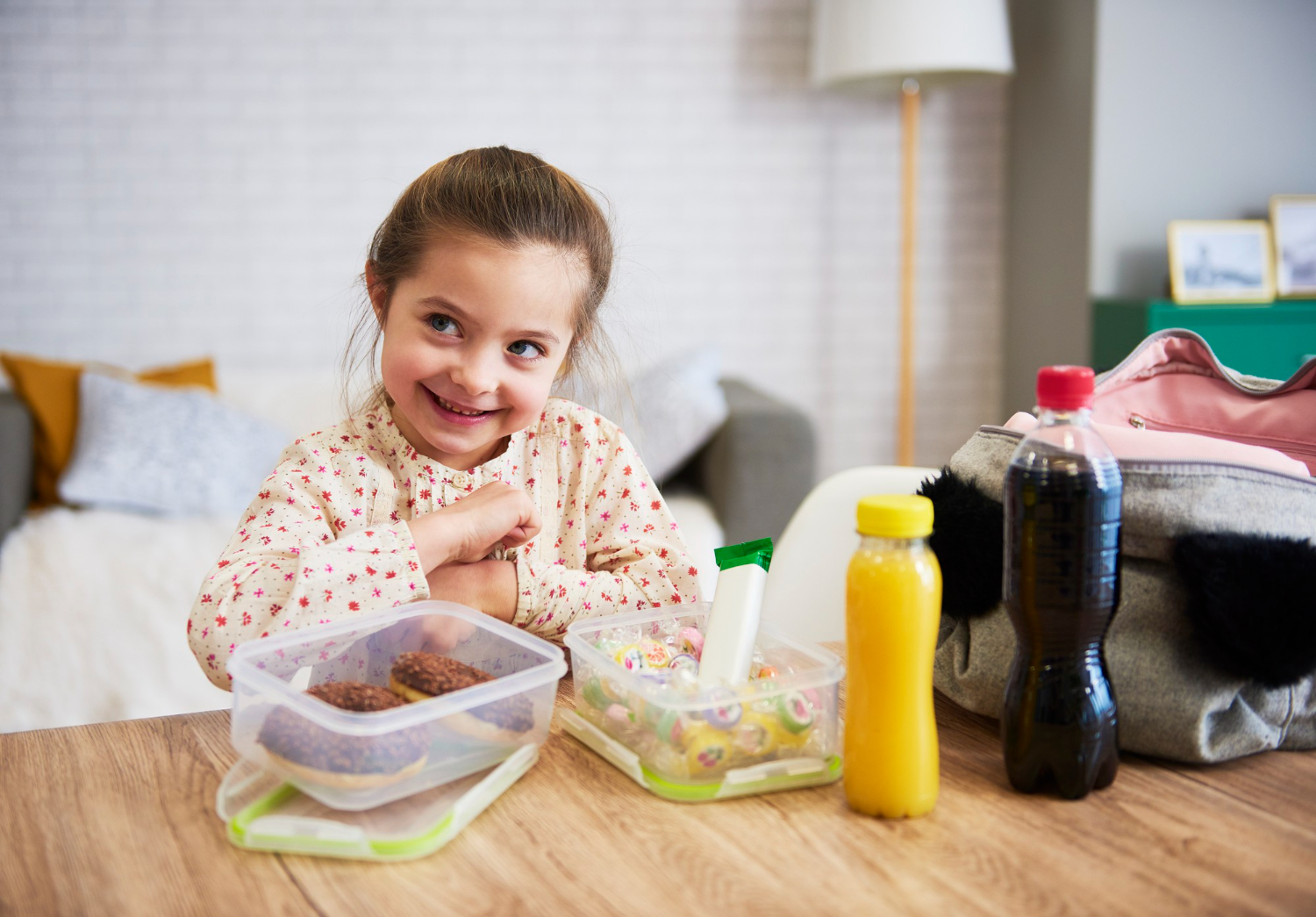
Finding the appropriate box for your kid is as important as what goes in it. A child who struggles with a tight lid or a leaky container will simply stop trying to eat or lose interest in having food altogether..
| Container Type | Why It Works | Montessori Skill Developed |
| Bento/Bentgo box | Built-in dividers, no mixing | Choice-making, organisation |
| Small round containers | Easy lids, stackable | Opening/closing, tidying |
| Silicone lids | Pull-off easily, tactile feedback | Fine motor development |
| Stainless steel compartment tiffin | Non-toxic, durable, eco-friendly | Environmental awareness |
Look for boxes with not more than 5 compartments for toddlers and younger children as too many sections might add confusion. Indian-made stainless steel tiffins with 3 to 4 sections are excellent, safe, and built to last.
Sample 7-Day Montessori Lunchbox Plan
Here’s a full week of balanced, India-friendly lunchbox ideas. Each day follows the 4 to 6 items rule and includes all the 5 food groups.
| Day | Protein | Whole Grain | Fruit | Vegetable | Healthy Fat |
| Monday | Boiled egg pieces | Mini idli (2) | Banana coins | Cucumber sticks | Yogurt cup |
| Tuesday | Paneer cubes | Whole wheat roti half | Apple slices | Carrot ribbons | Avocado slices |
| Wednesday | Chana salad | Millet crackers | Berry clusters (halved) | Broccoli florets | Nut butter dip |
| Thursday | Chicken mince balls | Oats muffin | Halved grapes | Cherry tomatoes (halved) | Full-fat yogurt |
| Friday | Moong dal fry | Small rice ball | Orange segments | Bell pepper strips | Coconut chutney |
| Saturday | Tofu cubes | Roti pinwheel | Pineapple chunks | Zucchini sticks | Hummus dip |
| Sunday | Sprouts salad | Soft bread half | Papaya cubes | Cucumber rounds | Peanut butter |
This routine cuts morning packing time to under 10 minutes.
Common Lunchbox Mistakes to Avoid
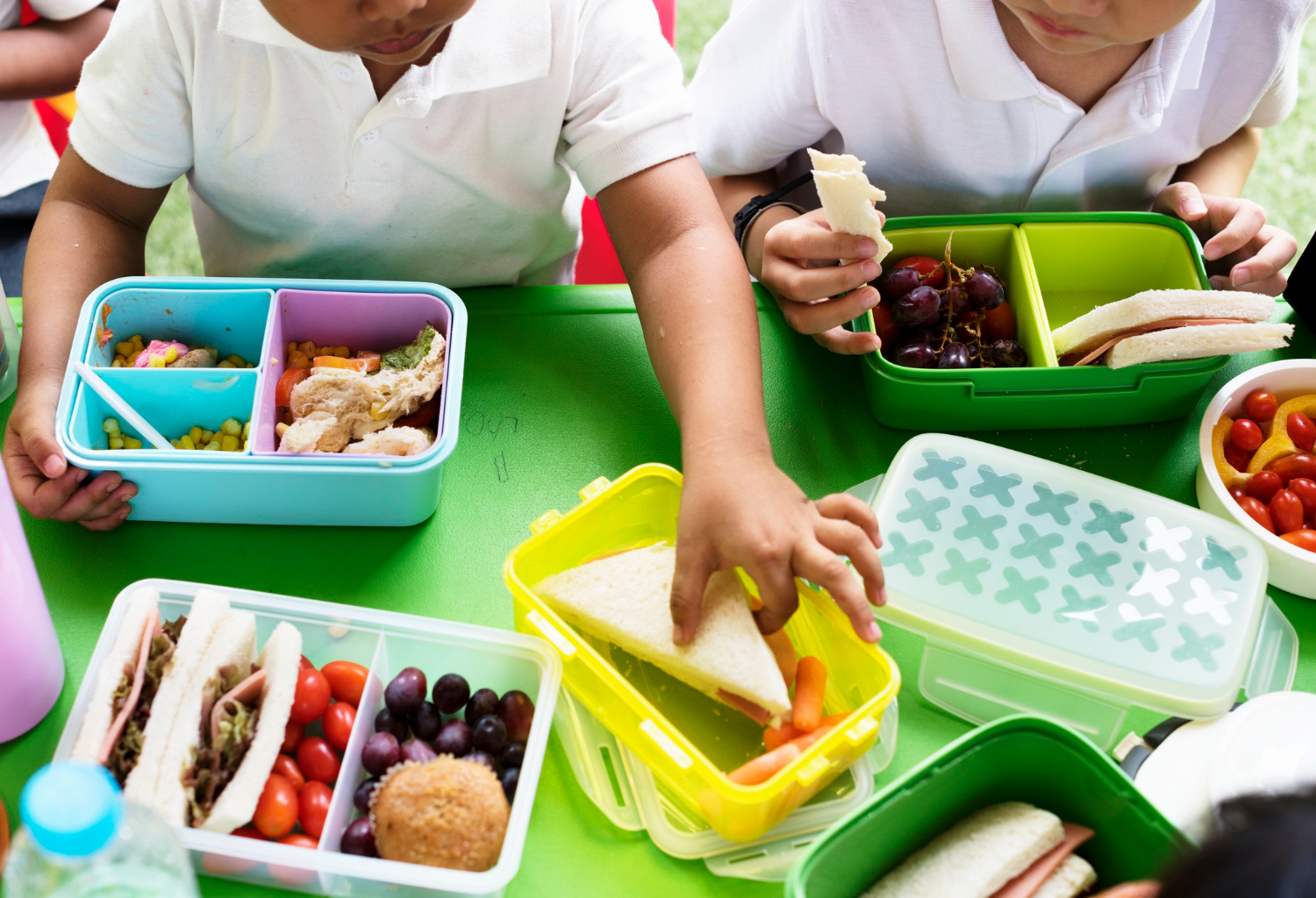
Even well-meaning parents fall into these traps. Here’s what to watch out for and also how to fix it.
| Mistake | Why It Fails | The Fix |
| Overpacking the box | Child feels overwhelmed and eats nothing | Stick to 4-6 small items only |
| Mixing all foods together | Textures clash; sensitive eaters shut down | Always use a compartmentalized box |
| Large, hard-to-chew pieces | Choking risk and lunchtime frustration | Cut everything small and soft for the age group |
| Opening everything for the child | Child loses the independence skill | Pack only easy-open containers |
| Repeating the same lunch daily | Food fatigue leads to picky eating | Rotate proteins and fruits every day |
| Packing only favourite “safe” foods | Limits nutritional variety and exposure | Pair one new food alongside two familiar ones |
The “one new, two familiar” rule is one of the most effective strategies used by Montessori educators.
Register for the Entri Elevate Montessori Teacher Training Program! Join Now!
Conclusion
Making up your mind about the best lunchtime meal schedule is not that complicated. Once you fix the best lunchbox meal for your kid, it can be less time consuming. All you need to do is make it an intentional practice.
Your priorities must be having balanced food groups in small portions, finding child-safe containers, and making it visually appealing to your kid. By getting this into your child’s system, you won’t just be feeding your kid but also teaching them to take things into their control. That’s the highlight of a Montessori lunchbox.
Start with the one-week plan adapting it to your family’s preferences. Try to involve your child while you pack the food whenever it is possible. It is proved that the habits built at the lunch table at a young age will shape eating patterns for years to come.
Get Certified & Start Your Montessori Career
Montessori Teacher Training Course by Entri App: Gain expert skills, earn certification, and kickstart your teaching career.
Join Now!Frequently Asked Questions
What are the best lunch box ideas for new school kids?
Pack protein (paneer, egg, dal), whole grain (idli, roti), fruit, vegetables, and healthy fat in a compartmentalized, easy-open container. Keep meals to 4 to 6 small items to prevent overwhelm and encourage finishing the food.
What containers are best for school kids' lunch boxes?
Use Bento-style boxes, stainless steel tiffins with 3 to 4 compartments, or containers with silicone lids and simple latches. The child must be able to open and close them independently.
How do I prevent my child from not eating their lunch?
Keep portions small (4 to 6 items), separate textures with compartments, include one known favourite, and involve your child in packing. Children eat more when they help choose the food.
What protein sources are good for a toddler's lunchbox?
Boiled egg pieces, soft paneer cubes, cooked chana, moong dal, chicken mince balls, and tofu cubes work well. Aim for 2 to 3 tablespoons per serving.
How do I handle picky eaters at lunchtime?
Use the “one new, two familiar” rule: pack one unfamiliar food with two foods the child already enjoys. Repeated exposure builds acceptance without force.
Is it safe to pack grapes or cherry tomatoes for young children?
Whole grapes and cherry tomatoes are choking hazards for children under 5. Always cut them in half lengthwise before packing.
What healthy fats can I include in a school lunch box?
Include full-fat yogurt, avocado slices, nut butter, hummus, coconut chutney, or peanut butter. These support brain development and keep children fuller longer.
At what age can children start packing their own lunch?
Children aged 5+ can assemble lunch from pre-prepped components laid out by a parent. This Montessori practical-life activity builds responsibility and fine motor skills.
What grains are best for a child's school lunch box?
Use whole wheat roti, mini idlis, millet crackers, oats muffins, rice balls, or soft whole grain bread. They provide sustained energy without refined grain sugar crashes.
How is a Montessori lunchbox different from a regular school lunch?
Regular lunches are adult-assembled and focus on calories; Montessori lunchboxes prioritize independence, sensory variety, small portions, and skill development. Lunchtime becomes a learning experience, not just a meal.