Table of Contents
Introduction
Ever noticed how you clench your fists unconsciously when stressed? Do you place your hand on your heart when you get emotional? Well, most of you do. Interestingly, both research as well as traditional wisdom suggest that simple hand gestures influence the mind and the nervous system. This is exactly how mudras work.
In yoga, mudras are just symbolic hand gestures that are designed to channel prana (life force energy) within the body. The mudras have been practised for thousands of years to support physical healing, clarity, and spiritual awakening. It works well in calming anxiety. But it goes beyond and helps in balancing chakras and deep meditation. The mudras offer powerful benefits without demanding flexibility, strength, or hours of practice.
Whether you are a complete beginner or someone looking to make progress, here’s all you need. The thing about mudras is that they can give you a load of benefits without needing to be super flexible, super strong or even practicing for hours on end. You will also get to know about the key types of yoga mudras and their benefits. Further, you will know how mudras support chakra balancing actively. You will get step-by-step techniques for daily practice right away.
Want to step up? Join our Yoga Instructor Course Online!
What Are Mudras? Understanding the Basics
1: Which of these is the primary goal of yoga practice?
The word “Mudra” comes from Sanskrit, meaning seal, gesture, or lock. In yogic philosophy, mudras act like energy switches. It directs the flow of prana to specific areas of the body and the mind.
How Mudras Work
Our hands are found to contain thousands of acupressure points connected to organs, glands, and energy channels (nadis). When fingers touch in specific patterns, they create energetic circuits that influence both the physical and subtle body.
Science Behind Mudras
Modern neuroscience strongly supports the idea of how mudras work. The sensory-motor cortex devotes a large area to the hands. This means hand positions can directly affect brain activity. EEG-based studies published in journals of alternative medicine have shown that certain mudras promote alpha brain waves, associated with calm focus and meditation.
Ayurveda has some very interesting connections between our fingers and the five elements – earth, water, fire, air, and space.
Mudras vs Asanas and Pranayama
Asanas – these are physical postures that require actual movement
Pranayama – are all about breath control techniques
Mudras – these are much more subtle and involve very little actual movement
Mudras may be gentle, but they can have a profound effect on your body and mind. And the best part is – they are perfect for people of all ages.
When Can You Practice Mudras?
To be honest, you can do mudras anywhere and at any time. Whether you are sitting, standing, walking or even meditating, mudras will fit right into your daily life.
Become a Certified Yoga Instructor
Yoga Teacher Training Course by Entri App: Master authentic yoga techniques, earn certification, and build a successful career as a professional yoga instructor.
Join Now!Types of Mudras: A Comprehensive List
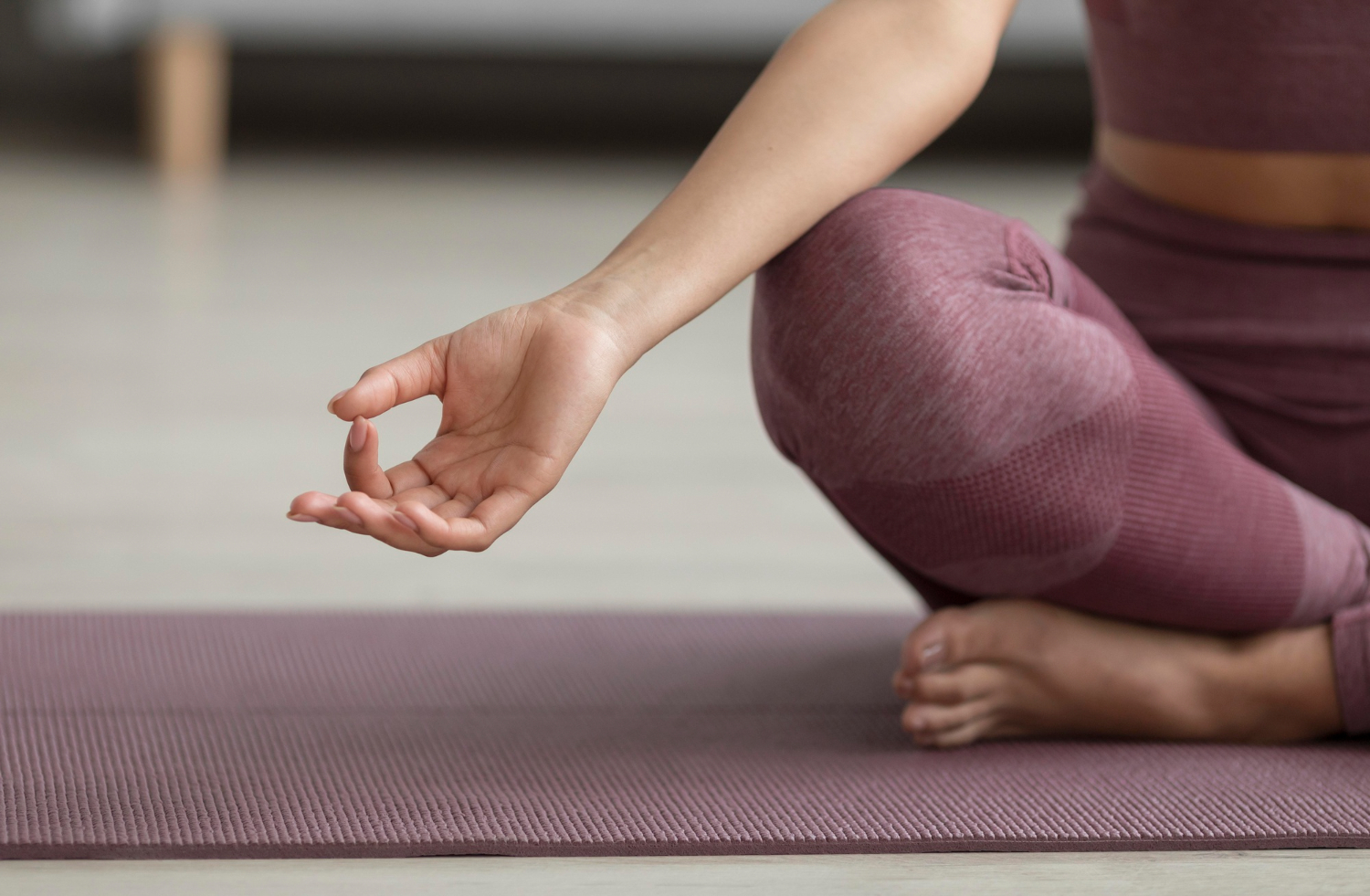
Jnana Mudra (Knowledge Seal)
- Making it work: Just touch the tip of your index finger to your thumb
- How it helps: Muddling all sorts of benefits like improved concentration and a deeper meditation
- Best for: Students and meditators looking to stretch their mind
Chin Mudra (Consciousness Seal)
- A slight variation: Chin is a bit like Jnana, but your palms face upwards
- How it helps: This one is great for calming down the nervous system and even helping you sleep
- Who it’s for: Anyone having trouble sleeping
Prana Mudra (Life Force Seal)
- How to form it: Your thumb should be touching the ring and little fingers
- How it helps: Prana, amongst other things, will give you a boost in energy and also keep your eyes healthy
- Tip: Try and get some practice in in the morning before you eat
Gyan Mudra
- Why try it: Improves your memory and just generally helps with studying
- Do this for: Exam prep or all those long hours staring at a computer screen
Vayu Mudra (Air Seal)
- How it helps: Relieves joint pain arthritis and some pretty nasty gas issues
- Who it is for: Anyone struggling with a Vata imbalance
Apana Mudra
- Benefits: Detoxification, digestion, and elimination
- Helpful for: Constipation and urinary health
Other Important Mudras
- Surya Mudra: Metabolism and weight management
- Varuna Mudra: Hydration and skin health
- Shunya Mudra: Ear problems and vertigo
- Linga Mudra: Heat generation and immunity
Pro tip: Start with 5 to 15 minutes daily, then increase gradually.
Benefits of Mudras: Physical, Mental, and Spiritual
Physical Health Benefits
- Helps improve blood circulation. It reduces hypertension
- Highly effective in supporting digestion and metabolism of body
- Helps relieve pain for those with migraines, arthritis, and joint stiffness
Mental and Emotional Benefits
- Helps reduce stress and anxiety (Hakini Mudra)
- Works best in enhancing focus and sleep quality
- Helps develop emotional grounding and anger control (Prithvi Mudra)
Spiritual and Energetic Benefits
- Helps stimulate kundalini energy
- Best for deepening meditation and mindfulness
- Studies show that positive EEG shifts toward relaxed awareness
Mudras for Chakra Balancing: Step-by-Step Guide
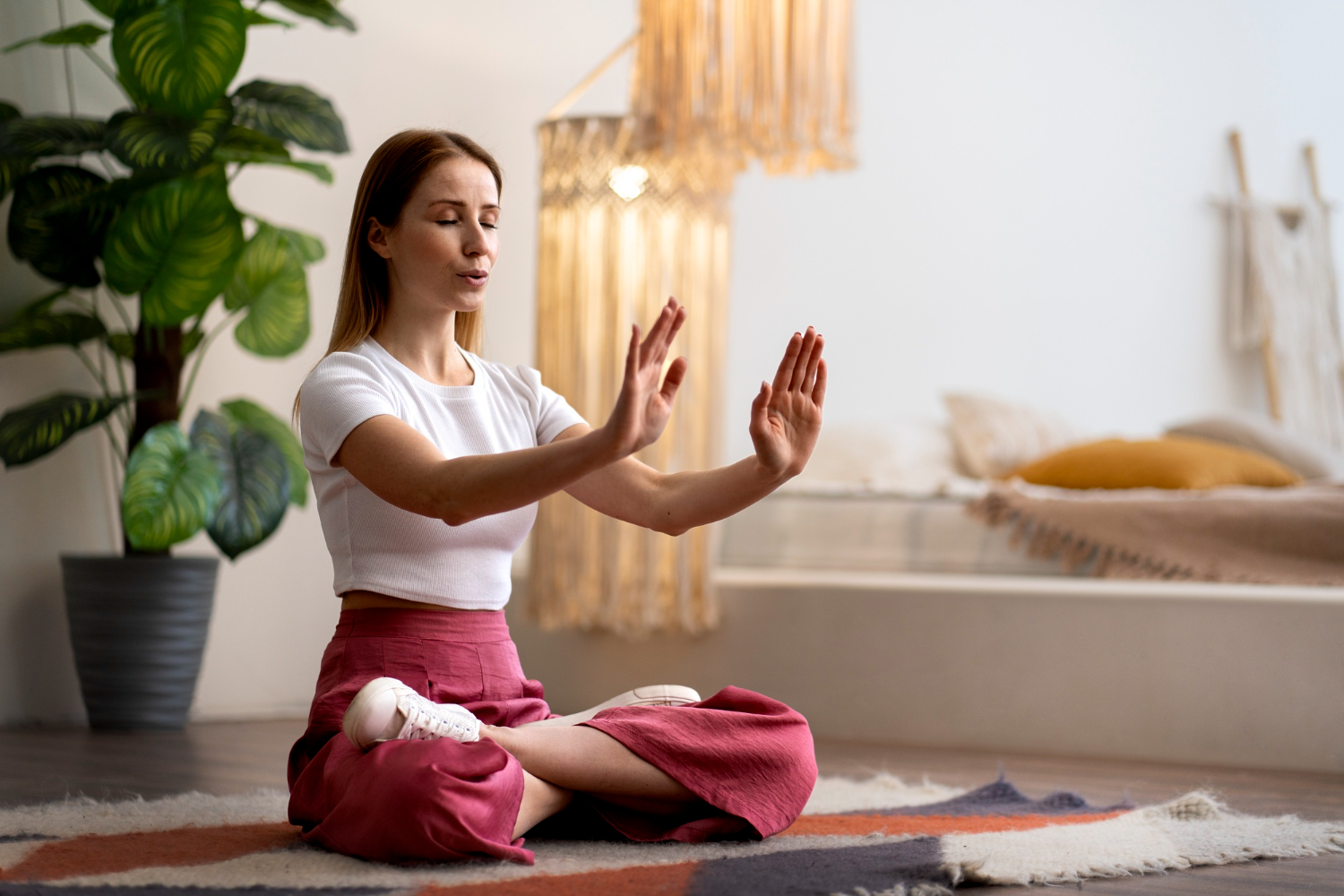
Root Chakra (Muladhara) – Prithvi Mudra
- Hand Position: the thumb on the ring finger – you’ll find it easy to get into the correct position and get a feel for it
- Benefits: this mudra can really help with feelings of grounding, stability and security – it’s like getting a big hug for your whole being
- Practice: try doing it for 15 minutes in the morning – it’ll get your day off to a grounding start. or whenever you need a little stability in your life
- Affirmation: try saying “I am safe and supported” to yourself while you do it – feel the words in your heart and let them sink in
Sacral Chakra (Svadhisthana) – Varuna Mudra
- This one is especially good for enhancing your creativity – get those juices flowing and let your imagination soar
- It also helps with emotional flow, and can even have a positive impact on your reproductive health
- Just visualise a nice orange light in the lower abdomen area, and let it do its thing
Solar Plexus (Manipura) – Agni Mudra
- This mudra is great for building confidence – and also for getting your digestive fire going, so try doing it before a meal or at the start of your day
- It’s also been known to boost your energy levels, so you might find you can tackle your day with a bit more enthusiasm
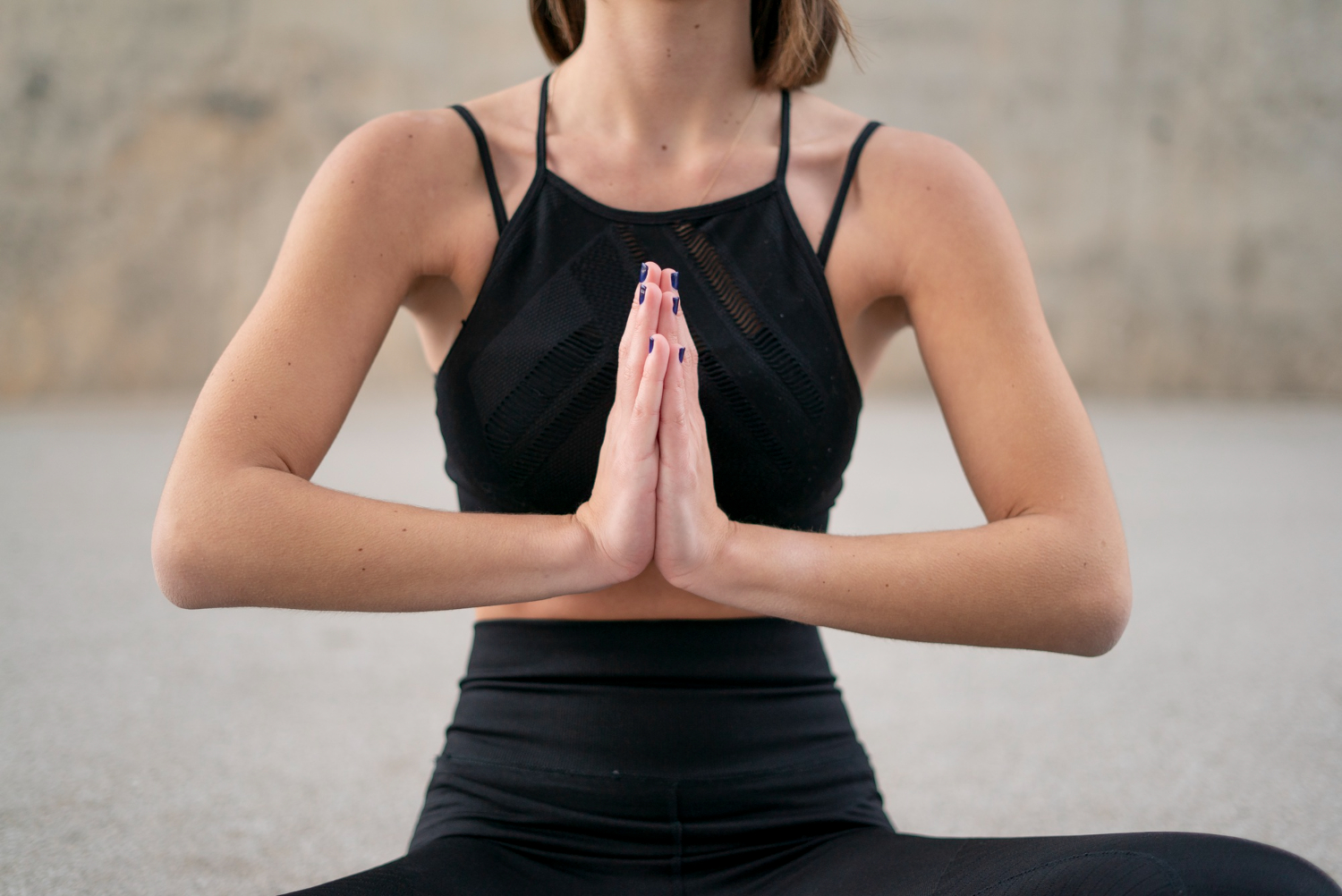
Heart Chakra (Anahata) – Anjali Mudra
- Cultivate love and compassion – focus on the people and things in your life that bring you joy and give them a big hug
- Don’t forget to express gratitude too – take a moment to think about all the amazing things in your life
Throat Chakra (Vishuddha) – Akash Mudra
- Improve your communication – try using Akash Mudra before a big meeting or before talking to a friend you’ve been meaning to catch up with
- This one is all about self-expression too, so don’t be afraid to speak up and share your thoughts and feelings
Third Eye Chakra (Ajna) – Hakini Mudra
- This is a great mudra for boosting your intuition – try doing it when you need to make a big decision, or when you’re feeling a bit confused
- It also helps with decision-making – so if you’re feeling stuck, try giving Hakini Mudra a go
Crown Chakra (Sahasrara) – Sahasrara Mudra
- This is all about spiritual connection – take a moment to reflect on your place in the world, and how you fit in with the bigger picture
- Sahasrara Mudra can help you feel more connected to the universe, and more at peace with yourself
General tips: Combine mudras with chakra colours, slow breathing, and affirmations. A full chakra-balancing sequence can be completed in 30 to 45 minutes.
Become a Certified Yoga Instructor
Yoga Teacher Training Course by Entri App: Master authentic yoga techniques, earn certification, and build a successful career as a professional yoga instructor.
Join Now!How to Practice Mudras Effectively
- Posture: Sukhasana or Padmasana
- Duration: Beginners start with 5 to 10 minutes; advance to 45 minutes
- Breathing: Pair with Ujjayi or Nadi Shodhana
- Avoid: Excess pressure, rushing results
- Tools: None required; optional mala beads or yoga mat
- Advanced practice: During asana flows or mantra chanting
Consistency matters more than intensity.
Want to step up? Join our Yoga Instructor Course Online!
Mudras in Yoga and Meditation Routines
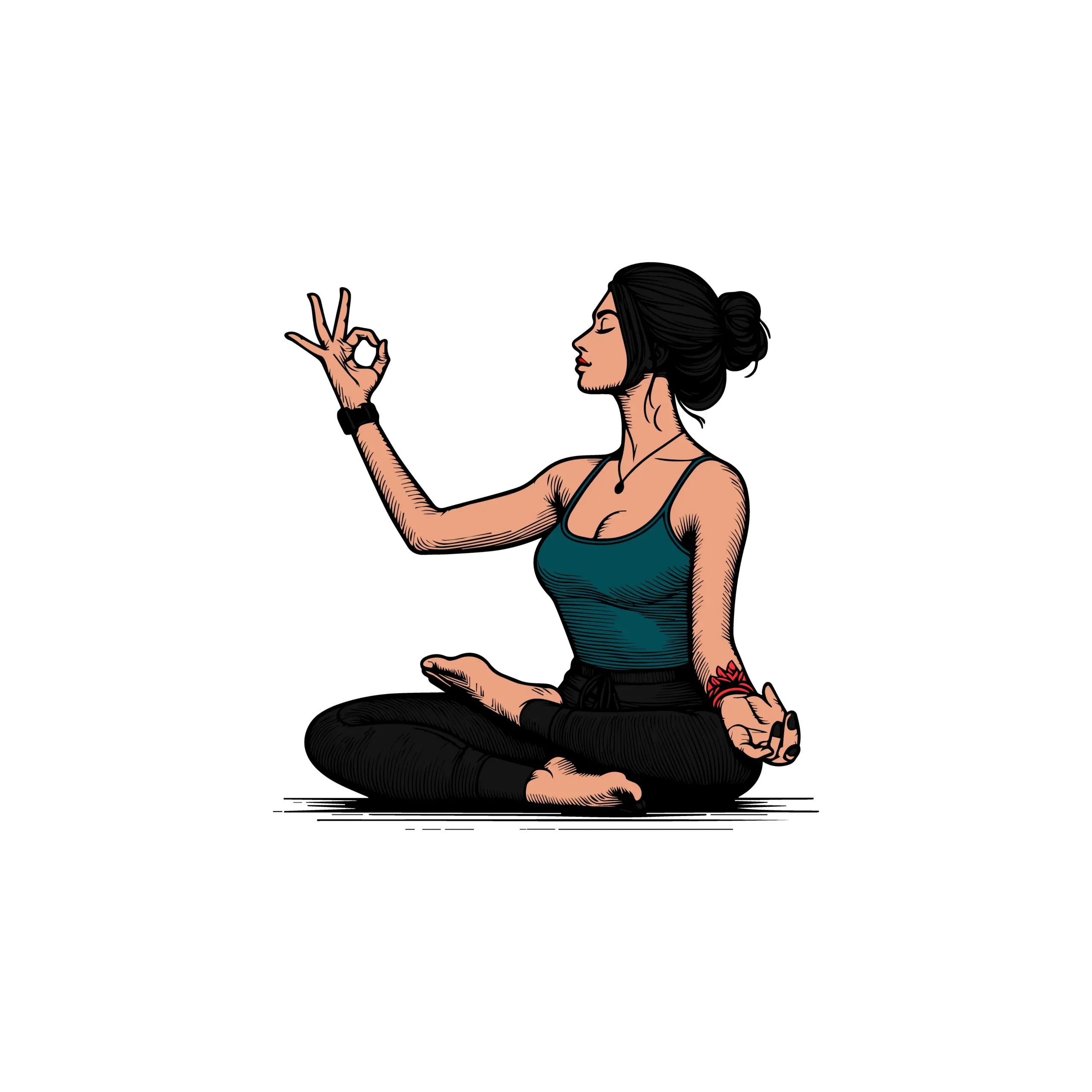
- Hatha Yoga: Use mudras during Surya Namaskar pauses
- Meditation: 10-minute mudra practice before or during dhyana
- Daily routine example:
Morning: Prana Mudra
Evening: Shavasana with Gyan Mudra
Goal-Based Mudras
- Weight loss: Surya Mudra
- Focus & clarity: Jnana Mudra
Conclusion
Practicing yoga has become a super valuable part of daily routines for more and more people. Mudras really drive home just how much you can actually achieve with even the smallest of gestures . All you need is your hands and a bit of awareness and you can totally calm your mind and start to heal your body – which of course awakens that inner energy of yours. By this point I reckon you’ve probably got a good handle on all the important stuff about mudras from this comprehensive guide.
So what’s holding you back now? Give Prana Mudra a shot for just 10 minutes and see how your energy levels change over the course of a week. Getting that kind of outcome will probably have you hooked on the practice before you know it. The thing with mudras is – the more you practice , the more they become a lifelong tool for feeling completely whole and getting a better sense of yourself. Unlocking that inner energy and stepping up to real transformation – that’s the ultimate goal of all this.
|
RELATED POSTS |
|
Become a Certified Yoga Instructor
Yoga Teacher Training Course by Entri App: Master authentic yoga techniques, earn certification, and build a successful career as a professional yoga instructor.
Join Now!Frequently Asked Questions
Is there an ideal time to practise chakra mudras?
If you ask specifically, the ideal time would be either early morning or dusk.
How long should I hold a mudra?
There is no fixed time as such. It stretches from 5 to 45 minutes depending on experience.
Can practising mudras replace medication?
Not really. They do complement, but cannot replace medical care.
Can mudras help deal stress?
Yes, they absolutely do. You can choose especially Hakini and Chin Mudra.
Do mudras work without having any belief in them?
Yes, they actually do. Consistency is what matters more than belief in them.
Can children practise mudras?
Of course, they can. But you should make sure it is under gentle guidance.
Can I practice mudras while lying down?
Yes, especially during relaxation or sleep prep.
Which mudra is best for focus?
As the name indicates Jnana Mudra is the right pick.
Which mudra balances all chakras?
A sequence combining multiple chakra mudras.
Mudras vs Reiki—what’s the difference?
Mudras are self-practice; Reiki involves energy transfer.