Table of Contents
Yoga and Ayurveda are ancient India’s two interconnected sciences that were designed to create a balance in the body, mind and the spirit. Each of these sciences have different focus points and coming together they can be of holistic wellbeing. Yoga’s main goal is to find harmony by linking physical postures, breathing techniques and meditation – all designed to get a grip on that tricky mind-body relationship. Meanwhile Ayurveda is all about personalising treatment by tweaking diet, detox, herbs and dabbling with daily routines to best suit each person.
Both really old texts and the latest scientific findings show that combining the two can make a real difference. We see data that says over 80% of yogis start experimenting with Ayurvedic ideas in the hopes of getting even more from their practice. While yoga does wonders for getting your body in shape and your head clear, Ayurveda helps you find a balance with your body and emotions – and that’s because it gives you a deep understanding of the way the doshas play out in you. Putting them together though, results in a super effective system for staying healthy in the first place – or fixing what goes wrong – and that’s a pretty unbeatable recipe for staying well in the long term.
Want to Step Up? Join our Yoga Instructor Course Online!
Key Takeaways
- Yoga and Ayurveda have a shared history which explains why they complement each other so well as complementary practices.
- Yoga brings to the table all sorts of practices like asanas, pranayama and meditation, but Ayurveda has got a whole other bag of tricks including personalized diets, herbs and lifestyle advice.
- The dosha system – that’s Vata, Pitta and Kapha – helps us tailor yoga practice to get our body and mind in better balance.
- When you merge yoga with the principles of Ayurveda – you can see real benefits like a stronger immune system, better digestion, improved sleep quality and lower stress levels.
- Knocking out a few weeks with a daily routine that incorporates both systems can give you a serious boost to your overall wellbeing.
- Modern studies and real-life observations are continually proving just how much good you can get from combining yoga and ayurveda for a holistic approach to health.
What is the Direct Link Between Yoga and Ayurveda?
1: Which of these is the primary goal of yoga practice?
Both yoga and ayurveda share a foundational connection as they were contemporary sciences. They promote a balance between the body, mind and environment. Yoga provides the necessary practical tools that involve physical postures and breathing techniques. Ayurveda, on the other hand, customises the practices based on an individual fitness and overall bodily constitution. As per global wellness reports, the majority of the modern yoga practitioners personalize their routine with the help of ayurveda principles. This has reportedly improved results.

Historical Origins and Shared Philosophy
Both have originated from the Vedic tradition. They aim to create harmony between the body, mind and spirit. Ayurveda is often referred to as the “science of life” as it focuses on health maintenance through lifestyle and natural healing methods. Yoga is known as the “science of union” as it guides individuals toward mental clarity and spiritual awareness through disciplined practices.
| Pillar | Role in Yoga | Role in Ayurveda | Combined Benefit |
| Prana (Life Energy) | Controlled through pranayama | Strengthened through herbs and nutrition | Enhances vitality and energy levels |
| Doshas (Body Constitution) | Balanced through specific asanas | Regulated through diet and lifestyle | Improves mental and physical balance |
| Chakras | Activated through meditation and breath | Supported through oils and detox practices | Improves emotional well-being |
| Mind-Body Harmony | Achieved through meditation | Achieved through lifestyle routines | Long-term holistic health |
Become a Certified Yoga Instructor
Yoga Teacher Training Course by Entri App: Master authentic yoga techniques, earn certification, and build a successful career as a professional yoga instructor.
Join Now!How Yoga and Ayurveda Work Together for Health Benefits
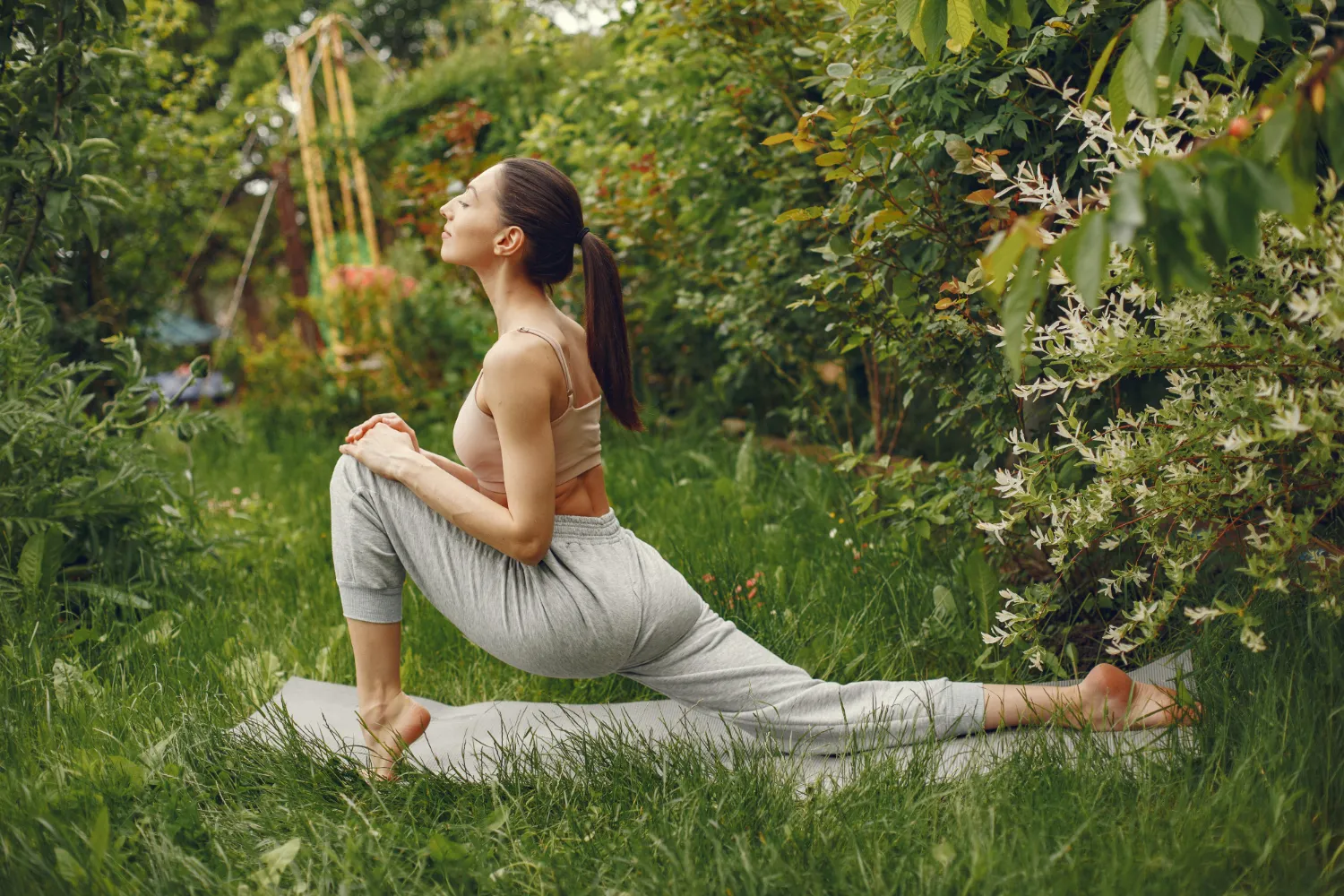
When practised together, the synergy that they create improves both physical health and mental clarity. Yoga works in strengthening the body while increasing flexibility and reducing stress. Ayurveda ensures that the body gets the right nutrition along with lifestyle support.
This combined practice is supported by medical research and wellness studies. It is said to have multiple positive impacts to the practitioners such as improved sleep quality, better digestion, enhanced immunity and reduced stress levels.
| Benefit | Yoga Practice | Ayurvedic Support | Result |
| Stress Reduction | Meditation, Savasana | Ashwagandha or calming herbal teas | Reduced cortisol and improved relaxation |
| Digestive Health | Twisting poses | Triphala or digestive herbs | Improved gut health |
| Immunity Boost | Sun Salutations | Turmeric and herbal tonics | Stronger immune response |
| Better Sleep | Yoga Nidra | Brahmi oil massage | Reduced insomnia |
| Weight Management | Dynamic Yoga flows | Balanced Kapha diet | Healthy metabolism |
| Mental Clarity | Alternate nostril breathing | Brain-support herbs | Better focus |
| Joint Flexibility | Forward bends | Anti-inflammatory herbs | Improved mobility |
Integrating Yoga into your life with an understanding of Ayurvedic principles can make a real difference in how you feel – reducing inflammation, boosting energy levels and actually helping with healing. Everyone’s body is a bit different and will respond in its own way to a yoga routine – but Ayurveda gives you the tools to tailor your practice to work best for you. And the results speak for themselves – studies and wellness programs have shown that people who follow this approach can get some pretty quick and impressive improvements in stress levels and flexibility.
Doshas in Yoga: Tailor Your Practice with Ayurveda

You see, Ayurveda works on the idea that there are three main types of energy that make up every person – Vata, Pitta and Kapha – and these doshas play a huge role in everything from the shape of your body and how you think and feel, right through to how you digest your food and how much energy you’ve got. Getting a handle on which of these doshas is most dominant in you can help you create a yoga practice that really speaks to you – and gets you the results you’re looking for.
When you align your yoga practice with your dosha, not only is it easier to stay in balance – but you’re also less likely to get stressed out or overwhelmed – either physically or mentally.
| Dosha | Characteristics | Recommended Yoga Poses | Ayurvedic Pairing | Potential Benefits |
| Vata | Light, energetic, prone to anxiety | Child’s Pose, Legs-Up-the-Wall | Warm oils and grounding foods | Reduced anxiety and improved calmness |
| Pitta | Intense, driven, warm-natured | Forward folds, Moon Salutations | Cooling herbs and drinks | Emotional balance and reduced irritability |
| Kapha | Stable, slow, heavy | Warrior Pose, Boat Pose | Ginger tea, stimulating routines | Increased energy and weight balance |
Identifying your dosha helps determine which Yoga poses and lifestyle practices will work best for your body. Doshas can also change with seasons, diet, stress, and lifestyle habits. Many Yoga training programs now include Ayurvedic assessments because personalized routines improve adherence and wellness outcomes.
Daily Routine: Simple Yoga-Ayurveda Practices for Beginners
A daily routine that brings together yoga and Ayurveda can really make a big difference in your health over time. Even just 20 minutes in the morning can help perk you up and get your energy back on track.

A Simple 20-Minute Routine To Get You Going
- Morning Hydrate (Got This From Ayurveda)
Drink a glass of warm water with a squeeze of lemon or a slice of ginger first thing – it’s a great way to get your digestive system moving and feel energised for the day. - Get Your Breath Back (Yoga Time)
Spend 5 minutes on some Nadi Shodhana – that’s alternate nostril breathing to you & me – to quiet your mind and get some more oxygen in your system. - Get Moving (A Little Bit Of Yoga)
Do 8 to 10 rounds of sun salutations to get those endorphins going and then find a pose that feels right for your body and sit on it for a few minutes. - Chill Out For A Bit
Sit quietly and focus on your breath for a few minutes – that should help calm your mind and get you ready for the day. - Wrap Up With A Calming Tea
Finish up with a nice cup of herbal tea like tulsi or chamomile, and take a moment to think about what you want to achieve today.
By doing this in the long run you can get to a place where your body and mind are working in harmony and that’s what Ayurveda is all about – maintaining good health for the long haul.
A simple daily routine that combines Yoga and Ayurveda can dramatically improve your health over time. Even a short 20-minute practice each morning can help restore energy and balance.
Want to Step Up? Join our Yoga Instructor Course Online!
Become a Certified Yoga Instructor
Yoga Teacher Training Course by Entri App: Master authentic yoga techniques, earn certification, and build a successful career as a professional yoga instructor.
Join Now!Conclusion
Getting caught up in the stresses of modern life, eating badly and not getting enough exercise is an all too common tale. Combining Yoga and Ayurveda provides a healthy, integrated approach to tackling all that.
Yoga has all sorts of benefits – it gets the body flexible, builds up the muscles, and cuts down on mental stress. And then Ayurveda comes along and teaches you which foods you should be eating based on your own body type, how to fit in some extra self-care and natural detoxing.
More and more wellness centres, medical research projects and holistic health initiatives are catching on to the benefits of a combined Yoga and Ayurveda practice – and its being adopted all around the world.
|
RELATED ARTICLES |
|
| Important Mudras of Yoga | |
| 10 Yoga Poses for Anxiety Relief | How an Advanced Yoga Course Can Boost Your Teaching Career |
Become a Certified Yoga Instructor
Yoga Teacher Training Course by Entri App: Master authentic yoga techniques, earn certification, and build a successful career as a professional yoga instructor.
Join Now!Frequently Asked Questions
How does Ayurveda enhance Yoga?
Ayurveda helps tailor your Yoga practice to your individual needs – taking into account your body type, the food you eat and how you live your life.
What are the three doshas in Ayurveda?
The three doshas are basically different sorts of energy that each of us has within us – Vata, Pitta and Kapha. They all play a role in how our bodies work.
Can a beginner do Yoga & Ayurveda together?
Absolutely. Just start with the simple stuff like gentle Yoga poses and eat a diet that’s straightforward and easy to follow – you’ll be okay.
What are the benefits of combining Yoga & Ayurveda?
You can expect to see an improvement in your digestion, sleep and stress levels – and get a boost to your immune system and mental clarity too.
How do I figure out my dosha?
You can work out your dosha through talking to an Ayurvedic expert or by filling out one of those online questionnaires.
What sort of diet supports Yoga practice according to Ayurveda?
To get the most out of your Yoga practice, you should be eating foods that are fresh, seasonal and bursting with nutrients – fresh fruits and vegetables and herbs are all good for you.
Can Yoga replace Ayurvedic medicine?
No way. Yoga is great for a lot of things, but if you have a medical problem, you still need to go and see a doctor.