Table of Contents
A spiritual discipline rooted in ancient Indian texts, that’s Hatha Yoga. Modern Yoga, on the other hand, is a blend of traditional practices and Western exercises. While Hatha Yoga’s focus is on slow, static and mindful postures, modern yoga focuses on strength-building with dynamic flows and fitness-oriented sequencing. Hatha Yoga emphasizes balancing breath as well as energy.
The classical works like the Hatha Yoga Pradipika describes only a limited number of foundational poses for preparing for meditation. Vinyasa, Power Yoga and the sort are contemporary styles that incorporate dozens of poses that too in fast-paced sequences. These reflect today’s wellness as well as fitness culture.
Key Takeaways
- Hatha Yoga asanas are slow, static, and meditative, whereas modern yoga asanas are dynamic, fitness-driven, and flow-based.
- Hatha prioritizes breath control (pranayama) and energy balance (prana).
- Modern yoga includes creative transitions, music, props, and themed classes.
- Hatha aligns closely with traditional yogic philosophy.
- Both styles improve mental health and flexibility – but in different ways.
- The best choice depends on your personal goals: calm vs. cardio, depth vs. dynamism.
Want to step up? Join our Yoga Instructor Course Online!
Introduction
1: Which of these is the primary goal of yoga practice?
Yoga is no longer a one-size-fits-all practice. Today’s studios offer serene, candle-lit Hatha holds alongside high-energy Power Yoga to pulsing beats. This simply reflects the diverse needs from spiritual depth to sweat sessions. This distinction in asana practice shapes everything from pose holds to philosophy.
Understanding these factors that separate one from the other helps tech workers pick Hatha for focus during robotics sprints or modern for energizing breaks. All these are backed by research and reports in reliable fields and studies. Detailed exploration of the distinction helps you choose the right style for your body, lifestyle, and long-term goals.
Become a Certified Yoga Instructor
Yoga Teacher Training Course by Entri App: Master authentic yoga techniques, earn certification, and build a successful career as a professional yoga instructor.
Join Now!The Core Difference: A Quick Guide
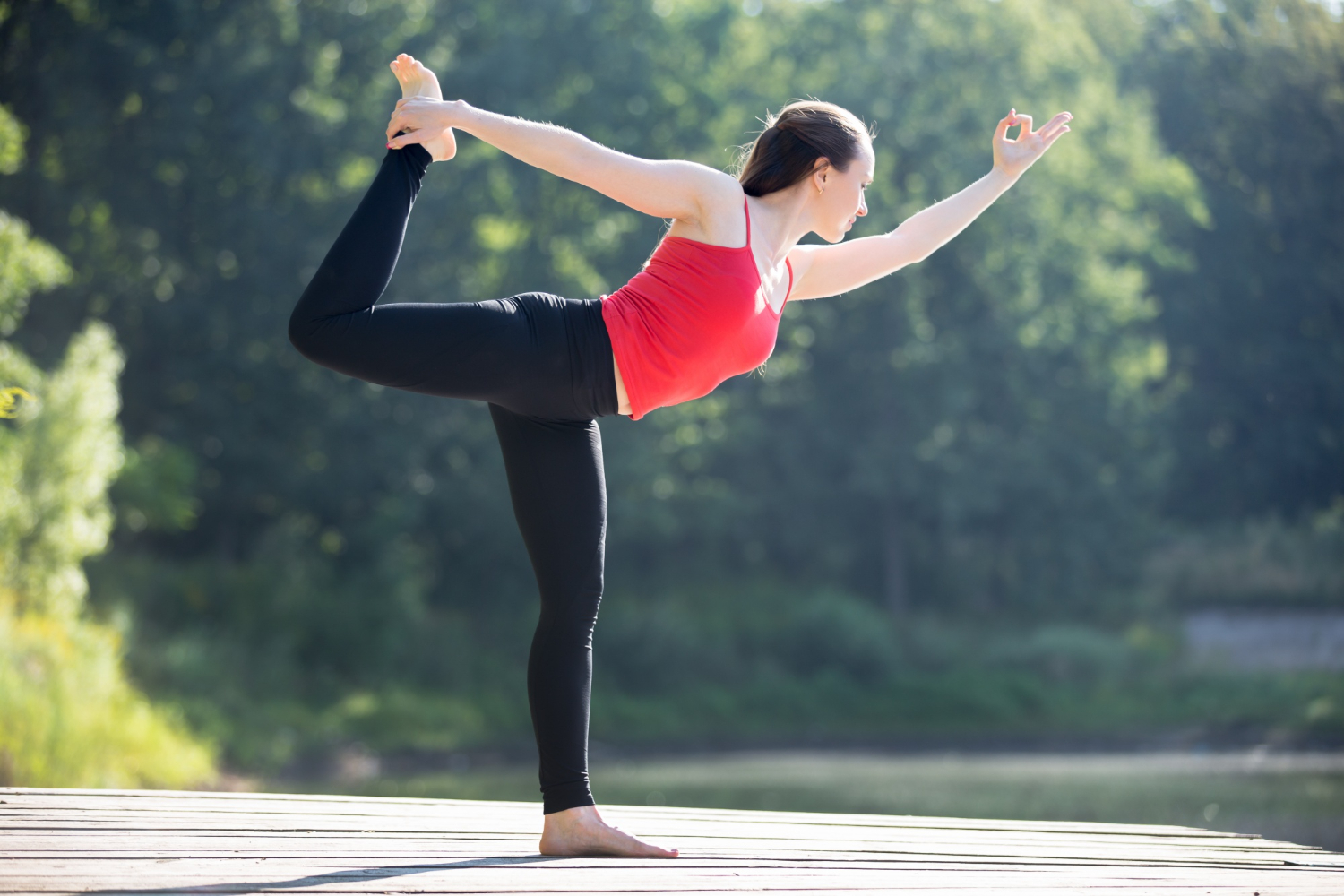
Hatha Yoga is all about slow, static holds that help you find balance and harmony in the body, whereas modern yoga is all about dynamic flows that will get your heart rate up and test your flexibility.
This is all down to Hatha Yoga’s ancient roots versus modern yoga’s connections to the world of physical culture and exercise science.
The ancient yogic manuals only documented a handful of core postures, whereas modern yoga styles may now include anything from 50 to 100+ unique variations in a single class.
Key Differences at a Glance
Hatha and modern yoga asanas differ mainly in pace, purpose, philosophy, and structure.
| Aspect | Hatha Yoga Asanas | Modern Yoga Asanas |
| Primary Focus | Breath synchronization, stability, energy balance | Flow, strength, endurance, flexibility |
| Pace | Slow, sustained holds (1 to 5+ minutes) | Fast sequences (20 to 60 seconds per pose) |
| Intent | Meditation preparation, prana regulation | Fitness, stress relief, weight management |
| Sequencing | Structured, symmetrical | Creative, dynamic, themed |
| Common Poses | Padmasana, Paschimottanasana, basic Surya Namaskar | Power flows, arm balances, inversions |
| Class Duration | 60 to 90 minutes, meditative | 45 to 75 minutes, energetic |
| Intensity | Low to moderate | Moderate to high |
What is Hatha Yoga Asana Practice?
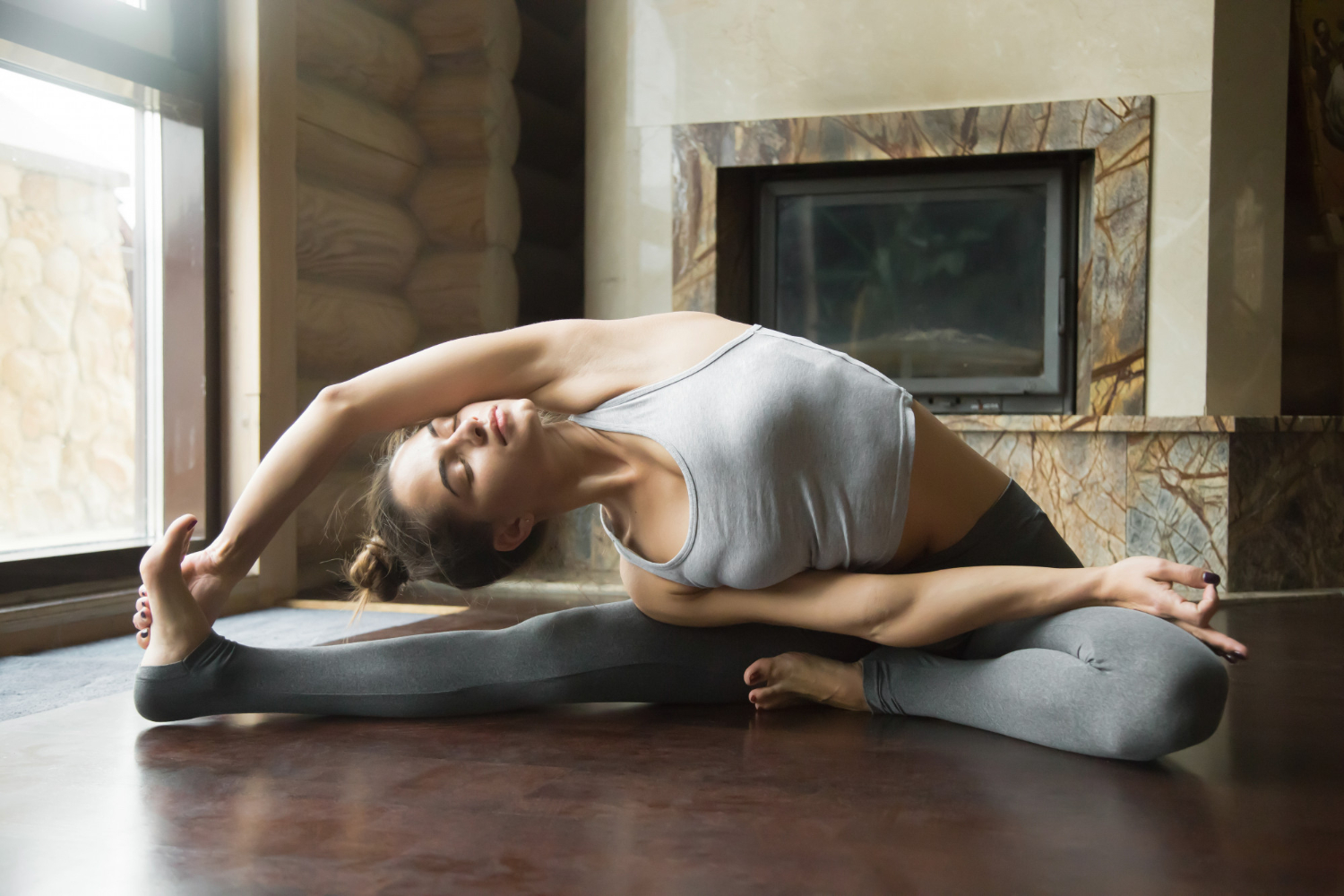
Hatha Yoga asanas center on balanced, steady poses designed to unite breath and body.
Rooted in classical yogic literature like the Hatha Yoga Pradipika (15th century), Hatha asana practice was traditionally meant to prepare the body for long meditation sessions. The focus was not performance – it was stillness.
Key Characteristics
- Static holds lasting 1 to 5 minutes
- Emphasis on spinal alignment
- Minimal transitions between poses
- Breath-led movement (often Ujjayi or natural breathing)
- Focus on internal awareness (drishti)
Scientific Backing
Modern research supports Hatha’s benefits:
- Improved flexibility and joint mobility
- Reduced cortisol (stress hormone)
- Enhanced parasympathetic activation (relaxation response)
Hatha Yoga is ideal for:
- Beginners
- People recovering from burnout
- Individuals seeking mental clarity
- Those preparing for meditation
What is Modern Yoga Asana Practice?
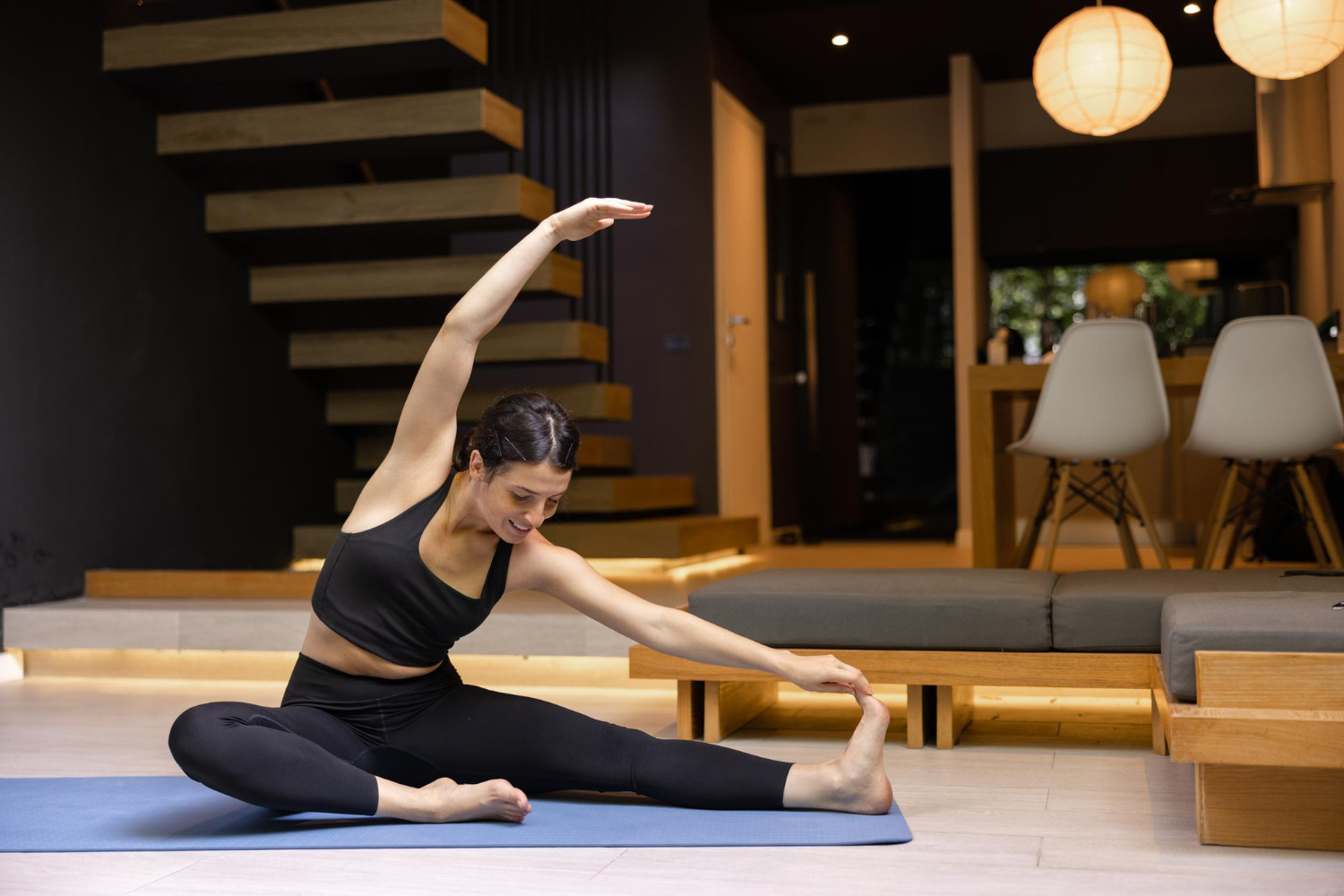
Modern yoga refers to postural yoga styles that evolved during the 20th century, influenced by traditional Hatha Yoga and global physical culture movements.
Styles such as Vinyasa, Power Yoga, Hot Yoga, and Ashtanga represent this modern adaptation.
Key Characteristics
- Continuous flow (Vinyasa linking breath and movement)
- Faster pace
- Creative sequencing
- Music-enhanced environments
- Use of props (blocks, straps, bolsters)
- High-repetition strength-building sequences
Scientific Support
Modern yoga styles have been associated with:
- Increased muscular strength
- Improved cardiovascular endurance
- Higher calorie expenditure
- Improved mood via endorphin release
Modern yoga suits:
- Fitness-focused individuals
- People seeking weight management
- Those who enjoy dynamic workouts
- Busy professionals needing quick energy resets
Become a Certified Yoga Instructor
Yoga Teacher Training Course by Entri App: Master authentic yoga techniques, earn certification, and build a successful career as a professional yoga instructor.
Join Now!Core Differences in Philosophy and Approach
Hatha asanas follow classical yogic philosophy rooted in Tantra and subtle energy systems. Modern yoga often takes a secular, wellness-oriented approach.
| Philosophy Element | Hatha Yoga | Modern Yoga |
| Historical Roots | Medieval Indian yogic texts | 20th-century global evolution |
| Goal | Energy purification, meditation readiness | Physical & mental wellness |
| Breath Role | Central, structured pranayama | Supportive, sometimes secondary |
| Teaching Method | Traditional lineage-based | Certified teacher training programs |
| Spiritual Emphasis | Strong | Often optional |
Hatha views asana as a tool for energetic transformation.
Modern yoga often views asana as a tool for physical conditioning.
Practical Differences in Poses and Sequences
The experience of a class feels dramatically different.
| Practice Element | Hatha Example | Modern Example |
| Sequence Structure | Warm-up → Long holds → Relaxation | Sun Salutations → Standing flows → Peak pose |
| Pose Count | 8 to 12 core poses | 20 to 30+ poses |
| Transitions | Minimal | Frequent and dynamic |
| Intensity | Gentle to moderate | Moderate to vigorous |
| Closing | Long Savasana | Short relaxation or cool-down |
In Hatha, you may hold Forward Fold for several minutes.
In modern yoga, you may move through five transitions within one minute.
Health Benefits Comparison
Both styles offer powerful benefits – but in different ways.
| Benefit | Hatha Yoga | Modern Yoga |
| Flexibility | High | High |
| Strength | Moderate (isometric) | High (dynamic) |
| Stress Reduction | Excellent | Very Good |
| Cardiovascular Fitness | Low | Moderate to High |
| Balance | High | High |
| Calorie Burn | Low | Moderate to High |
Research consistently shows yoga reduces anxiety and improves overall well-being. However, dynamic yoga styles tend to elevate heart rate more, while Hatha activates the relaxation response more deeply.
Which One Should You Choose in 2026?
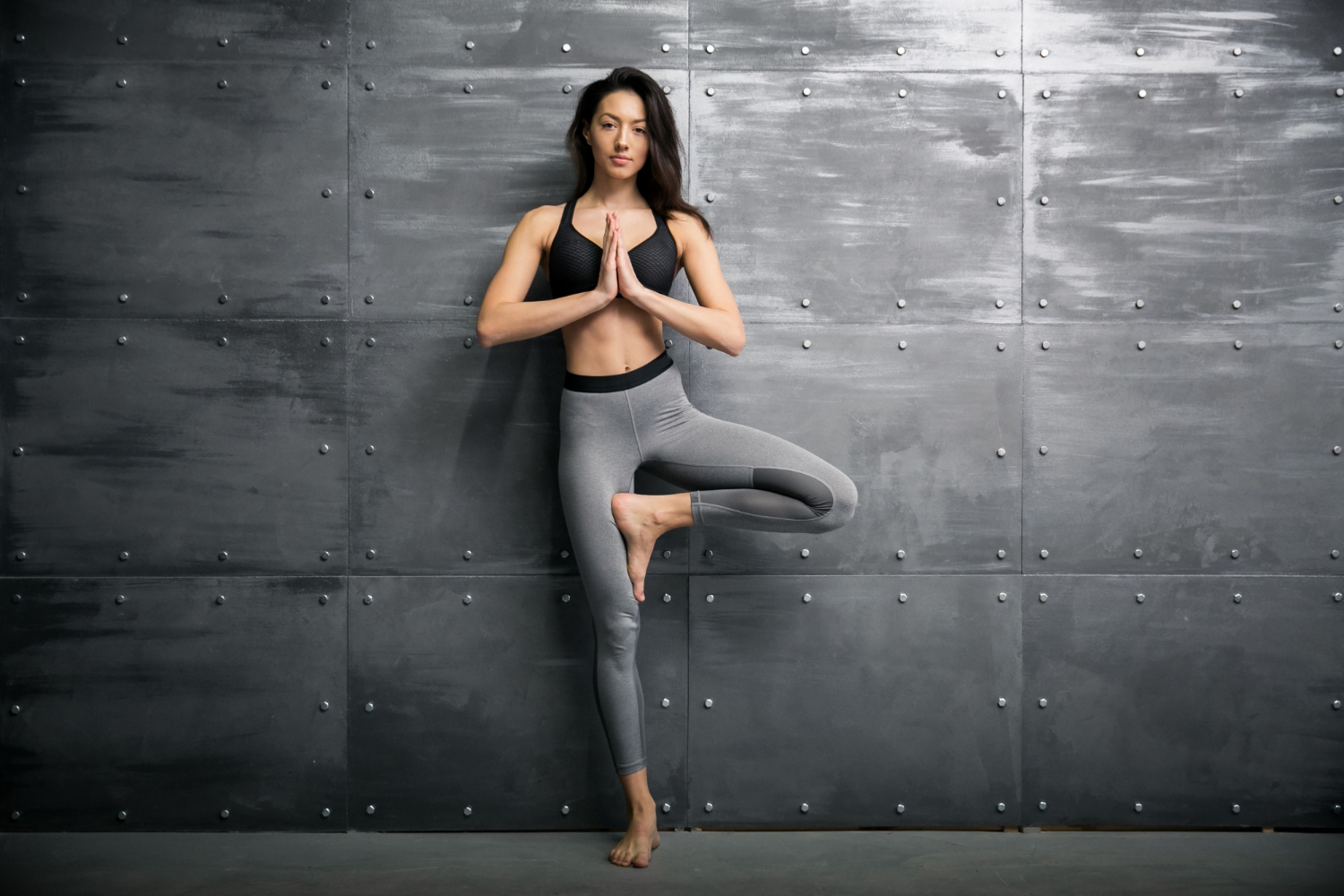
Choose Hatha Yoga if you:
- Want mental clarity and stress relief
- Prefer slow, mindful movement
- Are new to yoga
- Value spiritual depth
Choose Modern Yoga if you:
- Want a workout with yoga benefits
- Enjoy fast-paced sessions
- Aim to build muscle and stamina
- Prefer variety and creativity
Many practitioners combine both for balanced wellness.
Want to step up? Join our Yoga Instructor Course Online!
Conclusion
The core difference between Hatha Yoga and Modern Yoga lies in the purpose, pace and philosophy behind the choice. You cannot name which one is better as they serve different goals. If you have deep relaxation and inner focus in mind, Hatha Yoga must be your pick. A more energetic or fitness-driven purpose will be served by modern yoga without any doubt.
In the present scene, there has been increasing implementation of hybrid forms of these two practices. This has been proven very effective and many practitioners benefit from blending both the styles. Combining Hatha’s mindful stillness with modern yoga’s movement can create a well-rounded practice that supports both our body as well as our mind.
|
RELATED ARTICLES |
|
| Important Mudras of Yoga | |
| 10 Yoga Poses for Anxiety Relief | How an Advanced Yoga Course Can Boost Your Teaching Career |
Become a Certified Yoga Instructor
Yoga Teacher Training Course by Entri App: Master authentic yoga techniques, earn certification, and build a successful career as a professional yoga instructor.
Join Now!Frequently Asked Questions
Is Hatha Yoga Harder than Modern Yoga?
Not at all. While Hatha does build endurance through long holds, modern yoga is just as tough in its own way. It tests your stamina through really fast paced movement.
Is modern yoga the real deal?
Absolutely it is. It evolved from traditional Hatha Yoga, but with a twist. It’s been adapted to fit in with modern lifestyles and what people need now.
Which yoga style will get your heart rate up the most?
If you’re doing a modern dynamic style like Power Yoga or Vinyasa – they burn way more calories than traditional Hatha Yoga.
Can a beginner start with modern yoga?
Technically you can. But lots of beginners actually find it really helpful to start with Hatha, that way you can really learn how to get into proper alignment without getting overwhelmed.
How long should you hang out in a Hatha pose?
Well, usually it’s anywhere from 1 minute all the way up to 5 minutes, but that can vary depending on how much experience you have and what your teacher says to do.
Does modern yoga include meditation?
Sometimes, but if it does, the meditation bits are usually much shorter than what you’d get in a Hatha class.
Which is best for unwinding and relaxing?
Hatha is generally the way to go if you’re looking to really chill out and get some deep relaxation going.
Can you mix and match Hatha and modern yoga?
You bet you can. A lot of classes do a hybrid approach, combining bits from both styles.
Which style is safer for older people?
Hatha is usually a safer bet for seniors because it moves at a slower pace.