Table of Contents
A firmware developer is the person who designs and optimizes the low-level software that plugs directly into the innards of hardware devices in embedded systems. Think smartwatches that track your every move, industrial robots that assemble cars, IoT sensors that monitor everything from temperature to air quality, and automotive ECUs that keep your car running smoothly. Essentially this is where electronics meets software – and it’s a wild intersection that needs to work in perfect harmony.
Reports are saying that India’s embedded systems industry is going to balloon to a whopping 12.6 billion dollars by 2026, and that’s going to create over 1.5 million new job opportunities for firmware and embedded software types. And we all know just how much our smart home appliances and electric vehicles rely on firmware to stay up and running. But as edge AI, IoT and connected devices just keep on expanding – firmware developers are fast becoming one of the most in-demand tech roles in the electronics and semi-conductor world.
Kickstart your embedded systems career and turn your tech passion into high-demand skills!
Key Takeaways
- Embedded C, microcontrollers and real time operating systems (RTOS) are key skills.
- Firmware engineers are absolute must-haves for any serious IoT project, automotive electronics endeavour, robotics start-up or consumer device manufacturer.
- The demand for firmware developers is just taking off, and fast – not just because of all the new smart devices being brought to market, but also because of AI-enabled hardware.
- Hands-on experience with a microcontroller like the STM32 or an Arduino can be a game changer when it comes to job prospects.
What is a Firmware Developer?
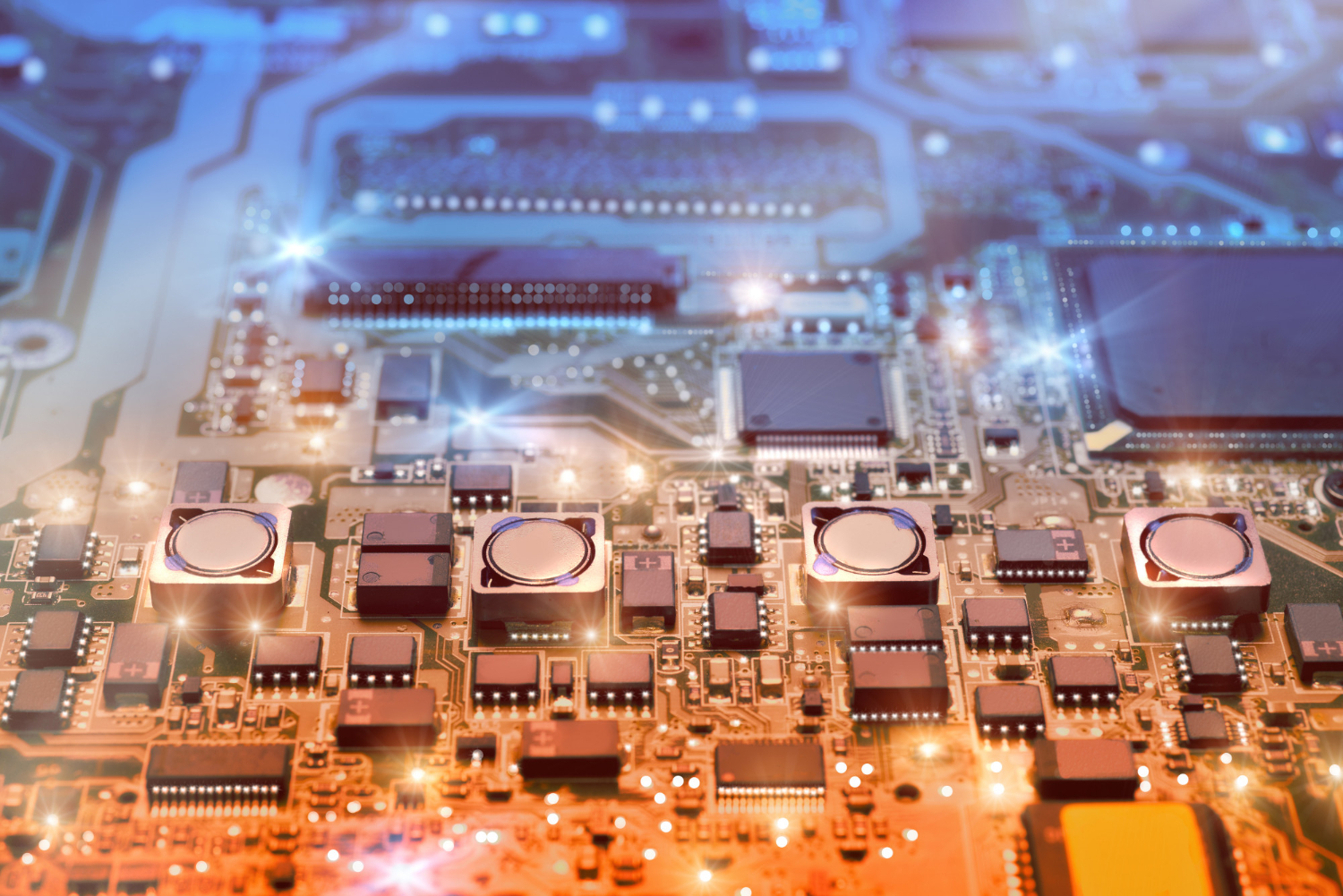
A firmware developer creates specialized low-level software that runs directly on hardware components. This includes microcontrollers and embedded processors. The job is different from that of application developers who build software for operating systems. Firmware engineers primarily program devices that operate with limited memory, hardware dependencies and strict timing requirements.
As per industry reports, over 70% of modern electronic devices depend on firmware. The demand is growing rapidly as IoT adoption increases on a global level. Firmware is typically stored in ROM, flash memory or embedded storage. This enables hardware devices to boot, communicate with sensors, control peripherals and process data.
Examples of firmware-powered devices include:
- Smart TVs
- Wearables and fitness trackers
- Automotive ECUs
- Industrial robots
- Medical devices
- Smart home appliances
Master Embedded Systems Programming!
Launch your tech career with our Embedded Systems Course, designed for hands-on learning and industry readiness.
Know MoreFirmware Developer vs Software Developer
| Aspect | Firmware Developer | Software Developer |
| Primary Focus | Hardware-specific low-level programming | High-level application development |
| Languages | C, Embedded C, Assembly | Python, Java, JavaScript |
| System Constraints | Limited memory, real-time execution | Scalable cloud or desktop environments |
| Tools | Keil, IAR, JTAG debuggers | VS Code, IntelliJ, cloud tools |
| Industries | IoT, automotive, robotics | Web, mobile apps, enterprise software |
| Hardware Interaction | Direct register manipulation | Minimal hardware interaction |
Key Roles and Responsibilities of a Firmware Developer
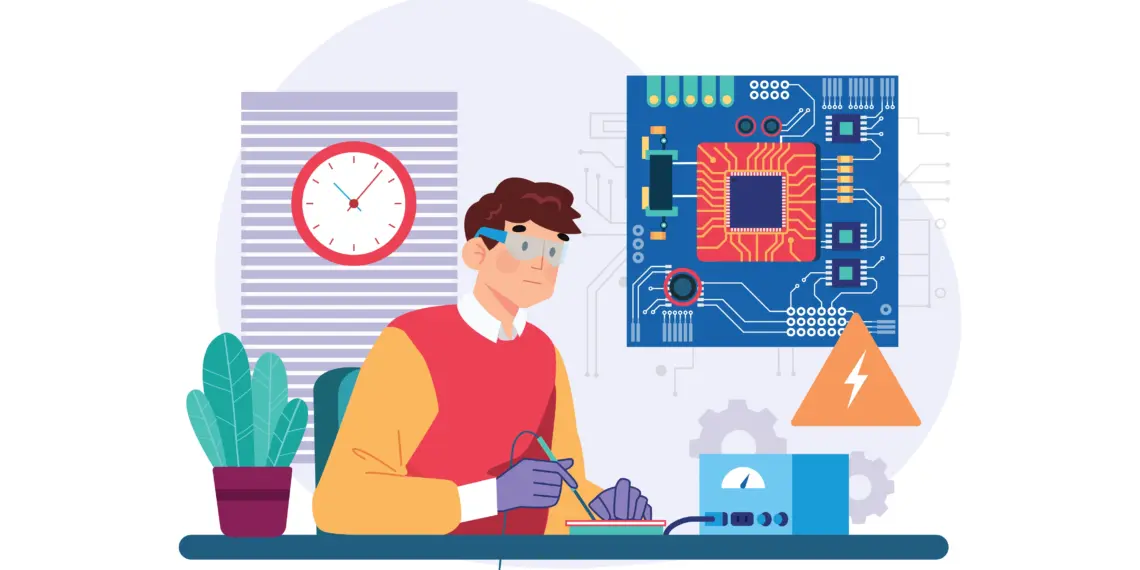
Firmware developers’ work ensures reliable device performance in environments where timing, memory usage, and power consumption are very critical. According to a 2025 survey, about 62% of firmware roles involve RTOS integration and hardware debugging tasks. Their core responsibilities are as follows:
1. Developing Low-Level Drivers
Firmware engineers write drivers to control hardware components such as:
- Sensors
- GPIO pins
- UART interfaces
- SPI and I2C communication modules
These drivers allow devices to communicate with external peripherals efficiently.
2. Implementing Real-Time Operating Systems (RTOS)
Many embedded systems require deterministic behaviour. Developers integrate operating systems such as:
- FreeRTOS
- Zephyr
- ThreadX
- Embedded Linux
RTOS ensures precise scheduling of tasks like sensor reading, communication, and processing.
3. Debugging Hardware-Software Issues
Firmware developers frequently troubleshoot complex issues where software interacts with physical circuits. Tools include:
- JTAG debuggers
- Oscilloscopes
- Logic analyzers
- Hardware simulators
4. Optimizing Memory and Power Usage
Embedded devices often have only KBs or MBs of RAM. Engineers optimize code to reduce:
- Memory footprint
- CPU usage
- Power consumption
This is crucial for battery-powered devices such as wearables or IoT sensors.
5. Collaborating with Hardware Engineers
Firmware teams work closely with electronics engineers to integrate software with:
- PCB designs
- Microcontrollers
- Communication modules
This collaboration ensures smooth hardware-software interaction without any fail.
6. Ensuring Industry Standards Compliance
In industries like automotive and medical electronics, firmware must follow strict safety standards:
- MISRA C coding guidelines
- ISO 26262 (automotive safety)
- IEC 62304 (medical software)
Daily Responsibilities of Firmware Developers
| Responsibility | Time Allocation | Tools Used | Example Output |
| Driver Development | 30% | Embedded C, HAL libraries | UART or SPI communication module |
| Testing & Debugging | 25% | GDB, Logic analyzers | Stable bootloader firmware |
| Optimization | 20% | Profilers, assembly tweaks | Reduced power usage in IoT device |
| Documentation | 15% | Git, Doxygen | Firmware API documentation |
| Collaboration | 10% | Jira, hardware simulators | Firmware integration with STM32 board |
Master Embedded Systems Programming!
Launch your tech career with our Embedded Systems Course, designed for hands-on learning and industry readiness.
Know MoreEssential Skills for Firmware Developers in 2026
The foundation of firmware development lies in combining strong programming skills with hardware knowledge. Embedded developers must understand both software architecture as well as electronic hardware design. 2025 reports state Embedded C as one of the most in-demand technical skills. This is in light of over 85% of firmware job postings requiring it.
Top Firmware Developer Skills
| Skill Category | Must-Have Skills | Proficiency Level | Why It Matters |
| Programming | C, Embedded C, Assembly | Expert | Dominant languages in embedded systems |
| Hardware Knowledge | Microcontrollers (STM32, AVR), peripherals | Advanced | Enables direct hardware interaction |
| RTOS & Protocols | FreeRTOS, I2C, SPI, CAN, USB | Advanced | Required for IoT devices |
| Debugging Tools | JTAG, oscilloscopes, logic analyzers | Intermediate | Speeds up troubleshooting |
| Version Control | Git, CI/CD | Intermediate | Enables collaborative development |
| Testing | Unit testing, hardware-in-loop | Intermediate | Improves device reliability |
| Standards | MISRA C, ISO 26262 | Familiarity | Needed for regulated industries |
| Development Tools | Keil, IAR Embedded Workbench | Proficient | Industry standard IDEs |
| Soft Skills | Problem solving, communication | Essential | Helps cross-team collaboration |
| Emerging Skills | Rust, Edge AI integration | Growing | Future of secure firmware |
Firmware Developer Salary in India (2026)
Firmware developers are among the highest-paid engineers in the embedded systems domain. As the demand from industries like automotive electronics, IoT devices and robotics goes up, the salary scale also gets pushed upward significantly.
Salary by Experience and Location
| Experience Level | Bengaluru (₹ LPA) | Kochi (₹ LPA) | Skills Bonus |
| Fresher (0 to 2 yrs) | 6 to 10 | 4.5 to 7 | +₹1L certifications |
| Mid Level (3 to 5 yrs) | 12 to 18 | 9 to 14 | +₹2L RTOS expertise |
| Senior (6+ yrs) | 20 to 35 | 15 to 25 | +₹5L leadership roles |
How to Become a Firmware Developer: Step-by-Step Roadmap
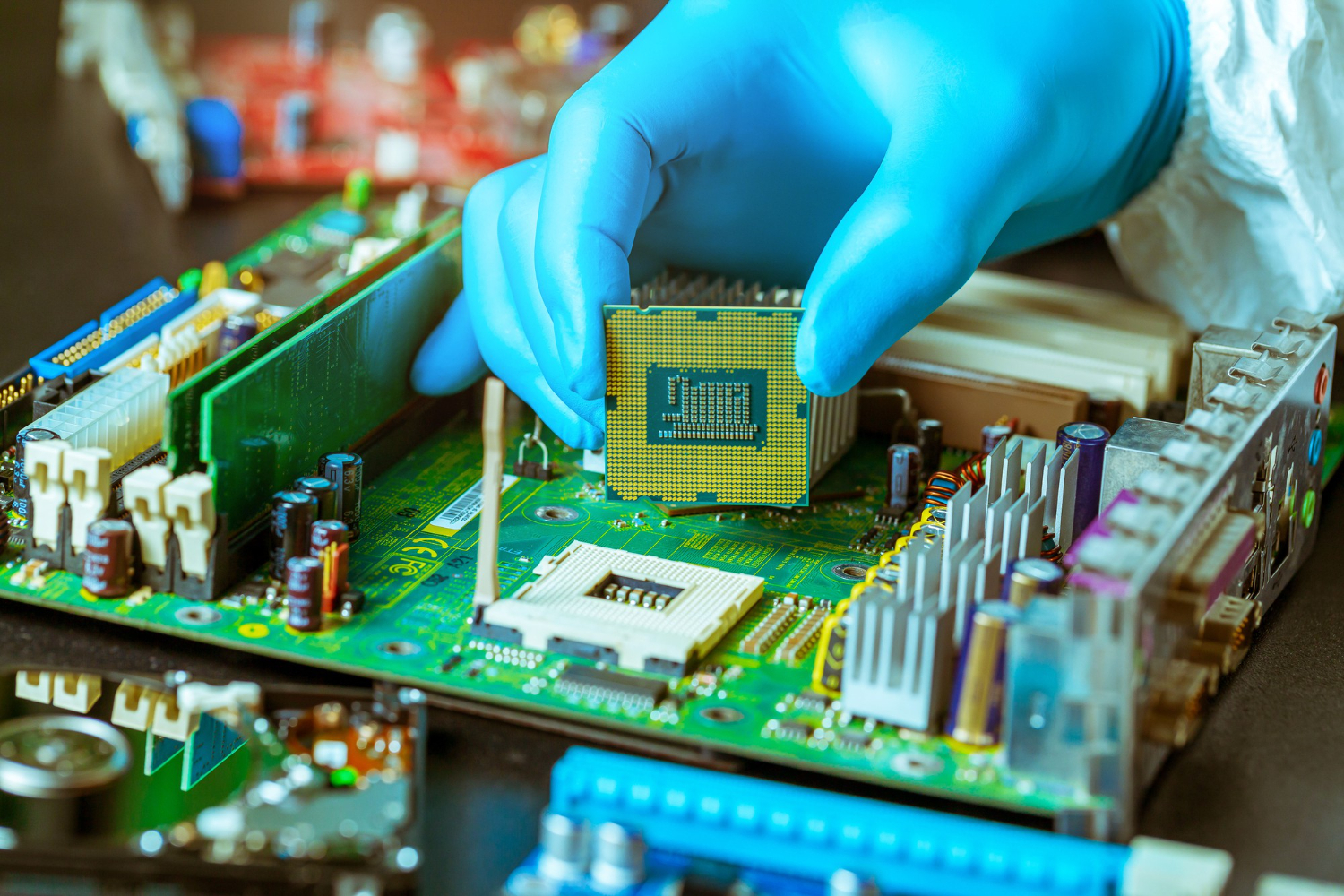
Well, a structured combination of knowledge in electronics and skills in embedded programming is necessary. Most professionals out there have an engineering background and they managed to build expertise through practical projects.
Step 1: Learn the Fundamentals
Focus on core subjects:
- Embedded C programming
- Digital electronics
- Microcontroller architecture
This phase typically takes 3 to 6 months of focused learning.
Step 2: Work on Hardware Projects
Practical experience is essential. Build projects such as:
- Smart home IoT devices
- Sensor monitoring systems
- Robotics controllers
Using boards like:
- Arduino
- STM32
- Raspberry Pi Pico
Step 3: Learn RTOS and Communication Protocols
Advanced firmware development requires knowledge of:
- FreeRTOS
- CAN bus
- SPI and I2C communication
- Device drivers
Step 4: Get Industry Certifications
Certifications increase employability significantly. Popular options include:
- ARM Accredited Engineer
- Embedded Systems certification programs
- RTOS development courses
Step 5: Build a Portfolio
Showcase projects on GitHub:
- Firmware repositories
- Hardware schematics
- Technical documentation
Employers often evaluate practical project experience before hiring.
Kickstart your embedded systems career and turn your tech passion into high-demand skills!
Conclusion
By now, it’s probably pretty clear that firmware developers play a pretty big role in getting all our electronic devices going. The truth is though, the demand for these kinds of people is going up fast, thanks to all the growth in IoT, robotics, self-driving cars, and all the other smart things that are popping up all over the place.
The thing is, if you can master the basics like Embedded C, debugging hardware, RTOS and microcontrollers you can pretty much write your own ticket to a pretty high-paying career in the tech world. So if you want to get into embedded systems, just do some real-world projects, get some industry relevant certifications, and start building up your portfolio. And hey, kick off your career path right now and get moving.
Master Embedded Systems Programming!
Launch your tech career with our Embedded Systems Course, designed for hands-on learning and industry readiness.
Know MoreFrequently Asked Questions
What qualifications do you need to become a Firmware Developer?
Most firmware developers hold a B.Tech or BE in Electronics, Electrical Engineering or Computer Engineering – these are pretty much the standard qualifications.
Is Firmware Development a good career to be in India?
Yes it is. The fast paced growth in the IoT, EVs, robotics and semiconductor industries is just driving demand for firmware developers higher and higher.
Which programming language comes up most often in Firmware Development?
C and Embedded C are pretty much the go to languages for firmware programming.
What is the difference between Firmware and Embedded Software?
Firmware actually runs right on the hardware – while embedded software often runs on top of an operating system, within the embedded device itself.
What kind of tools do Firmware Developers use?
Your standard kit includes things like Keil uVision, IAR Embedded Workbench, JTAG debuggers, oscilloscopes, and logic analysers.
Can software developers switch into firmware roles?
Yes, they can – but they will need to learn some embedded C, some hardware fundamentals, and get to grips with microcontroller architecture.
Is Python ever used in Firmware Development?
To be honest, Python is mostly used for testing, automation or prototyping – it’s not really used for low level firmware code.