Table of Contents
A refrigerator purchased on EMI. A smartphone upgraded on EMI. A home financed for 25 years on EMI. Monthly instalments have slowly and quietly become a part of the Indian middle class’s daily life. Though EMIs promise comfort, progress, and affordability, behind this convenience lies a growing financial strain that many households have not yet realised.
Right from rising interest rates to stagnant income growth, the impact EMIs make on Indian middle-class families is deeper than it appears from outside. Though monthly payments often look manageable, it adds up to long-term stress, a reduction in savings and financial vulnerability. This article delves deep into how EMIs are reshaping middle-class finances in India, why they feel unavoidable, and how they are hurting more than helping in many cases.
Learn trading from experts! Join today to learn the fundamentals of trading!
The Rise of EMI Culture in India
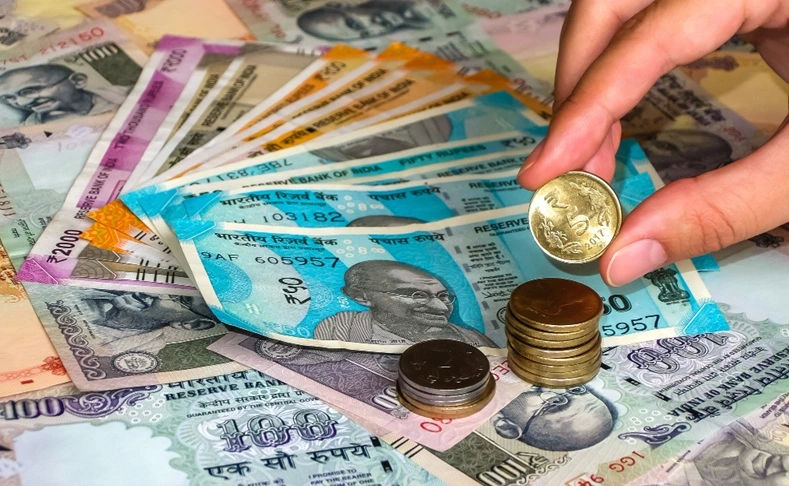
In the last two decades, India has gone through an explosion in consumer credit. It works in such a way that banks, NBFCs, fintech apps, and retailers aggressively promote EMIs. They project EMIs as a smart way to afford big-ticket purchases. With the arrival of Zero-cost EMIs, instant approvals, and minimal documentation, traditional barriers to borrowing have also been removed.
Though it started with homes or education, EMIs have now expanded to gadgets, furniture, vacations, and even groceries. To keep it simple, EMIs are no longer seen as debt, but they are marketed as lifestyle enablers. With this shift, borrowing for consumption has become quite common rather than using it for necessities, especially among urban middle-class households.
Why EMIs Appeal So Strongly to the Middle Class
1: What is a stock?
Nowadays, the Indian middle class is facing a unique pressure which has never been there in the past: rising aspirations with limited income growth. Though salaries increase only slowly and gradually, the costs of housing, healthcare, and education rise rapidly. In this scenario, EMIs have become the easy option to bridge this gap.
Instead of saving for years, EMIs allow immediate access. A ₹60,000 phone becomes affordable with a ₹5,000 monthly payment. A ₹50 lakh house is no longer a dream with a ₹40,000 EMI. Psychologically, smaller monthly numbers appear much easier to manage, even though the total cost is much higher in reality.
This convenience explains why the EMI impact on middle-class households is so widespread and deeply rooted.
EMI Impact on Middle Class Monthly Cash Flow

At the heart of the problem is cash flow. Most middle-class families operate on tight monthly budgets. When EMIs consume a large portion of income, flexibility disappears.
Multiple EMIs, be it home loan, car loan, personal loan or credit card EMI, often stack up quietly. Each one may seem affordable individually, but together they reduce disposable income drastically. Thus, unexpected emergency expenses finally push families towards borrowing even bigger amounts.
This creates a fragile financial structure where one job loss, medical emergency, or interest rate hike can make all the calculations go wrong.
The Psychological Trap of Easy Credit

EMIs change how people perceive money. When payments are deferred, spending feels painless. This leads to overconsumption and poor financial decisions.
Many households underestimate future obligations. A 3-year EMI does not feel like a burden today, but over a period of time, it limits choices. In the long run, people have to postpone their vacations, skip their investments and make compromises on their savings goals.
The impact EMIs make on middle-class behaviour is subtle, but powerful. In short, it shifts focus from long-term stability to short-term comfort.
Housing Loans: Long-Term EMIs, Long-Term Stress
Home loans are often the largest financial commitment for middle-class families. While owning a home is an important goal, 20–30-year EMIs come with hidden costs.
Floating interest rates mean EMIs can increase suddenly. A small rate hike can add lakhs to the total repayment. Many borrowers start with affordable EMIs but struggle later as family responsibilities grow.
Thus, for years, a major portion of income goes toward loan repayment, leaving little money for wealth creation beyond the house itself.
Vehicle Loans and Lifestyle Inflation
Cars and two-wheelers are increasingly financed through loans. While vehicles offer convenience, they are a depreciating asset. Paying EMIs for something that loses value every year puts pressure on finances.
Upgrading vehicles frequently due to easy financing fuels lifestyle inflation. The EMI impact on middle-class households here is indirect but significant. Increasing fuel costs, insurance, maintenance, and loan repayments add up, thus causing a huge burden.
Credit Cards, BNPL, and Short-Term EMIs
Credit cards and buy-now-pay-later schemes have blurred the line between spending and borrowing. Short-term EMIs on cards encourage impulsive purchases.
Missed payments attract high interest and penalties. Rolling balances convert small dues into long-term debt. Many middle-class users underestimate how quickly these costs accumulate.
This form of credit is one of the fastest ways EMIs hurt financial health.

EMI Impact on Middle Class Savings and Investments
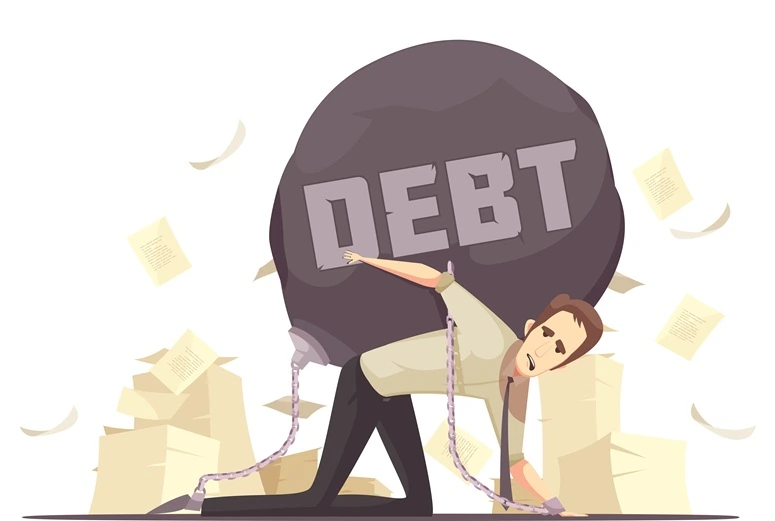
One of the biggest casualties of EMI-heavy lifestyles is savings. When EMIs drain out one’s monthly expenses, the first payment to stop would be systematic investments.
Naturally, retirement planning, emergency funds, and children’s future education will get delayed. Over time, families remain asset-poor despite years of earning.
The impact of EMI on middle-class wealth creation is severe because money that could otherwise have compounded over decades is spent on interest payments.
Stock Market Training Reviewed & Monitored by SEBI Registered Investment Advisor
Trusted, concepts to help you grow with confidence. Enroll now and learn to start investing the right way.
Know moreInflation, Interest Rates, and EMI Burden
Inflation shoots up daily living costs, leaving less scope for fixed EMI commitments. At the same time, hikes in interest rates increase loan repayments.
This double pressure squeezes middle-class households from both ends. EMIs that were manageable earlier become stressful without any increase in income.
Such macroeconomic factors make EMI dependence even riskier.
How EMIs Affect Family Decisions and Quality of Life
Financial stress impacts not just bank balances. Families postpone major decisions in life, such as having children, switching jobs, or starting a business due to the threat posed by EMI obligations.
There will be an increase in mental stress, anxiety, and conflicts when there is a consistent shortage of money. The emotional cost of EMIs is often ignored but deeply felt across households.
The Hidden Costs People Ignore
Processing fees, insurance add-ons, GST on interest, and extended tenures increase the real cost of EMIs. Zero-cost EMI offers often hide these charges elsewhere.
Over time, borrowers may pay significantly more than the original price without realising it.
When EMIs Become a Debt Spiral
Trouble begins when one EMI is used to pay another. When personal loans are used to manage credit card dues, balance transfers, and refinancing, the issues become worse.
Once trapped, getting out of these problems requires disciplined budgeting and sometimes painful lifestyle changes. Many families remain stuck for years.
Join the Entri App stock market Course today itself and become a more confident investor!
Who Is Most Vulnerable in the Middle Class?
Young professionals, single-income families, and those without emergency savings face the highest risk. Job instability and rising living costs amplify their exposure.
Without financial literacy, EMIs quickly shift from tools to traps.
How to Use EMIs More Responsibly
EMIs are not inherently bad, but they can be helpful when used strategically. Limiting total EMIs to a safe portion of income, prioritising assets over consumption, and maintaining emergency funds are critical steps.
Evaluating total repayment instead of monthly affordability can prevent long-term stress.
Key Takeaways
- EMIs have become deeply embedded in middle-class life in India
- The EMI impact on middle-class finances extends beyond monthly payments
- Easy credit fuels overspending and weakens savings
- Long-term EMIs reduce flexibility and increase vulnerability
- Responsible use and financial planning are essential to avoid debt traps
Stock Market Training Reviewed & Monitored by SEBI Registered Investment Advisor
Trusted, concepts to help you grow with confidence. Enroll now and learn to start investing the right way.
Know moreFrequently Asked Questions
Why do EMIs feel affordable but cause long-term stress?
Because they reduce immediate pain while increasing long-term obligations.
What percentage of income should go toward EMIs?
Ideally, total EMIs should not exceed a safe portion of monthly income.
Are zero-cost EMIs truly free?
Often, hidden charges or lost discounts make them more expensive.
Is a home loan always a good EMI?
It depends on affordability, tenure, and interest rate risks.
How do EMIs affect retirement planning?
They reduce investable surplus, delaying long-term wealth creation.
Can prepaying EMIs help?
Yes, prepayment can significantly reduce interest burden.
How can families break out of EMI dependence?
By budgeting strictly, avoiding lifestyle loans, and rebuilding savings.