Table of Contents
Introduction
In today’s fast-paced world, stress and fatigue taking up yoga can be a game changer. Of this, mudras are its secret weapon. Just think of channelling your life energy through simple hand gestures. They will help you sharpen focus and heal from within. These important yoga mudras are beginner-friendly tools rooted in 5,000-year-old wisdom. They are now validated by science, showing 20 to 30% reductions in anxiety via neural activation.
Whether you’re new to yoga training or deepening your practice, you are already up for it. Mudras require no mats or flexibility. It is just about 10 to 15 minutes daily. This guide will help you dive into the top 10 mudras, with steps, benefits, and more. Ready to seal in balance and power? Let’s explore. Keep reading to unlock your gateway to this transformative practice.
Want to step up? Join our Yoga Instructor Course Online!
What are Mudras in Yoga?
1: Which of these is the primary goal of yoga practice?
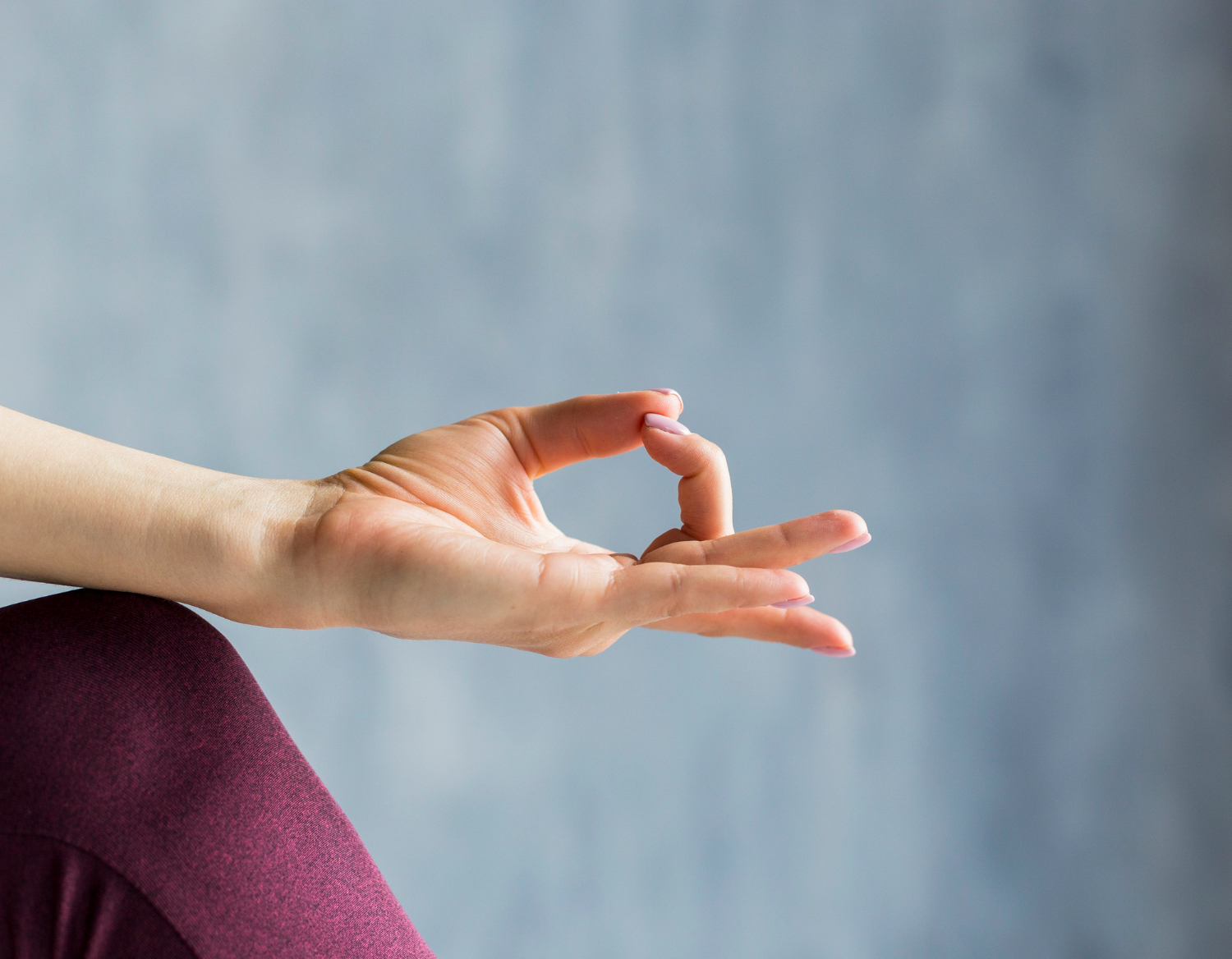
Mudras are subtle hand gestures that are used in yoga and meditation. It primarily guides energy flow within your body. They are used in yoga, meditation, and Ayurveda to direct prana – the vital life force. This is done through the body’s 72,000 nadis (energy channels). They act like energy switches that redirect prana to specific body parts and mind centres. Unlike dynamic asanas, mudras work subtly by linking fingers to the five elements. They stimulate acupressure points and neural pathways.
Mudras have their roots in ancient texts like the Hatha Yoga Pradipika (15th century) and Yoga Sutras of Patanjali. They have been practiced for over 5,000 years in Indian traditions. They are considered to serve the purpose of self-healing, mental clarity, and spiritual awakening. Today, modern science backs this with a 2024 study in the Journal of Bodywork and Movement Therapies. It found that mudras stimulate acupressure points. This, in turn, helps increase brain oxygenation by 15 to 20% and activating the vagus nerve for parasympathetic calm. Unlike the asanas you need to be super flexible for, or the ones that just plain demand strength, mudras are a different story altogether.
Anyone can do them as no flexibility or strength is required. First off, sit in a quiet space and let the calm wash over you. These little movements really do calm the nervous system down. They really help sharpen your focus and foster a sense of well-being. The good news is, it all starts with a small commitment. Give them 10 minutes a day and you’re started. Within weeks you should notice that anxiety has taken a back seat & you’re feeling more aware of your surroundings.
Become a Certified Yoga Instructor
Yoga Teacher Training Course by Entri App: Master authentic yoga techniques, earn certification, and build a successful career as a professional yoga instructor.
Join Now!Why are Mudras Important in Yoga Practice?
The thing with mudras is that they tap into some pretty deep energy – stuff way beyond the physical movement part of yoga. That’s why they’re so very useful. Plus, every finger in on the action – they’re all linked up to one of those 5 elements (the Pancha Mahabhuta stuff) that really do influence how our body’s doshas (Vata, Pitta & Kapha) are working. So, here’s the breakdown:
- Thumb – Fire – so that’s all about metabolism and inner fire will power all that jazz
- Index Finger – Air – think moving and expanding
- Middle Finger – Space – all about being open and communicating
- Ring Finger – Earth – we’re talking stability and feeling grounded here
- Little Finger – Water – this is about emotions and how they flow
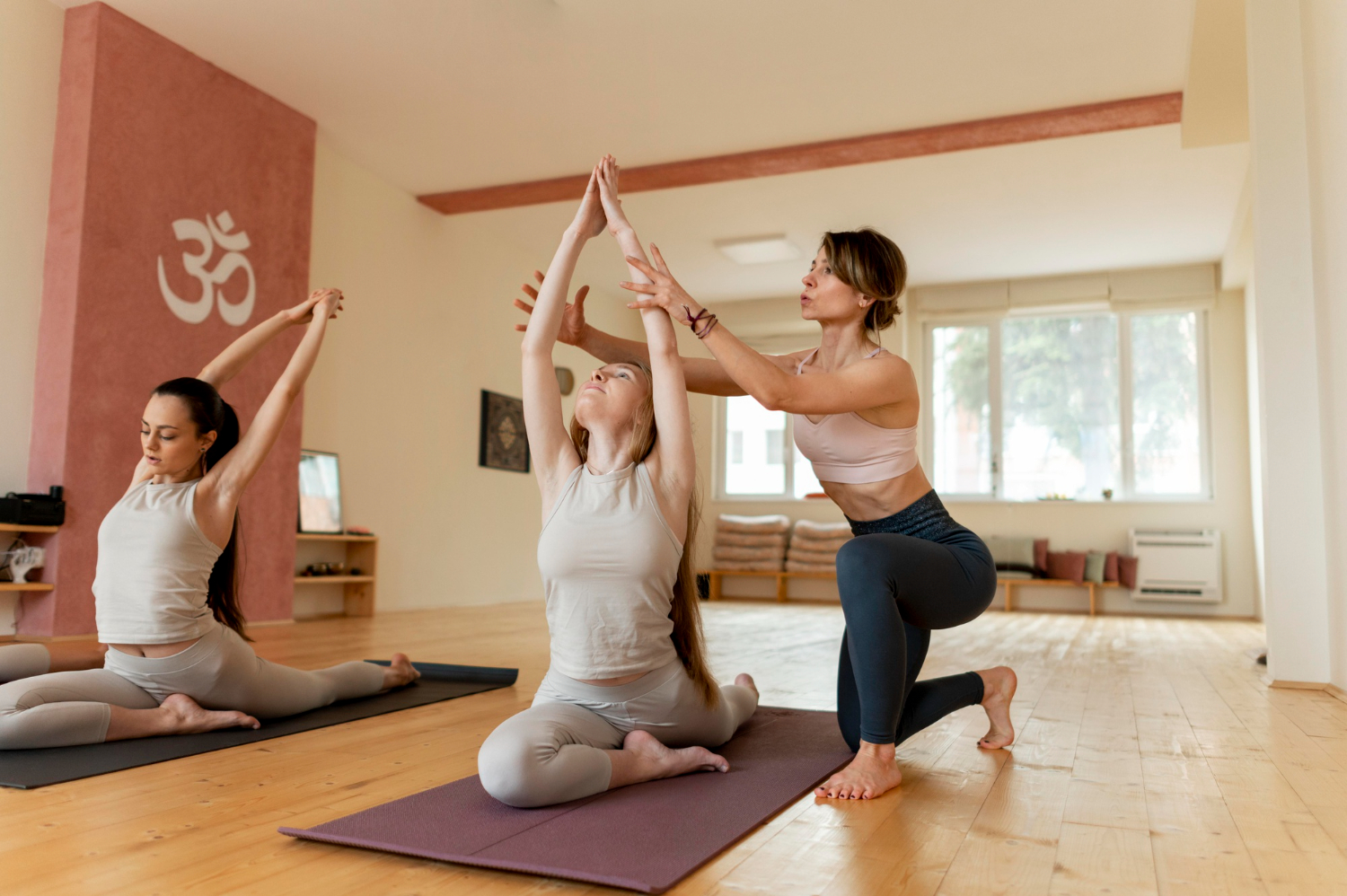
When you join fingers together, you get these lovely mudras that sort out those elements & really do harmonise the whole shebang. Do this for a bit and you can look forward to
- A Mental Boost – keep your focus sharp and your mental stability strong – good for students or people with busy jobs.
- Stress Relieving – seems to drop the cortisol levels by 25% (maybe not surprising, but it’s 2025 NCBI research after all)
- Digestive Aid – gets your metabolism going & your gut healthy
- Immunity Surge – makes you more resistant to illness
- Emotional Harmony – really does sort out the hormonal stuff – helps with PMS or mood swings.
We yogis love to pair mudras with pranayama (breathing) or dhyana (just sitting quietly) to take it all to the next level. There are all sorts of ones – like Gyan Mudra with deep breathing – will give you laser-sharp concentration.
Top 10 Important Mudras of Yoga You Should Know
Since you picked up on just how important mudras are now, you’re ready to dig in and explore them one at a time. Here are the most important yoga mudras, explained with the usual steps, benefits, ideal practice duration, and a few things to keep in mind.
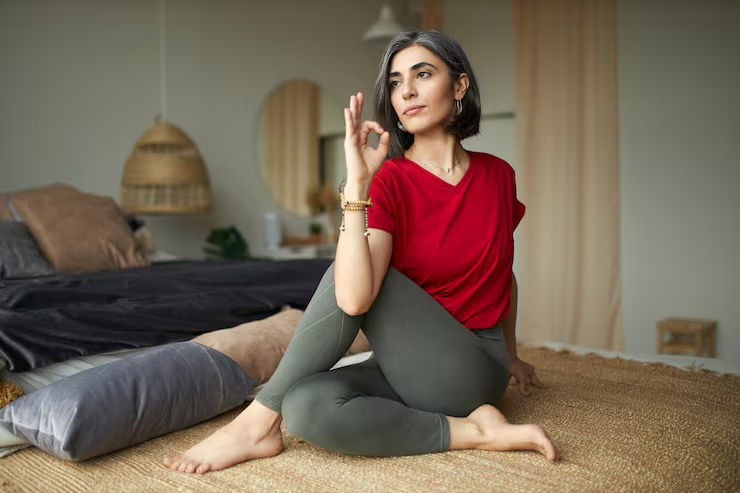
1. Gyan Mudra (Mudra of Knowledge)
A Little History:
This one’s been kicking around in Vedic texts for ages, and is actually said to be the gesture that Lord Shiva used to represent wisdom.
How to Get Going:
- Sit up straight, close your eyes and just relax.
- Bring the tip of your index finger and the tip of your thumb together to form a circle – and just let the other fingers hang loose.
- Place your hands on your knees with your palms facing up and take a few deep breaths, imagining wisdom flowing in.
Practice Duration:
15 to 30 minutes is a good range.
Best Time to Practice:
Try it out first thing in the morning.
Chakra Connection:
It’s linked to the Ajna (third eye) chakra which is all about intuition.
What You Can Expect:
- It’ll help you focus and improve your memory – a study back in 2023 actually found that people who practiced this mudra regularly saw an 18% boost in cognitive function.
- It can also help spark creativity and get you into a flow state, which is why many artists swear by it.
- And as a bonus it can help with stress and fatigue by balancing out your Vata dosha.
Real-Life Experience:
I’ve actually had students who do this mudra before an exam report that they do a lot better.
Just One More Thing to Keep in Mind:
If you have arthritic wrists, try to ease up on the pressure – it’s also a good idea to combine this with some shoulder rolls to loosen up.
2. Prana Mudra (Mudra of Life Energy)
A Little History:
This one’s a real game-changer because it helps revive the prana that’s essential for getting that kundalini energy flowing.
How to Get Going:
- Stick your index and middle fingers straight up.
- Join the tips of your thumb, ring and pinky fingers together firmly.
- Hold this position down at navel level and just chant the word “So Hum” a few times (I am that).
Practice Duration:
15 to 20 minutes is a good starting point.
Best Time to Practice:
Try to do this one either first thing in the morning or right before bed.
Chakra Connection:
It’s linked to the Muladhara (root) chakra which is all about vitality.
What You Can Expect:
- This mudra can really help boost your stamina and immunity – and in Ayurvedic trials, people who did it regularly even showed a nice boost in haemoglobin.
- Their eyesight also improved – just rub your eyes a bit after you’re done to get the benefits.
- If you’re feeling tired or run down, especially after being ill, this one can really help.
Real-Life Experience:
I’ve actually had office workers tell me that they feel recharged and ready to go after doing this mudra mid-day.
Just a Quick Note:
If you get too hot while doing this one, it’s best to just skip it and have a drink of water instead.
3. Vayu Mudra (Mudra of Air)
Historical Note:
Counters excess Vata for mobility.
How to Practice:
- Fold index finger to thumb base; press lightly.
- Extend others; place on thighs.
Duration:
10 to 15 minutes.
Best Time:
Post-meals.
Chakra:
Anahata (heart) for calm.
Benefits:
- Relieves gas/joints; eases arthritis pain (2024 rheumatology study).
- Soothes anxiety; steadies hyper minds.
- Aids digestion by regulating wind element.
Real-Life Example:
Travelers use for bloating relief.
Precaution:
Release on numbness; not long-term.
4. Apana Mudra (Mudra of Detoxification)
Historical Note:
Purifies downward energy in Hatha yoga.
How to Practice:
- Join thumb, middle, ring tips.
- Extend others; focus on lower abdomen breaths.
Duration:
15 minutes.
Best Time:
Evening detox.
Chakra:
Svadhisthana (sacral) for flow.
Benefits:
- Detoxes via elimination; supports liver/kidneys.
- Balances cycles; eases constipation.
- Grounds excess Pitta.
Real-Life Example:
Women report cycle regularity.
Precaution:
Consult for pregnancy.
5. Prithvi Mudra (Mudra of Earth)
Historical Note:
Grounds like earth’s stability.
How to Practice:
- Thumb to ring tip.
- Relaxed extension; earth-gaze downward.
Duration:
15 to 20 minutes.
Best Time:
Anytime grounding.
Chakra:
Muladhara for strength.
Benefits:
- Fortifies bones/skin/hair; boosts collagen.
- Enhances stability amid chaos.
- Heals tissues.
Real-Life Example:
Hikers for endurance.
Precaution:
Gentle for frail nails.
6. Varun Mudra (Mudra of Water)
Historical Note:
Invokes fluidity like oceans.
How to Practice:
- Thumb to pinky tip.
- Sip water mentally.
Duration:
15 minutes.
Best Time:
Morning hydration.
Chakra:
Vishuddha (throat) for expression.
Benefits:
- Hydrates skin; improves complexion.
- Fluid balance; clearer voice.
- Emotional flow.
Real-Life Example:
Public speakers for confidence.
Precaution:
Limit with fluid retention.
7. Surya Mudra (Mudra of Fire)
Historical Note:
Mimics sun’s vitality.
How to Practice:
- Ring finger to thumb base, press.
- Palms down for heat.
Duration:
10 to 12 minutes.
Best Time:
Sunrise.
Chakra:
Manipura (solar plexus) for power.
Benefits:
- Accelerates metabolism/weight loss.
- Warms core; thyroid support.
- Energizes lethargy.
Real-Life Example:
Gym-goers for fat burn.0
Precaution:
Avoid heatwaves.
8. Linga Mudra (Mudra of Heat)
Historical Note:
Generates inner fire like Shiva Linga.
How to Practice:
- Interlock fingers; left thumb up, right encircles.
- Cover for retention.
Duration:
10 to 15 minutes.
Best Time:
Cold mornings.
Chakra:
Manipura for resilience.
Benefits:
- Clears respiratory issues; anti-viral.
- Lung boost; immunity wall.
- Heat therapy.
Real-Life Example:
Winter cold remedy.
Precaution:
Ample water.
9. Shankh Mudra (Conch Shell Mudra)
Historical Note:
Echoes OM sound.
How to Practice:
- Left thumb in right fist; right thumb out.
- Shell to ear, hum.
Duration:
10 to 15 minutes.
Best Time:
Pre-breathwork.
Chakra:
Vishuddha for vibration.
Benefits:
- Throat/thyroid aid; vocal strength.
- Intuition sharpener.
- Harmony resonance.
Real-Life Example:
Singers for pitch.
Precaution:
Light touch.
10. Adi Mudra (First Mudra)
Historical Note:
Primordial fist of creation.
How to Practice:
- Thumb in fist.
- Heart press, deep breaths.
Duration:
15 to 20 minutes.
Best Time:
Night wind-down.
Chakra:
Anahata for peace.
Benefits:
- Lung expansion; sleep inducer.
- Nerve calmer.
- Pranayama prep.
Real-Life Example:
Insomniacs for rest.
Precaution:
Loose fist.
Yoga Mudras Benefits at a Glance
| Mudra | Key Benefit | Ideal Duration | Chakra | Best For |
| Gyan Mudra | Focus & clarity | 30 minutes | Ajna | Students |
| Prana Mudra | Energy & immunity | 20 minutes | Muladhara | Fatigue |
| Surya Mudra | Metabolism boost | 12 minutes | Manipura | Weight loss |
| Apana Mudra | Detox & digestion | 15 minutes | Svadhisthana | Gut health |
| Vayu Mudra | Joint relief | 15 minutes | Anahata | Anxiety |
Become a Certified Yoga Instructor
Yoga Teacher Training Course by Entri App: Master authentic yoga techniques, earn certification, and build a successful career as a professional yoga instructor.
Join Now!How to Practice Mudras for Maximum Results
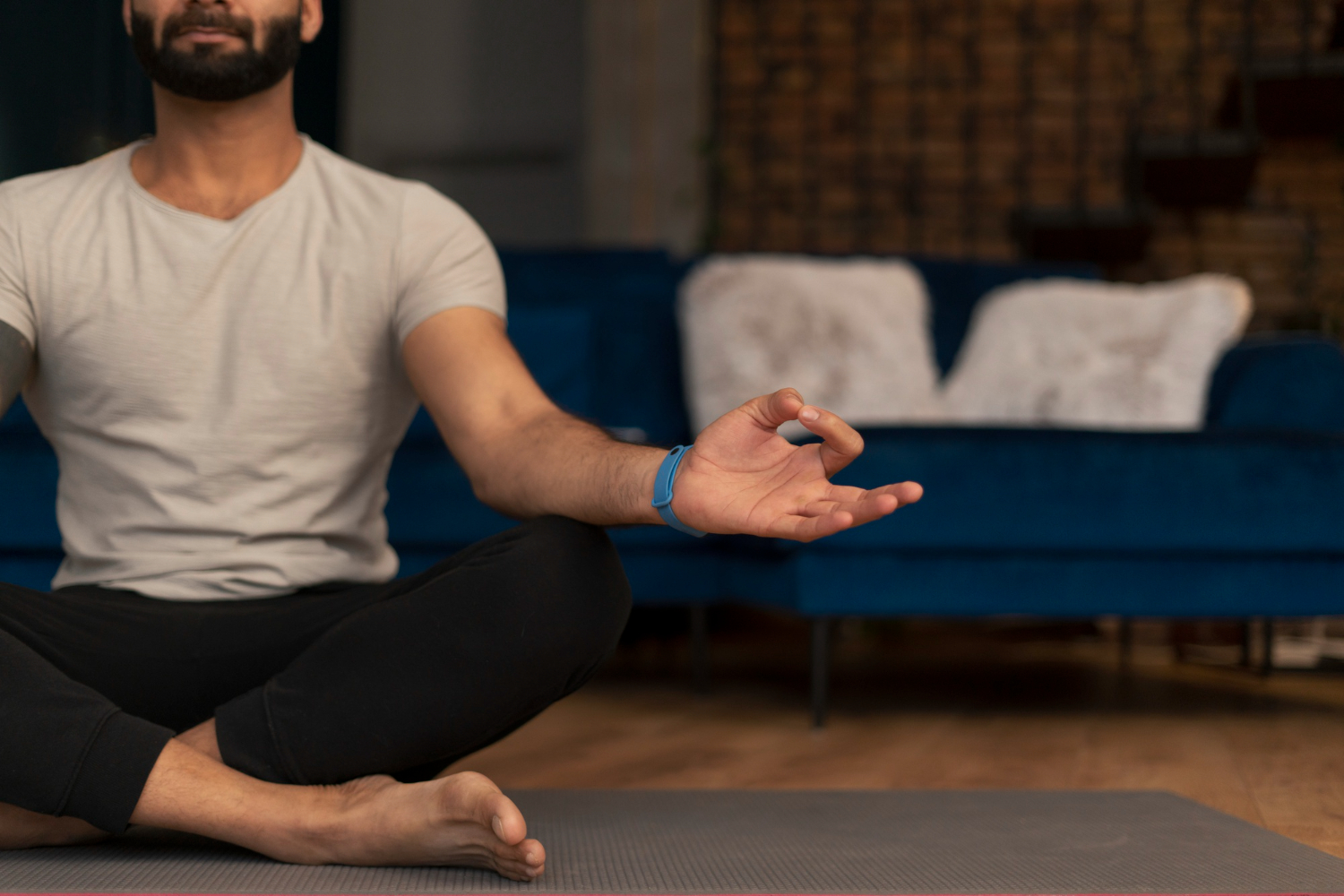
Preparation:
- Start with an empty stomach.
- Choose a quiet spot.
- It would be more comfortable if you wear loose clothes.
Enhance:
- Pair the mudras with 4-7-8 breathing or any mantra.
Routine:
- Ideal practice would be to have a 45-min daily sequence. Try rotating the mudras weekly.
Mindset:
- It is important that you visualize the energy. You should avoid strain because being subtle is key.
Advanced:
- Keep track of time using a watch or apps for timers.
You should keep in mind that forcing the fingers is damaging. Mudras work through subtle awareness, not pressure.
Want to step up? Join our Yoga Instructor Course Online!
Conclusion
The important mudras of yoga prove that healing does not always require complex poses or intense routines. These simple hand gestures are a key part of the practice. When used regularly they can bring some pretty dramatic changes to your physical, mental and emotional state. Whether you’re just starting out or looking to take your yoga practice to the next level, mudras are a gentle yet very effective way to cultivate a sense of overall well-being. And the best bit is that they can be woven into your daily life. Just a few minutes a day can make a huge difference.
So why not start your mudra practice today? Beginners – here’s a great place to start & take a step further with Entri’s Yoga Training Courses!
|
RELATED POSTS |
|
Become a Certified Yoga Instructor
Yoga Teacher Training Course by Entri App: Master authentic yoga techniques, earn certification, and build a successful career as a professional yoga instructor.
Join Now!Frequently Asked Questions
Which yoga mudras are best suited for beginners?
The three mudras to get you started are pretty simple and effective – Gyan Mudra, Prana Mudra and Vayu Mudra. Anyone can jump right in with these ones.
How long will it take to get a feel for yoga mudras?
To be honest, it doesn’t take too long. Most people start to notice a difference in about 1 to 2 weeks but consistent practice of course makes a big difference.
Do mudras have the power to cure diseases?
Not exactly – mudras can support your body in healing but they’re no substitute for proper medical treatment.
Can mudras help with stress and anxiety?
Yes, they can. Some of these mudras work a treat for stress and anxiety – especially Gyan Mudra and Adi Mudra.
Do mudras help improve sleep quality?
It’s said they can help. If you’re struggling to sleep, you might find Adi Mudra and Apana Mudra give you a bit of relief.
Are yoga mudras science-backed?
Actually, they are backed up by research which suggests they can help regulate the nervous system and reduce stress.