
Table of Contents
Introduction
Negotiation has become a key skill to master for both employers and employees. It is not something that is meant for boardroom meetings or making a sales deal. This skill comes in handy on day-to-day events and will help you speak up and grab all the right opportunities. All your effort and value will be recognized in occasions of negotiation. Be it salary discussions or work load distribution, negotiating comes along the line of advocating for yourself.
Negotiation simply involves having a conversation expressing concerns from both sides and coming to an agreement. It is important that you do not end up in conflict. No one loses or wins but comes to a suitable arrangement for both the parties. Negotiating is the most healthy problem-solving practice in this regard. Your confidence will be tailored to speak up your needs and what you strongly believe to be right, ensuring growth.If you hesitate to do this for yourself, things will be decided for you with unfair standards. Keep reading to understand effective ways in which you can improve your negotiation skills and master ethical ways to stand your grounds at the workplace.
Why Negotiation Skills Matter at Work
Strong negotiation skills ensure better job opportunities and self-awareness at your workplace. There are different aspects that leave a lasting impact on your career.

Career Advancements
Negotiation skills come in handy before you join a new job. It begins with negotiating salary and ensuring fair workload at your job role. Strong negotiation helps you land on the right roles where you get fairly compensated. Employees who negotiate well get better opportunities that ensure career growth and leadership. In addition to favourable work arrangements, it polishes your credibility at work.
Conflict Resolution
If you master negotiation skills, you will end up being the mature version of yourself. You will be able to shed your ego and make sensible and practical working setups without causing any damage. Disagreements occur in every workplace. But managing it without affecting the colleagues’ or clients’ trust is made possible by negotiating effectively. Mastering it builds trust and dependency as you will be looked up as the right person to resolve problems.
Self-Advocacy
A person with strong negotiation skills also acquires the lost lasting impact on them. You will be able to foster self-respect and self-advocacy, it pushes you to further growth with confidence and healthy competence. Having clarity about your values makes you an attractive pick for the employees. It also reduces anxiety as you have strong self-assurance necessary for a professional setting.
Win-Win Outcomes
Once you master the skill of effective negotiation, you will be able to have a strong professional reputation. The key aspect to make it strong is mutual respect. Skilled negotiators maintain a collaborative attitude creating value for both sides. You should come up with an agreement that opens up scope for further career opportunities for both.
Failing to negotiate brings doom as you will be questioning your career choices and end up resenting your wrong moves. So it is important that you foster a strong negotiating practice from the very beginning and be an active participant of whatever concerns your job role.
Want to Skyrocket Your Career and Achieve Your Professional Goals? Enrol our Online Course!
Boost Your Skills & Kickstart Your Career!
Employability and Personality Development Course by Entri App: Enhance your communication, confidence, and job-ready skills to excel in your career.
Join Now!Understanding Workplace Negotiation
As already mentioned, negotiation is not about getting tangible rewards. It is about building a career that values your effort and ensures overall growth on both ends. Need to negotiate comes up in instances like project roles and responsibilities, work time flexibility among others. It might not come to you right away but you might need to take it up on some other occasions. When you spot something not right or misaligned, you should not passively watch and tolerate. Instead you should start negotiating strategically. It can range from your pay to gaining opportunities for growth.
Workplace negotiation should not be about winning but ensuring mutually beneficial outcomes. While protecting your interests and concerns you must end up with common grounds. Key factors to note:
Preparedness
To ensure effective negotiation, you must be able to mix all the necessary aspects strategically. While presenting your needs and grounds, you also integrate and compromise for the big picture of the enterprise. You should be well aware of your goals and targets at the current job role and the changing scenarios. Be alert about the risks and limitations and be prepared with alternative suggestions.
Empathy
Building a strong relationship in the workplace environment is crucial. Once you have that rapport with your co-worker, you can easily make your points in times of disagreement. While you strongly stand for yourself on your grounds, you should also be mindful about the other person’s side of the situation. You must be able to understand their perspective to make the negotiation smooth and end up without damaging them. Empathy is key in all these situations as you are a community to continue working around with overall growth.
Flexibility
Adapting to different contexts makes your job and position secure. It is important that you adapt your strategies in tune with the changing scenarios. You should prioritize collaboration in a long-term work scenario. In a situation with high stakes you might need to be more assertive. You might need to compromise a bit when the resources are limited. In these ways you need to be adaptable to changing working environments.
You must be able to position yourself intelligently in the career landscape. It is important to understand the power dynamics as well as the organizational culture. Knowing your strengths and achievements will make the journey meaningful.
Effective Communication Techniques
As always, how you say things is as effective as what you say them. Communicating effectively is important and can ensure successful negotiation. Having clarity of thought can be reflected in the clear language you use. You must be mindful about the choice of words, the tone and even the nonverbal cues while negotiating. Check these pointers:
Assertive Language
You should take yourself seriously while getting into the negotiation mode. This suggests that you should not be blabbering about whatever comes to your mind and get it over with. You must not be emotionally invested more than being logically pointing out your concerns. While holding your grounds never take the aggressive tone but assert what you stand for. Clearly stating your concerns can be done calmly and confidently. Keep it professional.
Active Listening
While making a strategic approach, listening actively to the other person’s perspective is prime. You should not just shoot your thoughts one after the other and leave the rest to others. Show genuine interest in what they say and explore their side of the concern. This will help you get a clear understanding of the situation and act accordingly. Their constraints will open up new scope for your proposal and can adapt in favour of your needs. At the same time, you will be able to have a respectful conversation. You won’t be working on assumptions but actual issues from the authentic explanations.
Nonverbal Expressions
Your self awareness and confidence should be reflected in the way you stand and speak. It’s not just about the words you use and the matters you point out. Ensure confident body language starting with maintaining a steady eye contact. Don’t get into an argumentative tone. Keep your pace and tone to the professional demeanour. You should keep calm and it should be reflected in your face. Be mindful about your gestures and posture. You must also maintain silence at times to reflect on what is said before responding. There are a few practical tips for you to adopt for effective communication while negotiating.
- Never choose words that suggest blaming. Instead stick to framing words as your own opinions and perspectives.
“I would like to discuss the current work time arrangement.”
- You can assert your concerns while acknowledging your understanding of the other person’s position.
“I understand your point, but the situation demands a relocation.”
- Listen to the interests and not for the wrong side they take.
If you say “We can’t do that”, it suggests your position as someone who cannot do anything. Instead, if you say “We have our limitations in offering that” respect your interests while explaining the inability to fulfil the need.
Minor shifts in the way you communicate can bring significant impact while negotiating. Make a conscious effort to improve it and see how it works in your favour.
Strategies for Successful Negotiation
Being successful when negotiating is strengthened by a strategic preparation and mindset. You should have clarity backed by data to go ahead with. In addition to this, you should be prepared for the worst and come up with an alternative plan. This will build into your confidence being more certain about what you are about to get into.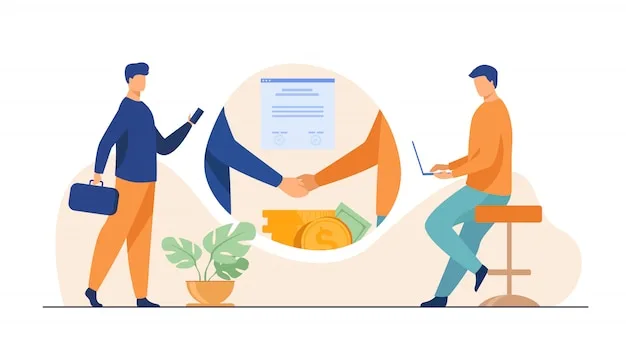
Research
Do your homework and prepare intensely beforehand. Be well aware of the market standards and plan your proposal accordingly. Maintain a clear understanding of your job role and work scenario before you negotiate. Frame your points based on the data researched and make informed decisions.
Aim for Mutual Benefit
A cooperative and collaborative mindset is inevitable for a successful negotiation. It is not about winning and losing but about integrating the efforts of both the parties. This is crucial if you aim for long-term professional relationships.
Stay Professional
Taking things emotionally will do no good. Maintain professionalism, especially under pressure. Staying composed will elevate your credibility and will help you avoid rushed decision-making. This will create a strong foundation for your profile and professional growth.
Focus on Value
You should assert your point without any fail, but not make it all about yourself. You must present your opinions as something that will benefit the organization. Stress how your contribution will add value to the enterprise and projects involved. Make yourself indispensable by highlighting your achievements and how you handle responsibilities.
Know When to Walk Away
Career growth must be your priority. For the same reason, you should know when to stop and walk away to protect yourself from exploitation. Always know what alternatives you have other than the one at hand. Have a BATNA (Best alternative to a negotiated agreement) which would give you leverage.
Maintaining respect to foster creative solutions might demand minor compromises. This does not make you weak as a professional. Finding middle grounds after asserting your concerns is the pattern you almost always follow.
Want to Skyrocket Your Career and Achieve Your Professional Goals? Enrol our Online Course!
Boost Your Skills & Kickstart Your Career!
Employability and Personality Development Course by Entri App: Enhance your communication, confidence, and job-ready skills to excel in your career.
Join Now!Negotiation Scenarios in the Workplace
Negotiation happens in everyday situations without even being recognized. It is important that you recognize the need for negotiation in the workplace so that you can make it more intentional. This will help you get the best out of every opportunity that pops up to acknowledge your value. Being more mindful about negotiating will keep you from reacting emotionally as well.
Common grounds for negotiation include:
Salary and compensation
When a new job offer finds your way, the first point of discussion will be about the salary package you can have. The company will try to name a price of their convenience. It is your responsibility to have a clear idea of what your job demands and get paid accordingly. Name the price backed by the relevant factors that justify your proposal. Highlight your skills and match them with the current market data in a way they cannot decline your demand. Once you are onboard, you might need to speak for yourself in terms of the compensation and rewards that you deserve.
Job roles and opportunities
Make sure that you have clarity about the job roles before you step into it. Tailor your skills to fit into it and ensure that there is room for growth like promotions. Also workout the work environment and the ways so that you can find further opportunities in the career landscape. When the employers fail to offer opportunities that meet your value, you will have to come up with an efficient negotiation. Negotiation helps you earn what you rightly deserve.
Workload and responsibilities
To ensure your workload is set realistically you will have to negotiate. To make it to the point you can mention your specific personal situation, but not too much. You should stress on productive means and sustainability to make a winning move. When you are assigned with new projects and responsibilities, be clear about your roles to avoid burnout. You might need to negotiate deadlines in this regard.
Client Expectations
When working for clients small and big, you will have to change your priorities accordingly. You must take your clients seriously as their satisfaction with your service is what matters the most. But you cannot go with whatever they ask for. So it is important that you come up with good negotiation points that ensure trust and reliability. You will have to align deliverables with realistic and achievable results without harming their interests.
Flexible work schedules
Setting boundaries must be one of the primary steps to take, once you join the work environment. You should get clarity about the nature of your work and if there is any scope for remote or hybrid choices. While maintaining work-life balance, you must see if flexibility exists. While asking for such options present it as the best option to enhance productivity. Don’t make it all about your convenience.
Readiness to negotiate for your genuine cause is something everyone should master. You should not tolerate and enable unfair means anywhere. Once you become an expert in negotiating, you will raise the graph of credibility and leadership. This makes you a better option wherever you go.
Conclusion
Having a strong negotiation skill helps you be a better professional in terms of productivity and professional growth. You should never confuse negotiation with conflict or confrontation. It is about having a healthy and structured conversation to end up with mutual agreement. Finding common grounds ethically and empathetically can foster a promising work environment. It ensures lasting professional relationships.
A person with high self-esteem and self advocacy becomes a skilled negotiator. Likewise, tailoring your negotiation skills will help develop self-esteem and confidence. Deliberately advocating for oneself makes you recognized as a person serious about their job. You do not have to wait for others to discover your talents and calibre but set your own standards right away. That is how strong negotiation skills enhance your professional identity.
Mastering the skill of negotiation builds both professional as well as personal growth altogether.
Boost Your Skills & Kickstart Your Career!
Employability and Personality Development Course by Entri App: Enhance your communication, confidence, and job-ready skills to excel in your career.
Join Now!Frequently Asked Questions
What is meant by BATNA in negotiation?
BATNA stands for best alternative for a negotiated agreement. This is the best alternative plan in case talking does not work out.
What kind of homework should I do before negotiating salary?
Before practising your pitch do an extensive research on the industry standards. List your skills and achievements to match the standards laid by the respective industry.
What mistakes end up in a failed negotiation?
Hasty engagement can make you settle quickly. Failing to understand the other person’s perspective can be misleading. Lack of preparation can cause severe downfall.
How is being aggressive different from being assertive?
Stating your needs confidently and with clarity makes you assertive. Aggressive tone damages relationships as you get overcome with emotions and take an argumentative tone.
Is negotiation going to work for fresh recruits?
Definitely. Conduct deep research on the organization, your role and industry demands can help you. Along with that present yourself as the best choice as you can stay relevant and updated.