Table of Contents
There are a bunch of pregnancy safe yoga practices like Child’s Pose, Cat-Cow and pelvic tilts. These are gentle and can avoid inversions and deep twists.
The listed practices will help reduce common pregnancy discomforts that include anxiety, nausea and back pain. Studies show that prenatal yoga works well to lower preterm labour risks by about 20%. It has also been reported that the practice improves sleep quality.
Get Confident! Join Our Yoga Teacher Training Course!
Key Takeaways
- Pregnancy-safe yoga is all about doing gentle and modified poses that avoid inversions, deep twists, and hot yoga.
- Track your progress by trimester – it’s gonna get different each time: first trimester is all about nausea relief, second trimester is about balance and third trimester is about getting your pelvic floor ready.
- Always get the green light from your OB-GYN before starting or continuing yoga during pregnancy – better safe than sorry.
- Try to practice 3 to 5 times a week for 20 to 30 minutes at a time for the best results – consistent practice is key.
- Harvard Medical School found that 75% of women who do prenatal yoga have less anxiety – it’s a real thing.
- Studies show that women who do yoga during pregnancy need 25% less epidural pain relief during labour – that’s a pretty big win.
Why Pregnant Women are Turning to Yoga & Why it Works
1: Which of these is the primary goal of yoga practice?
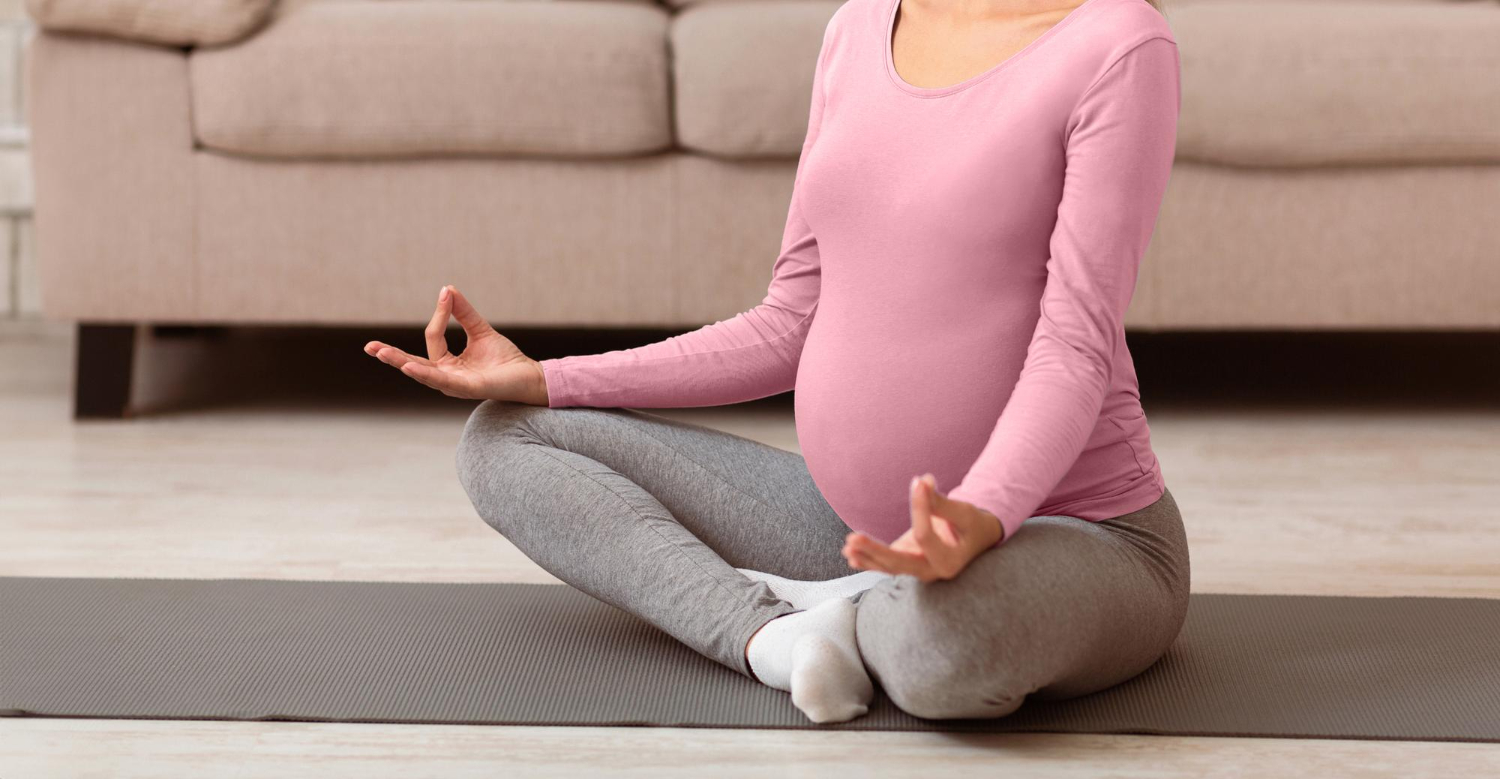
Prenatal yoga has transformed into healthcare recommendations rather than just a casual stretching practice. Recent years have demonstrated how practising yoga enhances flexibility, eases nausea and prepares the body for labour. All this is possible without any stressful impact of working out.
The key to make this happen is tailoring intensity through each trimester by using supportive props like bolsters and blocks. You should always respect the body’s changing limits.
An important observation is how well this reduces anxiety measurably. The common villains like mood swings, fatigue and other physical discomfort can change the way you prepare yourself for the journey positively.
Become a Certified Yoga Instructor
Yoga Teacher Training Course by Entri App: Master authentic yoga techniques, earn certification, and build a successful career as a professional yoga instructor.
Join Now!Essential Precautions Before You Begin
Making modifications to the core poses is what you must be taking very seriously. The prime focus should fall on breathing while making the movements gentle. You should prevent overheating or any sort of abdominal pressure.
Beware of the updated ACOG guidelines which states unmodified yoga poses contribute to 15% of pregnancy-related falls. So it is wise to make practitioner-led modifications.
Avoid: Inversions, hot yoga, and lying flat after 20 weeks.
Practice: 20 to 30 minutes daily under qualified guidance.
| Precaution | Why It Matters | Safe Modification |
| No inversions (e.g., Headstand) | Increases blood pressure to the head | Use wall-supported standing poses |
| Skip deep twists and backbends | Strains uterus and round ligaments | Opt for open twists with prop support |
| Avoid hot yoga | Overheating risks foetal development | Practice in a cool, well-ventilated space |
| Stop if dizzy or in pain | Signals overexertion | Rest immediately in Child’s Pose |
| No lying flat after 20 weeks | Compresses the vena cava | Use a bolster or rolled blanket under the right hip |
Top Pregnancy Safe Yoga Poses by Trimester
The two safe and effective poses that work across all three trimesters are Cat-Cow and Warrior II. For pelvic preparation, you can add supported squats in the third trimester.
All the three poses work collectively in building pelvic strength, circulation and mental calm. All this is done honouring the physical changes happening every week.
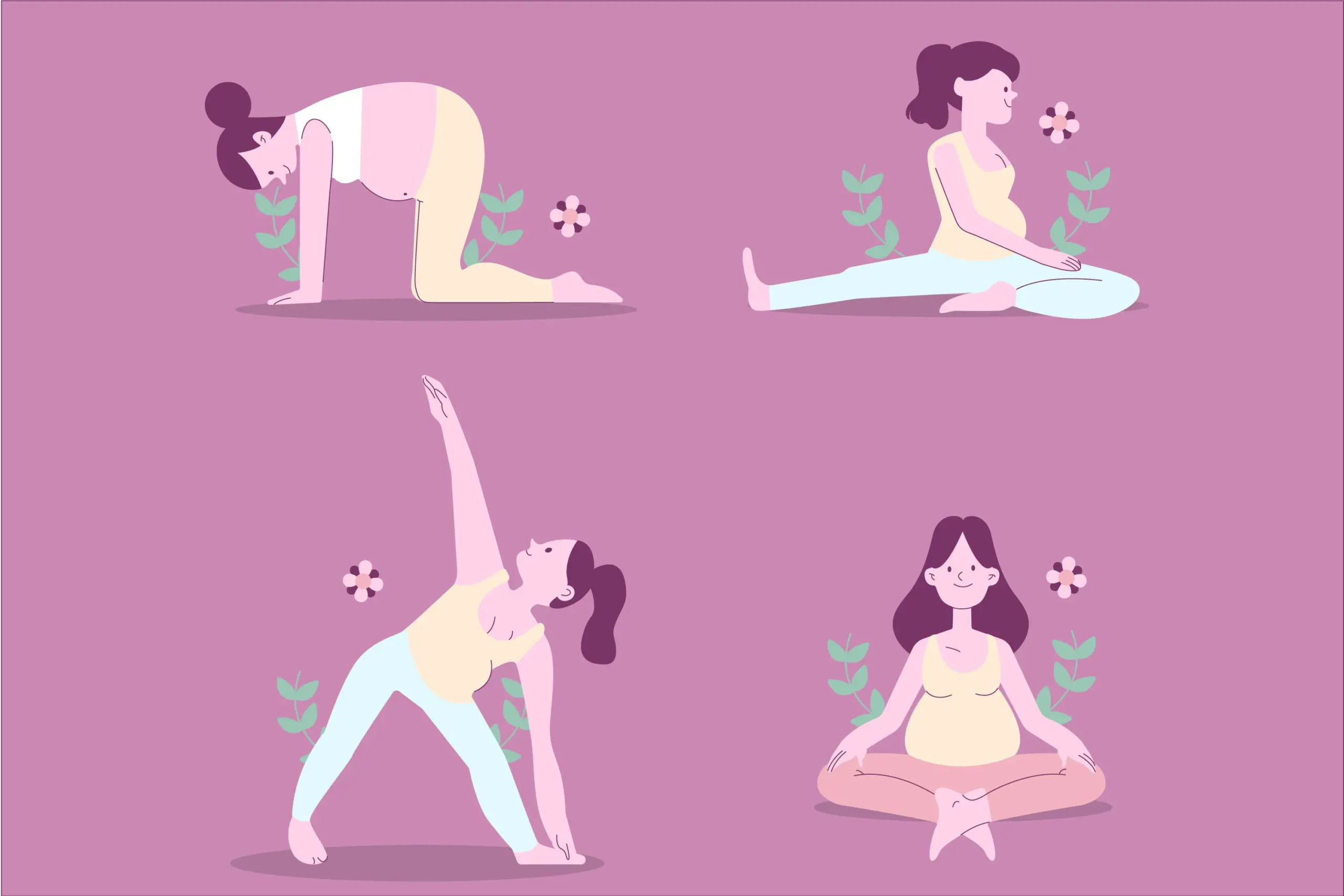
First Trimester (Weeks 1–12): Focus on Nausea Relief and Gentle Energy
| Pose | Benefits | How-To | Duration |
| Cat-Cow (Marjaryasana) | Relieves nausea, improves spinal flexibility | On all fours – inhale and arch the back (Cow), exhale and round the spine (Cat). Repeat fluidly. | 10 breaths |
| Child’s Pose (Balasana) | Calms the mind, gently stretches hips | Kneel and fold forward with arms extended; place a pillow under the belly for comfort. | 1 to 2 minutes |
| Modified Seated Forward Bend | Eases fatigue, stretches the lower back | Sit with legs wide apart, fold forward gently without rounding the spine aggressively. | 5 breaths |
Tip for the first trimester:
If morning sickness is intense, prioritise breathwork over movement. Even 5 minutes of Dirga breath (three-part breathing) can settle nausea meaningfully.
Second Trimester (Weeks 13–26): Emphasis on Balance and Hip Opening
After the fatigue during the first trimester, energy typically returns in the second trimester. This is the right time to build strength and work on opening the hips in preparation for birth.
| Pose | Benefits | How-To | Duration |
| Warrior II (Virabhadrasana II) | Strengthens legs, boosts stamina | Wide stance, bend the front knee to 90°, extend arms parallel to the floor, gaze forward. | 30 seconds per side |
| Goddess Pose (Utkata Konasana) | Opens hips, builds pelvic awareness | Wide squat with toes turned out, knees tracking over toes, arms raised or at chest. | 1 minute |
| Modified Side Angle Pose | Improves circulation, stretches the side body | From Warrior II, rest the forearm on the front thigh; reach the top arm overhead. | 5 breaths per side |
Tip for the second trimester:
Use a wall or chair for support. The growing belly shifts your centre of gravity noticeably by 18 to 20 weeks.
Third Trimester (Weeks 27+): Pelvic Floor, Relaxation, and Birth Prep
| Pose | Benefits | How-To | Duration |
| Supported Squat (Malasana) | Prepares for birth, strengthens the pelvic floor | Squat with a wall or two blocks behind the back for support, feet hip-width apart. | 1 minute |
| Legs-Up-The-Wall (Viparita Karani) | Reduces swelling, improves sleep | Lie with legs resting up the wall, bolster or folded blanket under the hips. | 5 to 10 minutes |
| Pelvic Tilts | Eases lower back pain | On all fours or seated, gently rock the pelvis forward and back in a controlled motion. | 10 repetitions |
Tip for the third trimester:
Supported Savasana is good. You can lie on the left side with a pillow between your knees. This is not “doing nothing.” It is one of the most restorative poses of the entire practice.
Yoga Breathing Techniques for Pregnancy
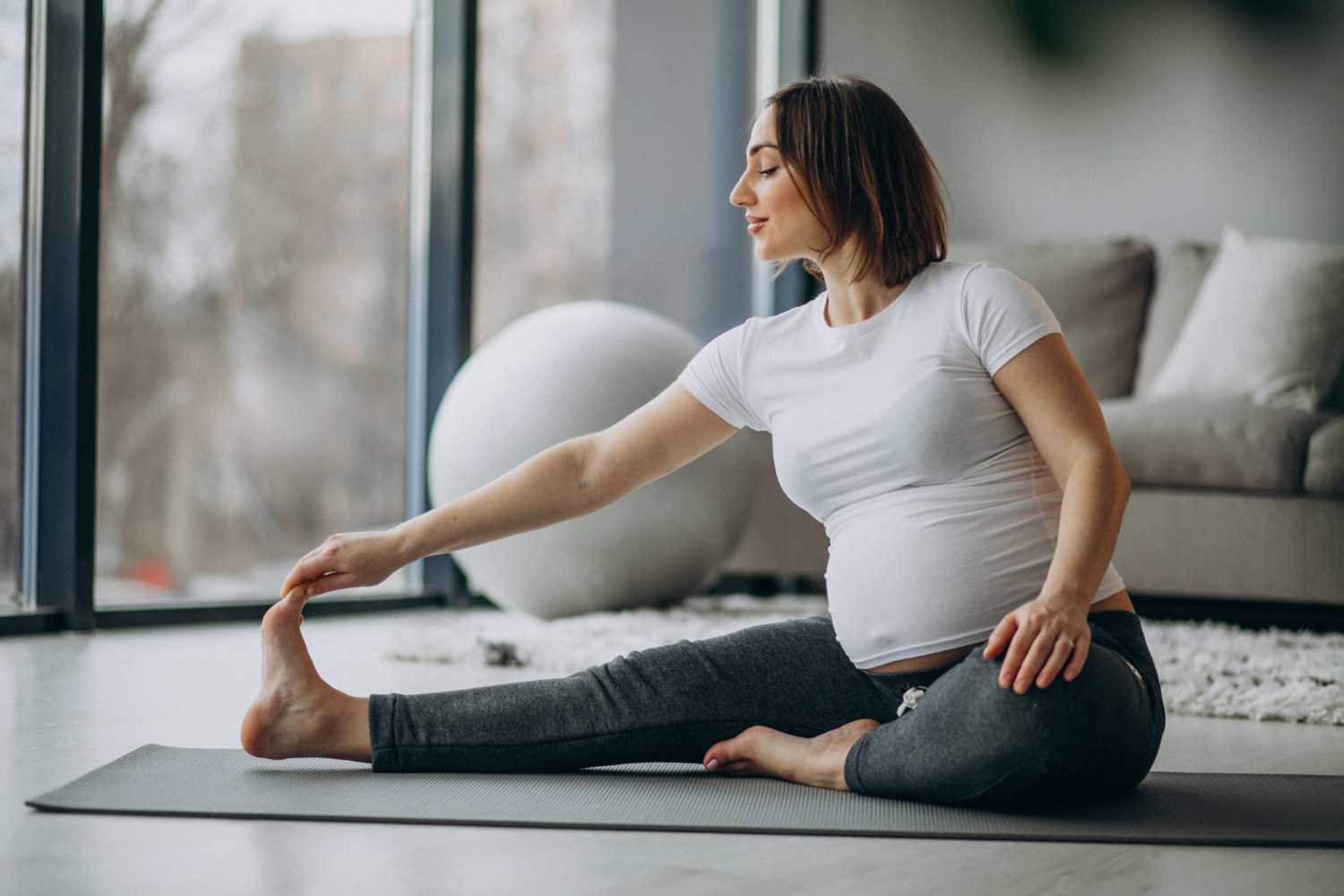
You should take up practising Ujjayi breath as well as Alternate Nostril Breathing daily to reduce stress and cortisol.
These techniques work well in calming the nervous system without any physical strain. This makes them safe at any point in pregnancy including those days when movement feels impossible.
Ujjayi Breath (Ocean Breath)
Inhale and exhale through the nose with a gentle constriction at the back of the throat. The sound likely resembles fogging up a mirror. Practice for 5 to 10 minutes. This breath is particularly useful during contractions.
Nadi Shodhana (Alternate Nostril Breathing)
Close the right nostril with the thumb, inhale through the left. Close both, then release through the right. Alternate. This balances the nervous system and has been linked to hormonal regulation during pregnancy.
Dirga (Three-Part Breath)
Breathe into the belly first, then expand the ribcage, then fill the chest. Exhale slowly in reverse.
This technique is particularly effective for anxiety and sleeplessness in the third trimester.
Become a Certified Yoga Instructor
Yoga Teacher Training Course by Entri App: Master authentic yoga techniques, earn certification, and build a successful career as a professional yoga instructor.
Join Now!Sample 20-Minute Daily Prenatal Yoga Routine
You can practise Cat-Cow and Child’s Pose as warm ups. Then you can move through the three trimester-appropriate poses. Close this with supported relaxation.
| Time | Activity | Focus |
| 0 to 5 minutes | Cat-Cow + Child’s Pose | Warm-up and spinal mobility |
| 5 to 15 minutes | 3 trimester-specific poses (from tables above) | Strength, circulation, and balance |
| 15 to 20 minutes | Pranayama + Supported Savasana or Legs-Up-The-Wall | Nervous system relaxation |
The proposed structure is intentionally set to be flexible. On days with lower energy, you can spend the entire 20 minutes on breathing exercises and Leg-Up-the-Wall.
When you have those better days, you can extend the active middle section to 15 or 20 minutes with additional poses.
The Science Behind Prenatal Yoga Benefits
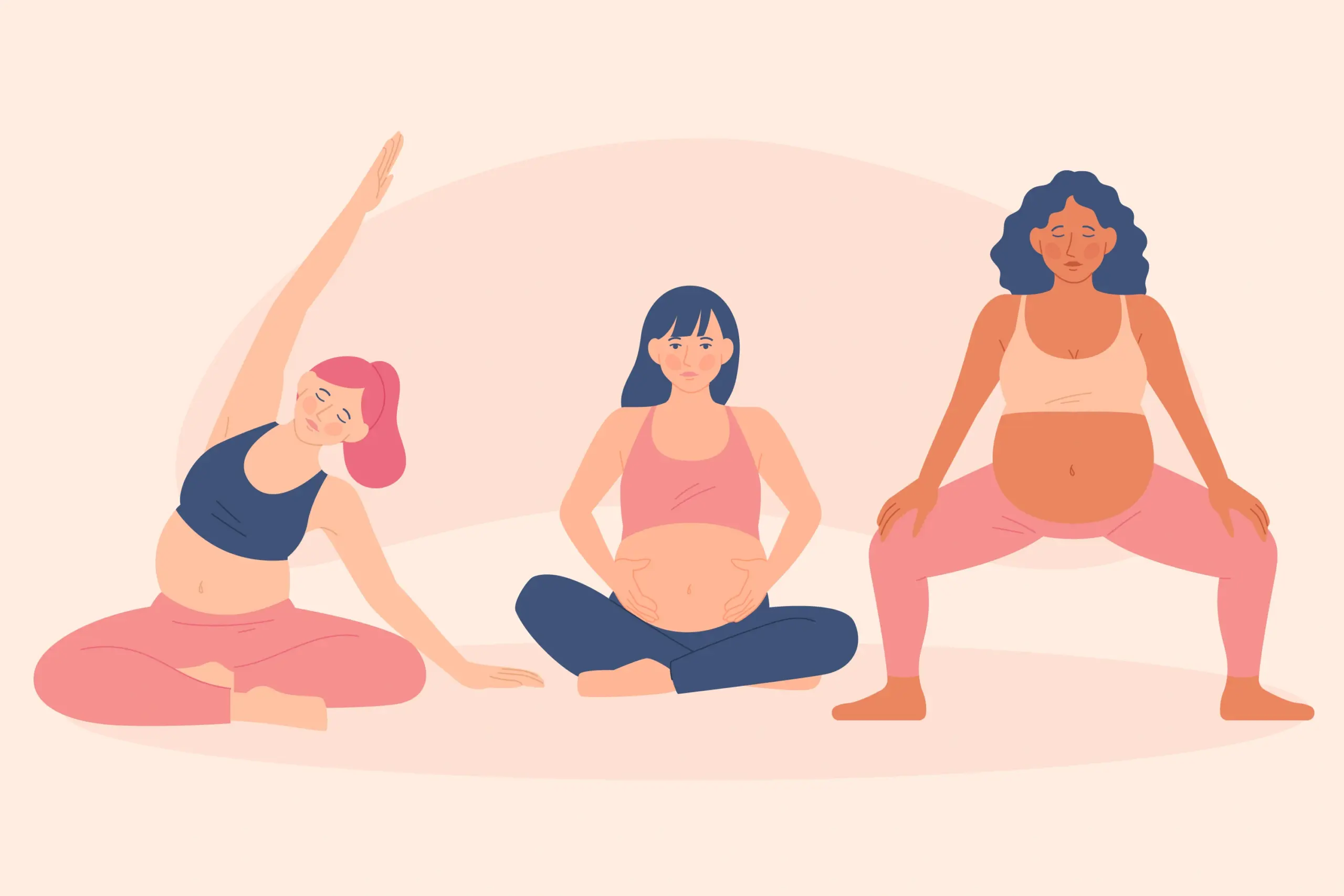
The research work around yoga has become substantial enough and so prenatal yoga is not just complementary exercise. It has become increasingly standard with evidence-based maternal care.
| Benefit | Evidence |
| Reduced labor pain | 2024 Lancet study: yoga group required 25% less epidural pain relief |
| Lower depression risk | Cochrane Review: prenatal yoga reduces depression risk by 40% |
| Better birth outcomes | JAMA Pediatrics: 15% drop in C-section rates among regular practitioners |
| Improved sleep | Journal of Obstetrics and Gynecology (2023): 85% of participants reported better sleep |
| Lower preterm risk | Same 2023 study: 20% reduction in preterm labor risk |
Keep in mind that the outcomes are not incidental. When practised regularly, yoga works in reducing systemic inflammation and improving circulation to the placenta. It also trains the nervous system to respond to pain with measured breath and not panic.
All these directly influence the birth outcomes positively.
Get Confident! Join Our Yoga Teacher Training Course!
Conclusion
Pregnancy safe yoga is at this point one of the most researched, accessible and really effective tools available to expecting mums today. It can help with easing off the first trimester’s nausea and getting the pelvis ready for birth.
The right poses used with awareness and proper guidance can do wonders and transform the whole pregnancy experience. What used to be something you just had to get through now becomes a journey that you tackle with confidence.
The rules that work for most people remain consistent. Always get the all-clear from your doctor before you start, adapt every pose to suit your current trimester, and steer clear of anything that causes you pain or makes you short of breath. Don’t practice in the heat either.
Within those boundaries, yoga offers something quite rare – a practice that at the same time improves the body, the mind and the baby.
Start slow, start safe, and let your breath guide you along the way.
|
RELATED POSTS |
|
| 7 Yoga Mudras for Good Sleep and Cure Insomnia | |
| Difference Between Asana Practice in Hatha Yoga and Modern Yoga | |
Become a Certified Yoga Instructor
Yoga Teacher Training Course by Entri App: Master authentic yoga techniques, earn certification, and build a successful career as a professional yoga instructor.
Join Now!Frequently Asked Questions
Is yoga okay in the first trimester?
Yeah it is. Cat-Cow and Child’s Pose are great for dealing with morning sickness and fatigue. Just make sure to check in with your OB-GYN before starting out.
What poses should I definitely avoid during pregnancy?
Don’t even think about doing headstands, shoulder stands, deep backbends or lying on your stomach – those poses can be super risky. There are safer alternatives for every stage.
When should I stop doing yoga during pregnancy?
Stop right away if you start feeling dizzy, short of breath, get any vaginal bleeding, have contractions or sharp abdominal pain. Get in touch with your healthcare provider before resuming practice.
Can yoga really help with lower back pain during pregnancy?
Yeah it can. Cat-Cow, Child’s Pose and pelvic tilts are all focused on the lower back and are pretty effective if you’re dealing with back pain.
How often should I practice prenatal yoga?
Three to five sessions a week for 20 to 30 minutes each is the sweet spot. Too much yoga and you might end up feeling fatigued or straining your ligaments, so don’t forget to take breaks.
Can yoga help with pregnancy-related insomnia?
Yeah it can. Trying out Legs-Up-the-Wall and Durga Breath can do wonders for your sleep.
Is it safe to do yoga in the third trimester?
Yeah it is. Just keep in mind that you’ll need to modify a lot. Focus on poses that are supported, pelvic floor work and breathwork. And yeah, avoid any pose that requires a lot of balance.
What's the best breathing technique for labour prep?
Ujjayi breath is the way to go. It’ll train you to stay calm under pressure and can be super helpful during contractions.
Are there yoga poses specifically for pelvic floor strengthening?
Yeah. Supported Squat, Goddess Pose and pelvic tilts are all super effective for strengthening those pelvic floor muscles.
Can prenatal yoga help with postpartum recovery?
That is a bonus. While prenatal yoga is designed for pregnancy, the breathwork, pelvic floor awareness and body-mind connection you build during can really help with postpartum healing and mental health too.