Table of Contents
I did not enter the stock market with dreams of becoming rich overnight. I entered with curiosity… and ignorance.
Like many middle-class youngsters, I began my professional life as an engineer in the IT industry. Bengaluru was my new world. A stable salary, a simple lifestyle, and very few responsibilities meant that for the first time in my life, money remained in my bank account at the end of every month.
I didn’t want my savings to sit idle. I wanted my money to grow. That is when I stepped into the stock market — without truly understanding what I was entering. At that time, my knowledge was basic: buy shares, wait, and sell when prices rise. I started investing whatever money remained each month. And the market welcomed me warmly.
Stocks kept rising. My portfolio grew steadily. Every month, I saw green numbers and rising profits. It felt exciting and empowering. Most importantly, it felt like I had discovered a secret path to wealth. That feeling slowly changed me.
Learn Stock Marketing with a Share Trading Expert! Explore Here!
5 Mistakes You can Learn from
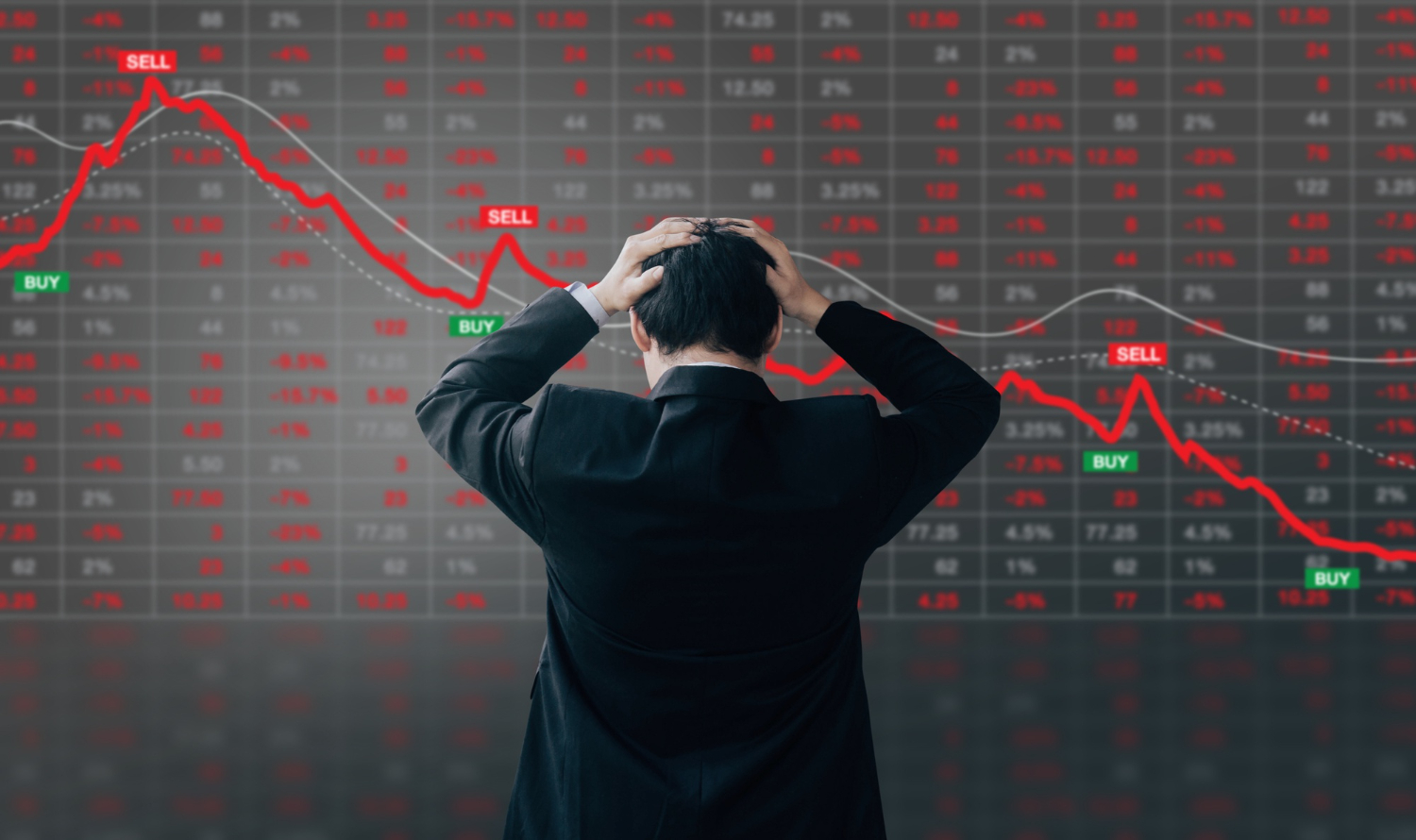
Mistake 1: I Mistook Luck for Intelligence
Because I was making profits, I believed I was smart. I thought I understood markets. I thought I had a special ability to pick winning stocks. But I was wrong.
The truth was simple: When markets rise, everyone looks like an expert. I was not skilled. I was just riding a rising market. But success without struggle is dangerous. It creates overconfidence. And overconfidence blinds judgment.
Mistake 2: Greed Pushed Me to Borrow and Invest
As my investments grew, a new fear entered my mind — the fear of missing bigger profits. I started thinking: “If I invest more money, I can earn more profit.” Savings were not enough. So I made a bold and reckless decision. I took a personal loan of ₹10 lakhs and invested everything in the stock market. For some time, it worked.
My portfolio value increased rapidly. I felt proud. I felt powerful. I even imagined quitting my job and becoming financially independent through the markets. But markets are not designed to fulfil our fantasies. They test our discipline.
The Crash That Shattered My Confidence
The 2008 global financial crisis struck like a cyclone. Markets collapsed without warning. Stocks didn’t fall gradually — they crashed violently. Every day, prices dropped further. News channels spread panic. Investors rushed to exit. I watched helplessly. My ₹10 lakh investment fell to nearly ₹4 lakhs. Years of savings and borrowed money were disappearing before my eyes. Shock turned into fear. Fear turned into denial. And denial led to my biggest mistake.
Mistake 3: I Refused to Accept Losses
I kept convincing myself: “This is temporary. The market will recover.” But I wasn’t analyzing — I was hoping.
I wasn’t investing — I was emotionally attached. Accepting loss felt like accepting failure. So I held my falling stocks tightly, praying for recovery. But markets do not respond to emotions. Small losses slowly became large losses. Large losses became financial damage.
Mistake 4: I Entered Trading Without Knowledge
When my investments collapsed, I desperately searched for ways to recover losses. That’s when friends suggested intraday trading.“ Earn small profits daily and recover everything,” they said. It sounded logical. But I made a critical mistake — I entered trading without learning.
No training. No risk management. No understanding of trading psychology.
Initially, I made small profits. Those early wins gave me hope. I believed recovery was near. But markets are ruthless teachers. Soon, losses began. Instead of stopping, I traded more aggressively, increased position sizes and chased every market movement.
Losses multiplied. Stress increased. Sleep disappeared. But I could not stop.
Trading Became an Addiction
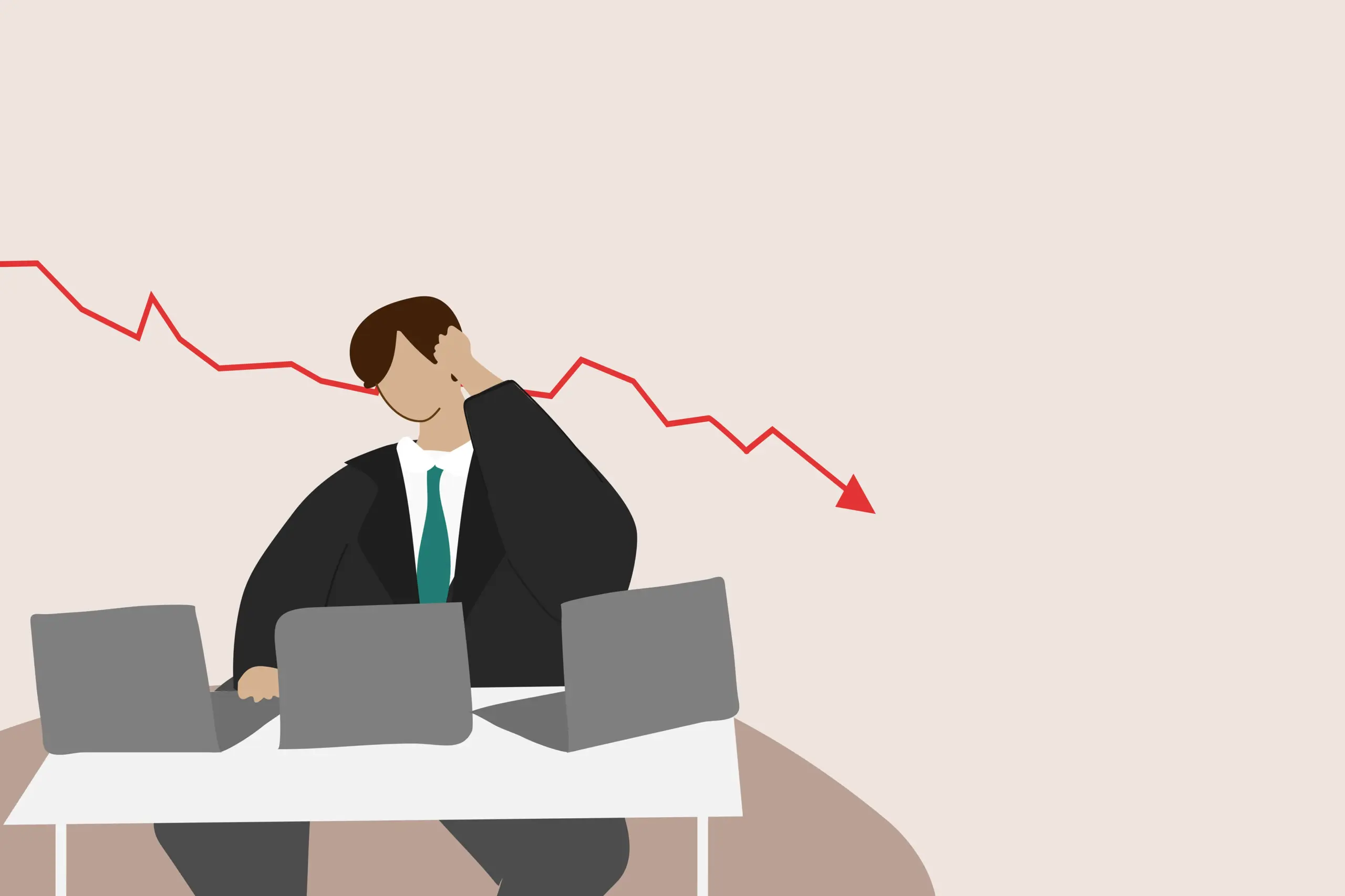
At one stage, trading stopped being about money. It became emotional. If I didn’t trade, I felt restless.
If I lost, I felt desperate to recover immediately. If I won, I felt invincible.
My decisions were no longer rational — they were emotional reactions. I started using:
- My entire salary for trading
- Credit cards for trading capital
- Multiple personal loans
- Money borrowed from friends
Not to build wealth… but to chase losses. Without realizing it, I had crossed a dangerous line. I was no longer investing. I was gambling.
Mistake 5: Using Borrowed Money Destroyed My Peace
Borrowed money brings invisible pressure. Every trade felt like my future depended on it. Fear forced me to exit good trades early. Greed pushed me into risky trades. Anxiety destroyed my clarity. I wasn’t thinking logically and reacting emotionally. And emotional trading is the fastest way to financial destruction. Within a short span, my debts grew to unimaginable levels.
The Dark Reality of Market Traps
1: What is a stock?

During my desperate phase, I discovered the darker side of the stock market ecosystem. I fell into several traps:
Fake Tips
So-called experts promised “sure-shot calls.” None worked consistently.
Rumours & Noise
Social media messages, TV debates, and unverified news influenced my decisions.
Blind Trust
I believed others knew better than me, instead of building my own understanding.
Broker-Driven Trading
Frequent trading was encouraged, but only I carried the risk while others earned commissions. I realized a painful truth: Wrong guidance in the market can be more dangerous than having no guidance at all.
My Lowest Point
Debt kept increasing. Phone calls became frightening. I avoided friends, relatives, and even family. I lost mental peace. I lost self-confidence. I lost emotional stability.
But the most painful realization was this: I was responsible for my own downfall. That truth hurt more than financial losses.
The Turning Point that Changed My Life
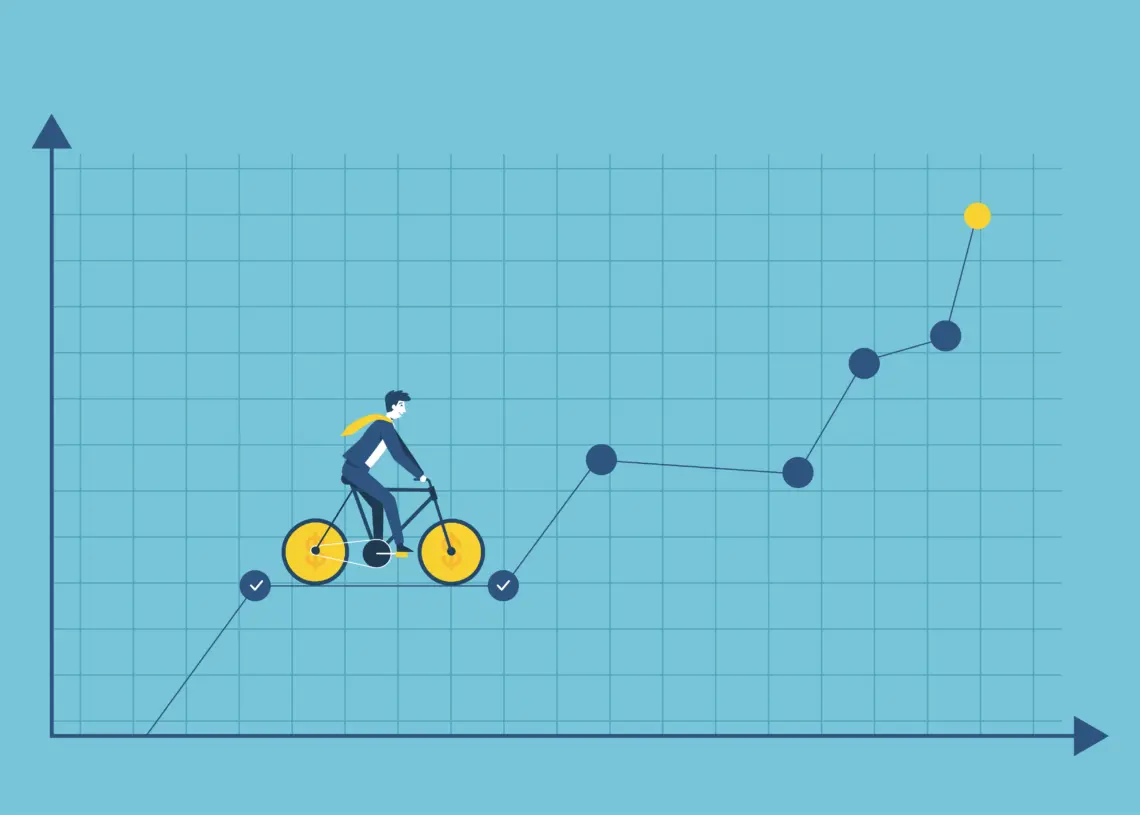
One day, I stopped blaming markets. I stopped blaming tips, brokers, and circumstances. Instead, I asked myself: “Where am I going wrong?” That simple question changed my life. I realized:
- I entered markets without proper education
- I underestimated risk
- I never controlled my emotions
- I treated trading like a lottery
So I decided to rebuild — the right way.
What the Market Finally Taught Me
I began studying seriously. I learned:
-
- Risk management
- Capital protection
- Position sizing
- Trading psychology
- Emotional discipline
- Market cycles
I understood a life-changing truth: Professional traders focus on protecting capital. Amateurs focus only on profits. The market humbled me. It broke my ego. But it rebuilt my mindset with discipline and respect.
Stock Market Training Reviewed & Monitored by SEBI Registered Investment Advisor
Trusted, concepts to help you grow with confidence. Enroll now and learn to start investing the right way.
Know moreHard Truths Every Investor Must Understand
- Stock market is not easy money
- Profits without knowledge are temporary
- Borrowed money multiplies emotional mistakes
- Accepting small losses prevents financial disasters
- Trading without emotional discipline is gambling
- Tips and shortcuts trap beginners
- Discipline matters more than intelligence
Learn Stock Marketing with a Share Trading Expert! Explore Here!
Why I Share My Story
I am not proud of my mistakes. But I share them openly because thousands of beginners are walking the same dangerous path I once walked. If my experience can prevent even one person from financial and emotional suffering, my journey becomes meaningful.
Final Message
Today, when I look back at my journey, one truth stands clear. The stock market is not a shortcut to wealth. It is not easy money. It is not a place for guesswork or emotional decisions. The stock market is a serious business that demands knowledge, discipline, patience, and emotional control. Entering the market without proper learning is like sailing into a storm without knowing how to swim. You may survive by luck for some time, but eventually, lack of preparation will pull you under.
If you truly want to build wealth through markets: Learn first. Understand risks. Develop discipline. Protect capital. Only then think about profits. I learned this lesson through painful mistakes and heavy losses. You can learn it through education instead of experience.
Respect the market, prepare yourself properly, and enter only when you are truly ready.
|
RELATED POSTS |
|
Stock Market Training Reviewed & Monitored by SEBI Registered Investment Advisor
Trusted, concepts to help you grow with confidence. Enroll now and learn to start investing the right way.
Know moreFrequently Asked Questions
What commonly inspires beginners to start investing in the stock market?
Curiosity and surplus savings from early jobs often drive people to invest, but many lack knowledge beyond basic buy-low-sell-high concepts.
What is a common first mistake for new stock market investors?
Mistaking luck in a rising market for personal skill leads to overconfidence without real analysis or expertise.
Why do some investors take personal loans to buy stocks?
Greed from initial profits creates FOMO, prompting borrowed funds to chase bigger gains while ignoring leverage risks.
What problems arise from starting intraday trading without preparation?
Lack of training, strategy, or risk management turns small wins into big losses through aggressive, emotion-driven trades.
How can trading turn into an addiction?
Early successes breed restlessness and loss-chasing, leading to funding trades with salary, credit, loans, and borrowed money—shifting to gambling.
What does the lowest point in a bad investing journey look like?
Spiralling debts, creditor harassment, social withdrawal, and lost mental peace highlight self-inflicted financial ruin.
What role does trading psychology play in success?
Prioritizing capital protection over profits, with emotional discipline, outperforms raw intelligence in volatile markets.
Is the stock market a path to quick wealth?
No. Success demands knowledge, patience, risk control, and emotional mastery, not shortcuts or speculation.